How Do I Choose the Right Plumber for My Specific Plumbing Problems?
Knowing how to choose a plumber starts with correctly identifying the problem, then checking three things: licensing and insurance, real reviews from real customers, and a written estimate before any work begins. Homeowners across Mineral, Lake Anna, Montpelier, Short Pump, and the rest of Central Virginia can use the same checklist whether they’re calling Wet Spot Plumbing or comparing options — here’s how to work through it.
Key Takeaways
Matching the problem to the right kind of help — a quick DIY fix, a general plumber, or an emergency call — is the first decision, before picking a company.
Licensing, insurance, and bonding each protect against a different risk, and it’s worth understanding what each one actually covers.
Real, verifiable reviews matter more than a polished website — check what customers specifically say about the work, not just star ratings.
A written estimate before work begins is one of the clearest signs of a plumber worth hiring.
Contracts should spell out scope, cost, timeline, and warranty terms — ask about anything that isn’t clearly stated rather than assuming it’s covered.
Virginia’s plumbing licenses can be verified directly through the state, which is one of the fastest ways to confirm a plumber is who they say they are.
Matching the problem to the right kind of help — a quick DIY fix, a general plumber, or an emergency call — is the first decision, before picking a company.
Licensing, insurance, and bonding each protect against a different risk, and it’s worth understanding what each one actually covers.
Real, verifiable reviews matter more than a polished website — check what customers specifically say about the work, not just star ratings.
A written estimate before work begins is one of the clearest signs of a plumber worth hiring.
Contracts should spell out scope, cost, timeline, and warranty terms — ask about anything that isn’t clearly stated rather than assuming it’s covered.
Virginia’s plumbing licenses can be verified directly through the state, which is one of the fastest ways to confirm a plumber is who they say they are.
What Are the Most Common Plumbing Problems and How Do I Identify Them?
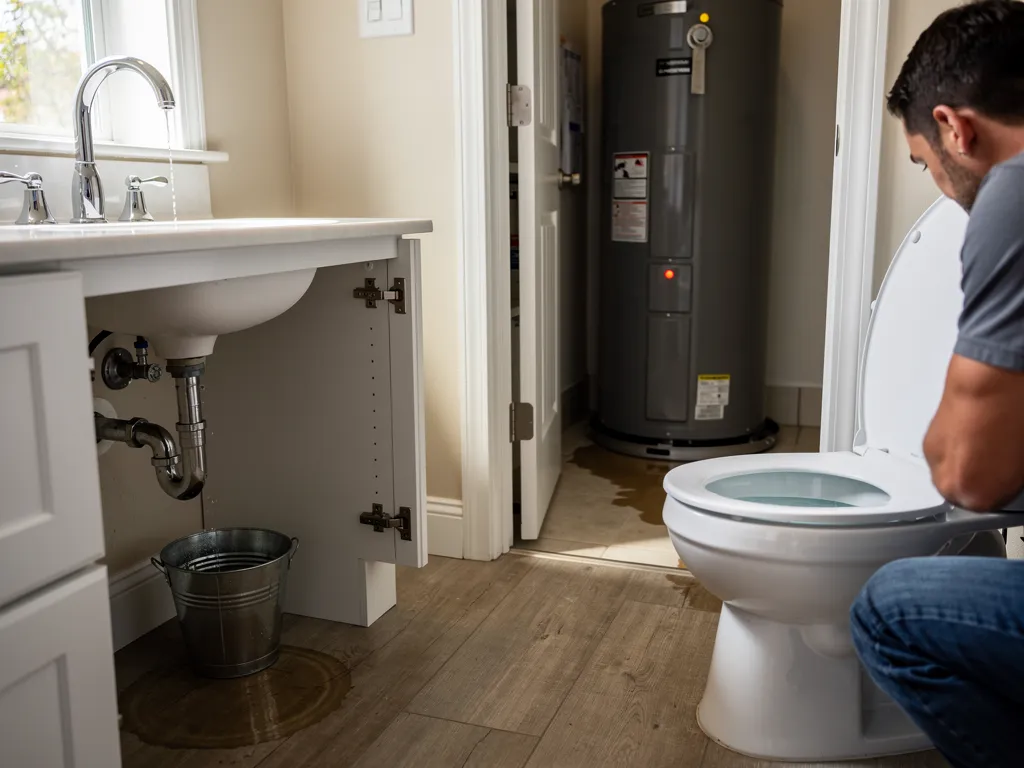
Most plumbing problems fall into a few recognizable categories — leaks, clogs, water heater trouble, and pressure issues — and identifying which one you’re dealing with helps determine how urgently to act and who to call.
What Are the Signs of Typical Plumbing Issues Like Leaky Faucets or Clogged Drains?
A leaky faucet usually shows up as a slow drip or a damp spot under a fixture, while a clogged drain announces itself with slower draining, gurgling sounds, or standing water. Both are common, both are usually fixable without an emergency call, and both are worth addressing before they get worse.
When Do Plumbing Problems Become Emergencies That Require Immediate Help?
A problem becomes an emergency when it’s actively causing damage, creating a safety risk, or leaving the home without water — a burst pipe, a sewage backup, or a suspected gas leak all qualify. A slow drain or a dripping faucet, by contrast, can typically wait for a scheduled appointment.
Which Types of Plumbing Services and Specialists Should I Consider for My Problem?
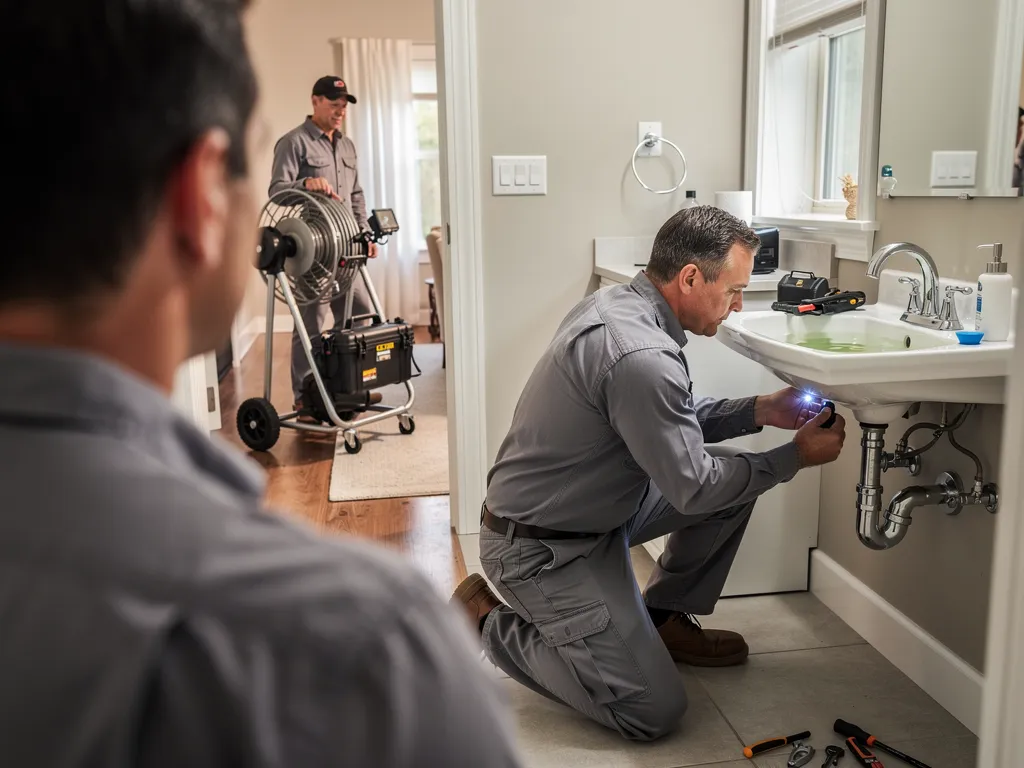
Most residential issues don’t require a narrow specialist, but knowing the difference helps set expectations for who should be handling the call.
What Do General Plumbers Handle Versus Specialized Plumbing Services?
A general plumber handles the bulk of residential plumbing services — repairs, installations, drain clearing, water heaters — while more specialized needs, like certain well-system work or advanced sewer diagnostics, sometimes call for additional expertise. Wet Spot Plumbing’s licensed Master Plumbers cover a wide range within that spectrum, including water heaters, well pumps and pressure tanks, water testing and filtration, and HVAC, which means most homeowners in Central Virginia don’t need to juggle multiple companies for different problems.
How Do I Match Specific Plumbing Problems to the Right Specialist?
For most residential issues — a leak, a clog, a failing water heater, a running toilet — a general residential plumber is the right call. It’s only for less common situations, like certain commercial-scale work, that a homeowner would typically need to look beyond a full-service residential plumber.
How Can I Evaluate a Plumber’s Credentials, Licensing, and Reputation?

Three things are worth checking before hiring anyone: whether they’re properly licensed, what protections are in place if something goes wrong, and what real customers actually say about the work.
Why Are Licensing, Insurance, and Bonding Essential for Plumbers?
Licensing means a plumber has met a state-recognized standard for the trade — in Virginia, that’s the journeyman or master tradesman license through the Department of Professional and Occupational Regulation, and it’s the first thing to confirm when looking for a licensed plumber in Central Virginia. Insurance covers liability if something goes wrong on the job, like accidental property damage. Bonding is a separate financial guarantee that can protect a homeowner if a contractor fails to complete a job or causes certain kinds of loss. Wet Spot Plumbing’s technicians are licensed and insured Master Plumbers — it’s worth asking any plumber directly whether they carry all three, since not every company does.
How Do I Verify Experience and Trustworthiness Through Reviews and Testimonials?
Look for specific, detailed reviews rather than generic five-star ratings — mentions of response time, communication, and whether the job was actually done right hold more weight than a star count alone. Wet Spot Plumbing’s own site includes named customer accounts describing same-day response and finished repairs, which is the kind of specific detail worth looking for from any company under consideration.
What Are the Key Questions to Ask When Hiring a Plumber for My Specific Issue?
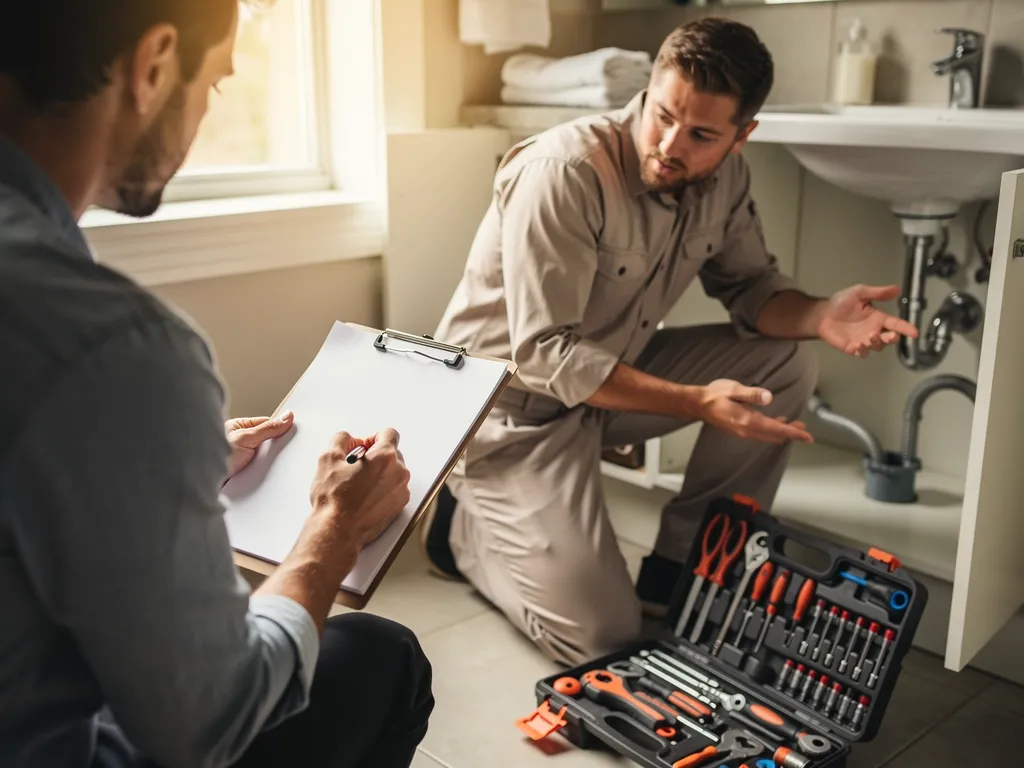
A short list of direct questions upfront can save a lot of guesswork later.
Which Questions Help Confirm a Plumber’s Expertise for Emergency and Specialized Services?
Ask whether they’re available 24/7 for emergencies, how they handle after-hours calls, whether the technician arriving is licensed, and whether the estimate is provided in writing before work starts. Wet Spot Plumbing’s emergency line, (540) 500-1272, is one example of what a straightforward answer to that first question should sound like for anyone searching for an emergency plumber in Mineral, VA and the surrounding area. For anything outside routine repair — well systems, water quality issues, HVAC — it’s also worth asking directly whether that’s something they handle regularly or refer out.
How Do I Understand and Compare Plumbing Quotes and Estimates?
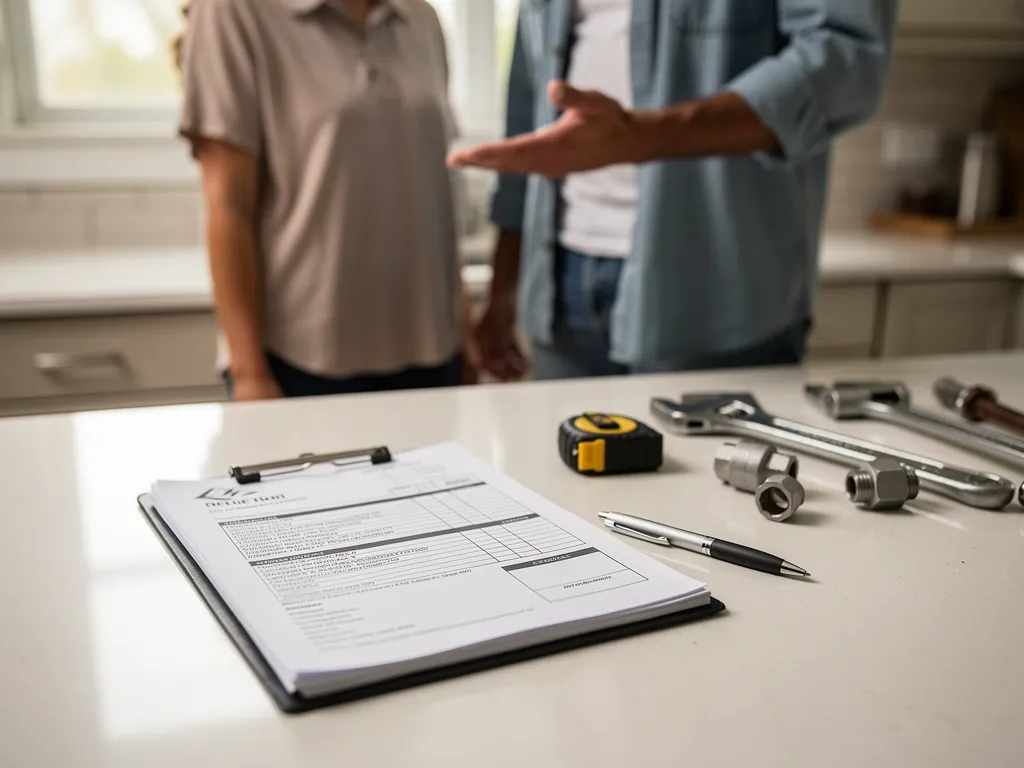
Understanding plumbing estimates and quotes starts with getting them in writing — a clear, written estimate before work begins is one of the strongest signals that a plumber operates honestly, while vague verbal estimates are where surprise costs tend to come from.
What Should I Expect in a Plumbing Contract and Service Guarantee?
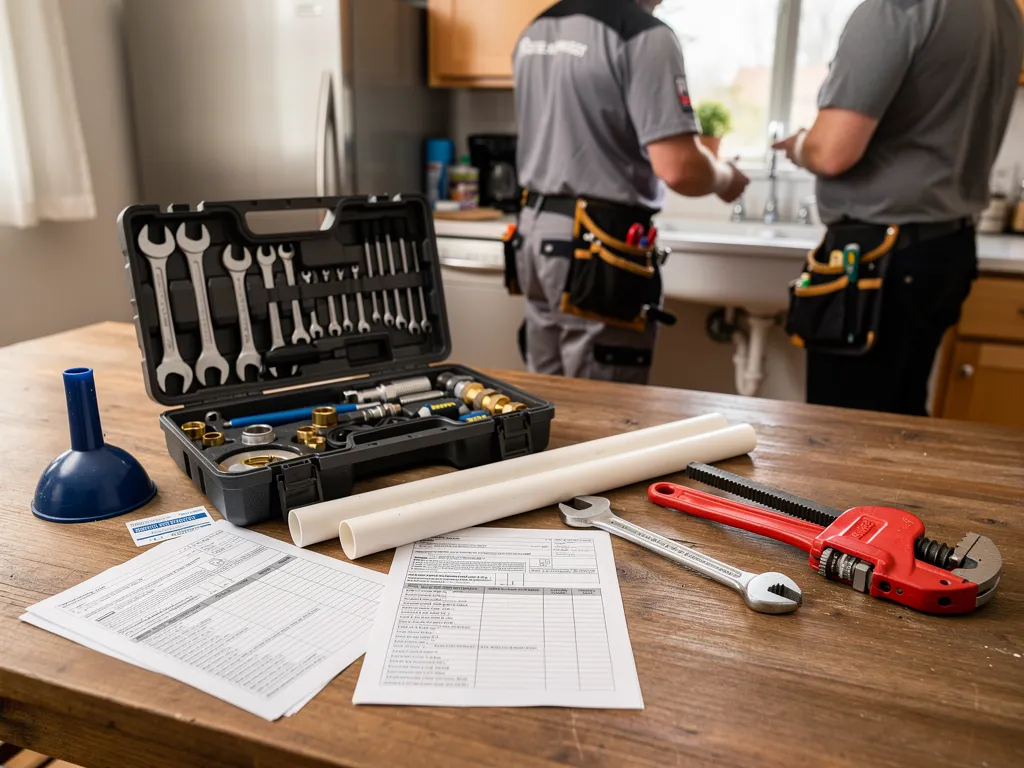
At minimum, expect the scope of work, the cost, and an estimated timeline in writing. If a warranty or guarantee is offered, ask what specifically it covers, how long it lasts, and whether it applies to labor, parts, or both — not every company publishes a formal written warranty, so it’s worth asking directly rather than assuming.
What Are the Typical Terms, Timelines, and Warranties in Plumbing Contracts?
Terms vary by company and by job, but a reasonable contract should specify who’s responsible for permits if any are needed, what happens if the scope changes mid-job, and what recourse exists if something needs to be revisited. Manufacturer warranties on installed equipment are separate from any workmanship guarantee the plumber offers — both are worth understanding before the work starts, not after.
How Can I Protect Myself From Hidden Fees and Poor Workmanship?
Get the estimate in writing before agreeing to anything, ask directly whether the quoted price is final or could change, and keep a copy of any invoice or paperwork in case a question comes up later. A plumber who’s upfront about pricing before starting work — the way Wet Spot Plumbing structures its own estimates — is generally a good sign compared to one who’s vague about cost until the job is finished.
Where and How Do I Find a Reliable Plumber in My Local Area?
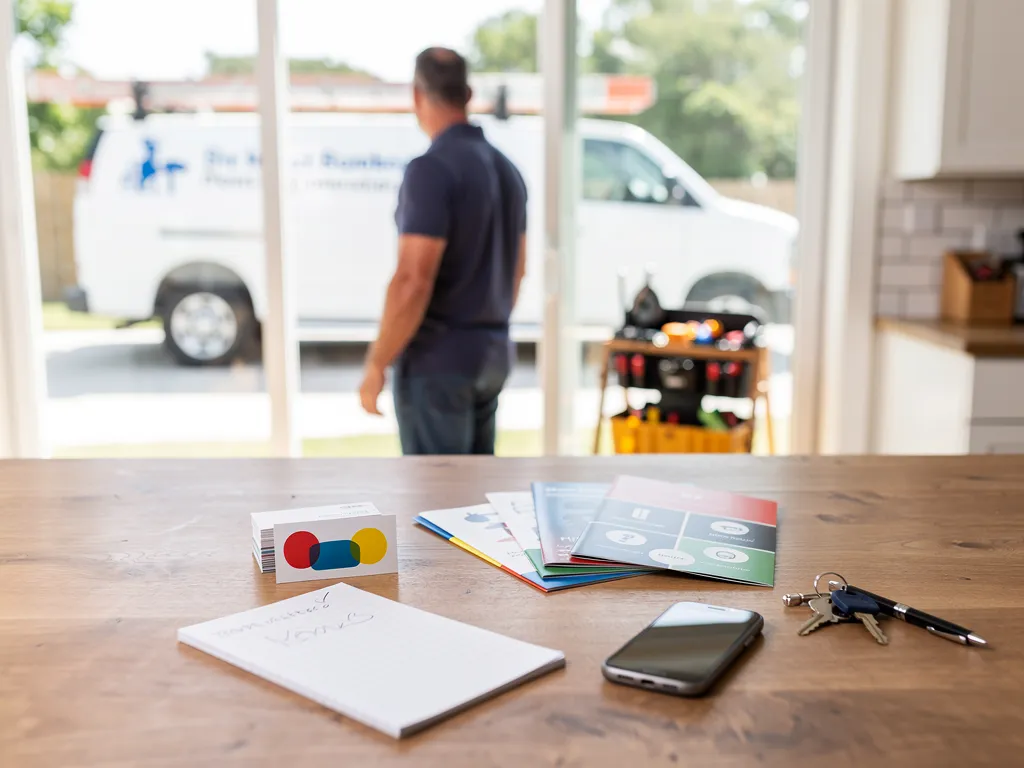
Local search results and referrals are a starting point, but a few extra steps can confirm whether a company is actually qualified before you call.
How Do Local Building Codes and Area-Specific Factors Affect Plumber Selection?
Local conditions matter more than homeowners often expect — a lot of Central Virginia falls outside municipal water and sewer service, which means well pumps, pressure tanks, and septic systems come up far more often than they would in a typical suburb. A plumber with real experience across both well-water and municipal-service homes, which is common across Wet Spot Plumbing’s Mineral, Lake Anna, and broader Central Virginia service area, is generally better positioned than one who mostly works in one type of setting.
What Resources and Tools Can Help Me Locate Qualified Plumbers Near Me?
Virginia’s Department of Professional and Occupational Regulation maintains a public license lookup, which is one of the fastest ways to confirm a plumber’s license is real and current. Beyond that, review platforms, the Better Business Bureau, and direct referrals from neighbors are all reasonable ways to narrow down options before making a call.
Trying to figure out who to call for a plumbing problem in Mineral, Lake Anna, Montpelier, Short Pump, or elsewhere in Central Virginia? Wet Spot Plumbing’s licensed Master Plumbers are available 24/7 at (540) 500-1272, with a written estimate before any work begins.