Simple Tips for Cleaning Clogged Drains: Effective DIY Methods and Professional Guidance in Central Virginia
A clogged drain is one of the most common plumbing problems homeowners run into, and most of the time it can be cleared with a few simple, safe methods before it turns into something bigger. Wet Spot Plumbing serves homeowners dealing with a clogged drain in Central Virginia, including Mineral, Lake Anna, Montpelier, Short Pump, and the surrounding area, and this guide covers what causes drains to clog, how to unclog a drain using DIY methods that actually work, how to prevent the next one, and when it’s time to call a professional instead.
Key Takeaways
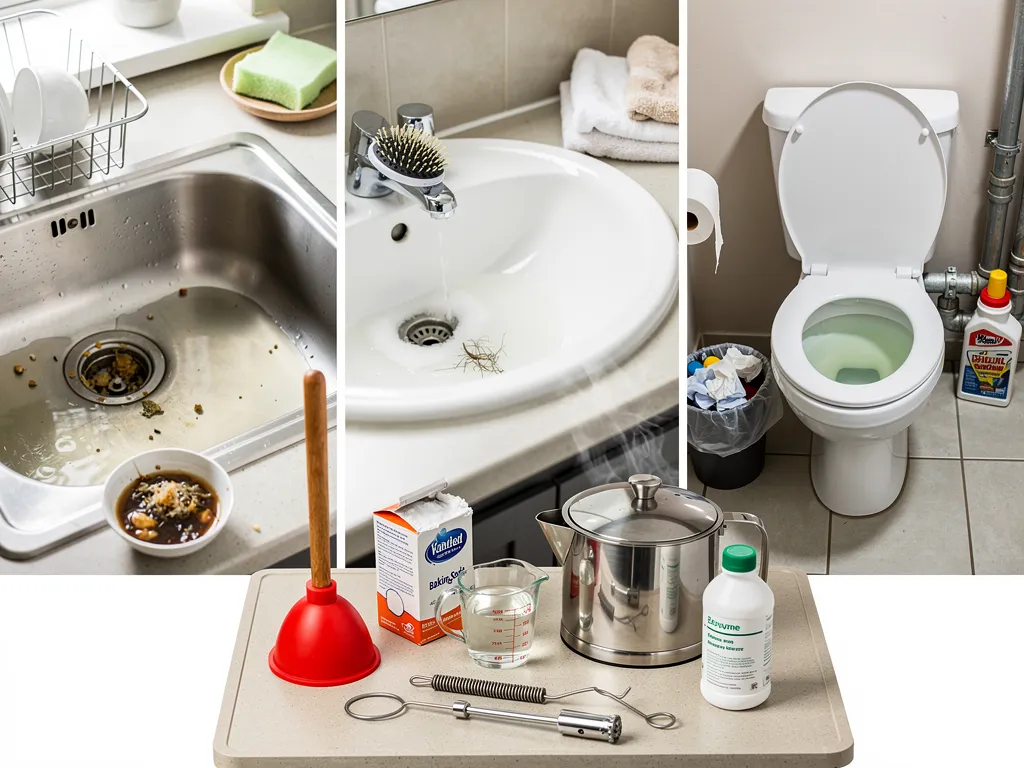
Kitchen, bathroom, and toilet drains clog for different reasons: grease and food debris, hair and soap scum, and wipes or foreign objects, respectively.
A plunger, baking soda and vinegar, or boiling water can clear many minor to moderate clogs without any special tools.
Chemical drain cleaners can damage older pipes and are worth using sparingly, if at all, compared to mechanical or enzyme-based options.
A slow drain that’s getting worse, or one that comes back repeatedly after clearing it, is usually a sign of a deeper blockage that needs professional attention.
Regular, simple maintenance habits go a long way toward preventing most clogs before they start.
Wet Spot Plumbing offers professional drain cleaning, including hydro jetting, for clogs that DIY methods can’t resolve.
Kitchen, bathroom, and toilet drains clog for different reasons: grease and food debris, hair and soap scum, and wipes or foreign objects, respectively.
A plunger, baking soda and vinegar, or boiling water can clear many minor to moderate clogs without any special tools.
Chemical drain cleaners can damage older pipes and are worth using sparingly, if at all, compared to mechanical or enzyme-based options.
A slow drain that’s getting worse, or one that comes back repeatedly after clearing it, is usually a sign of a deeper blockage that needs professional attention.
Regular, simple maintenance habits go a long way toward preventing most clogs before they start.
Wet Spot Plumbing offers professional drain cleaning, including hydro jetting, for clogs that DIY methods can’t resolve.
What Are the Common Causes and Symptoms of Clogged Drains?
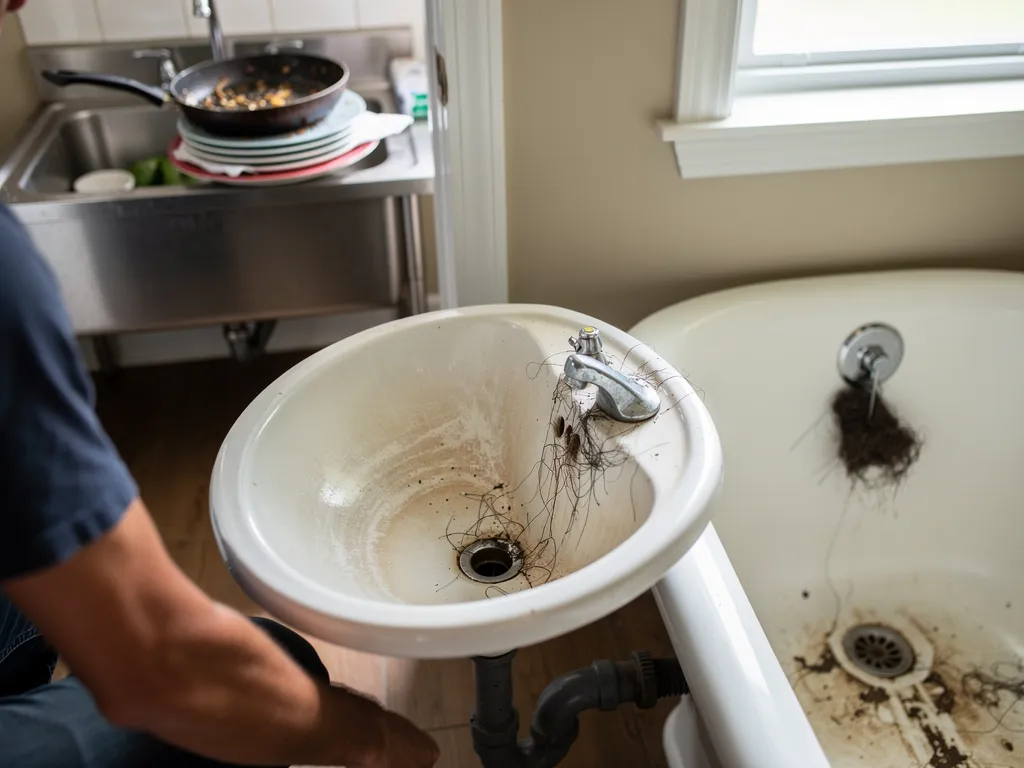
Most clogs build up gradually from whatever regularly goes down a specific drain, whether that’s grease, hair, or paper products, rather than happening all at once.
What Typically Causes Kitchen, Bathroom, and Toilet Drain Blockages?
Kitchen sink clogs are usually caused by grease, oil, and food debris that solidify inside the pipe over time. Bathroom sink and shower drains typically clog from a buildup of hair combined with soap scum. Toilets most often clog from too much toilet paper at once, or from wipes, feminine hygiene products, or other items that aren’t actually meant to be flushed, even when labeled “flushable.”
How Can You Identify the Signs of a Slow or Severely Clogged Drain?
Water draining more slowly than usual, a gurgling sound from the drain or a nearby fixture, or a bad odor coming from the drain are all early signs of a building clog. A severely clogged drain will typically stop draining almost entirely, or cause water to back up into a different fixture, like a shower backing up when the washing machine runs.
How Do Simple DIY Methods Help in Cleaning Clogged Drains?
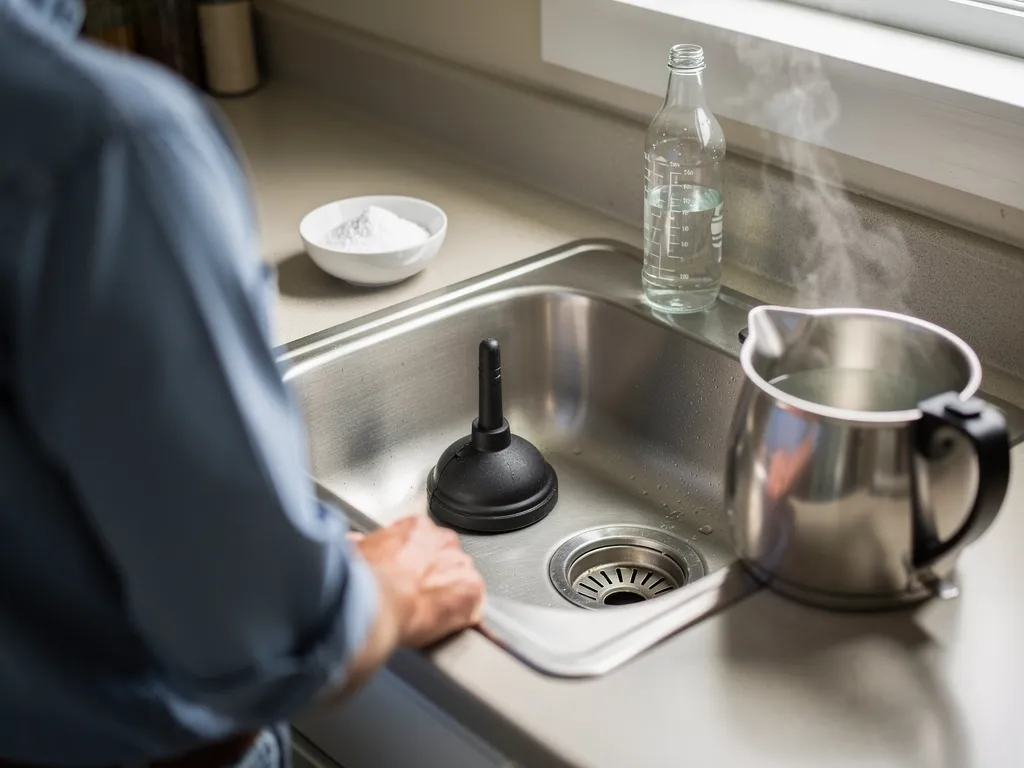
For a minor to moderate clog, a plunger, baking soda and vinegar, or boiling water can often clear the blockage without needing any special tools or chemicals.
How to Use a Plunger Effectively to Clear Different Types of Drains?
A cup plunger works well for flat-surfaced drains like a sink or shower, while a flange plunger (with an extra fold at the bottom) is designed for toilets and creates a better seal. For any drain, make sure there’s enough water in the basin to cover the plunger’s cup, and push down slowly before pulling up sharply to create suction, repeating several times before checking if the clog has cleared.
How Does the Baking Soda and Vinegar Method Work to Unclog Drains?
Pouring about half a cup of baking soda down the drain, followed by half a cup of vinegar, creates a fizzing chemical reaction that can help break up minor buildup, particularly grease and soap scum. Covering the drain for 10 to 15 minutes while it fizzes, then flushing with hot water, is the typical process. This method works best on minor clogs and buildup rather than a fully blocked drain.
Can Boiling Water or Enzyme Cleaners Safely Clear Drain Blockages?
Boiling water poured directly down a drain can help dissolve grease-based clogs, though it should be used with caution on PVC pipes, which can be damaged by very high heat. Enzyme-based drain cleaners use bacteria or enzymes to slowly break down organic material like hair and grease, and are generally considered safer for pipes than harsh chemical cleaners, though they work more slowly and are better suited to regular maintenance than a fully blocked drain that needs to clear right away.
How to Unclog Different Drain Locations: Kitchen Sink, Bathroom Sink, Shower, and Toilet?
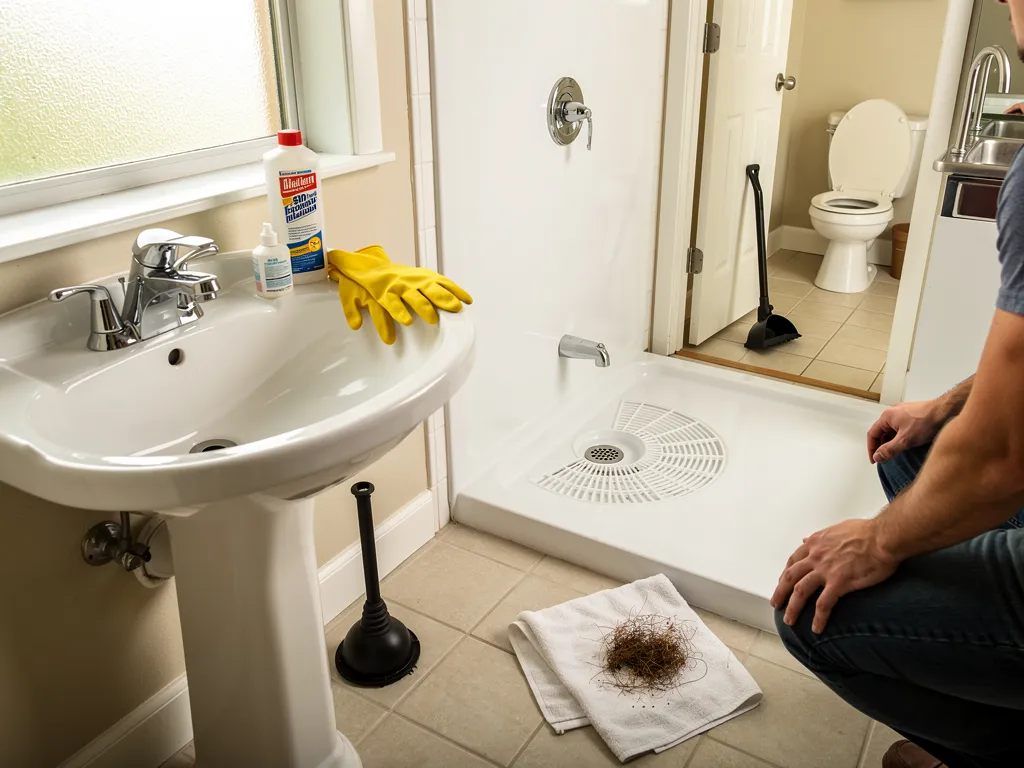
Each type of drain tends to clog with a different kind of material, so the most effective approach varies depending on which fixture is affected.
What Are the Best Tips to Unclog a Kitchen Sink Drain Blocked by Grease and Food Debris?
Boiling water combined with baking soda and vinegar is often effective on a grease-based kitchen clog, since heat helps break down solidified grease. A plunger can also help push through a blockage. Going forward, letting grease harden in a container for the trash, rather than pouring it down the drain, prevents the same clog from forming again.
How to Remove Hair and Soap Scum From Bathroom and Shower Drains?
A drain stopper can often be removed to physically pull out visible hair clogs by hand or with a straightened wire hanger. For buildup further down the pipe, a plunger or an enzyme cleaner used regularly can help keep hair and soap scum from accumulating into a full blockage.
What Are Safe Ways to Unclog a Toilet Stopped Up by Foreign Objects or Wipes?
A flange plunger is the first and safest option for most toilet clogs. If plunging doesn’t work and a foreign object is suspected, a toilet auger (a flexible cable tool designed specifically for toilets) can reach further into the trap without scratching the porcelain. Wipes, even ones labeled “flushable,” are one of the most common causes of stubborn toilet and sewer line clogs, since they don’t break down the way toilet paper does.
What Are the Best Prevention Tips to Avoid Future Drain Clogs?
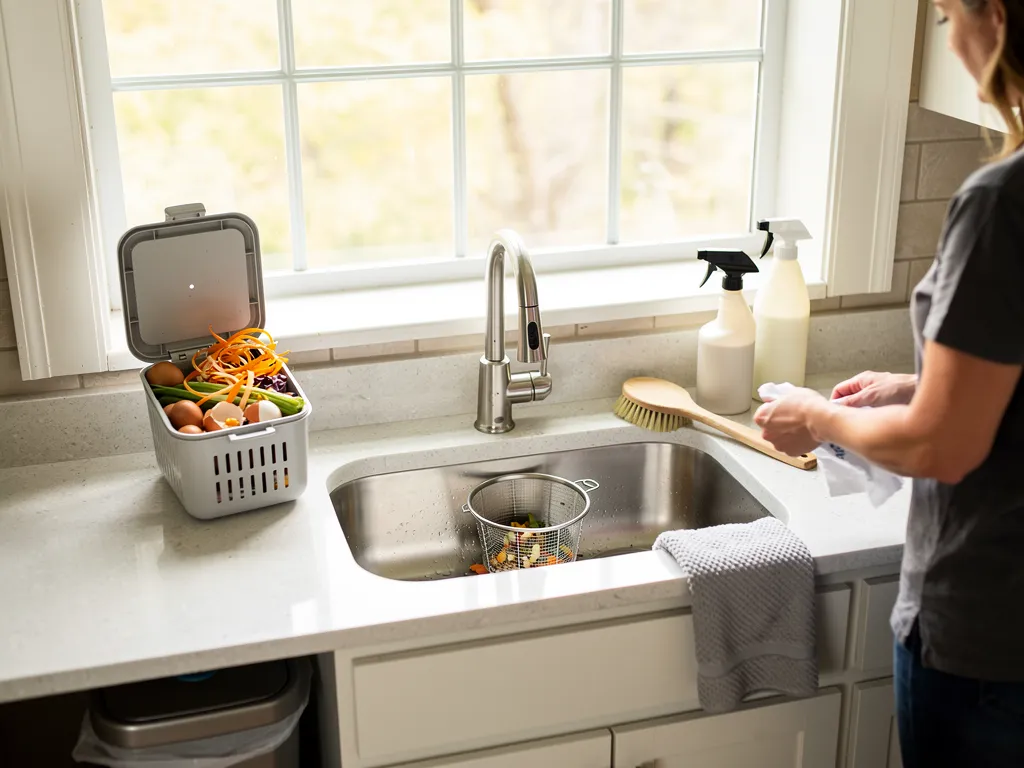
Most drain clogs are preventable with a few consistent habits around what goes down each drain and how often it gets cleaned.
How Can You Prevent Kitchen Sink Clogs From Grease and Food Waste?
Scraping food scraps into the trash before washing dishes, and never pouring grease or cooking oil down the drain, prevents the majority of kitchen sink clogs. A sink strainer catches smaller food particles before they have a chance to build up in the pipe.
What Measures Help Stop Hair and Soap Buildup in Bathroom Drains?
A mesh drain cover in the shower or tub catches hair before it goes down the drain, and is one of the simplest, cheapest ways to prevent this specific type of clog. Periodically removing and cleaning the drain stopper also helps, since hair tends to wrap around it even with a cover in place.
How Often Should You Perform Regular Drain Maintenance?
A general industry recommendation is running hot water down drains weekly and doing a baking soda and vinegar treatment monthly as routine maintenance, more often in a kitchen sink that sees regular grease and food debris. Homes on well and septic systems, more common in rural parts of Central Virginia like Montpelier, may benefit from being especially consistent about this, since septic systems are more sensitive to what goes down the drain than a municipal sewer connection.
When Should You Call a Professional Plumber for Clogged Drains in Montpelier and Short Pump?
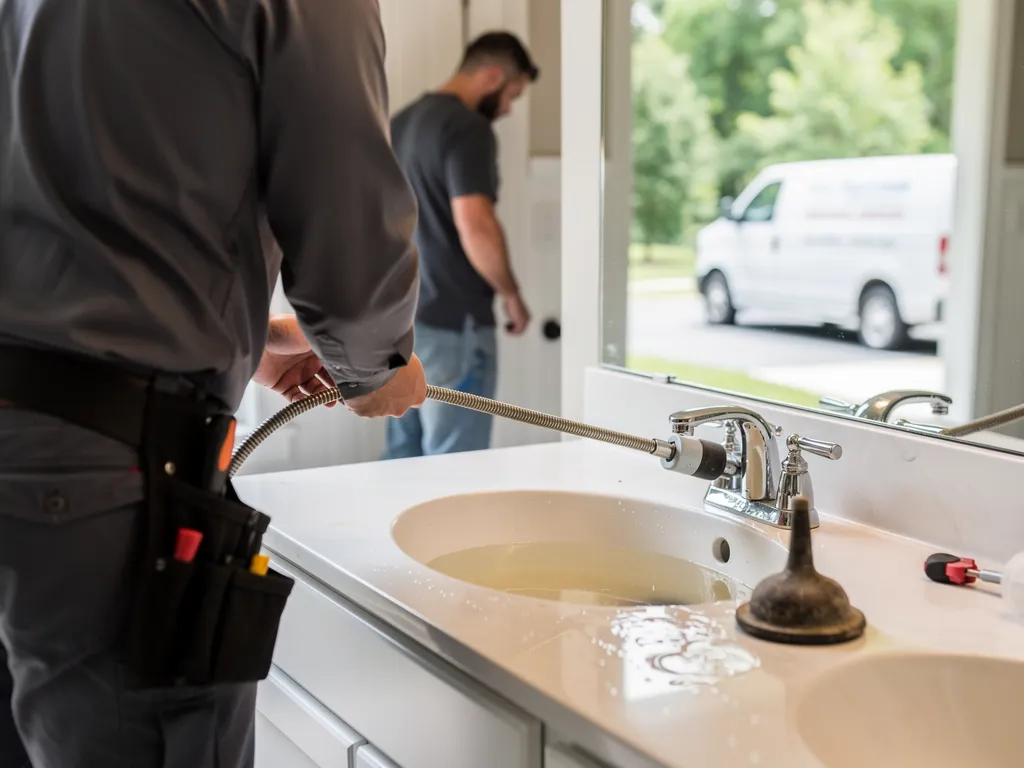
A clog that won’t clear with a plunger or basic home remedies, or one that keeps coming back, usually means the blockage is either deeper in the line or more severe than DIY methods can handle, whether the home is in Montpelier, Short Pump, or anywhere else in Central Virginia.
What Signs Indicate That a Drain Clog Requires Expert Assistance?
Multiple drains clogging at the same time, a clog that returns within days of clearing it, or gurgling sounds from other fixtures when one drain is used all point toward a problem in the main line rather than a single fixture. A sewage smell or standing water near a floor drain are signs to call a professional right away rather than continuing to try DIY methods.
What Professional Drain Cleaning Services Are Available and When to Use Them?
Wet Spot Plumbing offers professional drain cleaning using a drain snake or rooter service for standard clogs, and hydro jetting for tougher buildups like grease, mineral scale, or root intrusion that a snake can’t fully clear. A professional visit also includes diagnosing whether the clog is an isolated issue or a sign of a larger problem in the line. Reach the team at (540) 500-1272 to schedule a look.
Which Tools and Products Are Recommended for Clearing and Maintaining Drains?
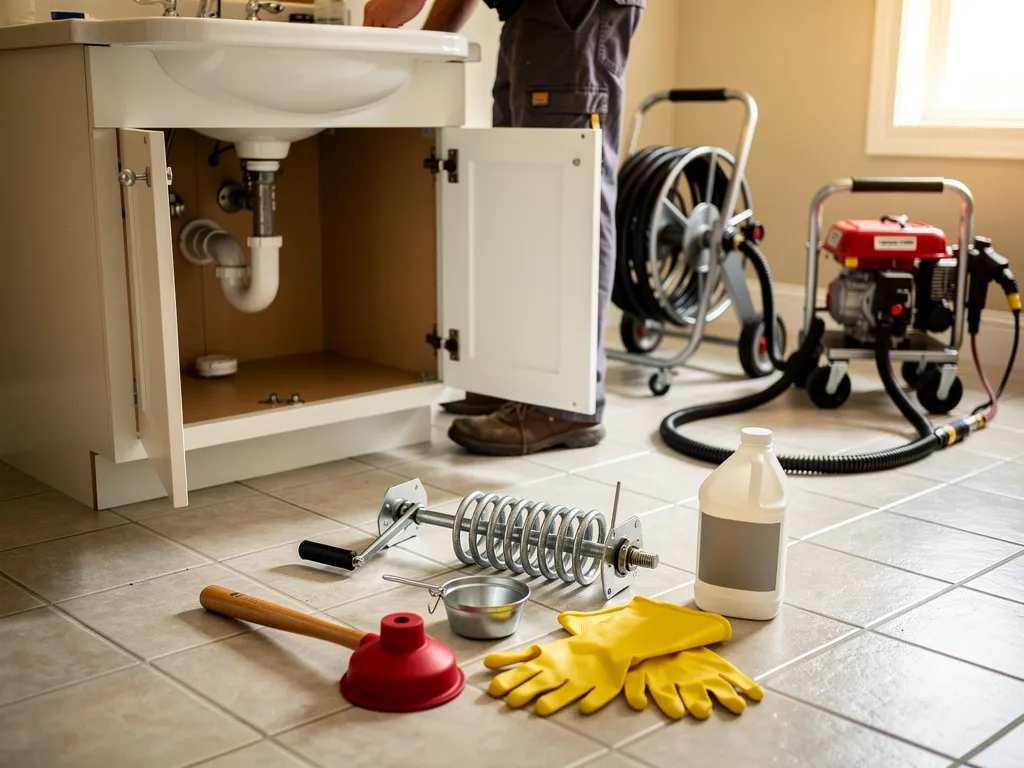
The right tool depends on the type and severity of the clog, ranging from a basic plunger for everyday use to a professional-grade auger or hydro jetting equipment for tougher blockages.
What Are the Advantages and Proper Uses of Drain Snakes and Augers?
A drain snake or auger is a flexible cable that physically reaches into the pipe to break up or pull out a clog that a plunger can’t clear. It’s more effective on solid blockages, like a buildup of hair or a lodged object, than on the kind of grease-based clog that responds better to heat or an enzyme cleaner. A hand-crank drain snake is available for home use, though a motorized version and the training to use it safely are generally reserved for professional service.
How Do Chemical and Enzyme Drain Cleaners Compare for Safety and Effectiveness?
Chemical drain cleaners work quickly by using caustic ingredients to dissolve clogs, but that same chemical reaction can generate heat that warps older PVC pipes or corrodes metal ones over time, and the fumes and residue can be hazardous to handle. Enzyme-based cleaners work more slowly, using bacteria or enzymes to break down organic material, but are generally considered gentler on pipes and safer to use regularly as part of routine maintenance rather than as a one-time fix for a severe clog.
Wet Spot Plumbing brings hands-on drain cleaning expertise, including hydro jetting for the toughest clogs, to homeowners across Mineral, Lake Anna, Montpelier, Short Pump, and the rest of Central Virginia. When a DIY method isn’t cutting it, call (540) 500-1272 and the team is ready to help clear the clog for good.