Burst Pipe Repair in Central Virginia | Wet Spot Plumbing
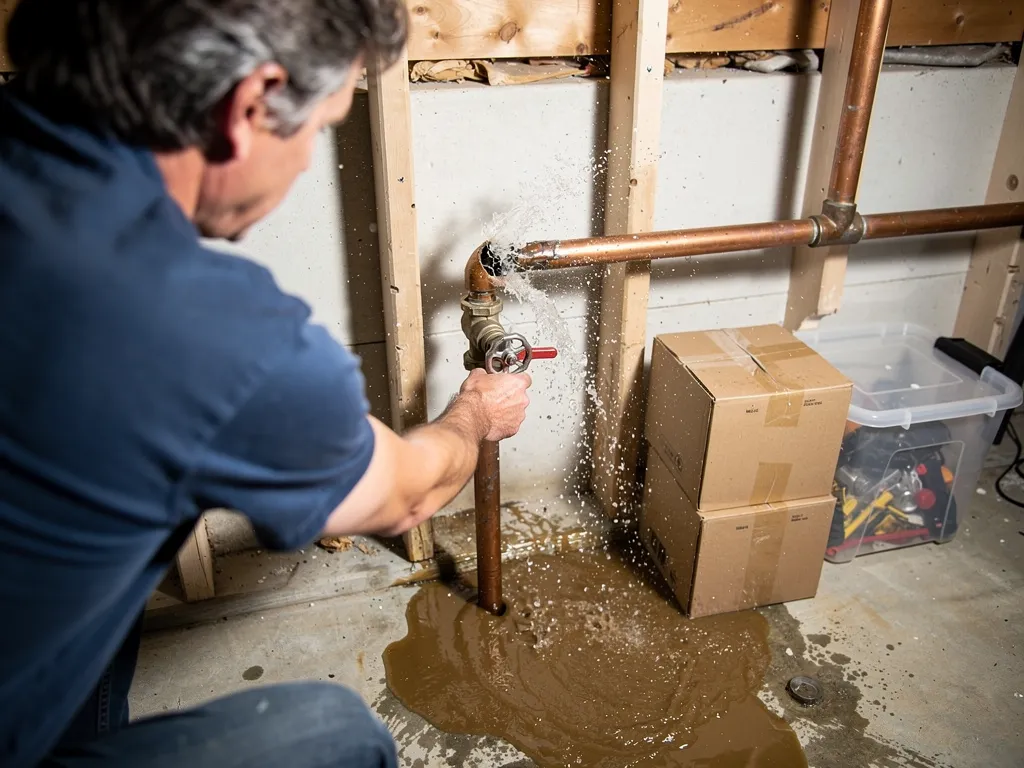
A burst pipe calls for shutting off the main water valve immediately, then calling an emergency plumber, since every minute the water keeps running adds to the damage. We provide emergency burst pipe repair for homes across Mineral, Louisa, Lake Anna, and the rest of Central Virginia, and the region’s winters and soil conditions both play a real role in why burst pipes happen here as often as they do.
What Should You Do Immediately When a Pipe Bursts in Central Virginia?
The first move after discovering a burst pipe is always the same, regardless of what caused it.
How to Shut Off Your Main Water Valve Quickly and Safely
Locating the main shutoff valve ahead of time, rather than during an actual emergency, saves critical minutes. Once found, turning it fully closed stops water flow to the entire home, which limits the damage far more than anything else done in those first few minutes. Staying clear of any pooling water near outlets or electrical panels is also important while water is present.
When to Call an Emergency Plumber vs. DIY Fixes
A burst pipe itself isn’t a DIY repair, since it almost always requires cutting out and replacing the damaged section with proper materials and fittings. What a homeowner can safely do is shut off the water, contain what’s already out with towels or buckets, and move valuables out of the way, then call (540) 500-1272 for the actual repair.
How Do Central Virginia’s Climate and Soil Conditions Cause Burst Pipes?
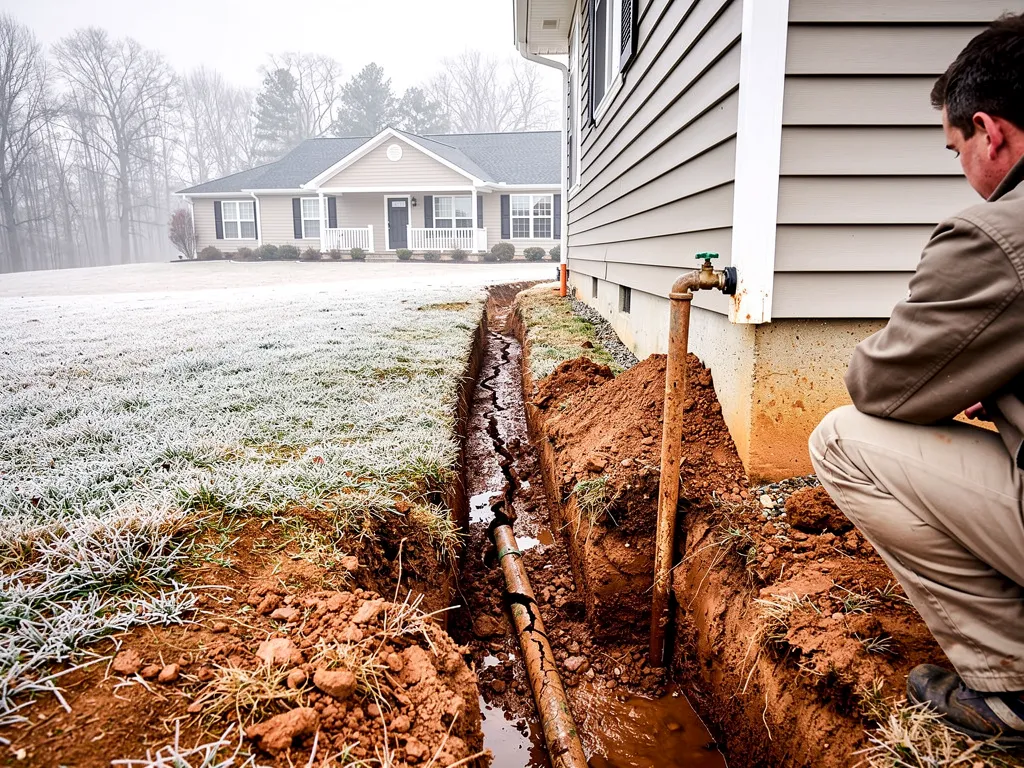
Two regional factors show up again and again behind burst pipes in this part of Virginia: winter freezing and the area’s clay-heavy soil.
Why Does Freezing Water Expand and Burst Pipes?
Water expands by roughly 9 percent as it freezes, and that expansion inside a pipe creates pressure the pipe material isn’t built to handle, often splitting it from the inside even before the ice itself blocks any flow. Exposed pipes in crawlspaces, attics, and along exterior walls are the most vulnerable, since they’re the least protected from a hard freeze.
What Impact Does Clay Soil Expansion Have on Underground Pipes?
Much of the Central Virginia Piedmont, the broader region stretching from around Richmond through Charlottesville and out toward Lake Anna and Fredericksburg, sits on clay-heavy soil that expands when wet and contracts as it dries. That repeated movement puts stress on buried water and sewer lines over time, which can eventually lead to cracks or joint failures well below the surface, separate from anything related to freezing.
What Are the Unique Plumbing Risks in Richmond, Charlottesville, and Surrounding Areas?
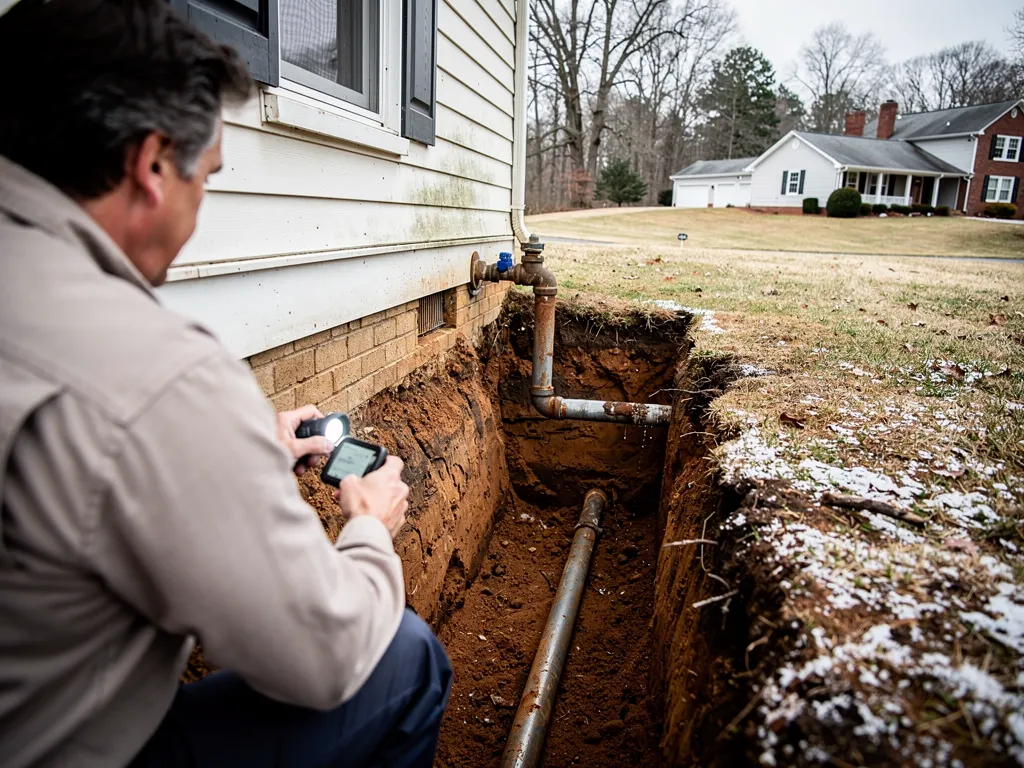
The clay soil and seasonal freeze-thaw cycles common across this broader region create similar underlying risk factors for a lot of Central Virginia, whether a home sits closer to Richmond, Charlottesville, or out toward Lake Anna. Within our own service area, Mineral, Louisa, Lake Anna, Spotsylvania, Fredericksburg, and the surrounding towns, these same regional risk factors show up alongside a lot of older housing stock, which adds pipe material age into the mix.
How Do Aging Galvanized Steel and Cast Iron Pipes Increase Burst Risks?
Homes built before plastic and copper piping became standard often used galvanized steel or cast iron, both of which corrode internally over time. That corrosion narrows the pipe’s interior and weakens its walls, making an older galvanized or cast iron line meaningfully more likely to fail than a newer copper or PEX line carrying the same water pressure.
Which Neighborhoods Are Most Prone to Burst Pipes in Central Virginia?
Rather than specific neighborhoods, the real pattern is about housing age and exposure. Older homes with original galvanized or cast iron plumbing, homes with pipe runs through unheated crawlspaces or attics, and properties with limited pipe insulation all carry a higher risk, regardless of which town or neighborhood they’re in.
How Can You Prevent Burst Pipes During Harsh Central Virginia Winters?
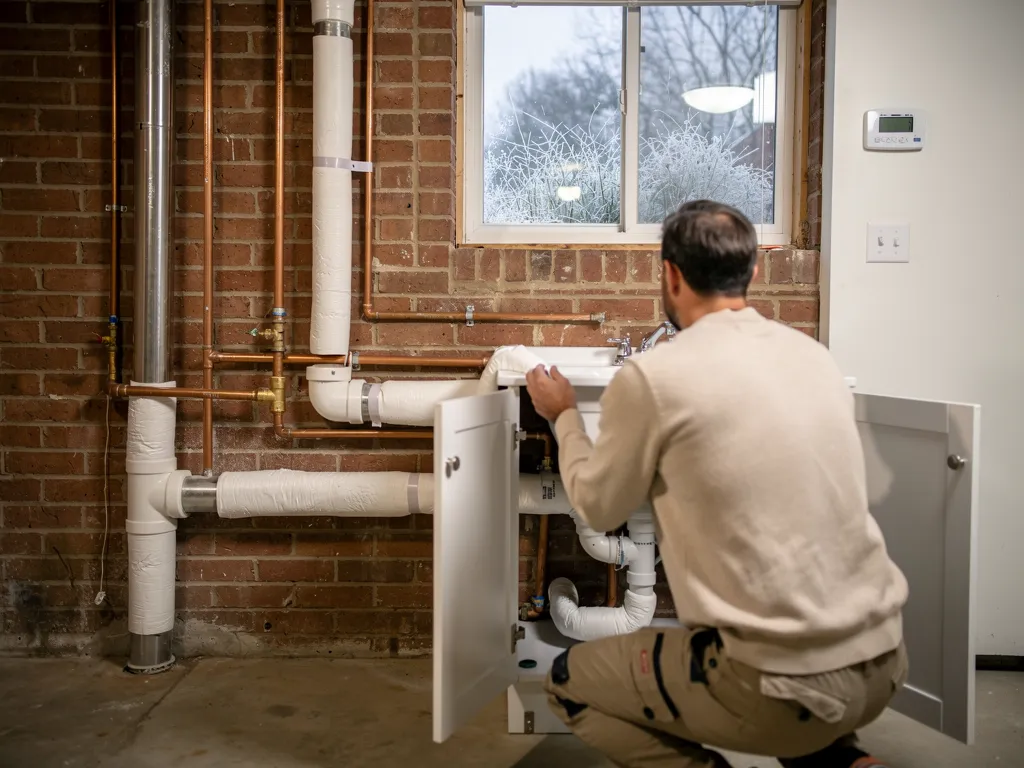
Most winter burst pipes are preventable with a few basic habits before the cold weather actually hits.
What Are the Best Pipe Insulation Techniques for Central Virginia Homes?
Foam pipe insulation sleeves on any exposed line in a crawlspace, attic, or exterior wall are the simplest and most effective prevention step. Sealing drafts around pipe penetrations in exterior walls and keeping cabinet doors open near exterior-wall plumbing during a hard freeze both help keep those lines above freezing without any major work.
How Do Smart Leak Detectors and Automatic Shut-Off Valves Protect Your Plumbing?
A smart leak detector monitors for unexpected water flow or moisture and can alert a homeowner before a slow leak turns into serious damage, while an automatic shut-off valve can cut water to the home the moment it detects a problem, even if no one’s there to do it manually. A plumber can install either as part of a broader plumbing upgrade for a home that’s dealt with repeat issues or sits empty for stretches at a time.
How Much Does Emergency Burst Pipe Repair Cost in Central Virginia?
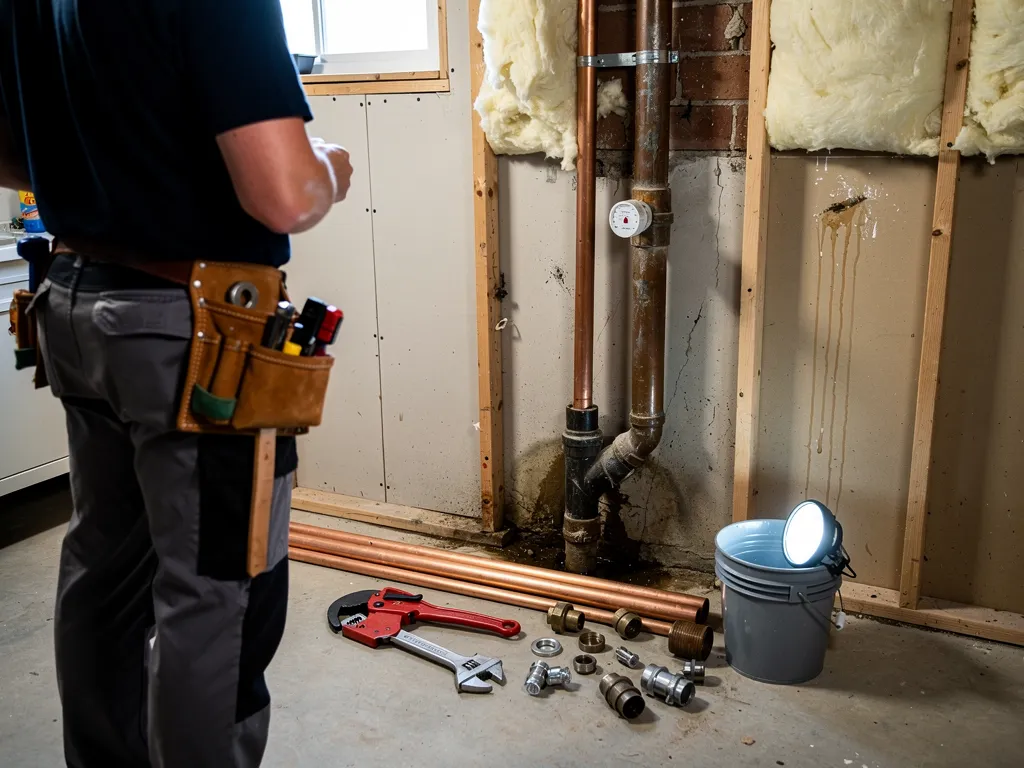
Cost depends on the extent of the damage, how accessible the burst section is, and the materials needed to repair it, which is why a written estimate after an on-site assessment is the only accurate way to answer this for a specific situation.
What Does Transparent Upfront Pricing Include for Emergency Repairs?
A written estimate covers the actual repair work identified during the assessment, so there’s no guessing involved once work begins. We provide that estimate before starting any repair, even on an emergency call, so the scope of work is clear from the start.
Does Homeowner’s Insurance Typically Cover Burst Pipe Damage?
Many homeowners insurance policies cover sudden, accidental water damage from a burst pipe, though coverage varies by policy and can depend on the specific cause. This is general information, not insurance advice, so checking the policy directly or asking the insurer is the only way to know for certain what’s covered in a specific case.
What Are the Best Practices for Post-Burst Pipe Water Damage Cleanup?
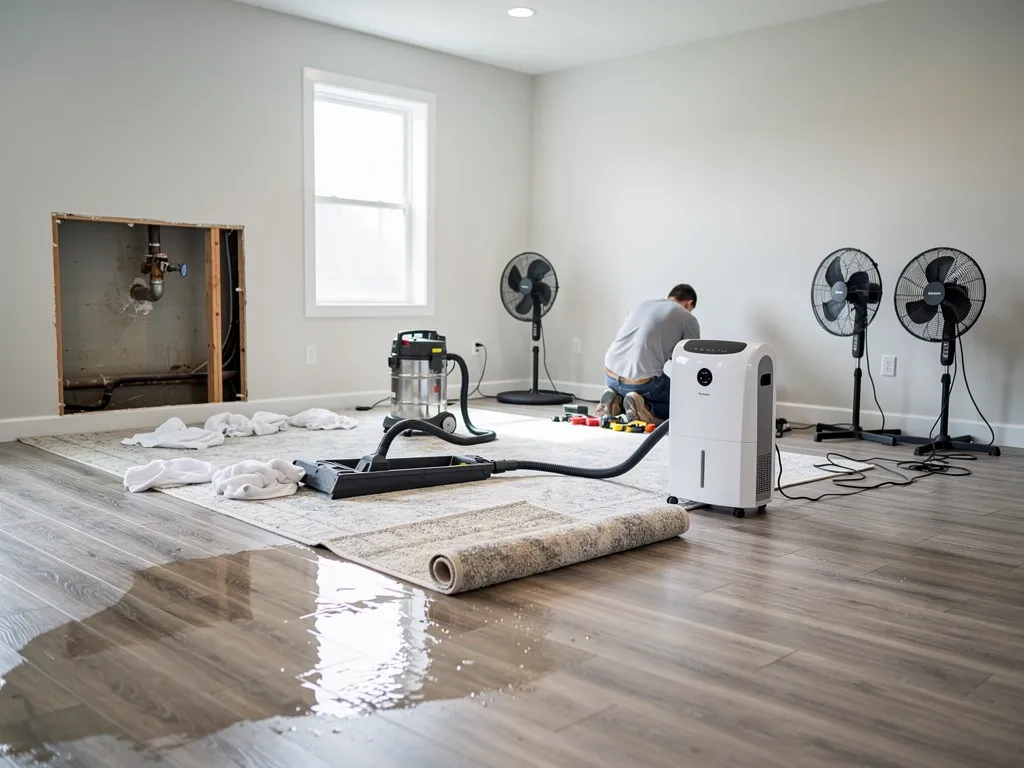
Once the water’s shut off and the pipe itself is being repaired, the cleanup that follows matters just as much for preventing longer-term damage.
How to Perform Emergency Water Extraction and Flood Prevention
Removing standing water as quickly as possible, using a wet vacuum for smaller amounts or a pump for larger volumes, limits how much moisture has a chance to soak into flooring and drywall. Running fans and a dehumidifier afterward helps dry out the affected area and reduces the odds of mold developing in the days that follow. For more on the broader signs that a situation has crossed into emergency territory, our signs you need emergency plumbing guide covers that in more depth, and our full range of services covers what else we handle beyond the emergency itself.
When Should You Contact Property Restoration Specialists After a Burst Pipe?
If water soaked into flooring, drywall, or insulation, or sat for more than a day before being addressed, a water damage restoration specialist can handle structural drying and mold prevention, which is a different trade from the plumbing repair itself. Bringing one in alongside the plumbing repair work is often the right call once damage goes beyond what a wet vacuum and a few fans can handle.
Frequently Asked Questions
What should I do immediately if a pipe bursts? Shut off the main water valve right away to stop the flow, then call a plumber. Avoid contact with any standing water near outlets or electrical panels until the water is addressed.
Why are burst pipes common in Central Virginia winters? Water expands as it freezes, and that expansion can split a pipe from the inside, especially in exposed or poorly insulated areas. Older homes with galvanized steel or cast iron piping are also more vulnerable, since that material weakens with age.
Does homeowners insurance cover burst pipe damage? Many homeowners insurance policies cover sudden, accidental water damage from a burst pipe, though coverage varies by policy and can depend on the cause. This is general information, not insurance advice, so checking the specific policy or asking the insurer directly is the only way to know for certain.
When should I call a water damage restoration specialist after a burst pipe? If water has soaked into flooring, drywall, or insulation, or if standing water sat for more than a day, a restoration specialist can handle structural drying and mold prevention alongside the plumbing repair itself.
No nonsense, just predictable comfort, even when a pipe bursts in the middle of the night. If you’re dealing with a burst pipe in Mineral, Louisa, or the Lake Anna area, call (540) 500-1272 and we’ll get a technician headed your way.