Welcome to Sandy Hook, VA!
Living in our lovely town of Sandy Hook comes with many perks—beautiful landscapes, friendly neighbors, and the whispering winds that greet us every morning. But nestled beneath our feet lies an important aspect of our homes that we often overlook: septic systems. These underground wonders play a vital role in keeping our households running smoothly, and understanding how to maintain them is key to a happy life here!
Why Septic Maintenance Matters
Think about it: without a properly functioning septic system, things can get messy faster than you can say “whoops!” From simple tasks like knowing when to pump your tank, to understanding what can and can’t be flushed, taking care of your septic system means you can enjoy a clean and efficient home or business. Our goal today? To arm you with the knowledge you need to keep your septic system in tip-top shape so you can focus less on worries and more on enjoying all that Sandy Hook has to offer!
Getting Started
In this comprehensive guide, we’ll walk you through the essentials of septic system maintenance. Whether you’re a long-time resident or a newcomer to Sandy Hook, these tips will help ensure that your system lasts as long as your love for our beautiful town. Ready to dive in? Let’s get started on this journey to a healthier home and community!
Understanding Your Septic System: Learn the Basics
Before we delve deeper into the nuts and bolts of septic system maintenance, it’s essential to understand the inner workings of this crucial component of your home. At its core, a septic system is designed to process and treat wastewater from your household. The mechanics might seem daunting, but trust us, it’s simpler than you think!
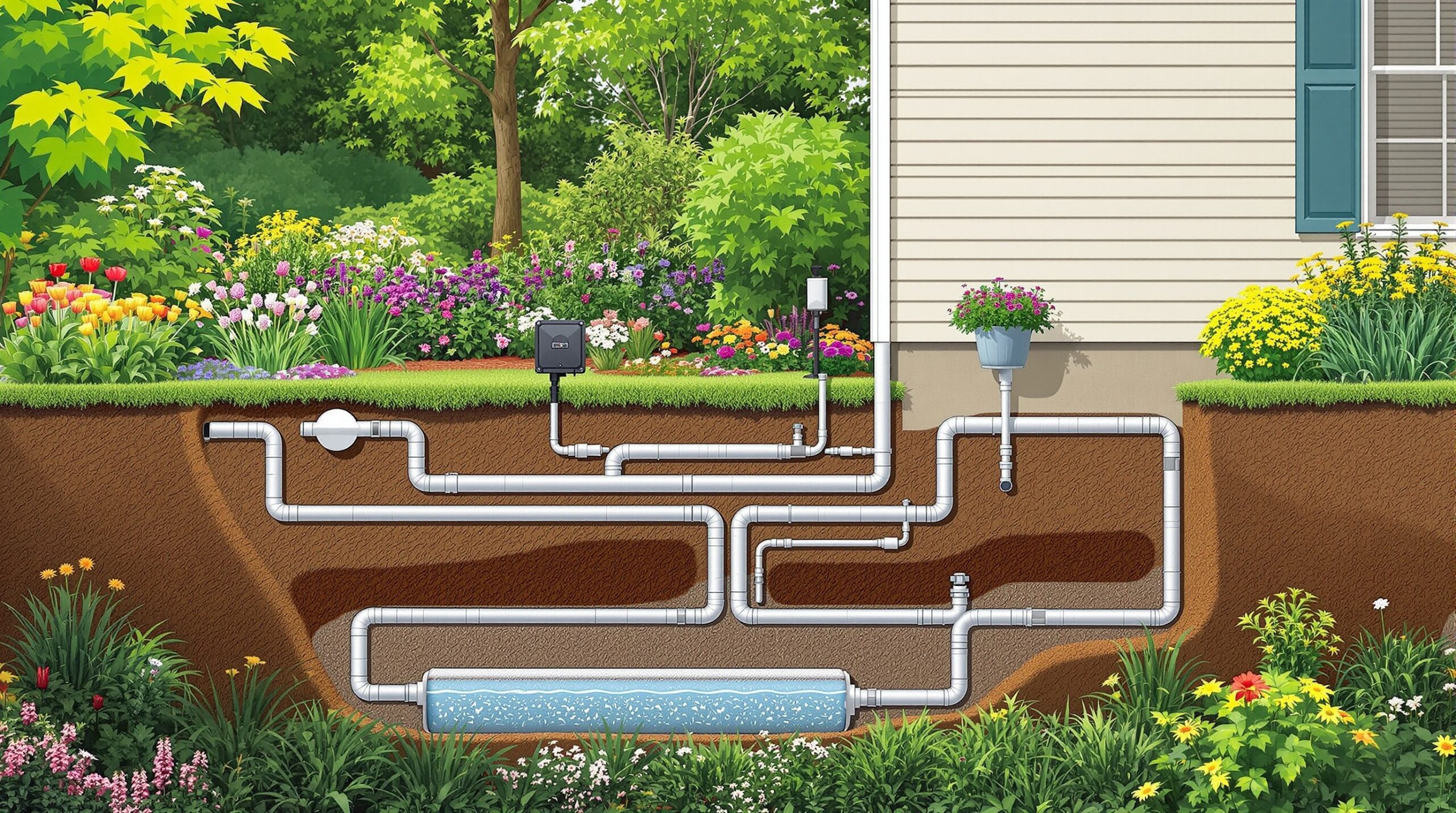
A typical septic system consists of a septic tank and a drainage field. Wastewater from your home flows into the septic tank, where the solids settle to the bottom, forming sludge, while the lighter materials float to the top, creating a scum layer. Bacteria in the tank work diligently to break down the solids. Meanwhile, the effluent, which is the liquid waste that leaves the tank, flows into the drainage field. Here, it is further treated as it percolates through the soil, eventually being absorbed naturally.
Key Components of a Septic System
To better appreciate how your septic system operates, let’s break down its essential components:
| Component | Function |
|---|---|
| Septic Tank | Holds wastewater, allowing solids to settle, and facilitating bacterial action. |
| Drainage Field | Distributes effluent into the ground, where it is naturally filtered and treated. |
| Inlet Pipe | Connects your home’s plumbing to the septic tank, directing wastewater flow. |
| Outlet Pipe | Allows treated effluent to flow from the septic tank to the drainage field. |
| Soil | Acts as a filter for effluent, removing harmful pathogens and nutrients. |
Understanding these components can empower you to better manage your septic system and prevent potential problems down the line. For instance, knowing that your septic tank acts as a primary holding area for waste suggests that regular pumping is crucial to avoid overflows and backups.
Common Signs of Trouble
While a well-maintained septic system can often go unnoticed, a few telltale signs might indicate it’s time to pay closer attention. Keep an eye out for:
- Slow drains or backups in your sinks, showers, or toilets
- An unpleasant odor near the septic tank or in your yard
- Unusually lush patches of grass or vegetation over the drain field
- Pooling water or muddy areas in your yard
If you notice any of these symptoms, don’t wait for a disaster to strike! Early detection can save you time and unnecessary hassle, enabling you to enjoy all that Sandy Hook has to offer with peace of mind.
Now that we’ve laid the foundation for understanding your septic system, we’re primed to explore the importance of routine inspections in our next section. Armed with knowledge, you’re ready to ensure that your home remains a haven in Sandy Hook!
Routine Inspections: A Key to Early Detection of Issues
When it comes to maintaining your septic system, one of the most effective tools at your disposal is regular inspections. Think of these check-ups as a proactive approach to safeguarding one of your home’s most vital systems. Just as your car requires periodic oil changes and tune-ups, your septic system thrives on routine scrutiny. By making inspections part of your regular home maintenance schedule, you can ensure your system operates smoothly, minimize the risk of costly repairs, and protect the environment.
But what does a septic inspection entail, and why is it crucial? During a routine inspection, professionals will assess the components of your system—particularly the septic tank and drainage field. They’ll look for signs of wear, check for sludge buildup, and evaluate the overall functionality of the system. By doing so, they can identify potential issues before they escalate into significant problems.
For instance, if the inspector finds that the tank is nearly full and has not been pumped in a while, they will recommend timely pumping to prevent backups. These preventative measures can significantly extend the life of your septic system. Additionally, inspectors can offer guidance on any minor adjustments or repairs that might be needed, ensuring everything is operating at peak efficiency.
In a region like Sandy Hook, where many households rely on septic systems, early detection can have broader implications beyond individual homes. Regular inspections help to minimize the risk of environmental contamination. A compromised system can lead to wastewater leaking into the surrounding soil and waterways, posing a threat to the local ecosystem. By monitoring your septic system diligently, you contribute to the health of your community and natural environment.
Moreover, remember that the signs of septic system distress can often be subtle. Slow drains, for example, may seem like a minor annoyance at first, but they can signal deeper issues needing immediate attention. Routine inspections can catch these problems early on, preventing them from escalating into serious repairs or system failures. With an expert eye on your septic system, you’ll enjoy peace of mind, knowing that you’re preventing potential headaches down the line.
In short, regular inspections are not merely a recommendation; they are an essential part of responsible septic system ownership. By embracing this proactive approach, you ensure that your system remains a silent, reliable partner in your household, letting you focus on what truly matters—enjoying the beautiful surroundings of Sandy Hook and the comforts of your home.
As we move forward, we’ll explore how effective water use practices can further protect your septic system and enhance its longevity. Stay tuned for practical tips that promote mindful usage while safeguarding your home’s vital infrastructure!
Effective Water Use: How Mindful Usage Protects Your System
With the foundation laid about the importance of routine inspections, it’s time to delve into another equally vital aspect of septic system maintenance—effective water use. Water isn’t just a resource; it is the lifeblood of your septic system. Mindful usage not only ensures your system operates smoothly but also extends its lifespan, reduces the likelihood of malfunctions, and minimizes environmental impact.
Understanding the relationship between your water usage and septic health is paramount. Excessive water can overwhelm your septic tank, leading to improper treatment of wastewater. When too much water enters the system too quickly, it can disrupt the delicate biological processes that break down waste. As a result, solids can escape into the drainage field, potentially causing clogs and backups. Thus, adopting water-conscious habits can safeguard your system’s functionality.
One simple yet effective practice is to distribute water usage throughout the day rather than concentrating it during peak times. For example, instead of running all your laundry on a single day, consider spreading out your wash over the week. This allows your septic system to handle the flow of wastewater more efficiently. Additionally, fixing leaky faucets and toilets can significantly reduce unnecessary water waste, ensuring your system is not burdened with excess liquid.
Equally important is the type of products you use in your home. Many household cleaners, soaps, and personal care items contain harsh chemicals that can disrupt the microscopic organisms within your septic system. These bacteria play a crucial role in breaking down waste effectively. By opting for biodegradable and septic-safe products, you can preserve this microbial ecosystem. Brands that advertise themselves as septic-friendly typically contain milder ingredients that will not harm the sensitive balance within your tank.
But mindful usage doesn’t stop at products; it also extends to your choice of appliances. High-efficiency toilets, showerheads, and dishwashers are designed to use less water without sacrificing performance. By investing in these modern fixtures, you can conserve water and lighten the load on your septic system. Not only do you contribute to the longevity of your system, but you also champion sustainable living practices in your community.
Another aspect of mindful water use is being conscious about the timing of your activities. Avoid washing clothes or running the dishwasher during heavy rain, as saturating the ground can hinder your drainage field’s ability to process water. This simple awareness allows your septic system to work effectively rather than becoming overwhelmed.
In essence, effective water usage is about taking a holistic approach to conservation and mindful practices. By making small yet impactful changes, you’re not only enhancing the longevity of your septic system but also participating in an eco-conscious movement that nurtures the environment around you. Stay tuned as we dive into the next critical area of septic health—Mindful Product Usage: What to Avoid in Your Septic System, where we will discuss the key products and practices to steer clear of in order to keep your system running smoothly!
Mindful Product Usage: What to Avoid in Your Septic System
As we continue our exploration of septic system maintenance, it’s crucial to focus on the products you use in your home. The impact of your everyday choices can have far-reaching consequences on the health and functionality of your septic system. While effective water usage is a critical component, being mindful of the products you introduce into your space is equally important. Understanding what to avoid can make all the difference in maintaining a smoothly functioning sewer system.
The foundation of a healthy septic system lies in the balance of the microorganisms within it. These tiny allies are responsible for breaking down waste, and they are incredibly sensitive to the substances they encounter. Unfortunately, many common household items contain ingredients that can upset this delicate ecosystem. Let’s take a closer look at what to keep out of your septic system to ensure its longevity and performance:
| Category | What to Avoid | Why It Matters |
|---|---|---|
| Chemical Cleaners | Bleach, ammonia, and non-biodegradable cleaners | These harsh agents can kill beneficial bacteria, hampering the breakdown of waste. |
| Personal Care Products | Antibacterial soaps, wipes, and certain cosmetics | Antibacterial components may disrupt the microbial balance necessary for proper waste treatment. |
| Flushable Products | ‘Flushable’ wipes, cotton balls, and feminine hygiene products | Despite their label, many items don’t break down properly, leading to clogs and backups. |
| Food Waste | Grease, fats, and large food particles | These can solidify and create blockages, stalling the treatment process. |
| Pesticides and Chemicals | Garden and lawn chemicals | Chemicals can leach into the groundwater, posing risks to both your system and the environment. |
It’s clear that the products we choose to use can have a profound impact on our septic systems. For instance, when using cleaning products, consider opting for eco-friendly brands or natural alternatives. Vinegar and baking soda can serve as effective cleansers without disrupting the beneficial bacteria in your tank. Similarly, in personal care, look for biodegradable, septic-safe options that promote health rather than hinder it.
Moreover, while the convenience of “flushable” products may be tempting, it’s best to resist the urge to dispose of anything other than human waste and toilet paper in the toilet. This simple rule can save you from the hassle—and expense—of septic backups.
When it comes to food waste, utilizing a composting system can dramatically reduce the load on your septic system, allowing it to function more efficiently. By keeping fats and oils out of your drains and ensuring that food scraps are appropriately disposed of, you’re protecting your tank from blockages that could lead to more severe issues down the line.
Being proactive about what goes into your septic system will not only enhance its efficiency but will also extend its life. The choices you make are important not just for your household but for the environment as a whole. By adopting mindful product usage practices, you contribute to a sustainable future for your community and the planet.
Next, we will explore another crucial area of septic system maintenance: Landscaping Around Septic Systems: Do’s and Don’ts. Stay tuned to learn how to create a harmonious outdoor environment that respects and protects your septic system while enhancing your property’s aesthetics!
Landscaping Around Septic Systems: Do’s and Don’ts
Landscaping may seem like an innocent endeavor, a chance to beautify your outdoor space and increase curb appeal, but when it comes to septic systems, every plant choice and garden design carries significant implications. Proper landscaping can enhance your property while protecting the integrity and functionality of your septic system. This delicate balance requires a bit of knowledge and strategic planning. Here’s what you need to know: the do’s and don’ts of landscaping around septic systems.
Do: Choose Native Plants
Opting for native plants is a smart first step. These hardy flora are adapted to your local climate and soil conditions, requiring minimal water and maintenance. Their root systems are generally shallower, which helps prevent the disruption of your septic system’s underground networks. Additionally, native plants can enhance biodiversity, attracting beneficial insects and creating a naturally balanced ecosystem right in your yard.
Don’t: Plant Trees or Large Shrubs Above the Drain Field
Avoid planting trees or large shrubs directly over septic system components, especially the drain field. The invasive root systems can penetrate the tank or drain lines, potentially leading to blockages and costly repairs. Instead, consider planting smaller, shallow-rooted plants or maintaining a grass cover that won’t interfere with the septic system’s functionality.
Do: Create Defined Paths
Creating pathways and maintaining a clear delineation of the septic area can prevent heavy traffic—particularly from vehicles or heavy garden equipment—that could compact the soil or disturb critical system components. Use gravel, pavers, or stepping stones to create easy-to-navigate paths that keep foot and machinery traffic away from sensitive areas.
Don’t: Use Chemicals or Fertilizers Near the System
When planning your landscaping, be cautious with the use of chemicals and fertilizers in proximity to your septic system. Excess nutrients can seep into the ground and disrupt the delicate microbial ecosystem inside your tank. If fertilization is necessary, aim for organic options and apply them sparingly, taking care to avoid excessive runoff into the system’s vicinity.
Do: Mulch Wisely
Utilizing mulch can help retain soil moisture and support plant growth. However, when selecting mulch, opt for organic materials such as wood chips or straw that decompose over time without introducing chemicals into the soil. This practice builds healthy soil while simultaneously maintaining a protective barrier for your septic system.
Don’t: Construct Hardscapes Over Critical Areas
Building structures like decks, driveways, or patios directly over or adjacent to your septic system components can create significant problems. These hardscapes may restrict access for necessary maintenance and repairs and lead to soil compaction, which can impair drainage. Always consult a professional regarding placement to avoid obstructions to your septic system.
Protecting your septic system is not only about maintaining its performance; it’s also about safeguarding your property and health. Thoughtful landscaping ensures your system can function effectively, preventing malfunctions that could impact your entire household. By following these essential do’s and don’ts, you’ll enhance your landscape, promote eco-friendly practices, and protect your septic investment—all while contributing to the overall beauty of your surroundings.
Embrace these best practices, and your septic system will continue to serve you smoothly in Sandy Hook, VA. A well-planned landscape can harmonize nature with functionality, helping you cultivate both beauty and sustainability in your outdoor environment.
Recognizing Septic System Failure
As homeowners in Sandy Hook, VA, focus on nurturing their landscapes, it’s equally crucial to stay vigilant about the health of one of the most essential yet often overlooked components of their property: the septic system. Failure to recognize the early warning signs of septic failure can lead to costly consequences, both financially and in terms of your health and environmental safety. Understanding these signs can be the difference between a minor issue and a full-blown septic disaster.
Signs of Septic System Failure
- Unpleasant Odors: The most noticeable indicator of septic failure is a foul smell. If you detect sewage odors in your yard or near the drains inside your home, it may suggest a leak or malfunctioning system.
- Pooling Water: Standing water or soggy patches over the drain field can be another warning sign. This pooling indicates that wastewater is not being adequately treated and is rising to the surface.
- Slow Drains: Frequent backups or slow drainage in sinks, toilets, and showers may indicate that your septic system is overwhelmed or blocked.
- Bright Green Grass: An unusual patch of vibrant, green grass over the drain field can signal the presence of excess nutrients from a failing septic system.
- Gurgling Sounds: A gurgling noise from your pipes can signify air trying to escape from a clog or blockage, suggesting that sewage can’t flow freely.
Inspection and Pumping Frequency
Regular inspections and pumping of your septic system are essential for maintaining its health. Generally, it’s advisable to have your septic system inspected at least once every three years. During these inspections, professionals assess the tank, drain field, and other components for any signs of wear or malfunction.
As for pumping, most homeowners should pump their septic tanks every three to five years. However, the frequency may vary based on household size, water usage, and the size of the tank. If you have a larger family or frequently entertain guests, you might find it beneficial to pump your tank more often. Keeping up with these schedules ensures that sludge does not accumulate excessively, which can lead to blockages and system failure.
Household Chemicals and Septic Health
Your choice of household chemicals—especially cleaning products, detergents, and pesticides—can significantly impact the health of your septic system. Many conventional cleaners contain harsh chemicals that can disrupt the delicate balance of bacteria that breaks down waste in your tank.
To safeguard your septic system, consider the following practices:
- Opt for Biodegradable Products: Choose eco-friendly detergents and cleaners that are safe for septic systems. These products break down more easily and are less likely to affect the microbial balance.
- Avoid Excessive Use: Be mindful of how much product you use during cleaning. Overloading your system with excess chemicals can lead to a decline in performance and bacterial activity.
- Limit Flushing of Non-Biodegradables: Items like wipes, dental floss, and feminine hygiene products should never be flushed, as they can cause serious clogs and problems in the septic system.
Being proactive about your septic system is crucial to ensuring it continues to function correctly and safely. Recognizing the signs of failure, adhering to a regular inspection and pumping schedule, and being conscious of household chemicals can make a significant difference in the health and longevity of your system. Your commitment to monitoring and maintaining this vital component will not only protect your home and the environment but will also enhance your overall quality of life.
Protecting Your Septic System: A Healthier Home and Property
As homeowners in Sandy Hook, VA, understanding the significance of your septic system is crucial; it acts as the unseen backbone of your household. Beyond mere practicality, the health of your septic system directly correlates with the safety of your home environment and the surrounding landscape. When you take proactive steps to protect your septic system, you’re not just preserving a vital utility—you’re ensuring the well-being of your family and the integrity of your property.
Understanding the Health Implications
Septic systems are designed to treat wastewater and keep harmful contaminants at bay. However, neglecting the system can lead to serious repercussions, including sewage backups that pose health risks and create unsanitary conditions around your property. Harmful bacteria and pathogens can seep into groundwater, impacting not only your household but potentially affecting neighbors and local wildlife too. By prioritizing septic system care, you actively contribute to protecting not just your property, but your community’s health.
Regular Maintenance is Key
Just like any essential system in your home, regular maintenance is vital for your septic system’s longevity and effectiveness. Scheduling routine inspections by a licensed professional can help catch issues before they escalate. The technician can evaluate system components, recommend necessary pumping, and identify potential problem areas that require immediate attention. This way, you’re taking proactive measures to prevent larger, more burdensome issues down the line.
Be Mindful of Water Use
Water conservation is not only an environmental consideration but a crucial factor in maintaining a healthy septic system. Reducing water usage puts less strain on the system, thereby enhancing its efficiency and longevity. Simple changes, such as fixing leaks, using water-saving fixtures, and spreading laundry cycles throughout the week, can make a significant difference. Every drop saved is a step toward preserving the life of your septic system and the health of your household.
Educate Your Family
Ensuring that your family understands the importance of proper septic system care is vital. Create awareness around what can and cannot be flushed or poured down the drain. This knowledge is instrumental in preventing clogs and damages, thereby preserving the system’s functionality. Make it a family affair: discuss the best practices and why they matter, instilling the importance of these habits early on.
Engage with Local Experts
Being part of a community like Sandy Hook means access to local resources and expertise. Engage with local septic professionals for insights tailored to your region’s specific environmental conditions. They can offer recommendations on maintaining your system effectively, including updates on local regulations or available resources that can help nurture your landscape while also respecting and protecting your septic infrastructure.
Ultimately, by taking an active role in maintaining your septic system, you safeguard your property, promote a healthy environment, and reflect an understanding of responsible homeownership. Protecting your septic system means embracing a holistic approach to home care, where the health of your system directly influences the enjoyment of your living space. With a commitment to these best practices, you ensure that your septic system remains a reliable asset for years to come, seamlessly serving your household in Sandy Hook, VA.