Why Eco-Friendly Plumbing Matters in Montpelier, VA
Have you ever thought about how our daily activities affect the environment? From brushing our teeth to taking showers, we all use water in ways that can either help or hurt our planet. If you live in Montpelier, VA, making eco-friendly choices in your home can have a big impact. That’s where eco-friendly plumbing comes into play!
Preserving Nature Right at Home
Imagine waking up every morning knowing that your home is not just a cozy place to live, but also a part of the solution to help our Earth. Eco-friendly plumbing means using systems that save water and energy, making sure that the beautiful landscapes of Montpelier stay vibrant and healthy for future generations.
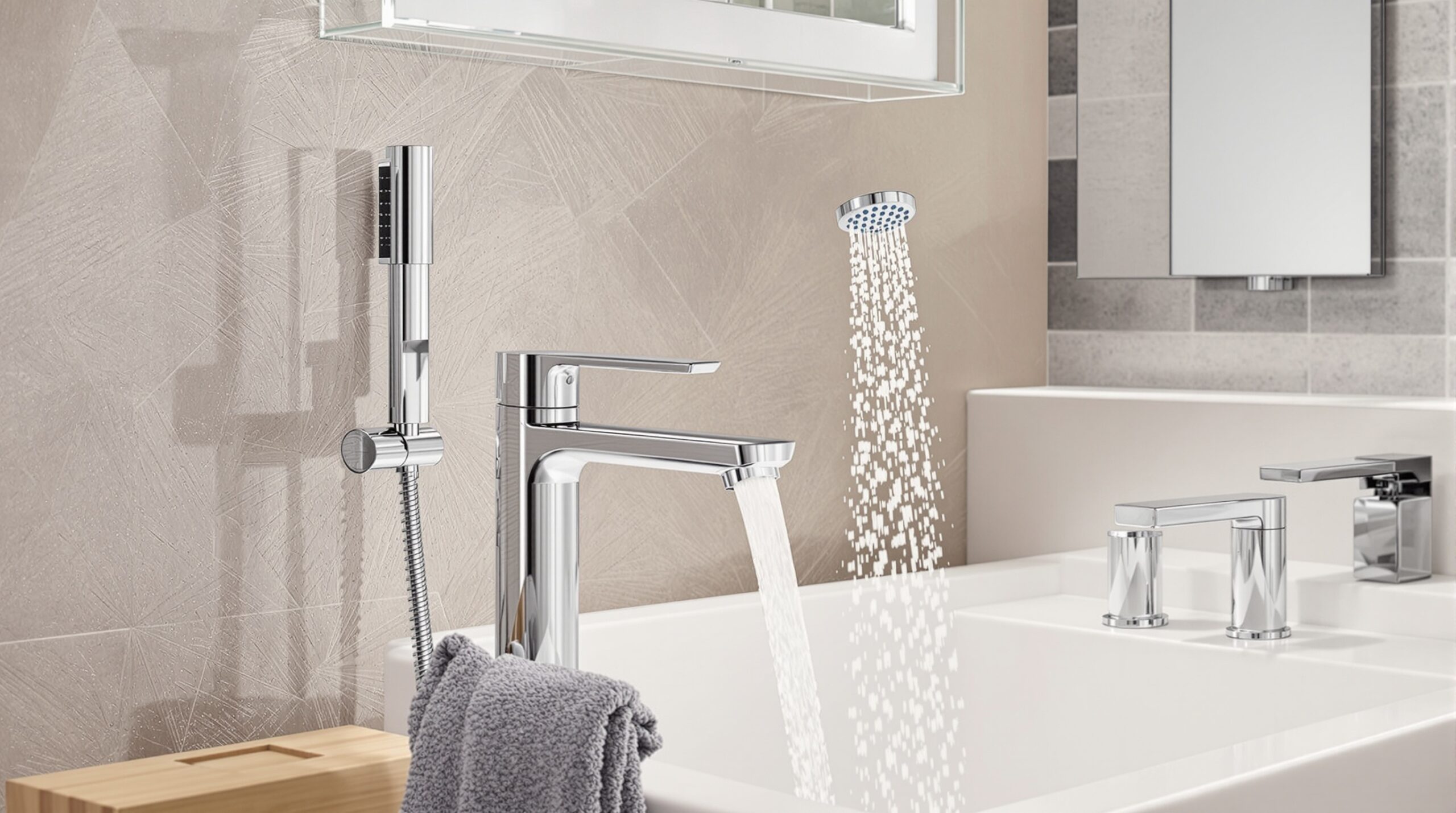
Water is a precious resource, and when we waste it, we risk running low on this essential element. Eco-friendly plumbing fixtures, like low-flow toilets and water-efficient faucets, are designed to use less water without sacrificing performance. It’s like giving your home a superhero cape that helps save water while keeping your daily routines running smoothly!
More Than Just Savings
But it’s not just about saving water. Eco-friendly plumbing can also protect the health of our local waterways. When we reduce water waste, we lessen the burden on our treatment plants and diminish harmful runoff. This means cleaner rivers and streams that not only look beautiful but also support local wildlife. Think of it as a way to give back to nature while enjoying all the comforts of home.
As we dive deeper into the world of eco-friendly plumbing, remember that small changes can lead to big results. Whether you’re updating your home or simply looking to improve your daily habits, you’ll soon discover that going green can be rewarding in more ways than one!
Innovative Low-Flow Fixtures for Water Conservation
As we all strive to adopt more sustainable practices in our homes, innovative low-flow fixtures are taking center stage as essential components of modern eco-friendly plumbing. These fixtures are engineered to significantly reduce the amount of water we use daily without compromising comfort or efficiency. It’s amazing to think how small, thoughtful changes can lead to tremendous benefits for our environment.
Consider the revolutionary impact of low-flow toilets, showerheads, and faucets. Traditional fixtures often use excessive amounts of water, but advancements in design and technology have birthed low-flow alternatives that work wonders. For instance, a low-flow toilet can use as little as 1.28 gallons per flush, compared to the standard 3.5 gallons or more. This not only conserves water but also helps you make a positive impact on local water sources right from your bathroom.
If you’re wondering just how impactful these fixtures can be, take a look at the table below, which highlights the water-saving capabilities of popular low-flow fixtures:
| Fixture Type | Traditional Consumption | Low-Flow Consumption | Annual Water Savings (per fixture) |
|---|---|---|---|
| Toilet | 3.5 gallons/flush | 1.28 gallons/flush | Approximately 13,000 gallons |
| Showerhead | 2.5 gallons/min | 1.8 gallons/min | Approximately 2,900 gallons |
| Bathroom Faucet | 2.2 gallons/min | 1.5 gallons/min | Approximately 1,000 gallons |
What’s truly remarkable about these fixtures is that they often include innovative technology that enhances water flow and user experience. For instance, modern low-flow showerheads are designed to maximize pressure while minimizing water usage, providing a luxurious experience without the added water waste. Meanwhile, low-flow faucets often feature aerators that mix air with water, ensuring a strong stream without the need for excessive flow rates.
By integrating these fixtures into your home, you’re not just conserving water; you’re also contributing to a culture of sustainability in Montpelier. Each low-flow fixture installed is a step toward fostering a more responsible approach to resource consumption. The incremental changes we make today can forge a path to a greener tomorrow in our own backyards.
So, as you rethink your home’s plumbing, don’t overlook the power of innovative low-flow fixtures. They are a testament to how modern technology can harmonize efficiency with environmental responsibility. In the journey toward a more sustainable lifestyle, every drop counts!
Smart Plumbing: Sensors and Sprinkler Systems
While the installation of innovative low-flow fixtures is a giant leap towards water conservation, the next wave of plumbing technology moves us beyond just efficient fixtures. Enter smart plumbing—an evolution that harnesses the power of technology to optimize water usage and enhance efficiency even further. Imagine a world where your plumbing system can communicate with you, adjust itself automatically, and provide you with real-time data about your water consumption. It’s not just a dream; it’s the future of sustainable living.
At the heart of smart plumbing systems are sophisticated sensors, designed to monitor water flow, detect leaks, and even track usage patterns. These sensors can provide homeowners with insights into their water consumption habits, showing them where they can make further improvements. For instance, by pinpointing the times of day when water use peaks, families can strategically adjust their habits and find ways to conserve even more.
One of the most exciting applications of smart plumbing technology is in the realm of sprinkler systems. Traditional irrigation systems often operate on timers, which don’t account for real-time weather conditions or soil moisture levels. Smart sprinkler systems utilize advanced sensors to create a dynamic watering schedule based on specific plant needs, local climate forecasts, and even soil conditions. This means you can set it and forget it, knowing that your garden is getting exactly what it needs without the risk of overwatering.
Moreover, many of these smart systems are compatible with home automation platforms, allowing you to control them via an app on your smartphone. Some systems can even integrate with local weather data to adjust watering schedules automatically, ensuring your lawn receives the optimal amount of water—saving resources and maintaining a lush, healthy landscape.
In addition to sprucing up your outdoor spaces, smart plumbing can also extend to your indoor environment. For instance, smart shower systems can track duration and water flow, offering insights about your showering habits. Features like automatic shut-off valves can be programmed for a specific duration, ensuring guests or family members don’t mindlessly use more water than necessary. Just think of the possibilities: water-saving reminders sent directly to your device, encouraging mindful usage, and fostering a household culture of conservation.
Integrating smart plumbing solutions into your home is more than a technological upgrade; it’s a commitment to sustainability and responsible water management. By embracing this innovative approach, you contribute to a broader movement towards efficient water usage, helping to preserve precious resources for generations to come.
So, as you navigate your journey toward creating a more sustainable household, consider the transformative power of smart plumbing. With sensors and intelligent systems at your disposal, you can elevate your water conservation efforts, all while enjoying the convenience of modern technology. Together, we can turn the tide on wasteful practices, sparking a movement that champions responsible resource consumption for our planet.
Embrace Greywater Recycling Systems for Sustainability
As we stand on the brink of an environmental revolution, embracing greywater recycling systems emerges as a powerful ally in our quest for sustainability. Characterized by the use of water that has already been utilized—think of it as the water that flows down the drain from sinks, showers, and laundry—greywater is an often-overlooked resource that can significantly reduce our reliance on freshwater sources. By recycling this ‘used’ water, we not only conserve precious drinking water but also contribute to a cleaner, healthier ecosystem.
Imagine the potential: instead of simply draining away after a shower, that water can be diverted to feed your garden, flush toilets, or even supply washing machines. Greywater systems capture this resource and filter it, making it safe and suitable for various non-potable purposes. This dual-use strategy exemplifies the principles of circular living, where waste is minimized, and resources are reallocated efficiently.
What makes greywater recycling particularly compelling is its simplicity. Many homeowners can incorporate systems that require minimal plumbing modifications while still harnessing maximum benefit. These systems enable you to designate specific water outputs for recycling, offering customizable solutions tailored to your lifestyle. Water from your laundry could nourish your plants while the runoff from your shower could keep your toilets flush-ready. It’s a seamless integration that highlights the beauty of resourcefulness.
Not only does greywater recycling reduce the volume of wastewater entering sewage systems, but it also fosters a sense of environmental stewardship among families. By adopting these systems, households become active participants in the water sustainability movement, visibly reducing their ecological footprint. This championing of conscious water usage nurtures responsibility and awareness, particularly in younger generations, leading to sustainable habits that extend well beyond the home.
Moreover, as urban areas grapple with increasing populations and dwindling water resources, greywater systems present a viable solution for mitigating water scarcity. With smart plumbing technologies working in tandem, greywater recycling takes on an even greater dimension, allowing for real-time monitoring and data analytics. Imagine being able to assess your greywater usage patterns, optimizing your system to ensure each drop is utilized for maximum impact while minimizing waste.
The transition to greywater systems also paves the way for new opportunities within communities. Neighborhoods can work together to create shared greywater systems, pooling resources to install collective systems that support public parks or communal spaces. This spirit of cooperation not only strengthens community bonds but also enhances the overall efficiency of urban water management, showcasing the incredible potential of collective effort in driving sustainable change.
In conclusion, as we strive to adopt a more responsible approach to water management, embracing greywater recycling systems stands out as a pivotal step toward a sustainable future. Each initiative in this direction not only conserves water but invigorates the conversation around responsible consumption, pushing us collectively toward more innovative solutions grounded in sustainability. So, let’s turn our attention towards this abundant yet underutilized resource—because sometimes, the solution lies in the water we already have.
Tankless Water Heaters: Efficiency and Space Saving
As we dive deeper into creating environmentally friendly homes, the spotlight inevitably turns to energy efficiency. One such compelling innovation is the tankless water heater, a game-changer for modern households. Unlike traditional water heaters that continuously heat water in a bulky tank, tankless models operate on demand, heating water only when needed. This not only leads to significant energy savings but also frees up precious space in your home, offering a compelling solution for those navigating the constraints of smaller living areas.
Consider the remarkable efficiency these systems bring to the table. With no need for a storage tank, tankless water heaters are designed to take up less room, making them ideal for apartments, tiny homes, and spaces where every square foot counts. Their compact size opens up possibilities for innovative interior designs, allowing homeowners to reclaim areas that were once dominated by bulky water tanks. Imagine transforming that space into a cozy nook or a mini library, all thanks to the space-saving design of a tankless heater!
But the benefits extend far beyond sheer space and energy savings. Tankless water heaters can deliver hot water on demand for multiple outlets simultaneously, meaning you can shower, run the dishwasher, and do laundry all at once without a hitch. This ease of access enhances convenience in busy households and promotes mindful consumption. Knowing you have a consistent hot water supply at your fingertips means less worry over water waste—everyone can enjoy their hot shower while keeping sustainability at the forefront of their minds.
To illustrate the undeniable advantages of tankless water heaters, let’s take a closer look at their energy efficiency compared to traditional systems:
| Feature | Tankless Water Heater | Traditional Water Heater |
|---|---|---|
| Energy Consumption | Up to 30% more efficient | Constant energy used to maintain heat |
| Water Availability | Unlimited on-demand hot water | Limited to tank capacity |
| Space Requirement | Compact and wall-mounted | Bulky, floor-standing units |
| Lifespan | 20 years or more | 10-15 years |
As homeowners begin to recognize the operational advantages of tankless systems, it’s essential to consider how they align with a broader commitment to eco-conscious living. Because tankless water heaters use less energy and can significantly reduce greenhouse gas emissions, they contribute effectively to our collective fight against climate change. When each of us takes small steps toward sustainability—whether through greywater recycling or upgrading to tankless systems—we create a powerful wave of change that benefits not just our own households, but the environment as a whole.
In conclusion, the integration of tankless water heaters into our homes is more than just a trend; it’s a lifestyle choice reflecting our commitment to efficiency, sustainability, and innovation. By harnessing the power of on-demand hot water, we not only simplify our lives but also take significant strides toward a greener future. As we continue to explore more eco-conscious drainage solutions in the upcoming sections, let’s remember that every mindful choice we make plays a vital role in shaping a more sustainable world.
Eco-Conscious Drainage Solutions and Their Environmental Impact
As we shift further towards sustainability, the concept of effective eco-conscious drainage solutions becomes increasingly critical in residential planning and design. Traditional drainage systems often overlook environmental considerations, resulting in water wastage and potential pollution of our precious ecosystems. In contrast, innovative drainage solutions aim not only to channel water efficiently but also to do so in a manner that nurtures our environment.
A prime example of eco-conscious drainage is the implementation of permeable paving systems. These ingenious installations allow rainwater to pass through surfaces and percolate into the ground, replenishing groundwater supplies while simultaneously reducing runoff. By minimizing water pooling and flooding, permeable pavements can combat soil erosion and promote healthier landscapes. Picture a driveway that absorbs rainwater, benefiting your garden and surrounding trees while keeping the chaos of flooding at bay—truly a win-win for homeowners and nature alike!
Moreover, rain gardens are emerging as popular eco-friendly drainage solutions. Designed to capture and utilize rainfall, these meticulously landscaped areas with native plants can manage stormwater while providing a burst of beauty to any yard. By directing water runoff to these gardens instead of conventional drainage systems, you not only enhance the beauty of your home but also support local biodiversity. This holistic approach aims to maintain the natural hydrology of the area, creating a more stable and sustainable ecosystem.
Another forward-thinking drainage strategy is the use of rainwater harvesting systems. By collecting and storing rainwater, homeowners can significantly reduce their reliance on municipal water supplies for irrigation and non-potable uses. This practice not only promotes water conservation but also mitigates the risk of overflow and downstream pollution. Imagine watering your garden with the very rain that nourished it just days before, fostering a sense of reciprocity with nature that is both satisfying and environmentally beneficial.
The environmental impact of implementing these eco-conscious drainage solutions cannot be overstated. Beyond the immediate benefits to individual homeowners, these innovations contribute to enhanced local waterways, healthier wildlife habitats, and improved urban resilience against flooding and climate change. In a world where water scarcity and pollution are pressing concerns, integrating such strategies within your home’s drainage system is a proactive step toward better resource management.
As we move forward in our journey towards creating a greener future for Montpelier, VA, it becomes crucial to recognize that every choice we make about our homes affects the environment around us. Each installation of permeable pavement, rain garden, or harvesting system is not just an upgrade; it’s a commitment to creating healthier communities and preserving the natural beauty that surrounds us. In our next section, we will delve into how transforming your home into an eco-friendly haven can pave the way for a sustainable future—one that embraces both innovation and our responsibility to the planet.
As we navigate the dual challenge of preserving our environment and modernizing our homes, one focal point emerges: the environmental benefits of eco-friendly plumbing systems. These systems not only align with the ethos of sustainability but also foster a healthier living environment for families and communities. By adopting eco-friendly plumbing solutions, homeowners can make significant strides in reducing water consumption and enhancing water quality—key elements in the preservation of our natural resources.
Eco-friendly plumbing systems often incorporate water-efficient fixtures, such as low-flow toilets, faucets, and showerheads. These devices are engineered to use considerably less water without sacrificing performance. By choosing these fixtures, a household can drastically decrease its daily water usage, which in turn helps alleviate the strain on local water supply systems and decreases the energy needed for water heating. The ripple effect of this change is substantial: fewer resources are used, less wastewater is produced, and our shared water ecosystems benefit from reduced demand.
Additionally, many eco-friendly plumbing systems utilize greywater recycling. This innovative approach repurposes wastewater from sinks, showers, and washing machines for non-potable applications, such as irrigation or toilet flushing. By doing so, homeowners can effectively reduce their overall water consumption, leading to a marked decrease in the volume of wastewater entering treatment facilities. This not only minimizes energy expenditure on water treatment but also conserves precious resources, promoting a sustainable cycle of water use.
Another significant advantage of eco-friendly plumbing is the longevity and durability of the materials used in these systems. Many plumbing advancements focus on materials that are more resistant to wear and tear, leading to fewer leaks and the subsequent waste of water. As homes age, traditional plumbing can become a liability; however, making ecological upgrades allows for enhanced stability and functionality, reducing the need for future repairs. In essence, homeowners who embrace eco-friendly plumbing are making a choice that aligns with both environmental stewardship and practical home management.
Your next consideration may be: “Can I integrate these upgrades into my older home?” The answer is a resounding yes! One of the most rewarding aspects of eco-friendly modifications is their compatibility with existing structures. Many homeowners worry that updating their plumbing systems will be an exhaustive or challenging process—yet, in fact, these upgrades can often be seamlessly integrated into older homes. With expert guidance, it’s possible to navigate the existing plumbing to include water-efficient fixtures and irrigation systems without disrupting the home’s original charm.
For instance, retrofitting older toilets with low-flow options or replacing standard faucets with water-saving models can often be accomplished in a single afternoon. Similarly, installing rainwater harvesting systems or implementing greywater recycling techniques can be tailored to fit the space without demanding extensive renovation. The beauty of these integrations lies in their ability to marry the old with the new, blending modern efficiency with timeless aesthetics.
In the face of environmental challenges, every step we take towards eco-friendliness contributes to a larger movement for sustainability. These plumbing upgrades not only enhance the efficiency of your home but also act as a testament to your commitment to preserving our planet. By transforming your existing home into a bastion of eco-consciousness, you’re not just investing in your property; you’re contributing to a future where Montpelier, VA thrives alongside its stunning natural resources. As we move toward our next discussion, let’s explore how these sustainable choices can create a brighter, greener legacy for ourselves and generations to come.
Transforming Your Home: A Greener Future for Montpelier, VA
With the momentum towards sustainability gaining ground, Montpelier, VA, stands at the forefront of a transformative movement. Homeowners are beginning to appreciate that their nests haven’t just walls but also the potential to significantly impact their surroundings. By reimagining how we live in and interact with our homes, we can usher in a greener future that is in harmony with nature. This transformation doesn’t simply involve swapping out old fixtures for new; it embodies a cultural shift towards mindful living—one that honors our environment while enhancing our quality of life.
One of the most straightforward yet powerful ways to embrace this green transformation is through energy-efficient practices and appliances. Just consider the evolution of how we approach energy usage. Where once incandescent bulbs dominated our lighting choices, today, LED lighting reigns supreme—offering not only energy conservation but also longer lifespans and minimal environmental impact. Think about filling your home with warm, inviting light that doesn’t cost the Earth; it’s a paradigm shift that symbolizes our commitment to responsible living.
While lighting may seem like a small facet of home design, the integration of renewable energy sources, such as solar panels, speaks to a more significant commitment to eco-friendliness. Imagine your home harnessing the sun’s abundant energy, powering everything from your heating to your electric vehicle. The idea of drawing from the very resources nature provides encourages a sense of connection to our surroundings while offering a sustainable power solution that aligns with the values of Montpelier’s community spirit.
The notion of transforming your home into an eco-friendly haven also embraces indoor air quality. Many homeowners in Montpelier are now opting for natural, non-toxic alternatives in paint, flooring, and furnishings. By choosing low-VOC (volatile organic compounds) products, residents can create healthful indoor environments that enhance well-being while also minimizing pollutants released into the atmosphere. For families and individuals who are health-conscious, this evolution toward sustainable materials isn’t just a trend; it’s a way to ensure that their homes are safe sanctuaries, untainted by harmful chemicals.
In addition to aesthetics and health, landscaping plays a crucial role in this holistic transformation. The introduction of native flora can enrich your garden while providing valuable habitats for local wildlife. By embracing plants indigenous to our region, homeowners contribute to an ecosystem that’s not only beautiful but also rooted in the idea of balance. Think of your backyard as a canvas, where each flower or shrub not only enhances your home’s charm but also invites butterflies and birds to flourish in their natural habitat. The symbiotic relationship between your living space and the local ecosystem becomes an intrinsic part of Montpelier’s identity.
The journey towards transforming your home into a greener future is one that requires intentionality, creativity, and a commitment to respect for nature and community. By embarking on this path, we not only enhance the beauty and functionality of our residences but also contribute to a more sustainable and resilient Montpelier. From energy-efficient practices and eco-friendly materials to thoughtful landscaping, each decision adds up to a broader impact on our environment.
Ultimately, creating an eco-conscious home isn’t just about individual choices; it’s about being part of a larger movement that champions community welfare and environmental stewardship. Montpelier, VA, is poised to lead the charge towards this greener future—one home at a time. In the spirit of this transition, let us inspire one another to innovate, to adapt, and to thrive in a world where our homes become true reflections of our values and our commitment to a sustainable lifestyle.