Introduction
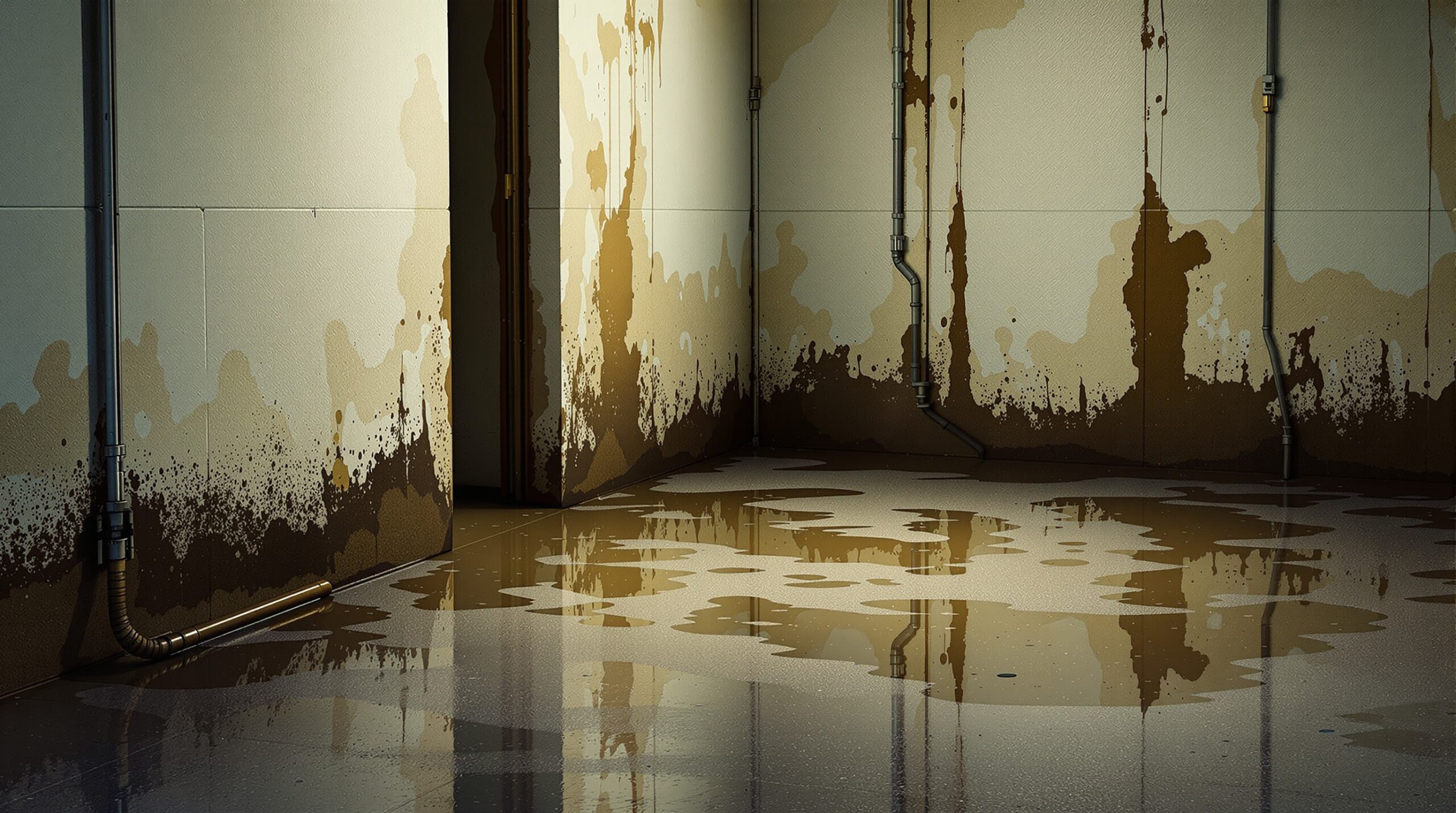
Have you ever worried about your basement getting drenched during a heavy storm? You’re not alone! Basement flooding is a common concern for many property owners in Doswell, VA. With our weather often throwing us curveballs, it’s important to stay one step ahead of those surprise downpours and rising waters.
Why Does It Happen?
In Doswell, we experience everything from sudden thunderstorms to heavy snow melts. These unpredictable weather patterns can overwhelm our drainage systems and lead to unwanted water pooling in our basements. But don’t fret! This guide is here to help you take control of your home’s safety and keep your basement dry.
Your Solution Awaits!
Throughout this guide, we’ll share practical tips and insights that will empower you to prevent unwelcome water intrusion. Whether you’re a homeowner or run a business, you’ll find helpful strategies to protect your space and enjoy peace of mind. Let’s dive into the strategies that can save your basement and keep your belongings safe!
Understanding the Causes of Basement Flooding in Doswell, VA
Basement flooding in Doswell is not merely a result of heavy rain. It’s a complex issue that can stem from various environmental and structural factors. By understanding these causes, homeowners can better equip themselves with preventive measures. Let’s break down the primary culprits behind basement flooding in our region.
1. Heavy Rainfall and Storm Surges
The most obvious factor for basement flooding is heavy rainfall. In Doswell, thunderstorms can occur unexpectedly, leading to sudden deluges. When rain falls faster than the ground can absorb it, water runs off surfaces and accumulates, creating conditions ripe for flooding. If your property is situated in a low-lying area or fails to adequately channel water away, your basement becomes vulnerable to these storms.
2. Poor Drainage Systems
A properly functioning drainage system is essential for guiding water away from your home. Many basements flood because of insufficient or ineffective drainage systems that cannot handle excessive water flow. Clogged gutters, blocked downspouts, or improperly installed drains can exacerbate this issue. Homeowners should regularly inspect these systems to ensure they’re clear and operating effectively.
3. Groundwater Infiltration
In Doswell, the fluctuation of groundwater levels can contribute to basement flooding. During heavy rains or thawing periods, groundwater levels can rise, pushing water into lower-lying areas, including basements. Properties lacking proper waterproofing measures may face increased risk from this natural occurrence. Understanding local groundwater patterns can help homeowners anticipate potential flooding events.
4. Snow Melt and Seasonal Changes
Winter storms can result in significant snowfall, and as temperatures rise in spring, melting snow can create large volumes of water. If your property isn’t equipped to handle this inflow, water can find its way into your basement. Combine melting snow with a rainy season, and the likelihood of flooding increases considerably.
5. Topography and Soil Type
The unique topography and soil composition of Doswell play a key role in drainage efficiency. Clay soils, common in our area, tend to retain water, increasing the risk of flooding during heavy rains. Similarly, properties positioned at the bottom of a slope may encounter runoff issues from higher ground. Recognizing how your land interacts with water can help you take better preventive steps.
Quick Reference Table: Causes of Basement Flooding in Doswell, VA
| Cause | Description |
|---|---|
| Heavy Rainfall | Sudden downpours overwhelm drainage systems. |
| Poor Drainage Systems | Clogged or ineffective gutters and downspouts contribute to flooding. |
| Groundwater Infiltration | Rising groundwater levels during storms push water into basements. |
| Snow Melt | Rapid melting of snow combined with rain creates excess water. |
| Topography and Soil Type | The local terrain and water-retaining soil can increase flooding risks. |
By identifying and understanding these underlying causes of basement flooding, homeowners in Doswell can take proactive measures to safeguard their properties. The next step in this journey is ensuring your plumbing system is meticulously inspected and maintained—a crucial element in flood prevention. Let’s explore how regular inspections can make all the difference!
Essential Plumbing Inspections and Regular Maintenance
Regular plumbing inspections and maintenance are vital to protecting your home from potential flooding, especially in an area as prone to water issues as Doswell, VA. A proactive approach not only addresses current vulnerabilities but also helps identify and mitigate future risks. By understanding the key aspects of plumbing systems that require attention, homeowners can safeguard their properties against the perils of basement flooding.
1. Regular Pipe Inspections
Your plumbing system is a complex network of pipes, drains, and fixtures, all of which can be affected by the natural elements around your home. Over time, pipes can corrode, develop leaks, or become clogged, especially when facing seasonal changes in weather. Conducting regular inspections allows homeowners to identify potential weaknesses before they escalate into significant problems. A professional plumbing inspection can uncover unseen leaks and blockages that could contribute to basement flooding by redirecting water towards your foundation.
2. Monitoring Sump Pumps
Sump pumps are a critical defense against groundwater infiltration, particularly for homes with basements. An effective sump pump can quickly expel excess water, but it requires regular maintenance to function optimally. Homeowners should test their sump pumps every few months, ensuring they activate properly and eject water as expected. Additionally, inspecting the discharge line for blockages can prevent water backup into your basement—a scenario that could otherwise lead to severe flooding.
3. Checking Backflow Prevention Devices
Backflow prevention devices are essential in ensuring that wastewater does not flow back into your home during heavy rain or flooding. These devices require regular checks and maintenance to ensure they’re functioning correctly. Homeowners should ensure that the devices are free from debris and functioning according to local codes and standards. Regular testing can prevent unpleasant surprises during a storm when your home is most vulnerable.
4. Maintaining Gutters and Downspouts
While often overlooked, safely directing rainwater away from your foundation is crucial. Regular maintenance of gutters and downspouts can significantly reduce the amount of water that gathers around your home’s perimeter. Homeowners should clean gutters at least twice a year, checking for blockages caused by leaves, debris, or ice. A clear path for water allows it to flow efficiently away from your home, minimizing the risk of it seeping into your basement.
5. Landscaping and Grading Maintenance
The landscape around your home plays a vital role in how water behaves during heavy rainfall. Regularly inspecting and maintaining your grading can help ensure that water moves away from your foundation rather than towards it. Landscaping features such as swales, berms, and rain gardens can divert water effectively when paired with proper drainage. Homeowners should evaluate their yards regularly and make any necessary adjustments to keep water flow in check.
By committing to regular plumbing inspections and maintenance, homeowners in Doswell can not only prevent basement flooding but also enhance the longevity and efficiency of their plumbing systems. As you cultivate this routine, the next step is to ensure that you have effective drainage systems in place around your property, forming a robust barrier against water intrusion.
Installing Effective Drainage Systems Around Your Property
In Doswell’s enchanting but often water-saturated landscape, installing effective drainage systems around your property is not just a preventive measure; it’s a form of empowerment for homeowners. When the clouds gather and the rain pours, a well-designed drainage system becomes your first line of defense against unwanted water seepage and potential flooding. Let’s explore how to set up a robust drainage strategy that will keep your home safe and dry.
1. Understanding Drainage Solutions
At the core of effective drainage lies a variety of solutions tailored to your specific landscape and property layout. From surface drains and French drains to dry wells and trench drains, each option serves a unique purpose. Surface drains capture excess water from your yard, while French drains funnel water away from your home’s foundation. The complexity of your drainage design depends on factors like soil type, slope, and the proximity to your home. The goal is to channel rainwater away, both efficiently and effectively, to safeguard your basement and foundation.
2. The Importance of Proper Slope
A common yet crucial aspect in drainage system installation is the grading of your property. The landscape should slope away from your foundation at an angle that allows rainwater to naturally flow towards designated drainage points. A slope of at least 1% gradient is generally recommended; this ensures fast runoff and prevents water from stagnant pooling around your home. Homeowners might consider hiring a landscape professional to assess and adjust grading, ensuring a proactive stance against excess water accumulation.
3. Integrating Swales and Water Channels
Natural features like swales, which are shallow trenches designed to manage water runoff, can also play a pivotal role in an effective drainage system. By incorporating swales into your landscape, you create a built-in pathway for water to follow, minimizing the chances of it collecting near your foundation. Properly designed swales can not only aid drainage but also enhance the aesthetics of your yard, combining function with beauty. Be sure to design them to flow towards a dry well or other drainage systems for optimal efficiency.
4. Utilizing Rain Gardens
Rain gardens serve as a stunning and environmentally-friendly solution for managing stormwater. These landscaped areas are strategically placed to collect rainwater from impervious surfaces like driveways and sidewalks, allowing it to infiltrate the soil naturally. The plants and soil in rain gardens filter pollutants from the water while also providing habitat for local wildlife. With effective placement and design, rain gardens help mitigate flooding risks while promoting the health of your ecosystem.
5. Maintaining Your Drainage System
Once you’ve installed an effective drainage system, ongoing maintenance is essential for its longevity and efficacy. Regularly inspecting drainage components to ensure they are clear of debris is crucial for optimal performance. This includes checking catch basins, downspouts, and any underground drainage pipes. Clogged systems can quickly become ineffective, leading to increased risks of water pooling around your home. A proactive maintenance schedule will ensure your drainage solutions remain in peak condition for years to come.
In summary, investing time and effort into an effective drainage system around your property will yield significant dividends in the long run. By embracing the natural topography of Doswell and utilizing innovative drainage solutions, homeowners can create a barrier against moisture intrusion that protects their homes. But remember, an effective drainage system is only one piece of the puzzle. Next, we will discuss the importance of sealing and waterproofing your basement, further fortifying your defenses against water intrusion.
Sealing and Waterproofing Your Basement
With an effective drainage system set in place, it’s time to turn our attention to the heart of your home: the basement. While many homeowners overlook this crucial space, neglecting its protection can lead to significant problems down the line. Sealing and waterproofing your basement is not merely a precaution; it’s an investment in the longevity and health of your home. Let’s delve into the steps to fortify your basement against moisture intrusion, ensuring that your sanctuary remains dry and safe.
1. The Importance of Sealing
Sealing your basement is akin to adding an invisible armor against the elements. When you seal your basement walls and floors, you create a barrier that prevents moisture from penetrating. This results not only in a drier environment but also minimizes the risk of mold and mildew, conditions that thrive in damp basements. Sealing your space before any visible signs of trouble emerge can save you from the hassle and cost of major repairs later.
2. Identifying Vulnerable Areas
Before you begin the sealing process, identifying areas in your basement that are particularly vulnerable to water intrusion is crucial. Pay attention to places where walls meet floors, window wells, any cracks in the walls, and around pipes. These spots are notorious for becoming entry points for moisture. Thoroughly inspecting and addressing these areas ensures a comprehensive sealing process.
3. Types of Waterproofing Techniques
When sealing your basement, you have several techniques at your disposal. Here are some common approaches:
| Technique | Description |
|---|---|
| Interior Sealants | Applied to walls and floors to create a barrier against moisture. |
| Exterior Waterproofing | Involves digging up the soil around the foundation and applying waterproof barriers directly to the exterior walls. |
| Drainage Systems | Installing perimeter drains or drainage mats combined with sealing provides an additional layer of protection. |
| Cementitious Coatings | A thick paste applied directly to the walls and floors that hardens to create a waterproof barrier. |
4. Ventilation Matters
Beyond sealing, ensuring proper ventilation in your basement is a key component of moisture control. Poor ventilation can cause humidity to build up, making your sealing efforts less effective. Installing vents or a dehumidifier can help circulate air and reduce humidity levels, creating a balanced atmosphere and further protecting your basement from water damage.
5. Regular Inspections and Maintenance
Your work doesn’t end once the basement is sealed and waterproofed. Establishing a regular inspection and maintenance routine keeps moisture at bay. Periodically check seals for wear, look out for new cracks, and monitor humidity levels within the space. Addressing these issues proactively will ensure your basement remains a secure and dry part of your home.
By sealing and waterproofing your basement effectively, you reduce the risk of water damage and the potential for costly repairs down the line. Just as effective drainage creates a buffer against water intrusion from the exterior, a well-sealed basement provides a strong line of defense from within. With these measures in place, Doswell homeowners can rest assured that their homes are safeguarded against the elements. As we look to incorporate technology into our moisture management strategies, the next section will explore how sump pumps and water sensors can provide additional protection for your basement.
Using Technology: Sump Pumps and Water Sensors
In an era where technology seamlessly integrates into our daily lives, it’s only fitting that we leverage it to safeguard one of our biggest investments—our homes. As we focus on protecting your basement, sump pumps and water sensors emerge as invaluable allies in the battle against water intrusion. These advanced technologies not only offer peace of mind but also enhance the effectiveness of the sealing and waterproofing efforts previously discussed. Let’s explore how these tools can transform your basement from a potential risk into a resilient refuge against flooding.
1. The Role of Sump Pumps
At the forefront of basement protection technology is the sump pump, a vital device designed to remove excess water from your basement. Typically installed in a specially constructed pit, a sump pump activates when water levels rise, pumping out any accumulated water and keeping your basement dry. Not only does it act as a safeguard during heavy rains or snowmelt, but it also helps maintain optimal humidity levels, further reducing the chance of mold and mildew growth.
2. Types of Sump Pumps
Sump pumps come in various forms, each tailored to meet specific needs. The most common types include:
- Submersible Sump Pumps: These pumps are designed to sit inside the sump pit, submerged in water. They are powerful and generally more effective for larger volumes of water.
- Pedestal Sump Pumps: Mounted above the sump pit, these pumps are easier to access for maintenance but may be less efficient in handling large amounts of water.
- Battery Backup Sump Pumps: As an added layer of security, these pumps kick in during power outages, ensuring your basement stays dry even when the power is out.
3. Implementing Water Sensors
While sump pumps can actively remove water, water sensors play a crucial role in early detection, alerting homeowners to potential issues before they escalate. Placed in strategic locations throughout your basement, these sensors monitor moisture levels and can provide real-time alerts via smartphone notifications when water is detected. This proactive approach allows you to address potential flooding promptly—giving you the upper hand in prevention.
4. Integrating Smart Technology
To enhance your home’s flood protection system further, consider integrating smart technology into your sump pumps and water sensors. Many modern devices offer connectivity options, allowing them to communicate with your home automation systems. For instance, you might receive alerts to your smartphone not just for water detection, but also for sump pump performance or maintenance reminders. This level of integration means you can monitor and manage your basement’s conditions from anywhere—providing invaluable peace of mind.
5. Regular Maintenance and Monitoring
Even the best technology requires upkeep. Regularly check your sump pump, ensuring it moves freely and is in good working order. Clean out the sump pit and inspect the discharge line for any blockages. Similarly, consistently test your water sensors to confirm they’re functioning correctly. A simple monthly check can prevent unexpected failures when you need them most.
With sump pumps and water sensors, you’re not only reinforcing the defense against flooding but also taking a proactive approach to moisture management in your basement. By implementing these technological solutions alongside your sealing and waterproofing efforts, you’re creating a comprehensive moisture management system that protects your home and preserves its value. So take a step forward in safeguarding your sanctuary in Doswell, VA. Stay vigilant with these smart tools, and ensure your basement remains a dry, safe haven against nature’s uncertainties.
Understanding Basement Flooding: Signs and Solutions
Basement flooding can be an unsettling reality for many homeowners, especially in regions prone to heavy rainfall or rising water tables. By understanding the common signs of flooding, maintaining your plumbing system, recognizing the importance of a sump pump, and being mindful of local ordinances, you can significantly reduce the risk of water intrusion. Here’s what to keep in mind as you work to protect your basement.
1. Common Signs of Basement Flooding
Being able to identify the early signs of flooding is crucial for any homeowner. Look for these indicators:
- Moisture and Dampness: Noticeable wet spots on walls, floors, or ceilings can indicate water intrusion.
- Musty Odors: A persistent musty smell often signals mold growth—a clear sign of excessive moisture.
- Water Stains: Discolored patches on walls or floors are usually remnants of previous flooding or leaks.
- Cracked Walls or Floors: Structural cracks can allow water to seep in, signaling an increased flood risk.
- Condensation: Excessive condensation on pipes and windows can indicate high humidity levels, often leading to a greater chance of flooding.
2. Plumbing System Inspections
To prevent flooding, regular inspections of your plumbing system are essential. It’s recommended to conduct an evaluation at least once a year. During these inspections, check for leaks, inefficient drainage, or any signs of wear and tear in your pipes. Additionally, paying attention to seasonal changes—like post-heavy rains or melting snow—can help you catch potential issues before they escalate into larger flooding concerns.
3. The Role of a Sump Pump
As previously discussed, sump pumps are vital for basement protection. They act as the frontline defense against water accumulation. However, their efficiency hinges on proper installation and maintenance. Ensuring that your sump pump is functional and set up correctly can mean the difference between a dry basement and a flooded one. Additionally, incorporating a battery-powered backup system may offer essential support during power outages, ensuring continued protection even in challenging conditions.
4. Local Ordinances in Doswell, VA
Before embarking on waterproofing projects, familiarize yourself with the local ordinances in Doswell, VA. Specific regulations may dictate how basements should be waterproofed or how drainage systems should be installed. Checking with the local building department ensures compliance and guides you to avoid potential fines or required project redesigns. Consulting local experts can also provide additional insights into best practices tailored to the unique climate and geography of the area.
5. Landscaping Choices and Flood Risk
Surprisingly, your landscaping decisions can significantly impact your basement’s flood risk. Proper grading and drainage systems should direct water away from your home’s foundation. For instance, planting vegetation that absorbs water around your property can enhance drainage. Avoiding steep slopes or impermeable surfaces—like concrete—can help minimize runoff that could otherwise settle around your foundation, increasing the risk of flooding. Careful consideration of your landscape can serve as a natural barrier against rainwater accumulation.
By implementing these preventative measures, you’ll not only shield your basement in Doswell, VA, from potential flooding but also protect your property’s value. Stay vigilant, stay dry, and ensure your peace of mind by addressing basement flooding proactively. Understanding the signs, maintaining your plumbing, investing in necessary technology, adhering to local regulations, and making smart landscaping choices will empower you to safeguard your home against the unpredictability of nature.
As you dive deeper into the protective measures for your basement in Doswell, VA, consider the multifaceted benefits that come with proactive prevention against flooding. By integrating sump pumps and water sensors into your home’s defense strategy, you’re not merely investing in technology; you’re making a commitment to the longevity and value of your property. A dry basement is not just a comfort—it’s a crucial component of maintaining your home’s marketability and structural integrity.
Let’s consider the long-term implications: when prospective buyers evaluate your property, a well-maintained basement can significantly influence their decision. Homes with a history of flooding or moisture issues often face decreased market value and prolonged listing times. By taking action now to prevent potential water damage, you are essentially preserving not just the livability of your home, but also your financial investment. An impeccable basement—the heart of your home’s foundation—can stand as a testament to your commitment to maintenance and care.
Moreover, addressing these issues before they arise provides you with peace of mind. Imagine enjoying your finished basement space—be it for entertainment, storage, or leisure—without the nagging worry of possible water damage or mold growth looming over you. Proactive measures allow you to focus on what truly matters: creating memories with family and friends rather than battling the aftermath of flooding or costly repairs.
Don’t forget the ecological aspect; by managing moisture effectively, you are also improving the air quality throughout your home. Damp environments can promote mold spores that not only affect the structural integrity of your house but also surface health concerns for you and your loved ones. Adequate moisture control translates into a healthier living environment, which is a key consideration not just for the present but for the future well-being of your family.
Being vigilant means keeping your systems updated, monitoring for any signs of wear and tear in your pumps and sensors, and staying informed about the latest advancements in flood prevention technology. Ideally, you should view these systems as an ongoing investment rather than a one-time solution. Make it a habit to conduct regular checks, and stay alert to any evolving technologies that could enhance your flood prevention strategy.
In summary, investing time and effort into protective measures, like sump pumps and water sensors, goes beyond addressing immediate concerns about flooding. It strengthens your property’s value, enhances your quality of life, and fosters peace of mind. Remember, your basement is a crucial part of your home; keeping it safe, dry, and well-maintained ensures that you’re not just safeguarding against nature’s unpredictable elements but also actively enhancing the overall value and comfort of your living space. Stay vigilant, stay dry, and ensure your peace of mind by taking proactive steps against flooding—the benefits are well worth the effort.