Understanding the Impact of Basement Flooding in Ashland, VA
Have you ever wondered about the hidden dangers lurking in your basement? For homeowners in Ashland, Virginia, understanding the impact of basement flooding is crucial for protecting your home and your peace of mind. Picture this: a storm rolls in, and before you know it, your once-dry basement turns into a mini swimming pool. It might sound surprising, but this can happen faster than you think!
Why is basement flooding such a big deal? Well, it’s not just about having to wade through murky water. Flooding can cause serious damage to your belongings, weaken the structure of your home, and even create health hazards from mold and mildew. In a town like Ashland, where weather can bring storms out of nowhere, it’s essential to be prepared.
Imagine having your favorite family photos soaked in water, or worse, your valuable keepsakes ruined. Protecting your basement means more than just keeping things dry—it’s about ensuring your home remains a safe and comfortable place for you and your loved ones.
So, what can you do to safeguard your Ashland basement? By learning more about what causes flooding and how it can affect your home, you’ll be better equipped to take action and keep your space dry and safe. Let’s dive in and explore the steps you can take to protect your basement from the unpredictable nature of weather!
Assessing Your Basement’s Vulnerability to Flooding
Now that we’ve established the serious implications of basement flooding, it’s time to turn our attention to your personal environment: your basement. Does it have the necessary defenses against the elements? By assessing your basement’s vulnerability, you can pinpoint potential problems and take proactive measures to safeguard your home. So, where do you begin?
Evaluate External Factors: One of the first steps you can take is to assess the site’s landscaping and drainage. Look at how rainwater flows around your property. Are there areas where water tends to pool? Pay attention to critical features like:
| Assessment Area | What to Look For |
|---|---|
| Grading | Ensure the ground slopes away from your foundation to direct water away. |
| Gutters and Downspouts | Check if gutters are clean and downspouts direct water at least 6 feet from the foundation. |
| Driveways and Walkways | Inspect surfaces for cracks that may allow water to seep toward your foundation. |
| Nearby Trees | Be aware of large trees that may divert water or whose roots can damage your foundation. |
Inspect Interior Conditions: Take a thorough look around your basement. High humidity levels and dampness are precursors to flooding potential. Here are some specific indicators to note:
- Musty Odors: If you detect a steady musty smell, moisture might be trapped somewhere in your basement.
- Water Stains: Check for discoloration or stains on walls and floor, which can indicate previous water exposure.
- Condensation: Visible condensation on pipes or windows can signal high humidity that may lead to flooding.
Flood History: Consider your home’s history. Have you experienced flooding in the past during heavy rains? If your neighbors have faced similar issues, chances are you may also be at risk. Local flood maps can provide insight into potential risk zones and past events that can help you gauge your vulnerability.
Finally, don’t hesitate to consult with a local professional. An expert can offer insights into your home’s specific vulnerabilities, helping you develop a tailored flood prevention plan. Remember, assessing your basement’s potential for flooding is not just an exercise in caution; it’s a vital part of ensuring that your home remains a safe haven for you and your family.
In our next section, we’ll delve into some plumbing solutions that can effectively prevent basement flooding, providing you with the tools you need to protect your home from unpredictable storms.
Plumbing Solutions to Prevent Basement Flooding
When it comes to defending your basement against flooding, the plumbing infrastructure of your home plays a crucial role. While assessing your basement’s vulnerabilities is a proactive step, implementing effective plumbing solutions will create a robust line of defense against the unpredictable forces of nature. Below are several strategies that can help minimize or entirely eliminate the risk of basement flooding.
Maintain Your Gutters and Downspouts: Clean and well-maintained gutters are the first line of defense against surface water. Leaves, twigs, and other debris can clog gutters, preventing water from flowing freely and subsequently leading to overflow. Regularly inspect your gutters at least twice a year—once in the spring as the flowers bloom and once in the fall when leaves begin to fall. Make it a habit to check for:
- Blockages: Ensure there are no obstructions that could impede water flow.
- Rust or Damage: Inspect for any signs of rust or damage that could lead to future leaks.
- Proper Pitch: Ensure gutters slope slightly towards the downspouts for efficient drainage.
Complement this maintenance by ensuring your downspouts direct water at least six feet away from your foundation. If necessary, invest in downspout extenders or splash blocks to enhance drainage effectiveness.
Install a Sump Pump: A sump pump can be a game-changer in your flood prevention strategy. This electrical device sits in a dedicated sump basin in your basement, collecting and redirecting water away from your home. Here’s what to consider:
- Automatic Operation: Choose a sump pump with automatic activation capabilities that detects the rising water level and kicks in without manual intervention.
- Backup Options: Consider a sump pump with battery backup to ensure it operates even during power outages, which are common during storms.
- Regular Maintenance: Schedule routine inspections to ensure your sump pump is functioning correctly. Test it regularly by pouring water into the basin to confirm that the pump activates as it should.
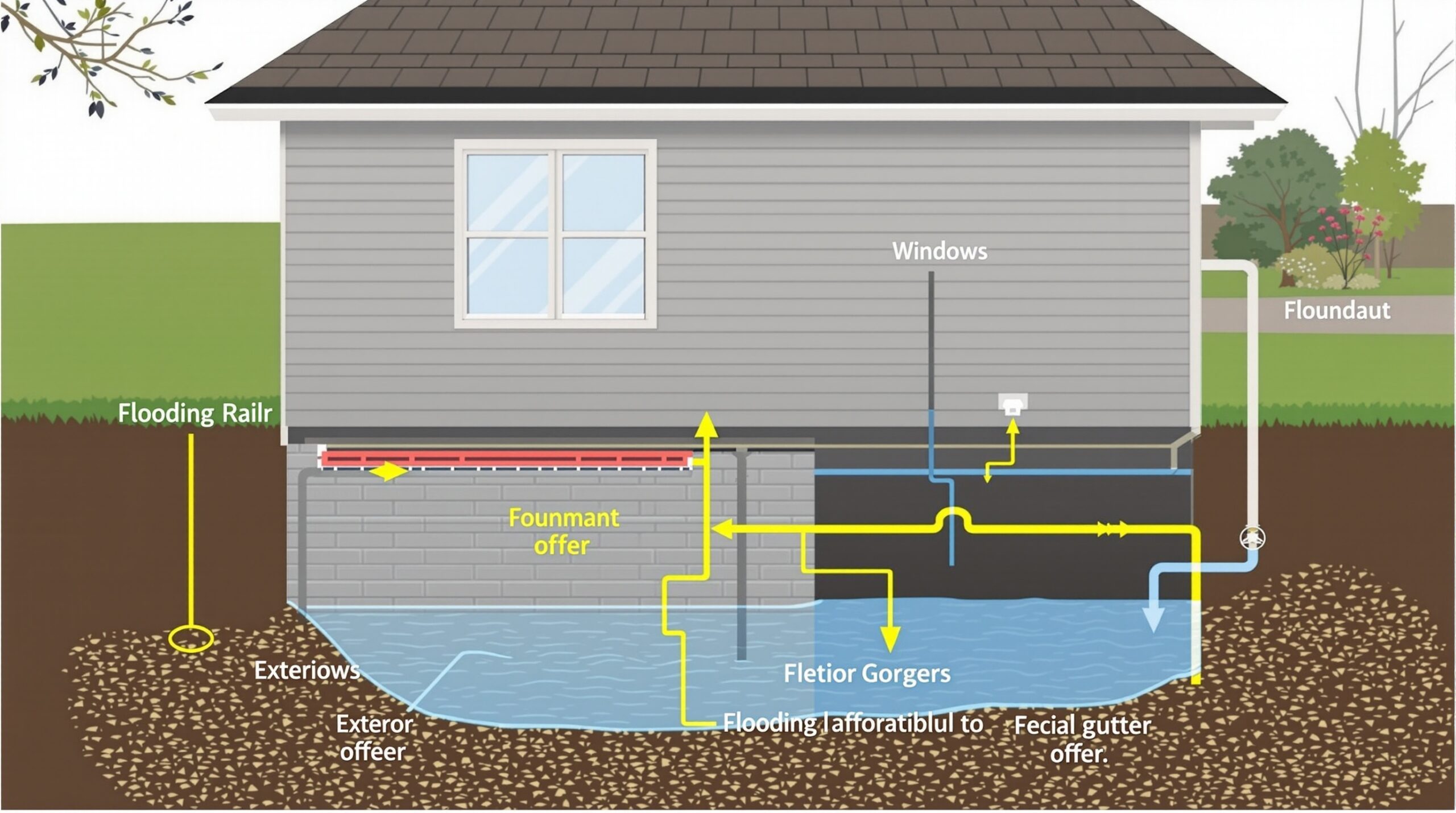
Install a French Drain: For homes with significant water issues or a propensity for flooding, a French drain system can be a valuable addition to your plumbing solutions. This drainage system collects water from around your foundation and routes it away, reducing pressure on your basement walls and minimizing risk. Here’s how it works:
- Excavation: A trench filled with gravel and perforated pipe is placed strategically to collect surface and groundwater.
- Infiltration Prevention: A French drain can prevent water from pooling around the foundation, significantly reducing the chances of leakage.
Seal Cracks and Openings: Your basement’s integrity can also be compromised by small cracks and openings that allow moisture to seep through. Conduct a thorough inspection of your foundation walls and floors for any visible cracks. Use an appropriate sealant to fill these gaps and prevent water ingress. Even small fissures can become a pathway for flooding during heavy rains, so it’s critical to address them promptly.
By employing these plumbing solutions, you’ll not only bolster your basement’s defenses but also provide peace of mind knowing you’ve taken proactive measures against flooding. Your basement will retain its integrity, allowing you to use it as a functional space—be it a cozy family gathering spot, a productive workspace, or a serene retreat—rather than a chaotic, moisture-laden environment.
In our next section, we’ll dive deeper into maintaining your gutters and downspouts, honing in on systematic strategies to ensure they are functioning optimally and directing water effectively, further enhancing your home’s defenses against flooding.
Maintaining Your Gutters and Downspouts: Regular maintenance of your gutters and downspouts is not just a seasonal chore—it’s a fundamental aspect of home care that pays dividends by protecting your property from water damage. When gutters are allowed to overflow due to blockages, water can accumulate around your foundation, leading to soil erosion, foundation cracks, and ultimately, costly repairs. To maintain effective water flow and safeguard your basement, follow these essential practices.
Establish a Routine Cleaning Schedule: Beyond the spring and fall cleanings, consider additional checks after severe storms or high winds, when debris may have accumulated. Use a sturdy ladder and wear gloves to clear out any leaves, twigs, and dirt to allow water to flow freely. Remember to clean out the downspouts as well; a clogged downspout can negate all your gutter cleaning efforts.
Invest in Gutter Guards: While they are not entirely maintenance-free, gutter guards can significantly reduce the volume of debris that enters your gutters. These screens or mesh coverings allow water to flow through while keeping larger debris at bay, ultimately lessening the frequency of cleanings and enhancing overall drainage efficiency.
Inspect and Repair: Regularly inspect your gutters and downspouts for any signs of wear and tear. Look for sagging sections, damaged brackets, or rust. If you notice your gutters pulling away from the house or any evidence of rust, make repairing or reinforcing these sections a priority. A small patch can often prevent larger issues down the road.
Ensure Water is Redirected: As previously mentioned, ensuring that downspouts direct water away from your foundation is vital. Keep this in check by verifying that your downspouts are free of obstructions and that they effectively direct water at least six feet away from the perimeter of your home. This might include using downspout extensions or installing splash blocks that direct the flow of water further away from your home.
Monitor for Pests: Clogged gutters can also become a breeding ground for pests like mosquitoes, ants, and rodents. Make it a point to inspect your gutters for nests or signs of infestations that could not only compromise your gutter system but also disrupt the comfort of your home. If you discover any unwanted tenants, carefully remove them and consider preventive measures to keep pests from taking up residence.
Keep the Surrounding Landscape in Mind: Your landscaping plays a pivotal role in how effectively your gutters and downspouts function. Ensure that the ground around your home slopes away from the foundation. Additionally, take care to trim back overhanging branches that could contribute to debris accumulation or damage your gutters during strong winds. Regular landscaping maintenance complements your gutter system, offering additional support in managing water drainage.
By prioritizing these maintenance practices, you’ll enhance the resilience of your gutters and downspouts, providing an essential layer of defense for your basement against flooding and water damage. This attention to detail not only protects your home but can also improve its overall aesthetic, creating a space that works harmoniously with nature rather than against it.
As we transition into our next section, we will explore The Role of Sump Pumps in Keeping Your Basement Dry, examining how these devices can work in tandem with your gutter and downspout system to ensure that your home remains a safe, dry haven.
The Role of Sump Pumps in Keeping Your Basement Dry: To fortify the defenses of your home against water intrusion, it’s crucial to understand the pivotal role that sump pumps play in basement protection. Ideal for both older homes with existing basements and newly constructed spaces, sump pumps act as a formidable ally, ensuring that any unwanted water is effectively removed before it can cause damage. Let’s delve deeper into their functionality, benefits, and maintenance to keep your home dry and secure.
How Sump Pumps Function: At its core, a sump pump is a device installed in a specially designed pit, or sump basin, typically located in the lowest part of the basement. When the water level rises due to rain, snowmelt, or plumbing leaks, the pump activates, drawing water from the collected space and directing it away from your home. This proactive approach is crucial in preventing the hazards of flooding and mold growth.
Types of Sump Pumps: Understanding the different types of sump pumps available will aid in selecting the right model for your needs. Here’s a brief overview:
| Type | Description | Ideal Use |
|---|---|---|
| Submersible Sump Pump | Designed to be submerged in water, this type is powerful and effective. | High water table areas and for homes prone to flooding. |
| Pedestal Sump Pump | Installed above the sump pit, this model is easier to maintain but less powerful. | Areas with lower water levels or where space is limited. |
| Battery Backup Sump Pump | Provides an additional layer of protection during power outages. | Homes prone to flooding during storms or power outages. |
The Benefits of Installing a Sump Pump: While proper gutter maintenance is crucial, having a sump pump adds an extra layer of protection that can safeguard your home during heavy rainfall or unexpected water events. Here are some notable benefits:
- Mold and Mildew Prevention: By keeping your basement dry, a sump pump helps prevent the growth of mold and mildew, which can pose health risks and decrease air quality within your home.
- Foundation Protection: Excess water can lead to foundation cracks and structural damage. A functioning sump pump efficiently removes this water, protecting the integrity of your home.
- Enhanced Home Value: A dry, water-free basement can increase your property’s marketability, making it more appealing to potential buyers.
Regular Maintenance for Longevity: Like any other appliance, sump pumps require regular maintenance to ensure they function optimally:
- Test Your Pump: Periodically check the pump by pouring water into the basin to ensure that it turns on and drains properly. This quick check can help identify any issues before they escalate.
- Clean the Sump Pit: Keep the sump pit clean of debris and sediment to enhance the efficiency of the pump.
- Inspect the Discharge Pipe: Regularly check the discharge pipe for clogs or ice buildup during colder months, ensuring water flows freely away from your home.
In summary, a sump pump is an essential safeguard that complements your gutter and downspout system, working tirelessly behind the scenes to keep your basement dry and your household comfortable. With proper installation and maintenance, these pumps can dramatically reduce the risk of water damage, making them a wise investment for any homeowner.
As we look towards our next discussion, let’s explore Landscaping Tips for Surface Water Management, focusing on how effective landscaping design can further protect your property from potential water-related issues.
Landscaping Tips for Surface Water Management: While sump pumps are vital for managing excess water in your basement, an equally important strategy involves proactive landscaping. By understanding and implementing effective landscaping techniques, you can direct surface water away from your foundation, thus minimizing the risk of water damage. Let’s explore some landscaping tips to enhance your property’s water management and integrate beauty with functionality.
Utilize Grading and Sloping: One of the foundational elements of surface water management is the grading of your yard. The ground should slope away from your home to ensure that rainwater flows away from the foundation. A slope of at least 2% (or approximately 1/4 inch per foot) is recommended. Assess your property for low spots that might collect water and address them by adding soil to create a gentle sloping gradient.
Implement Rain Gardens: Rain gardens are a sustainable landscaping feature designed to collect and absorb runoff from impervious surfaces like roofs, driveways, and walkways. By incorporating native plants that thrive in wet conditions, these gardens not only enhance your landscape but also help filter toxins from runoff and prevent erosion. Ideal locations for rain gardens include areas where water naturally drains or where it accumulates after heavy rains.
Install Permeable Paving: Traditional concrete or asphalt driveways and patios can contribute to surface water runoff. Consider opting for permeable paving solutions, such as gravel, porous concrete, or permeable pavers. These materials allow rainwater to infiltrate the ground rather than running off into drains or accumulating around your home. This not only minimizes water pooling near your foundation but also recharges groundwater supplies.
Strategic Planting: Selecting the right plants can significantly reduce surface water runoff. Deep-rooted plants, shrubs, and trees can effectively absorb moisture, while their root systems help aerate the soil, enhancing its ability to handle water. Moreover, incorporating a diverse range of native plants can create a resilient landscape that requires less maintenance and is better suited to your local climate.
Cultivate a Swale: Swales are shallow, vegetated channels designed to direct and manage surface water. They can be particularly effective at collecting runoff from roofs, streets, and driveways. By creating these gentle depressions filled with grass or low-lying plants, you can slow down water flow while enhancing your yard’s aesthetic appeal.
Mulching to Control Erosion: After planting, it’s essential to spread a layer of mulch around your plants and in garden beds. Mulch acts as a protective barrier against soil erosion and helps retain moisture in the soil. Additionally, it can help prevent weeds that may compete for water, ensuring that plants get the hydration they need without exacerbating runoff issues.
Regular Maintenance Practices: Maintaining your landscaping is just as important as its initial design. Regularly inspect for areas where water may be pooling or where plants may not be thriving. Prune overgrown trees that could obstruct rainfall and ensure gutters and downspouts are functioning correctly, directing water away from your home.
By implementing these landscaping tips, you can create an environment that not only beautifies your property but also serves a critical role in surface water management. With thoughtful design and attention to detail, your outdoor space can transform into a functional barrier against water intrusion, working hand in hand with your sump pump to safeguard your home. In the next section, we’ll shift our focus to the importance of maintenance, ensuring that both your landscaping and sump pump systems remain effective in minimizing water damage over time.
Minimize Water Damage: A Commitment to Regular Maintenance: As the old adage goes, “An ounce of prevention is worth a pound of cure.” This rings particularly true when it comes to safeguarding your home from water damage. Despite employing excellent landscaping strategies and installing a sump pump, neglecting regular maintenance can lead to significant issues over time. Establishing a routine maintenance schedule for both your drainage systems and landscaping will not only enhance their efficiency but will also provide peace of mind knowing your home is protected against water intrusion. Here’s what you need to know.
Inspect Your Gutters and Downspouts Frequently: A comprehensive assessment of your gutters is essential to ensure they are clear of debris and functioning as intended. A blocked gutter can lead to overflow, allowing water to cascade down the siding of your house and potentially pool near the foundation. Aim to inspect your gutters at least twice a year and after significant storms. Ensure that downspouts direct water at least six feet away from your home’s foundation, further reducing the risk of water-related issues.
Check for Grading Issues Regularly: After heavy rainfalls, it’s crucial to observe your yard and surrounding areas. Pay close attention to how water flows and where it accumulates. If you notice any persistent pooling, you may need to adjust the grading. This may involve re-contouring areas of your yard to redirect water flow naturally away from your foundation, thus maintaining a protective boundary against moisture-related damage.
Evaluate Your Sump Pump’s Performance: A reliable sump pump can be a home’s last line of defense against flooding, but it requires diligent upkeep to function properly. Regularly test your sump pump by pouring a bucket of water into the pit to ensure it activates and efficiently drains excess water. It’s also wise to check the power source and connections, as a malfunction could leave your basement vulnerable during a storm. Remember to replace the battery backup if equipped, to ensure it remains operational during power outages.
Embrace Seasonal Maintenance Routines: Beyond inspections, seasonal maintenance tasks can substantially bolster your home’s resilience against water damage. In the fall, clear leaves and debris from gutters and check that plant roots have not grown into problematic areas. Spring is an excellent time to fertilize and assess your plants’ health, replacing any that are struggling. Additionally, the changing seasons remind homeowners to adjust their landscaping practices to match weather patterns, ensuring continued effectiveness in surface water management.
Educate Yourself on Local Weather Patterns: Understanding the climate in your region can play a pivotal role in your maintenance strategy. Are you in a flood-prone area or one that experiences heavy seasonal rains? Adapting your landscaping and maintenance efforts based on local weather trends can prepare your home for potential challenges. For example, if droughts are common, you might need to focus on techniques that capture and store rainwater effectively, whereas in wetter climates, attention should shift towards robust drainage solutions.
Stay Proactive Against Erosion: Erosion can stealthily undermine your landscaping and foundation over time. Keep an eye on areas where soil washing away could become a concern, and use methods such as planting ground cover or adding mulch to stabilize vulnerable zones. Even small changes can significantly reduce the impact of water flow and preserve your landscape’s integrity.
By committing to regular maintenance, you enhance the resilience of your home while integrating beautiful landscaping that contributes to effective water management. The synergy between proper upkeep and your initial design is the best defense against the unpredictable forces of nature. In the next segment, we’ll delve deeper into the signs of potential water damage you should look for within your home and address tips for early detection and intervention. Stay tuned as we equip you with the knowledge needed to maintain your sanctuary against nature’s elements.
Minimize Water Damage: A Commitment to Regular Maintenance: Once you’ve established effective water management strategies through landscaping, the next crucial step in protecting your home from water damage is maintaining those efforts consistently. Regular maintenance is vital to ensuring that both your landscaping and sump pump systems operate at peak performance. Let’s delve into some best practices that will help you stay ahead of potential water-related issues and extend the life of your water management systems.
Schedule Regular Inspections: To keep your landscaping functioning effectively, conducting periodic inspections is key. Make a habit of surveying your yard and observing how water flows after rainfall. Look for any signs of erosion or standing water that could indicate preventive measures are needed. By identifying areas that require attention early on, you can take proactive steps to correct potential weaknesses before they escalate into costly water damage.
Cleansing Your Gutters and Downspouts: Your gutters and downspouts play a critical role in diverting rainwater away from your foundation. Regularly clearing debris such as leaves, twigs, and dirt from your gutters ensures they function correctly. Clogged gutters can overflow, directing water towards your foundation instead of away from it. Similarly, make sure downspouts are aimed away from your home and that their extensions direct water well beyond the foundation’s perimeter.
Monitor Your Sump Pump: If your home is equipped with a sump pump, don’t forget that, like all appliances, it requires care and monitoring to remain functional. Check your sump pump regularly, ensuring it turns on and off as expected. Consider conducting an annual test by pouring water into the sump pit to see if the pump activates properly. Additionally, keeping the surrounding area clear of debris allows the pump to operate without obstruction, helping it drain excess water effectively.
Maintain Your Plants: Your yard’s vegetation not only adds beauty but also supports your water management efforts. Pay attention to the health of your plants, as dying or overgrown vegetation can lead to inadequate absorption of rainwater. Regular pruning and replacing any dead plants will keep your landscaping robust and effective. Additionally, mulching enhances moisture retention and supports early detection of pesky weeds that could complicate your water management.
Adapt to Seasonal Changes: Just as you would change your wardrobe with the seasons, consider adjusting your landscaping care routine based on seasonal weather patterns. Before winter, take time to prepare your yard for snowmelt and potential spring showers. In the fall, ensure that leaves don’t block drains that could cause water to pool in your garden. Understanding the seasonal challenges in your area helps you customize your maintenance plan, ensuring it is as effective as possible.
Educate Yourself on Local Regulations: Lastly, staying informed about local water management regulations is essential. Many municipalities have specific guidelines regarding landscaping and drainage practices to prevent flooding. Understanding these regulations not only helps you comply with the law but also enables you to take advantage of community resources aimed at enhancing flood control and protecting your property. Knowledge is a powerful tool in the commitment to regular maintenance.
By dedicating yourself to regular upkeep of your landscaping and sump pump, you not only fortify your home against potential water damage but also create a thriving environment that enhances your property. The commitment to maintenance transforms your initial landscape design from a one-time project into a proactive water management system. As you nurture your yard and stay vigilant about your water management solutions, you will ensure a safer, drier home for years to come.