Thinking About Upgrading Your Bathroom?
If you’re considering giving your bathroom a makeover in the charming town of Unionville, VA, you’re in for an exciting journey! There’s something special about transforming a space that you use every day into a personal oasis. But before you start picking out paint colors and fancy tile patterns, it’s important to take a step back and think about a key element that can make or break your renovation: plumbing.
Your Plumbing Blueprint
Plumbing is the backbone of your bathroom. It’s what keeps the water flowing when you turn on the faucet or jump into the shower. Whether you’re thinking of a simple refresh or a major overhaul, understanding plumbing essentials will ensure your upgrade goes off without a hitch. Trust us—nothing ruins a dream bathroom faster than a plumbing snag!
In this article, we’ll take you through the crucial plumbing aspects you need to know to make your renovation smooth and stress-free. So grab a pencil and paper, because we’re about to dive in!
Set Yourself Up for Success
With just a little planning and the right plumbing knowledge, your bathroom transformation can be seamless. From figuring out where your pipes are located to understanding how to avoid common pitfalls, we’ve got you covered!
Let’s explore the plumbing essentials that will have your new bathroom sparkling and functioning like a dream!
Understanding Your Bathroom’s Current Plumbing Layout
Before diving headfirst into the design elements of your bathroom, it’s essential to familiarize yourself with the plumbing layout you currently have. This knowledge can empower you to make informed decisions and avoid potential headaches down the line. Whether you’re an enthusiastic DIYer or planning to hire professionals, understanding your plumbing blueprint is fundamental to a successful bathroom renovation.
Map It Out
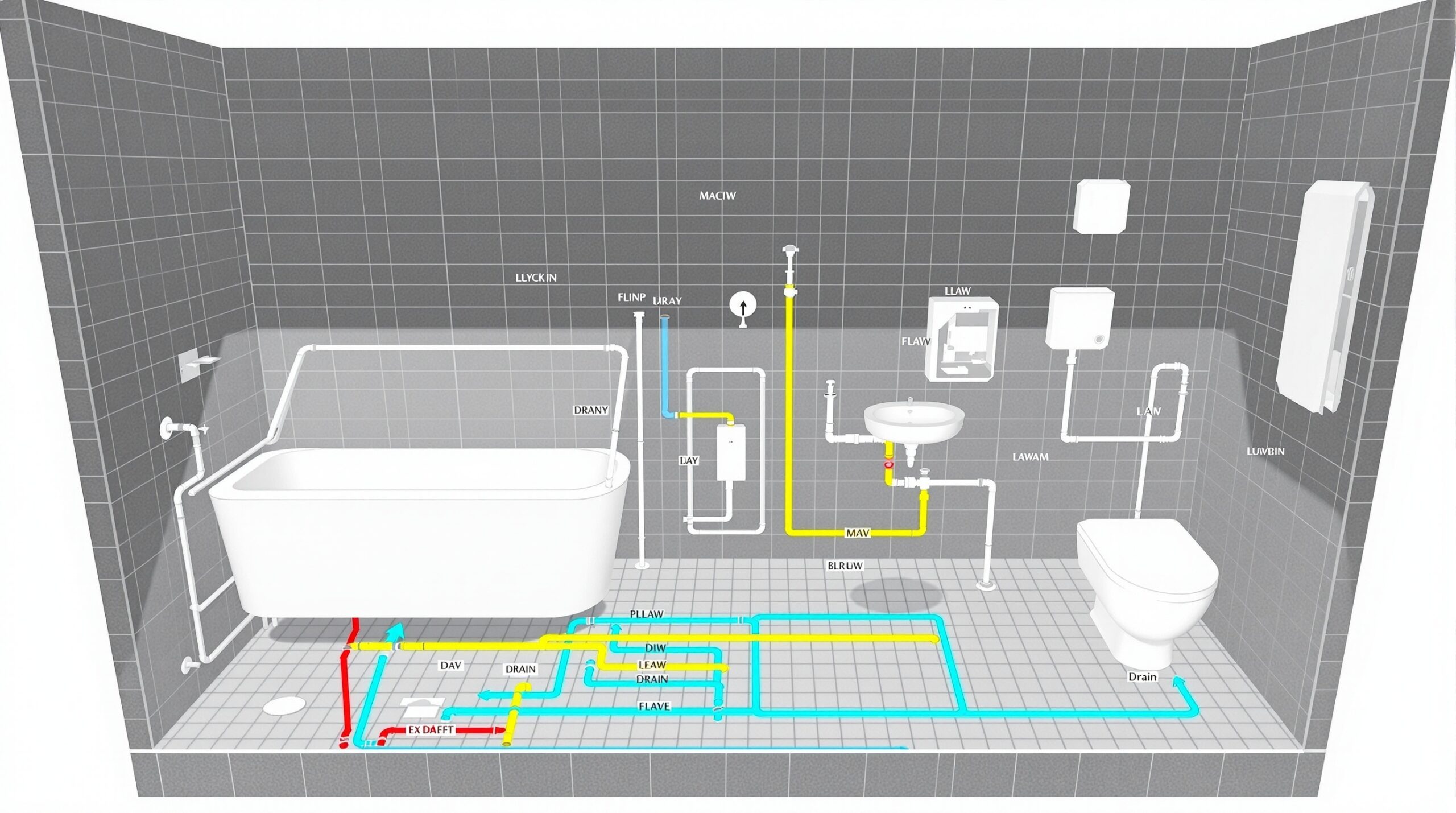
Start by sketching a rough layout of your existing plumbing system. Visualizing the routes of your water supply lines and waste pipes can be incredibly helpful.
Here’s a simple table to assist you in understanding the critical components of your bathroom’s plumbing:
| Component | Description |
|---|---|
| Water Supply Lines | Pipes that carry hot and cold water to faucets, showers, and sinks. |
| Drainage Pipes | Lines that transport wastewater from the fixtures to the sewer or septic system. |
| Vent Pipes | Vertical pipes that allow air to enter the drainage system, preventing pressure build-up and allowing for proper drainage. |
| Shut-off Valves | Valves located near fixtures that allow you to turn off water flow during maintenance or emergencies. |
| Traps | Curved sections of drain pipes under sinks and toilets that prevent sewer gases from entering the home. |
By mapping out these components, you can not only familiarize yourself with how your plumbing operates but also identify areas that may need updating as part of your renovation. Is your system outdated? Are the pipes rusted or cracked? Knowing these details will be invaluable as you plan your new bathroom layout.
Consider Flow and Functionality
Understanding your existing plumbing layout allows you to think critically about how bathroom fixtures are positioned for not just aesthetics but also function. Do you want to relocate a toilet or reposition your shower? Keep in mind that moving plumbing fixtures can come with its own set of challenges. Ensuring the flow of water and the removal of waste remains efficient is crucial.
It’s also crucial to check for existing pressure issues. Low water pressure can diminish your dream shower or lavish soaking tub; by sketching your layout, you can begin to identify which fixtures enhance your daily routine and which may need rethinking.
Collaborate with Professionals
If you’re unsure about the intricacies of your plumbing system, don’t hesitate to bring in a licensed plumber. They can provide insight into what’s feasible based on your current layout and offer solutions for any issues you may encounter. Plus, their expertise can ensure that your renovation meets local building codes, making for a smoother upgrade process.
In summary, taking the time to understand your bathroom’s current plumbing layout is a smart first step in your renovation journey. It enlightens you on what’s possible, what might need improvements, and how to seamlessly blend functionality with your desired aesthetic. As you plan this transformation, remembering that a well-informed approach to plumbing can be the difference between a dream bathroom and a renovation nightmare!
Next up, we’ll uncover common plumbing issues you might face in older homes and explore how to address them effectively. Stay tuned!
Common Plumbing Issues in Older Homes and How to Address Them
As we age, so do our homes, and with age can come a variety of plumbing challenges that can range from minor annoyances to major headaches. If your bathroom is located in an older home, understanding potential plumbing issues can save you time and prevent frustration during your renovation. Thankfully, many of these concerns can be tackled with the right knowledge and approach.
Corroded Pipes
One of the most frequent plumbing issues in older homes is the presence of corroded pipes, particularly if they were made of galvanized steel, lead, or outdated materials. Corrosion can lead to reduced water flow, discoloration, and even leaks, making it essential to identify its signs early on. Check for rust stains near fixtures or tinged water that may indicate pipe degradation. To tackle this issue, consult a professional plumber about the best options for replacing corroded pipes with modern, durable materials like PEX or PVC, which can enhance your water flow and quality.
Leaky Faucets and Fixtures
Nothing is more irritating than the sound of a dripping faucet or leaky showerhead. In older homes, wear and tear can deteriorate seals and washers, resulting in leaks that waste water and create unsightly stains. If you notice a consistent drip, start by checking the fittings and replace any worn washers or O-rings. For persistent issues, you may want to consider replacing entire fixtures that reflect both style and current plumbing standards. Modern fixtures often come with improved technology to reduce leaks and enhance performance.
Clogged Drains
Older plumbing systems often face the issue of clogged drains due to years of debris accumulation, grease, and hair. While minor clogs can sometimes be unclogged with a plunger or over-the-counter drain cleaner, some situations may require further attention. Avoid harsh chemicals that can damage pipes and opt for natural alternatives or a professional drain cleaning service. As you plan your bathroom renovation, it may be wise to consider installing mesh strainers or upgrading to larger pipes if frequent clogs have become a concern.
Low Water Pressure
Experiencing uncharacteristically low water pressure can be a sign of underlying plumbing problems, particularly in older homes where sediment may build up in pipes over time. This can affect your showers, sinks, and other fixtures, leaving you frustrated. A thorough inspection can help identify the cause, whether it’s due to mineral buildup, leaks, or old infrastructure. Regular maintenance, including flushing your water heater and cleaning aerators, can dramatically improve performance and ensure a refreshing bathing experience.
Sewer Backups
No homeowner wants to deal with a sewer backup, but unfortunately, older homes with outdated sewer lines can be particularly vulnerable. Tree roots, cracks, and general wear can lead to blockages, resulting in unpleasant backups that threaten the integrity of your home. Should you experience this, promptly contact a professional plumber who can perform a camera inspection and recommend the right course of action, whether that’s clearing the blockage or replacing insufficient piping. Implementing routine inspections can help nip these issues in the bud before they escalate.
Ventilation Problems
Proper ventilation is crucial for any bathroom to prevent mold and mildew buildup, especially in older homes where vent pipes may be blocked or inadequate. Ensure that your bathroom has a functioning exhaust fan to facilitate airflow. If you’re not sure about the venting system’s efficiency, consider having a professional inspect it during your renovation. A well-ventilated bathroom not only enhances comfort but also protects the structural integrity of your home.
By familiarizing yourself with these common plumbing problems in older homes, you’re better equipped to make informed decisions during your renovation. Addressing these issues proactively can transform your bathroom into a fully functional haven while ensuring the longevity of your home’s plumbing system. Ready to select the ideal fixtures for your updated space? Let’s dive into choosing the right fixtures that marry functionality with efficiency.
Choosing the Right Fixtures: Functionality and Efficiency
When it comes to bathroom renovations, the significance of choosing the right fixtures cannot be overstated. These vital components play a critical role not only in defining the aesthetic of your space but also in ensuring optimal functionality and efficiency over the long term. As you move forward with your project, consider how the selections you make will impact everything from daily routines to long-term maintenance.
Prioritize Durability
Fixtures are an investment; thus, durability should be at the forefront of your selections. Look for options that represent a balance of strength and aesthetic appeal. Stainless steel or brass fixtures are favored for their resilience against rust and wear, ideal for high-touch areas like faucets and showerheads. By selecting robust materials, you’ll reduce the chances of frequent replacements down the line, which can save you time and aggravation.
Water Efficiency Matters
As water conservation becomes increasingly important, opting for fixtures that promote efficiency is a wise choice—both for the environment and your daily water usage. Low-flow faucets and showerheads can significantly reduce water consumption without sacrificing performance. Many modern fixtures are designed with this in mind, incorporating aerators and advanced technology to maintain water pressure while using less water. This means you can enjoy a revitalizing shower experience while doing your part in conserving precious resources.
Ergonomics and Comfort
Consider the daily usability of your fixtures, as comfort and accessibility can heavily influence your bathroom’s functionality. Look for user-friendly designs that cater to the needs of your household. For instance, lever handles on faucets and motion-sensor controls in showers can be much more convenient, particularly for those with mobility challenges. Think about how the setup of various elements enhances the flow of your daily routines—after all, a well-designed bathroom should be a sanctuary, not a source of frustration.
Style and Cohesion
Your fixtures should not only work well but also reflect your personal style and create a cohesive look throughout your bathroom. Consider your overall design theme—whether it leans towards modern minimalism, vintage charm, or sleek sophistication—and align your fixture selections accordingly. A harmonious design can transform an ordinary space into an extraordinary retreat and elevate the overall ambiance of your home.
Future-Proofing Your Choices
As you make decisions on fixtures, think about the long-term implications of your choices. Trends come and go, so opting for timeless designs can help ensure that your bathroom remains stylish and functional for years to come. Moreover, consider fixtures that allow for upgrades or adaptations. For example, selecting thermostatic valves for showers can enable easier updates down the line without requiring major renovations.
Ultimately, choosing the right fixtures is about understanding the delicate balance between aesthetics, functionality, and efficiency. By giving careful consideration to the components you pick, you will pave the way for a bathroom experience that enhances your home while also addressing the common plumbing issues often found in older residences. With an eye towards both beauty and practicality, you are ready to move forward into the next critical aspect of your renovation: ensuring adequate ventilation for optimal performance.
The Importance of Proper Ventilation in Bathroom Plumbing
As you delve deeper into your bathroom renovation project, one element that is often overlooked yet incredibly vital is proper ventilation. Good ventilation is the unsung hero of plumbing, playing a crucial role in maintaining a healthy, efficient, and comfortable bathroom environment. Without it, even the most beautifully designed bathrooms can fall victim to moisture-related problems that can compromise both structure and style.
Preventing Mold and Mildew
Bathrooms are naturally humid environments due to showering, bathing, and grooming routines. When ventilation is inadequate, moisture builds up, providing an ideal breeding ground for mold and mildew. These unwelcome guests not only pose health risks, especially for those with respiratory issues, but can also damage your bathroom’s surfaces, leading to costly repairs. By investing in a good ventilation system, such as exhaust fans or operable windows, you can effectively control humidity levels and keep your space clean and safe.
Enhancing Air Quality
Proper ventilation helps to improve air quality by removing excess dampness and unpleasant odors that may linger after use. Stagnant air can carry allergens and irritants, making a bathroom feel less than inviting. A well-ventilated space encourages a continuous flow of fresh air, which not only aids in creating a more pleasant experience but also contributes to the overall health of your household. This is especially important if multiple family members share the bathroom, as improved air quality can promote well-being for everyone.
Protecting Your Investment
Moisture-related issues can lead to significant damage over time, including wood rot, rusting fixtures, and compromised structural integrity. These problems can shorten the life of your plumbing system, requiring expensive repairs or replacements. Moreover, extensive damage could necessitate a complete gut job of your bathroom, erasing all your hard work and aesthetic vision. Investing in proper ventilation is crucial for protecting your renovations and ensuring the long-term viability of your plumbing systems.
Efficient Energy Use
Good ventilation can also lead to better energy efficiency in your home. By regulating temperature and humidity, a well-ventilated bathroom can reduce the strain on your heating and cooling systems, potentially lowering your energy bills. During warmer months, effective ventilation helps dissipate heat produced by showers and baths, keeping your space comfortable without resorting to additional cooling methods. This not only supports your wallet but also contributes to a more sustainable home environment.
Key Components of Bathroom Ventilation
| Component | Function |
|---|---|
| Exhaust Fan | Removes moisture and odors from the bathroom, preventing condensation and promoting air circulation. |
| Operable Windows | Allows for natural ventilation, enabling fresh air to enter and stale air to escape. |
| Venting Ducts | Directs moist air outside instead of recirculating it within the home, critical for effective moisture control. |
| Humidity Sensors | Automatically activate exhaust fans when humidity levels rise, providing hands-free moisture management. |
In conclusion, prioritizing proper ventilation in your bathroom renovation is essential for creating a comfortable, healthy, and efficient space. As you sift through design elements and fixtures, remember that a well-ventilated bathroom is not just a luxury; it’s a necessity for maintaining the quality and integrity of your home. With a well-thought-out ventilation plan in place, you can safeguard your investments and contribute to the functionality and harmony of your entire household.
Now that you’ve established the importance of ventilation, it’s time to focus on a broader aspect of your plumbing needs—hiring the right plumbing professional in Unionville, VA, will further ensure that all elements of your renovation are executed perfectly.
When embarking on a bathroom renovation in Unionville, VA, hiring the right plumbing professional is just as crucial as selecting the perfect tile or fixtures. A skilled plumber not only brings technical expertise but also peace of mind, ensuring that your renovation flows smoothly from start to finish. Here are some essential factors to consider when seeking out a plumbing professional to guide your project.
Experience Matters
The level of experience a plumber brings to your project can significantly impact the outcome. Look for professionals who have a robust portfolio of completed bathroom renovations. Their experience in navigating the challenges specific to plumbing installations and repairs will help avoid common pitfalls. A seasoned plumber in Unionville will be familiar with local codes, common plumbing challenges in the area, and the best practices for ensuring optimal performance and longevity of systems.
Reputation and Reviews
In this digital age, finding reliable reviews and testimonials is easier than ever. Take the time to research potential plumbers in your area. Websites and platforms dedicated to home improvement often feature customer feedback that can give you insight into a plumber’s work ethic, reliability, and quality. Furthermore, consider asking neighbors, friends, or family for recommendations—they can offer firsthand accounts of their experiences, helping assure you are making a sound choice.
Licensing and Certification
Always ensure that the plumber you’re considering is properly licensed and certified. This not only guarantees that they have completed the necessary training but also that they are compliant with state and local regulations. In Unionville, working with a licensed plumber is essential for ensuring that all plumbing work is performed in accordance with safety standards and building codes. This step will provide you with the legal protection you need should any issues arise post-renovation.
Communication Skills
Effective communication is the bedrock of a successful renovation. A plumbing professional should be willing to listen to your ideas, concerns, and specific needs. They should also provide clear explanations concerning the systems being installed or repaired, potential challenges, and timelines. A plumber who communicates well will not only ease your worries but will also help you make informed decisions throughout the renovation process.
Comprehensive Services
Look for a plumber who offers a wide range of services. Beyond basic plumbing installations, you might need help with water supply lines, drainage systems, or even emergency repairs if unforeseen issues arise during your renovation. Comprehensive service offerings demonstrate that a plumber is well-versed in various aspects of plumbing and can provide ongoing support if your project encounters complications. It’s much easier to build a relationship with a professional who can handle multiple aspects of your plumbing needs, ensuring continuity throughout your renovations.
Post-Installation Support
The relationship with your plumbing professional shouldn’t end once the renovation is complete. Inquire about their policies on warranties and follow-up services. A reputable plumber will stand by their work and be available for any issues that could crop up after the job is done. This not only provides an extra layer of security but also helps establish confidence in the work performed. Knowing that you have someone to call if a leak or other issue arises will provide much-needed peace of mind.
In conclusion, hiring the right plumbing professional in Unionville, VA, is a pivotal step in ensuring that your bathroom renovation is seamless and successful. By focusing on qualifications, communication, and support, you enable yourself to achieve the bathroom of your dreams without unnecessary stress. So, as you plan your renovation, keep these essential factors in mind, and you’ll be well on your way to crafting a beautiful and functional space that adds undeniable value to your home.
With these plumbing essentials in mind, your bathroom renovation in Unionville, VA can be both satisfying and successful. Remember, thorough planning and professional advice are key to achieving the bathroom of your dreams. But before you dive headfirst into renovations, let’s explore a few more vital considerations that will ensure your project runs smoothly and your investment pays off in the long run.
Identifying Outdated Bathroom Plumbing
Recognizing the signs of outdated plumbing in your bathroom is critical. Look for symptoms like frequent leaks, low water pressure, or discoloration in your water. Additionally, if you have galvanized pipes, they may be rusting internally, affecting water quality and flow. Signs of mold or water damage on walls or ceilings can also indicate plumbing problems. Checking the age of your plumbing system can provide further insights; if your plumbing is over 20 years old, it’s wise to consider an upgrade to avoid costly repairs down the line.
How Often Should Bathroom Fixtures Be Replaced?
Bathroom fixtures, such as faucets, toilets, and showerheads, should generally be replaced every 10 to 15 years, depending on their condition and style. Regular maintenance can prolong their life. However, if you’re noticing a decline in performance, rust, or constant leaks, it may be time for a refresh. Upgrading to modern fixtures not only enhances aesthetics but also improves efficiency, thereby reducing water usage over time.
Is It Necessary to Upgrade All Plumbing When Renovating?
The decision to upgrade all plumbing during a renovation can depend on the current state of your existing systems. If your plumbing is outdated, prone to leaks, or made from older materials, it’s advisable to replace it entirely. In contrast, if your plumbing is in good condition and meets current codes, you might only need to address specific areas impacted by your renovation. Discuss this with your plumber, as they can provide tailored advice that considers both functionality and the overall integrity of your home’s plumbing network.
Understanding Permits for Bathroom Renovations in Unionville, VA
Before starting your bathroom renovation, it’s crucial to familiarize yourself with the permitting requirements in Unionville, VA. Generally, most structural changes, including major plumbing work, will require a permit. This can include moving plumbing lines, adding new fixtures, or altering drainage systems. The process involves submitting an application with detailed plans for your project. Consulting with your plumber can help streamline this process, as they understand the local regulations and can assist you in obtaining the necessary permits, ensuring that your renovation proceeds without legal hurdles.
Ultimately, the key to navigating your bathroom renovation in Unionville is to take a proactive approach. By attentively observing your current plumbing, understanding when to replace fixtures, and ensuring compliance with local regulations, you can set a strong foundation for a successful project. Collaborating closely with a qualified plumber will not only enhance your renovation experience but also contribute to the overall functionality and longevity of your bathroom space. Let careful planning and informed decisions guide you as you create a bathroom that marries beauty with practicality.
With these plumbing essentials in mind, your bathroom renovation in Unionville, VA can be both satisfying and successful. Remember, thorough planning and professional advice are key to achieving the bathroom of your dreams. Renovations can often feel overwhelming, but they also present a unique opportunity to transform one of the most essential spaces in your home into a luxurious oasis. By taking a strategic approach and focusing on the core plumbing components alongside the aesthetic choices, you can ensure a finished result that meets both functional and aesthetic needs.
The Importance of Customization
The beauty of a bathroom renovation lies in the ability to personalize the space to reflect your style and cater to your daily needs. Work closely with your plumber not only to ensure the functionality of your systems but also to discuss the layout and design that will best serve your lifestyle. Whether it’s a double vanity for a busy family or a soaking tub for ultimate relaxation, your plumber can offer insights into how plumbing fixtures and layouts can be tailored to optimize both beauty and utility.
Embracing Innovation
Technological advancements in plumbing systems can streamline your renovation further. Remember to ask your plumbing professional about innovative features, such as smart water systems or eco-friendly fixtures that reduce water consumption. These modern options not only enhance the comfort of your bathroom but also contribute to sustainability efforts, making your renovation environmentally friendly while still chic and modern.
Planning for the Future
As you design your dream bathroom, think long-term. Will your family be growing? Will you be selling your home down the road? Discussing these considerations with your plumber will allow you to make informed decisions that align with potential future needs. Incorporating flexibility into your renovation plans, such as anticipating changing plumbing demands or maintenance needs, can save you time and effort later. This foresight enables your bathroom to evolve along with your life circumstances.
The Role of Lighting and Ambiance
Don’t overlook the integral role of proper lighting in your bathroom renovation. Alongside plumbing considerations, think about how light will play into the experience of your new space. A well-lit bathroom not only enhances the functionality of the space but also sets the mood for relaxation and rejuvenation. Collaborate with your plumber and contractor to create a cohesive plan for incorporating lighting that complements your newly installed fixtures while carefully considering safety and accessibility.
A Collaborative Approach
Your bathroom renovation will truly shine when you adopt a collaborative mindset with your plumber, contractor, and designer. Regular communication among team members ensures that ideas and concerns are addressed promptly and creates a smooth workflow throughout the renovation process. This teamwork fosters a sense of accountability, making it easier for everyone involved to contribute their expertise and make informed decisions that elevate the quality of the finished project.
Finalizing Your Vision
Once the planning phase concludes and you have selected your plumbing professional, it’s time to finalize your vision. Establish a timeline for the renovation process to set expectations and milestones. A clear timeline helps you stay organized, keeps the team accountable, and allows you to anticipate when key elements will be completed. It’s a gratifying aspect of the renovation process to see your vision come to life step by step, culminating in the beautiful, functional bathroom you’ve always wanted.
At the end of this journey, it’s essential to celebrate your achievements—transforming your bathroom into a space of serenity and efficiency isn’t just about the end result; it’s about the journey you took to get there. With thorough planning, the right plumbing essentials, and professional guidance, your Unionville bathroom renovation doesn’t just fulfill basic needs; it becomes a personal sanctuary that you and your loved ones can enjoy for many years to come.