Keep Your Home Cozy with Safe DIY HVAC Maintenance!
As a homeowner, there’s nothing quite like the feeling of coming back to a cozy, comfortable house after a long day. Whether it’s a scorching summer afternoon or a chilly winter evening, you rely on your heating, ventilation, and air conditioning (HVAC) system to keep your indoor environment just right. But did you know that you hold the power to help your HVAC system run smoothly? With a few safe and easy DIY maintenance tips, you can boost its performance and make sure it continues to keep your home comfortable year-round!
Why It Matters
Imagine this: it’s the height of summer and the temperatures are soaring. You walk into your home expecting it to be your cool oasis, but instead, you’re met with stuffiness and heat. That’s not how it should be! Knowing how to safely maintain your HVAC system can make all the difference. Not only does regular maintenance help avoid breakdowns on those hot summer days or chilly winter nights, but it also ensures your system is working as efficiently as possible. This means that your home stays comfy, and you can enjoy peace of mind!
The Good News: With just a little bit of knowledge and some simple steps, you can learn how to take care of your HVAC system without needing to call a professional every time. So, roll up your sleeves, grab your tools, and let’s dive into the world of safe DIY HVAC maintenance to keep your home cozy and comfortable all year long!
DIY Preventative Maintenance: Essential Tips for Ashland Homeowners
Once you’ve tackled your HVAC system’s basic upkeep, it’s time to shift your focus to proactive preventative maintenance. Just like regular exercise keeps your body healthy, consistent care can keep your home’s systems in peak condition. Here are some essential DIY tips for Ashland homeowners that will ensure your home remains a sanctuary in every season.
1. Change Your Air Filters Regularly
Air filters are the unsung heroes of your HVAC system. Clogged filters can cause your system to work overtime, leading to inefficiencies and potential breakdowns. Make it a routine to check your filters every month and change them at least every three months. If you have pets or suffer from allergies, consider shorter intervals. A clean filter improves air quality and performance!
2. Clean the Condenser Coils
Your outdoor condenser unit works hard to remove heat from your home. Over time, dust, dirt, and debris can accumulate on the coils, making it difficult for the unit to function correctly. Clear away any leaves, grass, or other debris, and gently vacuum the coils to keep them clean. This simple task can enhance efficiency and prolong the life of your system.
3. Inspect Ductwork for Leaks
Leaking ducts can account for significant energy waste. Pay attention to any areas where ducting may be disconnected or damaged, particularly in unconditioned spaces like attics or basements. Sealing leaks with mastic tape or duct sealant can improve indoor air quality and system efficiency. A quick inspection can save you from bigger issues down the road!
4. Regularly Check Thermostat Settings
Your thermostat plays a key role in maintaining comfortable temperatures. Occasionally review your thermostat settings to ensure they are aligned with your lifestyle. Upgrade to a smart thermostat if you haven’t already. Not only do they optimize energy use, but they also allow for remote adjustments, making it easier to maintain a cozy atmosphere in your home.
5. Take Care of Drainage Lines
Clear drainage lines are crucial for optimal HVAC performance. Clogs can lead to water damage and mold growth. Periodically check and clean the drain line with a mixture of vinegar and hot water to prevent buildup. This small action can help avert major headaches later on!
6. Schedule Seasonal Inspections
While this isn’t strictly a DIY task, it’s important to integrate seasonal HVAC inspections into your maintenance routine. Aim for spring and fall dates to prepare for the upcoming heat or cold. A quick tune-up can catch minor issues before they escalate, ensuring your system is ready for the temperature swings of Ashland’s seasonal weather.
DIY Maintenance Checklist
| Task | Frequency | Importance |
|---|---|---|
| Change Air Filters | Every 1-3 months | Improves air quality and efficiency |
| Clean Condenser Coils | Twice a year | Enhances system performance |
| Inspect Ductwork | Every 6 months | Reduces energy waste |
| Check Thermostat Settings | Monthly | Ensures optimal comfort |
| Clean Drainage Lines | Every 6 months | Prevents mold and water damage |
| Schedule Seasonal Inspections | Twice a year | Catches small issues before they escalate |
By following these crucial DIY preventative maintenance tips, you can not only keep your home in tip-top shape but also save yourself from unforeseen repairs and discomfort down the line. Remember, a little effort now goes a long way in ensuring your Ashland home remains an inviting haven, no matter the weather outside. Stay tuned as we explore when it’s time to consult local HVAC experts for professional help!
Consulting Local HVAC Experts: When to Call for Professional Help
Even the most diligent homeowner will encounter situations requiring the expertise of local HVAC professionals. While DIY maintenance can extend the life of your system and improve its efficiency, some issues are best left to the trained eyes of specialists who know the ins and outs of HVAC technology. Here are several key indicators that it’s time to call in the pros.
1. Unusual Noises or Smells
Your HVAC system should operate quietly, with minimal noise during normal function. However, unfamiliar sounds—such as banging, hissing, or grinding—could indicate mechanical issues or loose parts that need immediate attention. Similarly, if you detect strange odors—especially burnt or chemical smells—it’s a sure sign to call a professional. They can diagnose and address the issue before it leads to major system failure.
2. Frequent Cycling
If your HVAC system frequently cycles on and off—known as short-cycling—it may struggle with overheating or an undersized system. Frequent cycling places significant strain on the unit and can lead to reduced performance and longevity. An HVAC expert can assess the system’s load requirements and make necessary adjustments to restore proper function.
3. Inconsistent Temperatures
Are certain rooms in your home consistently hotter or colder than others? Uneven heating or cooling can be frustrating and uncomfortable, indicating potential problems in ductwork, insulation, or system efficiency. Local HVAC professionals can conduct a thorough evaluation to identify any underlying issues and recommend solutions to ensure even, comfortable temperatures throughout your home.
4. Increased Energy Bills
A sudden spike in your energy bills can hint at inefficiencies within your HVAC system. While external factors like weather can contribute, inefficient equipment may often be the culprit. Whether it be worn-out components or improper calibration, calling in local experts can provide insight into the reasons behind rising costs and offer strategies for optimizing your system’s performance.
5. Age of Your System
HVAC systems have a lifespan of approximately 10 to 15 years, depending on maintenance and usage. If your system is approaching or exceeding this threshold, consulting local HVAC specialists is wise. They can evaluate whether it’s more beneficial to repair or replace your unit, ensuring you make informed choices about the future of your home’s heating and cooling needs.
6. Inadequate Airflow
Weak airflow can stem from various sources, including blocked ducts, dirty filters, or malfunctioning fans. If you notice reduced airflow from your vents, don’t hesitate to reach out to an HVAC professional. They can identify the source of the problem and restore optimal air movement throughout your home.
Recognizing when it’s time to seek help from local experts can save you time, effort, and potential disruption in comfort. By fostering a relationship with your HVAC professionals, you not only ensure your system runs efficiently but also enhance your home’s overall environment. With all the tools and knowledge acquired through DIY maintenance, you can make informed decisions, maximizing your HVAC system’s performance!
Energy Savings and Efficiency: Maximizing Your HVAC’s Performance
Once you’ve identified the right time to consult local HVAC experts, the next crucial step in enhancing your home’s comfort lies in maximizing your HVAC system’s performance through energy savings and efficiency measures. With growing awareness of environmental impact and rising energy demands, homeowners are increasingly seeking effective strategies to lower their energy consumption while maintaining optimal indoor climate conditions. Here are some tips that can help you unlock the full potential of your HVAC system.
1. Regular Maintenance Is Key
Consistent maintenance is the backbone of any efficient HVAC system. Scheduling routine check-ups allows HVAC professionals to conduct comprehensive inspections, clean vital components, and make adjustments as necessary. These visits are crucial to keeping the system running smoothly and can significantly enhance energy efficiency. Regularly changed air filters will not only improve airflow but will also extend the lifespan of your unit. Don’t wait until a small problem escalates; preventative upkeep is the cornerstone of energy-saving strategies.
2. Smart Thermostats: The Future of Home Comfort
Investing in a smart thermostat can dramatically improve your HVAC system’s efficiency. These innovative devices learn your patterns and adjust the temperature accordingly, leading to optimized energy use. For example, a smart thermostat can lower the temperature during the day when the house is empty and increase it just before you return home, ensuring comfort without excess energy use. Many models even provide energy usage reports, empowering you to make informed decisions regarding your heating and cooling habits.
3. Zoning Systems: Customized Comfort
If certain areas of your home consistently require different temperatures, consider implementing a zoning system. This technologically advanced approach divides your home into zones, allowing you to control the heating and cooling in each area individually. Not only does this enhance comfort, but it also prevents energy waste in unoccupied rooms. Zoning can make a significant impact on overall efficiency, ensuring that your HVAC system works smartly rather than harder.
4. Seal and Insulate Ductwork
Leaky ducts can lead to considerable energy loss and reduce the overall efficiency of your HVAC system. To improve air distribution and reduce energy wastage, inspect your ductwork for leaks and ensure it’s properly insulated. Air leaks in duct systems can account for a staggering percentage of energy loss, leading to additional strain on your system and higher energy consumption. By sealing and insulating your ducts, you can create a more efficient system that delivers better performance while conserving energy.
5. Embrace Energy-Efficient Equipment
When it’s time to upgrade or replace your HVAC system, opt for energy-efficient models. Look for the ENERGY STAR® label, which indicates that the system meets stringent energy efficiency guidelines set by the U.S. Environmental Protection Agency. Energy-efficient units are designed to operate using less energy while maintaining high levels of performance. While they may have higher upfront costs, the long-term savings on energy bills often outweigh the initial investments, making them a lucrative choice for eco-conscious homeowners.
6. Use Ceiling Fans Strategically
Ceiling fans are a powerful ally when it comes to enhancing HVAC efficiency. In the summer, running the fans counterclockwise can create a chilling breeze, allowing your HVAC system to feel less strained. Conversely, during the winter months, reversing the fan direction can push warm air that rises back down into your living space. By integrating ceiling fans into your climate control strategy, you can enjoy year-round comfort while reducing reliance on HVAC units.
Applying these energy savings and efficiency strategies can transform not only your HVAC performance but also your home’s overall energy profile. By taking proactive steps to enhance efficiency, you’re not just fostering a comfortable living environment—you’re also taking significant strides toward sustainability. Embrace these practices to make the most of your HVAC system, ensuring it remains a reliable ally for years to come.
Improving Indoor Air Quality: Creating a Healthier Home Environment
As we dive deeper into enhancing the comfort of our homes, one crucial aspect often gets overlooked: indoor air quality (IAQ). While maximizing the performance of your HVAC system is essential for energy efficiency, ensuring that the air circulating within your home is clean and healthy is paramount. Poor indoor air quality can lead to a range of health issues, from allergies to respiratory problems, making it vital to take action. Here’s how you can create a healthier indoor environment to complement your HVAC improvements.
1. Invest in High-Quality Air Filters
Filtering out pollutants begins with upgrading your air filters. Standard fiberglass filters remove only larger particles, but HEPA filters are designed to capture tiny pollutants, including dust mites, pet dander, and pollen. Regularly replacing or cleaning these filters ensures that your HVAC system efficiently circulates only clean air, enhancing your overall indoor environment.
2. Incorporate Air Purifiers
Adding air purifiers to your home can significantly reduce indoor air pollution. These devices work by trapping airborne contaminants, providing an additional layer of protection against harmful particles. Consider placing them in rooms that see heavy use or where family members with allergies or respiratory issues spend the most time. Modern air purifiers come equipped with advanced features, such as UV light technology, which further enhances their air-cleaning capabilities.
3. Ensure Proper Ventilation
Fresh air is vital for maintaining healthy indoor air quality. Ensure that your home is adequately ventilated to prevent the buildup of moisture and indoor pollutants. Install exhaust fans in areas prone to humidity, such as kitchens and bathrooms, to expel stale air and allow fresh air to enter. Consider using energy recovery ventilators (ERVs) or heat recovery ventilators (HRVs) that exchange stale indoor air for fresh outdoor air while conserving energy.
4. Monitor Humidity Levels
Keeping humidity levels in check is crucial for maintaining good indoor air quality. High humidity can promote mold growth, while low humidity can dry out airways and lead to discomfort. Aim for indoor humidity levels between 30% and 50%. Using dehumidifiers in damp areas and humidifiers in dry conditions can help you achieve this balance, creating a comfortable living environment that promotes better health.
5. Keep Indoor Plants
Not only do indoor plants beautify your space, but they also have air-purifying qualities. Certain plants, such as the snake plant, spider plant, and peace lily, can absorb harmful toxins and improve air quality. Incorporating a variety of indoor plants in your home provides a natural way to enhance IAQ while adding a touch of nature to your surroundings.
6. Regularly Test for Air Quality
To truly understand the quality of the air you live in, consider investing in indoor air quality monitors. These devices can detect levels of volatile organic compounds (VOCs), carbon dioxide, and particulate matter. By regularly testing IAQ, you can identify sources of pollution and take corrective actions, ensuring a healthier living environment for your family.
| Indoor Air Quality Improvement Method | Benefit |
|---|---|
| High-Quality Air Filters | Reduces allergens and improves airflow |
| Air Purifiers | Captures airborne pollutants for cleaner air |
| Ventilation Systems | Prevents moisture buildup and brings in fresh air |
| Humidity Control | Minimizes mold growth and maintains comfort |
| Indoor Plants | Naturally purifies air and enhances aesthetics |
| Air Quality Monitors | Provides awareness of pollutant levels in the home |
By actively focusing on improving indoor air quality, you can create a healthier home environment that supports your family’s well-being. A clean air space complements an efficient HVAC system perfectly, offering you not only comfort but also peace of mind. The journey toward a healthier home is a multi-faceted one—embrace these practices and stand on the threshold of a revitalized living experience.
Enhancing Home Comfort through Smart HVAC Upgrades
With the right upgrades, your HVAC system can evolve from a mere necessity to a cornerstone of comfort in your home. These enhancements not only optimize performance but also promote a healthier, more vibrant living environment for you and your loved ones. Let’s explore innovative ways to augment your HVAC system, ensuring it functions seamlessly with your lifestyle and home needs.
1. Embrace Smart Thermostats
Upgrading to a smart thermostat is a transformative step in the quest for home comfort. These devices learn your habits and preferences, automatically adjusting temperatures for maximum efficiency. Imagine arriving home to a perfectly cooled or heated space without having to lift a finger. With remote access via smartphone apps, you can easily manage settings on the go, ensuring your home environment is just how you like it—whether you’re home or away.
2. Install Zoning Systems
Does your family argue over the thermostat settings? Enter zoning systems—ingenious solutions that allow different areas of your home to maintain customized temperatures. This is particularly beneficial for larger homes or multi-story residences where rooms can vary significantly in climate. By providing personalized comfort throughout your living space, zoning systems enhance overall satisfaction and efficiency, ensuring every family member feels at home.
3. Upgrade to a High-Efficiency HVAC Unit
If your current system is beginning to show its age, consider an upgrade to a high-efficiency HVAC unit. These cutting-edge systems are designed to use considerably less energy while providing superior heating and cooling capabilities. Equipped with advanced technologies, they not only improve comfort but also contribute to a greener future. Opting for units with variable-speed compressors can also provide an added level of adaptability, allowing for quieter operation and more precise temperature control.
4. Integrate Smart Vent Technology
Smart vent technology takes comfort to the next level by mechanically adjusting airflow throughout your home. Equipped with sensors that detect temperature variations, these vents open and close as necessary to ensure balanced heating and cooling in every room. This promotes a more consistent climate, reducing the strain on your HVAC system and leading to an enhanced home experience. You get comfort tailored to your lifestyle without compromising on efficiency.
5. Consider Ductless Mini-Split Systems
For homes without existing ductwork or those seeking an energy-efficient solution, ductless mini-split systems shine as a fantastic option. These versatile units allow for flexible installation and provide the capacity to heat or cool individual rooms independently. This means you can maintain comfort in underutilized spaces only when needed, ultimately optimizing energy usage without sacrificing convenience or coziness.
6. Harness the Power of Home Automation
Linking your HVAC system to your smart home network opens up endless possibilities for comfort. Imagine receiving alerts about air quality or maintenance needs sent directly to your smartphone. Integrating your HVAC with other smart technology allows for a holistic control that can manage lighting, humidity, and even air quality in one convenient platform. Automation ensures that your environment maintains an optimal balance without requiring constant attention.
By investing in these smart HVAC upgrades, you’re not only enhancing your home’s comfort levels but also creating a harmonious living environment tailored to your needs and lifestyle. Each enhancement works synergistically, allowing your system to operate at its best, resulting in a refreshing sanctuary for all who inhabit it. As you turn your attention to your HVAC system, remember that a well-tuned, modern system is an investment in your family’s comfort, health, and overall happiness.
As your journey continues, the next logical step involves implementing safe and effective DIY HVAC maintenance practices. These proactive measures will not only foster a comfortably balanced home environment but also extend the lifespan of your system, ensuring reliability and comfort every season. Let’s delve into the practices that can keep your heating and cooling efforts running smoothly.
Frequently Asked Questions about HVAC Maintenance
As homeowners increasingly seek to improve their HVAC systems, a myriad of questions arises about optimal practices and proper maintenance strategies. Let’s address some of the most common inquiries to empower you in safeguarding your home’s comfort and efficiency.
What DIY practices can improve my HVAC system’s efficiency?
Simple yet effective DIY practices can significantly enhance your HVAC system’s efficiency. One of the most impactful measures is regularly changing filters—this should ideally be done every 1-3 months, depending on usage and home conditions. Also, remember to clear any debris around your outdoor units, such as leaves, dirt, or branches, which can obstruct airflow. This not only helps your unit to run more efficiently but also prolongs its lifespan, ensuring your home stays comfortable without unnecessary strain on the equipment.
When should I replace my HVAC filters?
Replacing your HVAC filters is crucial for maintaining optimal air quality and system performance. Generally, it’s recommended to check and replace filters every 1 to 3 months. However, factors like a home with pets, high dust volume, or frequent use of the HVAC system may necessitate more frequent changes. Maintaining clean filters allows for better airflow, reduces strain on the system, and promotes healthier indoor air quality.
Can frequent maintenance help reduce repair needs?
Absolutely! Engaging in regular maintenance is your best defense against costly repairs down the line. By proactively addressing minor concerns—like unusual noises or fluctuating temperatures—you can prevent these issues from escalating into larger, more costly repairs. Scheduled check-ups can also ensure all system components are working together harmoniously, ultimately extending the lifespan of your HVAC system.
How does a programmable thermostat contribute to energy savings?
Programmable thermostats are a game-changer for energy efficiency. By allowing you to set specific temperatures for different times of the day, they help minimize energy consumption when the house is unoccupied. For example, you can program your thermostat to reduce heating or cooling while you’re at work or asleep and automatically resume your preferred settings just before you arrive home. This smart regulation keeps your home comfortable while significantly reducing unnecessary energy use.
Are there specific indicators that suggest I need professional HVAC repair services?
Yes, keeping an ear out for certain indicators is essential. If you notice unusual noises—like banging or clattering—from your HVAC system, or if temperatures fluctuate widely across different rooms, these may signal underlying issues. Additionally, an uptick in your energy bills can indicate that your system is working harder than usual, possibly due to inefficiencies or malfunction. In these cases, consulting with HVAC professionals is highly advisable to diagnose and remediate the problems before they worsen.
In summary, maintaining and upgrading your HVAC system doesn’t have to be a daunting task. With a little guidance and proactive measures, you can significantly enhance your home’s comfort and efficiency. Get ready to take on those DIY projects and enjoy a more balanced living environment!
Implementing Safe and Effective DIY HVAC Maintenance Practices
Taking a hands-on approach to HVAC maintenance can be incredibly rewarding for Ashland homeowners, as it empowers you to create a consistently comfortable living space while ensuring your HVAC system remains in peak condition. By following safe and effective DIY practices, you can not only extend the life of your system but also enhance your family’s comfort throughout the year. Here are some essential maintenance tips to incorporate into your routine:
1. Regular Filter Replacement
The simplest yet most significant way to maintain your HVAC system’s efficiency is by regularly replacing air filters. Clogged filters restrict airflow, causing your system to work harder and less efficiently. A good rule of thumb is to check your filters monthly and replace them every 1-3 months, depending on usage and the type of filter. Clean filters not only improve air quality but also help your system run smoothly, keeping your home comfortable.
2. Schedule Seasonal Check-ups
Even the most diligent DIYer may benefit from the professional touch. By scheduling seasonal check-ups for both heating and cooling systems, you can catch potential issues before they become significant problems. A qualified technician can perform crucial services such as checking refrigerant levels, inspecting the electrical components, and ensuring that all system parts are functioning correctly. Consider these check-ups a preventative measure that paves the way for seasonal peace of mind.
3. Clean the Outdoor Condenser Unit
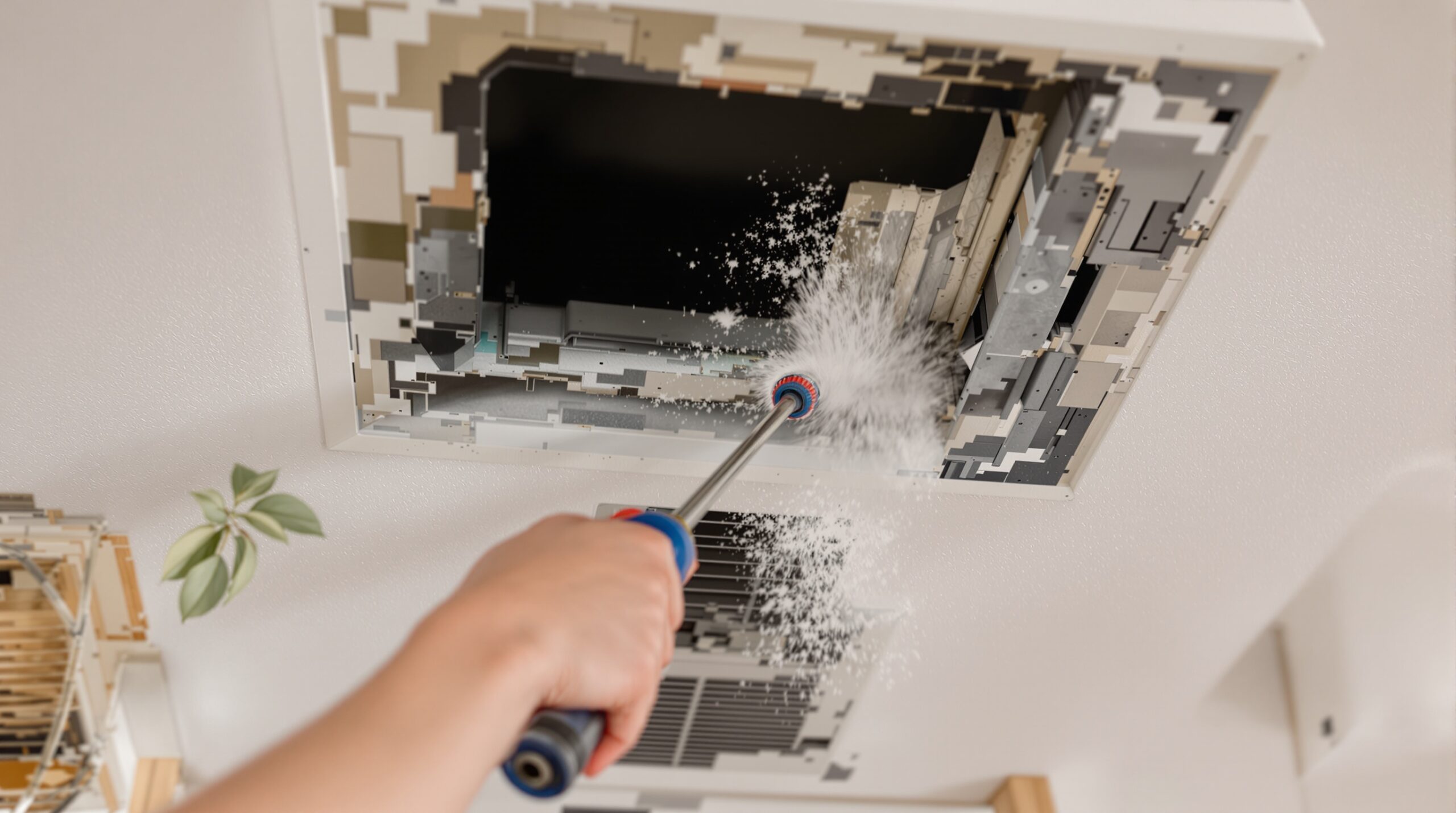
Your outdoor condenser unit can take a beating from Mother Nature, so regular cleaning is essential. Clear away leaves, dirt, and debris surrounding the unit to optimize airflow and efficiency. Gently rinse the fins with a hose to remove dirt buildup while being careful not to damage them. Checking for any blockages in the drain pan or condensate line is also crucial in preventing overflow issues—essentially safeguarding both your HVAC system and home from unnecessary moisture issues.
4. Check the Ductwork for Leaks
Leaky ducts can severely impede your system’s efficiency. Inspect visible ductwork for any signs of damage or disconnections. If leaks are found, sealing them with duct tape or mastic can help restore optimal airflow. Additionally, consider adding insulation to ductwork in unconditioned spaces to maintain balanced temperatures, further enhancing comfort levels in your home.
5. Ensure Adequate Ventilation
Good air circulation and ventilation are critical for a comfortable home environment. Make sure vents are not blocked by furniture or décor and that they are open in each room where you want heating or cooling. Consider using fans to help circulate air more effectively throughout your living space, promoting an even temperature while reducing strain on your HVAC system.
6. Monitor Humidity Levels
Humidity can significantly impact comfort levels in your home. Installing a hygrometer allows you to monitor indoor humidity and make adjustments as needed. Ideally, indoor humidity levels should be between 30-50%. If you find levels are too high, using dehumidifiers or adjusting your HVAC’s settings can make a notable difference in comfort. Conversely, if humidity is too low during winter, consider using a humidifier to maintain a comfortable, balanced atmosphere.
By embracing these DIY HVAC maintenance practices, Ashland homeowners can cultivate a consistently comfortable home environment while enjoying the myriad benefits of an efficient system. Regular maintenance not only keeps your HVAC system running smoothly but also contributes to improved air quality and a healthier home. By investing your time and energy into care and upkeep, you’ll enhance your family’s comfort and create a serene living space that feels just right—season after season.
Of course, knowing when to consult HVAC experts is equally essential in this journey. Routine maintenance, while critical, doesn’t replace the need for professional assistance when dealing with more complex issues. Understanding your limits ensures the reliability of your system and your family’s comfort, making for a well-rounded approach to HVAC care.