Understanding Your Water Pressure
Imagine this: you step into the shower after a long day, ready to feel refreshed and relaxed. You turn the faucet, but instead of a strong, invigorating stream of water, you’re met with a frustrating trickle. This is a scene all too familiar for many homeowners in Lake Monticello, VA. Dealing with low water pressure can turn daily routines, like showering and washing dishes, into an exercise in patience.
The Challenge of Low Water Pressure
Low water pressure can feel like a mystery. Why does it happen? Is there anything you can do? First and foremost, it’s important to understand that those problems often stem from a few common issues in your home’s plumbing system. In Lake Monticello, local soil and environmental factors can contribute to those pesky plumbing quirks. But don’t fret—this guide is here to help you tackle those challenges head-on!
Take Control of Your Water Flow
The good news is that boosting your water pressure doesn’t have to be complicated. By learning a bit about your home’s plumbing and the factors that affect water flow, you can find simple yet effective solutions. Whether you have a drippy faucet or a shower that feels more like a sponge bath, the strategies we’ll explore are designed for homeowners just like you.
So grab a cup of your favorite drink, settle in, and get ready to unlock the secrets of better water pressure in your home. Together, we’ll navigate through straightforward techniques that will enhance your water flow, making every drop count!
Understanding the Basics of Water Pressure
Water pressure refers to the force of water flowing through your plumbing system, and it is integral to ensuring that faucets and appliances operate effectively. In Lake Monticello, where the water supply originates from various sources, understanding the basics of water pressure is essential for homeowners who want to make the most out of their plumbing systems.
How Water Pressure Works
To put it simply, water pressure is created by the gravitational pull on water in elevated storage tanks or by the mechanical force generated from pumps. The main factor that affects your home’s water pressure is the height at which water is stored. The higher the tank, the greater the pressure. Additionally, the size of your pipes and how they are configured can influence water flow and pressure levels throughout your home.
In a well-functioning system, water should travel through the pipes smoothly, enabling you to enjoy a consistent flow from your faucets and showers. However, several factors can cause fluctuations in this pressure, leaving homeowners puzzled and frustrated.
Why Water Pressure Might Fluctuate
There are numerous reasons for varying water pressure, particularly in areas like Lake Monticello. Some factors include:
- Elevation Changes: If your home is located at a higher elevation relative to the water source, you may experience lower water pressure than homes situated at lower elevations.
- Time of Day: Water pressure can differ based on demand. Early mornings and late evenings see higher demand as residents wake up or settle down, potentially decreasing pressure.
- Pipe Size and Age: Older pipes with smaller diameters or those accumulated with mineral deposits can slow the velocity of flowing water and result in lower pressure.
Key Factors Influencing Water Pressure
Let’s break down some key influences on water pressure in Lake Monticello into a quick-reference table:
| Factor | Impact on Water Pressure |
|---|---|
| Elevation of the Property | Higher elevations may experience decreased pressure compared to lower areas. |
| Municipal Supply Demand | Peak usage times can lower pressure for all residents in the area. |
| Pipe Condition | Older or damaged pipes can restrict flow and reduce pressure. |
| Temperature Variations | Seasonal temperature changes can cause water expansion or contraction, influencing pressure. |
| Fixtures and Appliances | Faulty fixtures can limit flow, creating the perception of low pressure. |
If you’ve ever wondered why your water pressure swings from strong to weak or vice versa, the factors outlined above provide great insight into the potential causes. Armed with this knowledge, homeowners in Lake Monticello can take proactive steps to address their water pressure woes, ensuring that daily life runs smoother on all fronts.
Common Causes of Low Water Pressure
As the residents of Lake Monticello enjoy their serene surroundings, they may sometimes find themselves confronted with the frustration of low water pressure. Understanding the common causes behind this issue is key to diagnosing and rectifying the situation. Here are some prevalent factors that can contribute to decreased water pressure in homes throughout the community:
- Blockages: One of the most frequent culprits behind low water pressure is blockages in the plumbing system. Over time, mineral deposits from hard water, rust, or debris can accumulate inside pipes and faucets, narrowing the flow path. This can dramatically reduce the available pressure, affecting everything from shower performance to kitchen sink usability. Regular maintenance, such as cleaning aerators and flushing the system, can help mitigate these blockages.
- Leaky Pipes: Undetected leaks within your plumbing network can lead to a significant drop in water pressure. These leaks might occur behind walls or underneath floors, making them difficult to pinpoint without a careful inspection. Over time, they not only diminish pressure but can also cause water damage to your property. Conducting routine checks for damp spots, mold growth, or unusual sounds from your pipes can help identify trouble areas early.
- Municipal Supply Issues: In Lake Monticello, the source of your water supply plays a crucial role in pressure levels. Municipal supply issues, be it maintenance work, pipe bursts, or increased demand during peak hours, can directly affect water pressure in homes. It’s wise for residents to stay informed through local news or community boards when maintenance work is underway, as this can temporarily impact supply and pressure.
- Pressure Regulator Problems: Many homes are equipped with water pressure regulators to maintain a consistent water flow. If this device malfunctions, it may over-restrict the water flow or lead to erratic pressure, potentially causing noticeable issues with drenching showers or powerful dishwashers. Homeowners can benefit from regular inspections to ensure their pressure regulators are functioning correctly.
- Appliance Issues: Sometimes, the source of low water pressure may stem from particular appliances or fixtures rather than the plumbing system overall. Faulty or aging fixtures can constrict water flow, misleading homeowners into believing the pressure is universally low. Regularly testing and maintaining these fixtures can help confirm whether they are the real source of the problem.
By familiarizing themselves with these common causes of low water pressure, Lake Monticello homeowners can take the first step towards diagnosing issues, prompting proactive solutions that enhance their daily water use experience. Whether it’s addressing blockages, inspecting for leaks, or keeping an eye on municipal supply updates, knowledge is key to managing and maintaining optimal water pressure in your home.
DIY Solutions to Improve Water Pressure
Having identified the common causes of low water pressure, homeowners in Lake Monticello are now equipped to tackle the problem head-on. Fortunately, there are several DIY solutions that can potentially improve water pressure without the need for costly professional interventions. Here’s a step-by-step guide to effective methods you can carry out in your home:
- Cleaning Aerators: Start by checking the aerators on your faucets, as they can become clogged with mineral deposits over time. Here’s how to clean them:
- Use a wrench or pliers to carefully unscrew the aerator from the faucet.
- Inspect the screen for debris and mineral buildup. If it’s dirty, soak it in a mixture of equal parts vinegar and water for 30 minutes to dissolve the deposits.
- Scrub the aerator gently with an old toothbrush to remove any remaining grime.
- Rinse it thoroughly with water, reassemble, and screw it back onto the faucet. Turn on the water to check if pressure has improved.
- Checking for Leaks: Identifying and repairing leaky pipes can significantly enhance water pressure. Follow these steps:
- Walk around your home and inspect visible plumbing for any signs of moisture. Look under sinks, around the base of appliances, and in the basement or crawl spaces.
- Pay attention to any damp spots or mold growth, which can indicate hidden leaks. Use a moisture meter if you have one to pinpoint issues.
- If you suspect a leak but can’t find it, observe your water meter. Turn off all water fixtures in your home, and check if the meter is still moving—if it is, there’s a leak somewhere in your system.
- Once you locate a leak, you can often fix small leaks with tape or sealant. For larger issues, it may be advisable to consult with a professional.
- Flushing the System: Over time, sediment can settle in your pipes and lead to blockages. Flushing your plumbing system can help clear this buildup. Here’s how to do it:
- Start by turning off the main water supply to your home.
- Open all faucets in your house, starting from the highest point (usually on the second floor) and working your way down to the basement. This allows any trapped air to escape.
- Once all faucets are running, open the main supply valve to allow fresh water to flow into the system. Let the water run for a few minutes to flush out any sediment.
- Close each faucet in reverse order once flushed, and monitor your water pressure after completing the process.
- Inspecting Pressure Regulator: If your home has a pressure regulator, it’s important to ensure it is functioning properly. Here’s how:
- Locate your pressure regulator, which is usually found near where the water line enters your home.
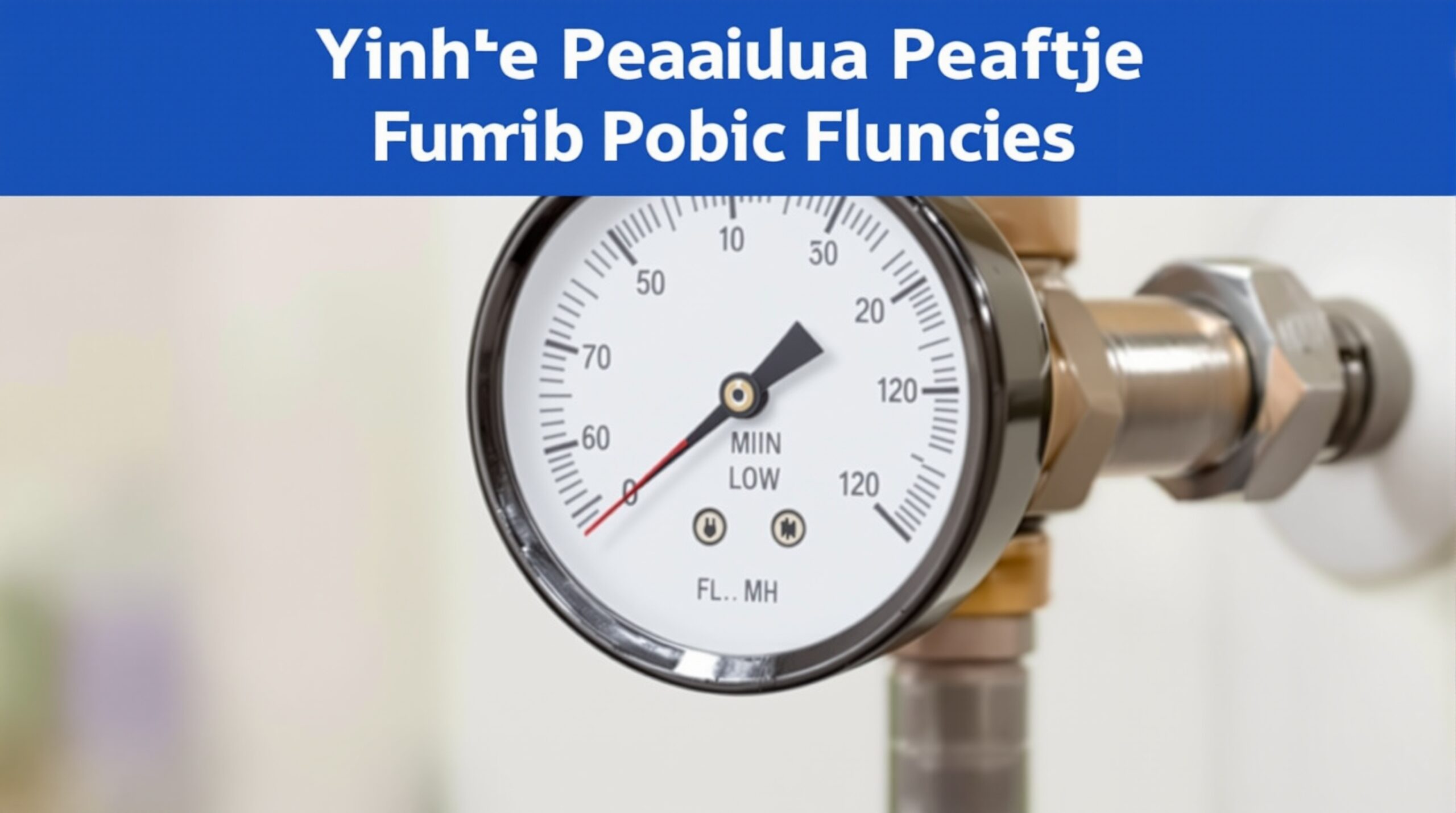
- Check for visible signs of wear or damage, and ensure the pressure gauge is reading within the normal range.
- Make minor adjustments according to the manufacturer’s instructions. If you are unsure of how to reset or calibrate the regulator, seeking guidance from a plumbing professional may be beneficial.
- Testing and Replacing Fixtures: Sometimes, the issue may not lie within the plumbing system but rather with individual fixtures themselves:
- Test various faucets and fixtures to identify if the pressure drops are isolated to specific areas.
- Consider replacing aged or faulty fixtures, such as showerheads or faucet cartridges, as these can restrict water flow and contribute to pressure inconsistencies.
By taking the time to implement these DIY solutions, homeowners in Lake Monticello can tackle low water pressure with confidence. With a combination of cleaning, inspecting, and maintaining your plumbing system, you can potentially restore that robust flow of water that enhances daily routines. Not only does this empower homeowners to manage their own systems, but it also fosters a sense of community resilience in facing common household challenges.
Advanced Strategies for Persistent Problems
While DIY solutions can work wonders for many homeowners, some water pressure issues may prove too stubborn to handle alone. When basic fixes don’t yield the desired results, exploring advanced strategies becomes crucial. One such effective option is the installation of pressure-reducing valves (PRVs), which can make a world of difference for those struggling with persisting water pressure problems. This section delves into the advantages of implementing PRVs and other advanced options for optimal water flow.
Understanding Pressure-Reducing Valves (PRVs)
A pressure-reducing valve is a mechanical device designed to regulate the water pressure from the main supply line into your home, ensuring that it remains at a safe and efficient level. PRVs are especially beneficial for homes located in areas with high municipal water pressure or those experiencing fluctuations in supply pressure. Below are some compelling benefits of installing a PRV:
- Consistent Water Pressure: By automatically adjusting the incoming water pressure, PRVs provide a stable flow across all fixtures, reducing pressure fluctuations caused by demand changes from faucets or appliances.
- Protection for Plumbing Systems: Excessive pressure can lead to wear and tear on pipes, fixtures, and appliances. PRVs safeguard your plumbing from unnecessary stress, potentially extending the lifespan of your system.
- Energy and Water Savings: A PRV can help prevent overuse by regulating water flow, contributing to lower consumption and conservation efforts while keeping your bills in check.
- Increased Comfort: Enjoying a consistent stream of water enhances daily activities, from showering to washing dishes, creating a more pleasant living experience.
Advanced Water Pressure Solutions
In addition to PRVs, several advanced options can address ongoing water pressure challenges:
| Solution | Description | Benefits |
|---|---|---|
| Variable Speed Pumps | These pumps adjust their speed based on real-time water demand, ensuring consistent pressure. | Efficient water delivery and reduced energy consumption. |
| Booster Pumps | Designed to increase water pressure in specific areas where it may be low. | Improved pressure for showers and faucets, especially for multi-story homes. |
| Flow Restrictors | Installed in fixtures, these devices manage the flow rate to maintain pressure. | Enhance water efficiency while preventing pressure loss during peak usage. |
| Pipe Upgrades | Replacing outdated or obstructed pipes can significantly enhance water flow. | Reduces blockage, ensuring optimal pressure throughout the system. |
Before deciding on any advanced solutions, it’s wise to consult with a plumbing professional. They can assess your specific circumstances, helping you determine the most effective approach for your water pressure woes. By integrating these advanced technologies, homeowners can finally say goodbye to those frustrating low-pressure days, ensuring a more efficient and enjoyable experience with their water systems.
When to Call a Professional Plumber
Despite your best efforts with DIY solutions and advanced strategies, there comes a pivotal moment in every homeowner’s journey when the plumbing troubles morph into a complex labyrinth that requires expert navigation. Knowing when to enlist the help of a professional plumber can make a world of difference in avoiding further complications and ensuring your home’s plumbing runs smoothly. Here’s how to recognize those signs that it’s time to reach for the phone.
1. Persistent Drainage Problems
If your sinks, tubs, or toilets are consistently slow to drain despite treatment with store-bought drain cleaners and plungers, it’s time to call a professional. These persistent drainage issues could signify clogs deep within the plumbing that conventional methods simply can’t reach. Professional plumbers have the tools and expertise to conduct thorough inspections and deploy advanced techniques like hydro-jetting, which blasts away stubborn clogs while safeguarding your pipes.
2. Recurring Leaks
Spotting an occasional drip may seem minor, but if leaks recur in different areas of your home, it may indicate a more significant underlying issue, such as damaged pipes or even foundation issues. Professional plumbers can not only fix the leaks but also identify the root causes, offering solutions that provide long-term protection against future leaks.
3. Low Water Pressure During Peak Usage
Experiencing low water pressure that coincides with peak usage times—like when multiple showers are running or the dishwasher is operating—is a common dilemma. If adjustments to fixtures or systems haven’t rectified the issue, a professional can analyze your plumbing layout and recommend effective solutions tailored to your needs, ensuring you regain comfort and efficiency.
4. Water Quality Concerns
Discoloration, foul odors, or unexplained changes in your water quality warrant immediate attention. Such signs could suggest the presence of contaminants or other serious issues like corroded pipes. Addressing these problems requires not just expert knowledge but also specialized equipment to adequately test and secure your water supply. A professional plumber can perform water quality tests and implement necessary upgrades to assure that what flows from your taps is safe and clean.
5. Unfamiliar Noises from Plumbing Systems
Gurgling, banging, or hissing sounds emanating from your pipes are not just random noises; they’re often a cry for help from your plumbing system. Such sounds can indicate blockages, air trapped in pipes, or even problems with your water heater or valves. A plumber can diagnose these sounds accurately, suggesting appropriate remedies that safeguard your system against further damage.
6. Major Renovations or Home Additions
If you’re planning significant renovations or adding new fixtures, consulting a professional plumber is essential. Plumbing work often requires adherence to local building codes and standards; neglecting this can result in costly mistakes. A licensed plumber not only ensures everything is up to code but can also help design an efficient plumbing layout that meets the needs of your evolving space.
In summary, while it’s empowering to tackle plumbing challenges on your own, recognizing when to involve a professional can prevent headaches down the line. From chronic drainage issues to renovations and unexpected noises, the expertise of a seasoned plumber can provide reassurance and peace of mind. For homeowners in Lake Monticello, VA, rest easy knowing that expert help is just a call away, reinforcing that you deservedly enjoy a home with steady, reliable water flow.
Understanding Water Pressure: Common Concerns and Solutions
With a little bit of knowledge and some straightforward interventions, you can take control of water pressure issues in your home. Remember that professional help is always available in Lake Monticello, VA, should you need it. Ensuring a strong, steady flow of water not only enhances comfort but also improves the overall quality of life. Let’s explore some of the common reasons for low water pressure and what you can do about them.
1. Why Does My Shower Have Low Water Pressure Compared to Other Outlets?
Your shower’s water pressure may seem like a cruel joke compared to the robust flow coming from your kitchen faucet. The culprit often lies in the showerhead itself, which may be clogged with mineral deposits over time. Another common reason could be that your shower is fitted with a water-saving flow restrictor. If your pressure is consistently lower than other outlets, consider removing the showerhead and soaking it in vinegar to dissolve any buildup. Also, check for partially closed shut-off valves or any bent pipes running to the shower that could be restricting flow.
2. How Often Should I Clean My Faucet Aerator?
The often-overlooked faucet aerator can also impact your water pressure. This small screen at the end of your faucet can accumulate sediment and lime scale over time, leading to reduced water flow. It’s generally recommended to clean your aerator every six months to a year. If you notice a drop in pressure or uneven water flow, it’s a good idea to check this part out. Cleaning is simple—just unscrew the aerator, soak it in vinegar, and use a brush to remove stubborn deposits before reassembling.
3. What Is a Pressure-Reducing Valve and How Does It Work?
A pressure-reducing valve (PRV) is an essential device that helps to regulate the water pressure coming into your home, preventing excessive pressure that can damage pipes and appliances. Found typically near the water meter, the PRV automatically adjusts the flow of water based on the pressure in your incoming water line. If your home experiences fluctuations in pressure, updating or repairing this valve can provide a more consistent flow, enhancing comfort and efficiency throughout your home’s plumbing system.
4. Do Trees and Plants Around My Home Impact My Water Pressure?
While they provide shade and beauty, the trees and plants in your yard can have interesting effects on your water pressure. Roots from trees and large bushes can infiltrate underground pipes, leading to blockages that may reduce your home’s water pressure. If you notice a sudden decrease in pressure and have flora close to your plumbing lines, it might be time to inspect the area for root encroachment. Regular maintenance of your garden, including a careful placement of plants, can prevent such inconveniences.
5. When Should I Call a Plumber for Help with Water Pressure Issues?
Despite best efforts with cleaning and minor adjustments, some water pressure issues can signal more profound plumbing concerns that require professional insight. If you’ve tried to troubleshoot minor problems without success, or if you’re facing sudden drops in pressure that affect several outlets at once, it’s wise to consult a plumber. They can perform detailed diagnostics, from inspecting your PRV to evaluating your home’s plumbing for leaks or faults that you may not be aware of.
In conclusion, addressing water pressure issues can empower homeowners to enhance their everyday experiences at home. By understanding the mechanics behind water pressure and recognizing when to seek professional assistance, you can ensure a reliable flow of water that makes daily tasks smoother and more enjoyable. So, whether it’s a simple aerator cleaning or a deep dive into your plumbing system, taking proactive steps can bring you one step closer to a home where water flow is a given, not a gamble.
Taking Control of Water Pressure Issues
Now that you have a handle on when to call a professional plumber, it’s time to focus on empowering yourself with the knowledge and tools necessary to maintain and improve water pressure in your home. Low water pressure can feel like an insurmountable challenge, but with a few straightforward interventions, you can take control of the situation. Whether you’re washing dishes, showering, or watering your garden, enjoying a strong, steady flow of water can significantly enhance your household comfort and enrich your overall quality of life.
Understanding Water Pressure Basics
Water pressure is the force that pushes water through your pipes, impacting everything from the bathroom showerhead to your kitchen faucet. Ideally, your home should enjoy water pressure of around 40 to 60 psi (pounds per square inch). If you find that your water pressure often dips below this range, it’s worth investigating further. Sometimes, minor adjustments can yield powerful results, leading to improved performance in your fixtures.
Simple Steps to Tackle Low Water Pressure
One of the best parts about addressing water pressure issues is that many solutions are relatively uncomplicated and do not require advanced plumbing skills. For instance, regularly cleaning aerators and showerheads can eliminate mineral deposits that restrict flow. Simply unscrew the fixture, soak it overnight in vinegar, and reattach it—voilà! Your water pressure may significantly improve without professional intervention.
Another possible source of low water pressure is your home’s pressure regulator. Typically found near your main water line, this device regulates the pressure of water entering your home. If the regulator malfunctions, adjusting its settings can restore optimal pressure. If you’re uncomfortable tampering with this device, or if the problem persists, consulting your local plumbing expert in Lake Monticello can set you on the right path.
Identifying Declining Water Pressure Sources
Sometimes, low water pressure has deeper roots. If you’ve made adjustments and still face challenges, it’s essential to check your home for leaks. A hidden leak can quietly sap your water pressure, exhibiting signs like damp spots or unusually high water bills. Addressing these leaks promptly—whether by yourself or with professional help—can bring your water pressure back on track.
Another critical aspect to monitor is the pipe condition throughout your home. Aging or corroded pipes can accumulate scale and debris, restricting water flow. If you suspect this might be a problem, proactively engaging a plumbing professional for an inspection can help you safeguard against bigger issues in the future.
Additional Tips for Maintaining Optimal Water Pressure
Consider the timing of your water use as well. If multiple faucets are being used simultaneously, it may create a perfect storm for low pressure. By scheduling water-intensive tasks—like laundry and lawn watering—at different times, you can alleviate pressure drops throughout your home. This simple organizational tweak allows for a more consistent water flow experience for you and your family.
Finally, educate your family about water conservation! Encouraging shorter showers and limiting simultaneous use of multiple water sources can collectively lead to a stronger water pressure in your home. Small changes in habits can yield substantial benefits over time.
While these measures can assist you in managing water pressure issues effectively, it’s crucial to remember that professional help is always available in Lake Monticello, VA, when you need it. Each home is unique, and a skilled plumber can provide tailored recommendations and interventions to ensure that every drop of water flows beautifully and efficiently.
Taking charge of your plumbing challenges provides peace of mind, knowing that you can significantly enhance your home environment. With strong, steady water flow, you’ll be setting the stage for a more comfortable and enjoyable living experience.