Why Plumbing Preparedness Matters
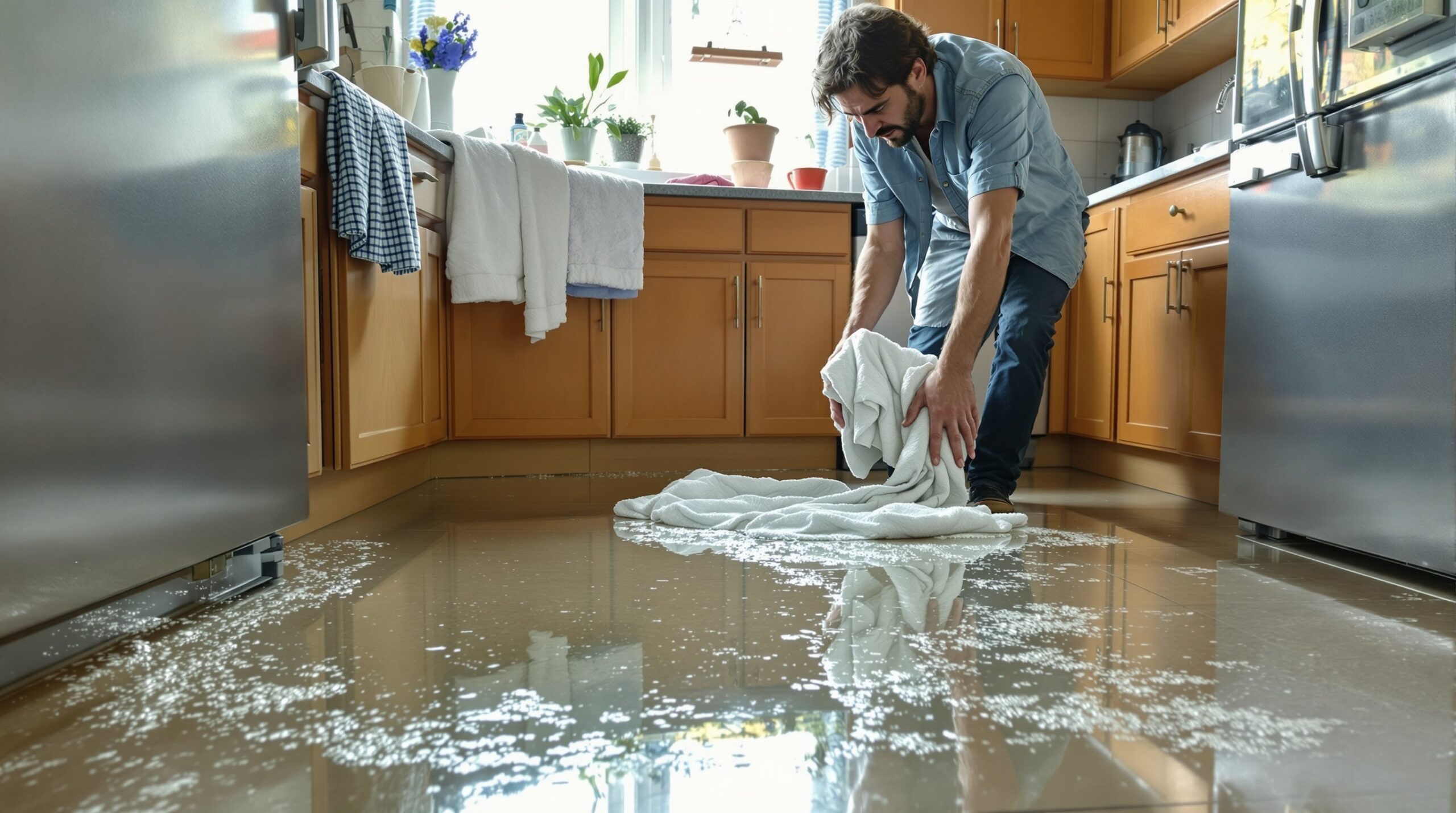
Hey there, Doswell residents! Have you ever thought about what you would do if a pipe suddenly burst or if your toilet just wouldn’t stop overflowing? These plumbing emergencies can happen when you least expect them, and being caught off guard can lead to a real headache. Understanding the importance of being prepared for plumbing emergencies can save you time, stress, and potential damage to your property.
Be Proactive, Not Reactive
If you’ve ever had a plumbing nightmare, you know that it can feel like the walls are closing in on you. But fear not! You can take steps right now to ensure that you’re ready for any plumbing mishap. Whether you’re new to Doswell or a long-time local, we’ve got your back. Let’s dive into crucial steps that every Doswell, VA resident should know to keep their home running smoothly.
Recognizing Plumbing Emergencies
Now that we’ve explored the vital importance of plumbing preparedness, let’s focus on a crucial component: recognizing a plumbing emergency. Not all plumbing issues require immediate attention; some can wait for a scheduled visit from a qualified plumber. However, knowing the difference can mean saving yourself from extensive damage and costly repairs. Here are some common signs that indicate when it’s time to grab the phone and call in a professional for help.
| Signs of an Emergency | Description |
|---|---|
| Leaking or Bursting Pipes | Watch out for any sudden water leaks, especially if they appear to be increasing in volume or if there’s evidence of water damage on walls or ceilings. A burst pipe can quickly lead to flooding! |
| Clogged Drains | If you have multiple drains in your home that are clogging simultaneously, it could indicate a blockage further down the line. This requires immediate attention to prevent sewage backup. |
| Overflowing Toilet | When your toilet begins to overflow, time is of the essence. Clearing the blockage immediately will help you avoid water damage and a potential health hazard. |
| Low Water Pressure | A sudden drop in water pressure can signify a larger issue, such as a hidden leak or a broken main. Low pressure can impact your showers, faucets, and appliances. |
| Unpleasant Odors | Foul smells from your drains or sewage can indicate a serious issue, including blockages or leaks in the sewer line. Don’t ignore bad odors; they could signify a health risk! |
| Water Discoloration | If you notice rust-colored or cloudy water coming from your taps, it could suggest an underlying problem with your plumbing system or a dangerous issue such as lead leakage. |
Understanding these signs is your first line of defense against potential disasters. If you encounter any of these issues, don’t hesitate—seek professional help immediately. Timely intervention can significantly reduce the risk of extensive damage and ensure the safety and comfort of your home. Being able to identify plumbing emergencies can make your household more prepared and resilient against the unexpected.
As we transition into the next section, we’ll equip you with the tools you need to prepare an emergency plumbing kit for your home, ensuring you’re ready for any plumbing adventure that may come your way!
Creating a Plumbing Emergency Kit for Your Home
As homeowners, we tend to think of emergencies as events that only happen to others. However, plumbing issues have a remarkable knack for knocking on our doors when we least expect it. To tackle these unexpected challenges head-on, preparing an emergency plumbing kit is essential—a simple yet effective way to ensure your home is resilient against sudden plumbing crises. So, what should you include in your kit? Here’s a list of indispensable tools and supplies that every homeowner should have on hand.
The Essentials for Your Emergency Plumbing Kit
- Plunger: A must-have for every home, a plunger can save you from an overflowing toilet or a sink that’s just not draining. Opt for a high-quality, heavyweight plunger with a flange for better suction, enabling you to tackle those stubborn clogs with ease.
- Adjustable Wrench: This versatile tool is designed to grip multiple sizes of nuts and bolts. Whether you’re loosening a stubborn faucet or tightening a supply line, having an adjustable wrench on standby can make all the difference when urgency strikes.
- Plumber’s Tape: Made of Teflon, plumber’s tape is your go-to solution for sealing leaks in threaded pipe connections. A simple wrap can prevent small leaks from becoming significant problems, making it a vital component of your kit.
- Buckets: Buckets serve multiple purposes in a plumbing emergency. They are excellent for catching leaks, transporting tools, or even as a makeshift sump to remove excess water in case of overflow. Having a couple of buckets on hand can aid you in swift action during a crisis.
- Heavy-Duty Gloves: Plumbing jobs can get messy. Invest in a pair of heavy-duty gloves to protect your hands while you tackle potential plumbing disasters. They can also come in handy if you need to navigate murky waters in an emergency.
- Pipe Wrench: For more challenging problems where pipes need to be tightened or removed, a pipe wrench is vital. It provides you with the leverage needed to grip and turn pipes securely without damaging them.
- Flashlight and Batteries: If a plumbing problem occurs during a storm or a power outage, a well-stocked flashlight will help you navigate dark spaces while you address the issue. Don’t forget spare batteries!
- Utility Knife: This handy tool can help you cut through materials or sealants, allowing for quick access to pipes when an emergency arises.
- First Aid Kit: Injuries can happen when dealing with plumbing scenarios. Always include a basic first aid kit in your emergency supplies to tend to minor cuts or scrapes while you’re working.
- Emergency Contact List: Finally, compile a list of local emergency plumbers, your regular maintenance contacts, and even helpful online resources. Keep this list accessible and in your plumbing kit for quick reference.
Having these items in your plumbing emergency kit prepares you for anything life throws your way, mitigating damage and stress during an unexpected incident. Remember, proactive preparedness can transform chaos into manageable challenges, allowing you to handle minor plumbing issues with confidence.
Once you’ve gathered your kit, the next step in mastering plumbing readiness is understanding where your house’s critical shut-off valves are located. This crucial information enables you to stop the flow of water immediately, averting further water damage during a plumbing emergency. Let’s dive into how to locate and operate these essential valves.
Shut-off Valve Locations and Functions
In the chaos of a plumbing emergency, every second counts. Knowing where your shut-off valves are located allows you to quickly halt water flow and mitigate potential damage. These valves are your first line of defense, but they can often be overlooked until it’s too late. Here’s how to locate them and understand their functions around your home.
Understanding Shut-off Valves
Shut-off valves are designed to control the flow of water throughout your plumbing system. When you turn a shut-off valve, you stop the flow of water to a specific area, allowing you to manage leaks or other issues without the need to bleed your entire water supply. Familiarizing yourself with their locations is as crucial as knowing how to operate them. Here are the primary valves you’ll encounter:
Main Water Shut-off Valve
The main water shut-off valve is your home’s primary control point for water. This valve is typically located near the water meter, often in the basement, crawl space, or outside near the foundation. In warm climates, you may find it in an insulated box near the street. It’s essential to check this valve annually to ensure it operates smoothly—after all, in an emergency, you don’t want to struggle with a stuck valve. Familiarize yourself with how to turn it off quickly, as this will shut off the water supply to the entire house.
Fixture Shut-off Valves
In addition to the main valve, each plumbing fixture in your home usually has its own shut-off valves. These valves are usually located under sinks, behind toilets, or near washing machines. For example, under the kitchen sink, you will typically find two valves—one for hot water and one for cold. Knowing how to access and operate these individual valves is essential, particularly for quickly addressing localized leaks without turning off water to the entire household.
Outdoor Shut-off Valves
If you have outdoor faucets or irrigation systems, they may also have dedicated shut-off valves. Often located in the basement or near the exterior wall of your home, these valves can be critical for preventing water wastage during colder months when hoses are disconnected. Be sure to know where they are and test their functionality—especially before the winter freeze sets in. Turning them off can help prevent costly pipe bursts during freezing weather.
How to Operate Shut-off Valves
Operating shut-off valves can vary depending on the type—most commonly, they are either gate valves (circular handle) or ball valves (lever handle). With a gate valve, turn the handle clockwise to close it. Should you encounter a ball valve, simply turn the lever perpendicular to the pipe to shut it off. Becoming familiar with these mechanisms can make a significant difference; during a plumbing emergency, you want to act decisively and calmly.
Regular Maintenance and Testing
Don’t neglect your shut-off valves! Like any other plumbing component, they require regular maintenance. Periodically test each valve by turning it on and off to ensure it operates smoothly. If you find that a valve is stiff, corroded, or leaking, consider replacing it before a crisis hits. Document their locations and operations in your household emergency plan, and make it a family practice to review them annually.
Understanding shut-off valves and how they function empowers you to take immediate action during a plumbing emergency, greatly reducing the risk of catastrophic water damage. Remember, a well-informed homeowner is an empowered one, capable of safeguarding their property and peace of mind.
Safety First: Electric Basics in Plumbing Emergencies
As you navigate through a plumbing emergency, remember that electricity and water are a dangerous combination—one that demands your utmost attention. Understanding the risks associated with electric hazards can mean the difference between a minor inconvenience and a life-threatening situation. Let’s delve into the steps you need to take to ensure electrical safety during a plumbing crisis.
The Dangers of Electricity in Plumbing
Water is an excellent conductor of electricity, which poses severe risks if your plumbing system has compromised wiring or leaks. If electrical appliances or outlets come into contact with water, the danger of electric shock escalates dramatically. Moreover, standing water can extend the risk, allowing currents to travel unpredictably. Always treat potentially wet areas as hazardous zones until you ensure that power is cut off—this precaution can save lives.
Immediate Steps for Electrical Safety
When a plumbing emergency strikes, follow these crucial steps:
- Cut Off Power Immediately: Before addressing the plumbing issue, establish a safe environment. Locate your electrical panel and switch off the main circuit breaker if the leak is extensive. This cuts power to the entire house, reducing the risk of electric shock.
- Identify Affected Areas: If you know where the water is pooling, take care to mark that area off as hazardous. Avoid contact until you’re sure all power to that region is disconnected.
- Avoid Standing Water: If you find electrical outlets or appliances in contact with water, do not wade through it. Instead, assess the situation from a distance until you can confirm the power is off.
- Use Non-Conductive Tools: If you must address the plumbing issue immediately (like tightening a pipe), use tools made from non-conductive materials. Rubber tools are a safer choice that can help mitigate risks.
Emergency Procedures for Specific Situations
Knowing how to approach specific situations can provide additional safety measures. Below is a quick reference table for common plumbing emergencies involving electricity.
| Situation | Immediate Action | Post Emergency Steps |
|---|---|---|
| Leak near an outlet | Turn off power at circuit breaker | Have a professional electrician inspect the outlet |
| Water pooling on floor | Evacuate area, cut power to entire home | Dry area thoroughly; monitor for signs of electrical faults |
| Appliance in contact with water | Unplug the appliance or cut off power | Consult a repair professional for the appliance and check wiring |
Final Thoughts on Electrical Safety
In the realm of plumbing emergencies, the mantra ‘safety first’ cannot be overstated. By understanding the serious risks associated with electricity, familiarizing yourself with your home’s electrical layout, and knowing how to act decisively, you create a safer environment for yourself and your family. Always err on the side of caution; if in doubt about the safety of your electrical system during a plumbing emergency, it’s prudent to leave it to the professionals.
As you equip yourself with the knowledge and tools to tackle plumbing emergencies, it’s equally important to recognize your limits. While DIY solutions can be empowering and financially savvy, there comes a time when the expertise of a professional plumber is indispensable. Knowing when to call for help can safeguard your home and health. Let’s explore the signs that indicate it’s time to reach out for professional plumbing intervention, especially if you’re located in Doswell, VA.
Recognizing the Signs
Every homeowner should be able to identify certain symptoms of plumbing problems that signify it’s time to involve the professionals. Trusting your instincts can be crucial; if something feels off, it’s better to be safe than sorry. Here are key indicators that your DIY efforts might not be enough:
- Persistent Leaks: Minor leaks can often be fixed with a wrench and some tape. However, if your leak is persistent or grows larger over time, it could point to a more significant issue deep within your plumbing system.
- Water Pressure Changes: Sudden drops in water pressure can signal a blockage or a fracture in pipes, which generally requires special tools and expertise to diagnose and fix.
- Complexity of the Issue: If you are face-to-face with situations like blockages in the sewer line or major pipe ruptures, it’s advisable to reach out to experts. These issues typically demand advanced diagnostic tools and methods beyond the capabilities of a standard homeowner.
- Worsening Conditions: What starts as a small drip or a bit of dampness can escalate. If you notice mold growth, persistent odors, or any signs of structural damage, grabbing the phone should be your urgent next step.
- Uncertainty: If you feel overwhelmed or unsure about fixing an issue safely, it is completely valid to call in a professional. Plumbing involves many intricate systems that may not always be visible, and professionals have the experience needed to handle them safely.
The Value of Local Plumbing Services in Doswell, VA
When the decision to call a professional arises, familiarity with reliable local plumbing services in Doswell, VA, becomes invaluable. Local plumbers not only understand the specific challenges that residents face in the area, but they also offer rapid response times that are crucial during plumbing emergencies.
Consider establishing a relationship with a local plumbing service even before emergencies arise. This way, you can have a trusted expert ready to assist you at a moment’s notice. Look for services with strong reputations, positive customer reviews, and certification that can attest to their professionalism and expertise. A quality local service can be a lifeline, ensuring timely repairs and expertise that can save both time and irreparable damage to your home.
Final Thoughts on Knowing When to Call a Professional
Being prepared for plumbing emergencies means striking a balance between DIY skills and understanding your limits. It empowers you to take action swiftly during a crisis, while also instilling the wisdom to recognize when to seek professional help. By getting to know the reliable plumbing services in Doswell, VA, you’re one step closer to ensuring the safety and functionality of your home. Remember, the goal is to maintain peace of mind for you and your family—because in plumbing emergencies, timely intervention can make all the difference.
As we navigate the often tumultuous waters of home maintenance, having the right tools on hand can make all the difference when a plumbing crisis strikes. Your emergency plumbing kit is your first line of defense against the unexpected, transforming you from an anxious homeowner to a confident problem-solver. So, what essentials should you equip yourself with to handle those pesky plumbing issues effectively?
Essential Tools for Your Emergency Plumbing Kit
Start by gathering these fundamental tools, each serving a unique purpose in addressing a variety of plumbing scenarios:
- Plunger: A must-have for any homeowner, the plunger is your go-to device for unclogging toilets and sinks. Invest in a high-quality flange plunger, specifically designed for toilets, to give yourself the best chance at restoring flow.
- Adjustable Wrench: An adjustable wrench is invaluable for tightening or loosening nuts and bolts of various sizes. It’s perfect for tasks like fixing or removing faucets and pipes.
- Pipe Wrench: For more robust plumbing issues, a pipe wrench allows you to grip and turn pipes with ease, providing the leverage you need for effective plumbing adjustments.
- Plumber’s Tape: Also known as Teflon tape, this essential tool helps prevent leaks by sealing threaded joints. It’s lightweight and easy to apply, so be sure your plumbing kit includes a roll.
- Bucket: Accidents can happen, and having a bucket on hand can catch any unintended spills or leaks during your repairs, protecting both your floors and your peace of mind.
- Drain Snake: A drain snake is ideal for more stubborn clogs that a plunger can’t clear. This handy tool reaches deep into pipes, breaking up or retrieving debris that can cause blockages.
- Safety Gear: Don’t overlook personal protection! Keep a pair of rubber gloves for sanitation and safety, and goggles to protect your eyes from splashes or debris.
Finding Your Main Water Shut-Off Valve
Equally important as having the right tools is knowing where to find your main water shut-off valve. In the event of a plumbing emergency, quick access to this valve can save your home from extensive water damage. Generally, you can locate this valve in one of the following areas:
- Basement: Check the walls near your foundation or in a designated utility area.
- Garage: It may be located along the wall closest to the exterior of the house.
- Near the Water Heater: Many homes have their shut-off valve adjacent to the water heater, making it easily accessible in emergencies.
Preventing Plumbing Emergencies
While it’s crucial to be prepared for plumbing issues, it’s even better to prevent them from occurring in the first place. Regular maintenance and mindful habits can drastically reduce the risk of serious plumbing emergencies:
- Routine Inspections: Regularly check for leaks, corrosion, and the condition of pipes and fixtures. Catching issues early can save you from major repairs later.
- Dispose Properly: Avoid flushing harmful substances down the toilet or pouring grease and food particles down the sink, as these can lead to clogs and damage.
- Inspect Your Appliances: Check washing machines and dishwashers for hose wear and leaks. Regular maintenance can enhance their efficiency and lifespan.
By equipping your emergency plumbing kit with essential tools, knowing the location of your main water shut-off valve, and taking proactive steps to prevent plumbing problems, you’re not just preparing for the worst—you’re also establishing a maintenance routine that protects your home and family. Remember, while some plumbing tasks can be tackled on your own, never hesitate to lean on Doswell’s skilled plumbing professionals for assistance when needed. They’re just a call away should the need arise.
By taking these steps toward emergency plumbing preparedness, you not only protect your property but also ensure peace of mind for you and your family. Embrace these practices, and remember, if the situation becomes unmanageable, Doswell’s plumbing professionals are just a call away. Investing time in preparation and knowledge can transform you from a worried homeowner into a proactive guardian of your property, enabling you to address issues head-on while fostering a sense of security within your household.
The Importance of Being Prepared
When plumbing emergencies strike, the chaos they create can be overwhelming. With adequate preparation, though, you can mitigate panic and respond effectively, dramatically decreasing the risk of damage to your home. Knowing the location of your main water shut-off valve, for instance, can save you precious moments during a flooding situation, preventing extensive water damage. Additionally, consider assembling an emergency plumbing kit stocked with essential tools like a plunger, a wrench, and high-quality duct tape—these can quickly address minor leaks and clogs, giving you a fighting chance until help arrives.
Communication is Key
In those crucial moments before professional assistance arrives, clear communication becomes paramount. Implement a plan with your family members, ensuring that everyone knows their role in an emergency. Whether it’s shutting off the water or gathering necessary information to relay to the plumber, teamwork can minimize chaos and confusion. Encourage open dialogue about plumbing issues as they arise, so if a problem does arise, it’s easier to address it collectively and calmly. Remember, an informed family can respond more effectively to prevent situations from spiraling out of control.
Building a Trustworthy Local Network
When it comes to plumbing issues, especially in a tight-knit community like Doswell, the value of having a reliable local plumber cannot be overstated. Establishing this relationship ahead of time can empower you and your family when emergencies occur. Attend community meetings, or participate in local events, and ask for recommendations from neighbors who can vouch for dependable plumbing professionals. By fostering these connections, you’ll not only have peace of mind knowing who can help when the time comes, but you also immerse yourself in a supportive community network that can lend a hand during trying times.
Peace of Mind Amidst Uncertainty
At the end of the day, no homeowner wants to face the stress that comes with plumbing emergencies. However, by taking proactive steps towards readiness—educating yourself, maintaining communication, and establishing a network of trusted professionals—you can instill confidence in your family. Knowing that you have a plan in place allows you to focus on what truly matters: the safety and well-being of your loved ones. In the event that a plumbing crisis does arise and becomes too overwhelming, remember that the dedicated experts at Doswell plumbing services stand ready to assist. They are just a phone call away, bringing professional support and expertise to pull you through any plumbing adversity.