Why You Should Keep Your Plumbing in Top Shape
Have you ever thought about how much we depend on our plumbing systems every single day? From the moment you wake up and brush your teeth, to the time you wash your dishes after dinner, you rely on the pipes and fixtures hidden behind your walls. In Goochland, VA, maintaining a well-functioning plumbing system is not just a luxury—it’s a necessity! When everything runs smoothly, it brings a wonderful sense of peace and comfort to both homes and businesses.
The Comfort of a Reliable Plumbing System
Imagine a rainy day when you’re cozy at home, enjoying your favorite book, all while knowing your plumbing is working perfectly. The last thing you want is to face an unexpected leak or a clogged drain that turns your peaceful moment into a stressful mess. Understanding how important your plumbing is to your daily life can help you appreciate the need for routine maintenance and quick fixes. If you notice any signs that your plumbing may be on the fritz, it’s time to take action!
Signs You Might Need a Plumber
So, how do you know when it’s time to call in a professional? Look out for those telltale signs that something might be wrong. Whether it’s strange noises, slow drains, or unexplained water stains, being vigilant can save you from bigger headaches down the line. Let’s delve into some essential indicators that signal it’s time to get a plumber on the job!
Frequent Dripping Faucets and Running Toilets: Why Ignoring These Could Be Costly
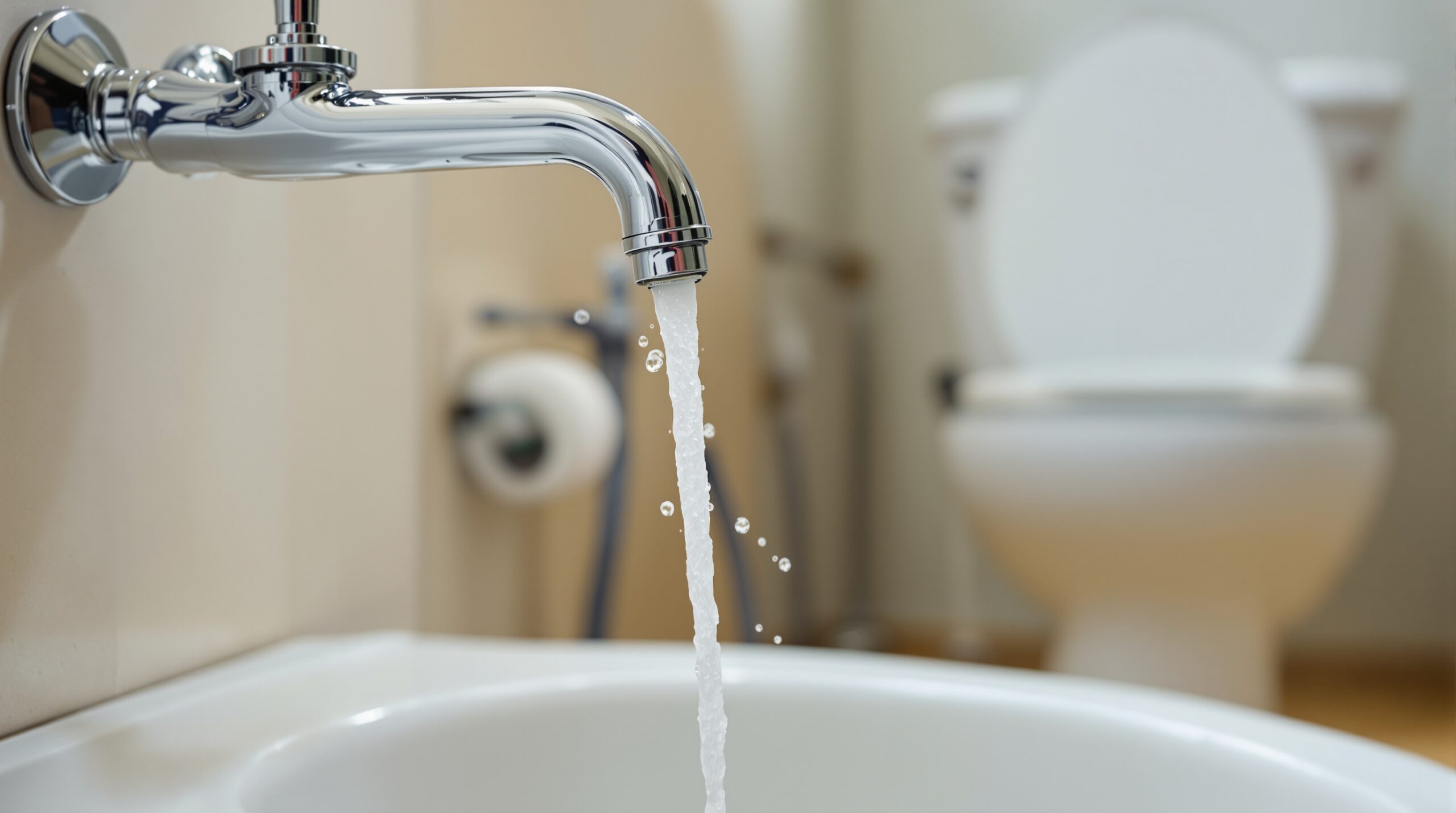
Picture this: you’re relaxing in your living room when, suddenly, the constant drip-drip-drip of a leaky faucet catches your ear. It might seem like a minor inconvenience, but that persistent sound is actually a symptom of a deeper issue. Similarly, the unsettling sound of a running toilet can be just as deceptive. While it may seem harmless at first, ignoring these common plumbing annoyances can lead to serious complications down the road. Let’s unravel why it’s essential to address them promptly.
Dripping faucets and running toilets are more than just annoyances; they are indicators of inefficiency in your plumbing system. A single dripping faucet can waste gallons of water every week, contributing to increased water use. Meanwhile, a toilet that won’t stop running can be an even larger issue, consuming a significant amount of water and inflating your water bill. Here are some critical aspects to consider:
| Issue | Potential Causes | Consequences of Ignoring |
|---|---|---|
| Dripping Faucet | Worn washer, O-ring, or cartridge | Increased water waste, higher utility bills, potential water damage |
| Running Toilet | Faulty flapper valve, overflow tube issues, or a malfunctioning fill valve | Significant water waste, possible damage to toilet tank components, plumbing malfunctions |
Addressing these small issues may seem like a tedious task, but think of the long-term benefits. By swiftly repairing a dripping faucet, you mitigate the risk of leaks that could escalate into costly repairs or even mold growth. Similarly, fixing a running toilet can prevent a backflow situation that might compromise your entire plumbing system. Regularly inspecting your fixtures and addressing any minor issues can drastically improve your home’s plumbing health.
Moreover, consistent upkeep not only preserves the functionality of your plumbing system but also enhances the longevity of your fixtures. Ignoring a dripping faucet might leave you wishing you hadn’t let it slide once you start dealing with the consequences. Likewise, that running toilet, if left unattended, could signal bigger plumbing concerns that escalate into complex repairs when the issue finally surfaces.
The bottom line? A small investment of time now by calling in a plumber to tackle these trivial nuisances can lead to greater peace of mind and protect you from future headaches. In Goochland, VA, where the community values quality living, maintaining your plumbing system is not just practical—it’s vital for ensuring the comfort and well-being of you and your loved ones. Don’t let that drip keep you up at night; take proactive measures to secure your home’s plumbing and safeguard what matters most!
Reduced Water Pressure: What Does This Signify about Your Plumbing System?
As you move through your daily routine, the rush of water from your faucet is a welcome comfort—the perfect companion for morning rituals and evening meals. However, an unexpected dip in water pressure can quickly turn that comfort into frustration. Suddenly, every drop feels like a struggle, and tasks that were once effortless become a chore. But what does it mean when you experience reduced water pressure? Let’s delve into the indicators and implications of this plumbing issue.
Reduced water pressure rarely surfaces without reason; it often indicates underlying problems within your plumbing system that require immediate attention. While it may seem like a mere inconvenience, lower water pressure can signify potential blockages, leaks, or structural concerns within your pipes that may escalate into more significant issues if not promptly investigated.
Imagine turning on the shower, only to be greeted by a weak trickle instead of the revitalizing spray you anticipated. Several factors could be at play here:
| Possible Issue | Symptoms | What It Could Mean |
|---|---|---|
| Clogged Pipes | Slow drainage and reduced flow | Accumulation of debris, grease, or mineral buildup obstructing water flow |
| Leaking Pipes | Puddles near fixtures, damp walls | Water loss and pressure reduction due to breaks or cracks in the piping |
| Main Line Issues | Inconsistent pressure across multiple fixtures | Potential municipal system issues or problems in the service line connected to your home |
Understanding the symptoms that accompany reduced water pressure can equip you with the knowledge needed to take decisive action. Clogged pipes, for instance, can be the result of years of neglected maintenance. Hair, soap scum, or even food particles can gradually accumulate, leading to blockages that hinder water flow. If left unchecked, these clogs can not only reduce pressure but also invite unpleasant odors and overflow, creating a plumbing nightmare.
Similarly, leaking pipes can constantly rob your household of the water pressure you rely on, resulting in frustratingly weak streams. The issue could arise from various factors, including age, poor installation, or even tree roots invading your underground system. Allowing these leaks to persist can compromise the integrity of your plumbing and potentially lead to costly repairs down the line.
Furthermore, issues with the main water line can affect not just your home, but potentially the entire neighborhood. If multiple homes in your area experience low water pressure simultaneously, it might be a signal that the municipal water supply is facing challenges. Conversely, if the issue seems isolated to your property, you’ll want to investigate your connections and infrastructure.
The takeaway? Reduced water pressure is not simply an annoyance; it’s a warning sign that your plumbing system might need immediate attention. Be proactive by keeping an eye out for any changes in water flow. Regular maintenance checks, prompt inspection following any significant dips in pressure, and addressing minor issues before they escalate can preserve the functionality of your plumbing system. In a community like Goochland, VA, where quality home care enhances comfort, taking these proactive measures will ensure that the heart of your home—the plumbing system—operates smoothly for years to come.
Slow Draining Sinks and Showers: Recognizing the Hidden Blockages
As we navigate through our daily routines, the simple act of washing our hands or stepping into a shower should be a seamless experience. However, when you find yourself standing in a pool of water as the sink slowly drains, or your morning shower feels more like a trickle than a refreshing cascade, it’s time to pay attention. Slow draining sinks and showers can often be the first indicators of hidden blockages lurking within your plumbing system, and recognizing these signs early can save you from future headaches.
Slow drainage may not seem urgent at first glance, yet it serves as a crucial warning sign—a symptom of something more problematic brewing beneath the surface. Even the most minor obstruction can lead to significant water-related concerns if ignored. In many cases, blockages within your pipes can stem from everyday life, making it essential to understand the patterns and precursors to these plumbing nuisances.
So, what causes those frustratingly slow drains? A series of common culprits may be to blame:
| Possible Culprit | Symptoms | What It Could Indicate |
|---|---|---|
| Hair and Soap Residue | Frequent backups, gradual slow-down in drainage | Accumulation of products and debris that catch in plumbing traps |
| Grease Buildup | Slow drainage, unpleasant odors | Kitchen sinks often suffer from grease and food residue that solidify over time |
| Tree Roots | Persistent drainage issues, strange gurgling sounds | Roots infiltrating underground lines, leading to blockages and leaks |
The battle against slow draining sinks and showers often begins with hair and soap residue. These materials can create clogs, especially in bathrooms, where shedding hair and soap buildup form compact barriers to flow. Regular cleaning habits, such as using drain catchers and routine maintenance, are essential for countering this common issue before it spirals out of control.
In kitchens, grease buildup poses a formidable enemy. It may start innocently enough—wiping plates and cooking utensils and letting the residue wash away. However, over time, this grease can coalesce and solidify, leading to severe clogs that not only restrict water flow but can also produce foul odors. Being mindful of what goes down your drains and keeping grease and food waste to a minimum can prevent this messy battle from escalating.
But not all blockages are sourced from within. In fact, tree roots are a surprisingly sneaky adversary, infiltrating sewer lines as they search for moisture. As roots penetrate and expand, they can cause significant obstructions, leading to slow drainage, strange noises, and, in extreme cases, breaking pipes. If you suspect that tree roots may be the source of your drainage woes, it’s wise to consult with professionals who can assess and address the situation before it leads to more extensive plumbing problems.
The bottom line? Slow draining sinks and showers are rarely an isolated problem; they serve as indicators of build-up and obstruction that can escalate quickly. By keeping a vigilant eye on your plumbing, addressing minor issues as they arise, and committing to a routine of regular maintenance, you can preserve the integrity of your system. After all, a smoothly functioning plumbing system is key to enjoying the comforts of daily life, ensuring that every wash and rinse remains a refreshing experience.
Water Stains and Damp Walls: Uncovering Leaks Before They Lead to Structural Damage
Now that we’ve addressed the nuisance of slow draining sinks and showers, let’s shift our focus to a potentially more destructive issue—water stains and damp walls. These sneaky signs can signal leaks hiding within the walls of your home, and if left unchecked, they can lead to serious structural damage. Ignoring water stains may seem benign at first, but they indicate underlying problems that deserve immediate attention.
Water stains often emerge as unsightly discolorations on walls and ceilings, various shades of yellow, brown, or even green, depending on the severity and duration of the leak. When you notice these spots, your first instinct might be to cover them up with paint. However, this quick fix does nothing to address the underlying problem, which could expand far beyond those innocent-looking stains.
If you suspect a leak, it’s essential to proactively investigate the source before it spirals into a significant issue. Here are some common signs and potential causes linked to those alarming damp patches:
| Sign of Damage | Possible Source | What It Could Indicate |
|---|---|---|
| Yellow/Brown Stains | Roof leaks, plumbing failures | Water seeping through from above, potentially leading to rot or mold |
| Peeling Paint or Wallpaper | Moisture trapped within the wall | Indicates prolonged exposure to dampness, possibly due to leaking pipes |
| Mold Growth | Condensation or stagnant water | Presence of moisture promoting mold, which poses health risks |
The presence of yellow or brown stains can often point to roof leaks or plumbing failures. When water seeps through ceiling materials, it can create visible marks on walls and ceilings. It’s crucial to inspect your roof and plumbing systems regularly, especially after severe weather or prolonged humidity, to catch potential leaks before they become a major hazard.
Next, take note if paint or wallpaper starts to peel from your walls. This unattractive cosmetic issue is an indicator of moisture accumulation trapped within wall cavities. If you notice this, it might be time to address plumbing issues or to check for signs of a more serious leak that could be causing prolonged exposure to moisture. The structural integrity of your walls is at stake, and proactive measures are essential to prevent the unnecessary expense of repairs.
Another significant concern is mold growth, which can arise from either humidity or leaks. Mold thrives in damp conditions, and its presence not only damages your surfaces but also poses health risks, particularly for individuals with respiratory issues. Identifying the source of moisture is key; whether it’s a hidden leak or condensation, addressing the root cause should be your priority.
The bottom line? Water stains and damp walls are not merely cosmetic issues; they signal deeper plumbing concerns that could lead to costly repairs if not acted upon. Addressing these signs early through timely inspection and maintenance can safeguard your home from major structural damage. Remember, staying ahead of potential leaks not only maintains the beauty of your home but also protects your family’s health and your investment.
As we understand the gravity of addressing water stains and damp walls, there’s another plumbing concern lurking in the shadows—unpleasant odors wafting through your home. These unwelcome scents can be more than just a nuisance; they often point to deeper plumbing issues that deserve your immediate attention. If you’ve noticed that your once-fresh living space now carries a persistent, funky smell, it’s time to put on your detective hat and identify the culprit behind these unpleasant odors.
Plumbing smells can originate from various sources within your home. At the top of the list is the dreaded sewer odor, which is typically characterized by a strong, fecal scent. This smell indicates that there may be a problem with your drainage system. One of the most common issues is a dry trap. Whenever water sits in a trap, it acts as a barrier to odors from your sewer lines. If a fixture—like a guest bathroom sink or basement shower—is rarely used, the water can evaporate, leaving the trap dry and exposing your home to offensive smells. Regularly running water through all your fixtures, even ones you don’t often use, is a simple and effective way to prevent this issue.
Another odor to be wary of is that unmistakable, musty scent that hints at mold or mildew—both of which thrive in wet conditions. This odor often emanates from areas experiencing leaks or excessive humidity, making it crucial to check spaces that are prone to moisture accumulation, such as basements, crawl spaces, or around appliances like washing machines and dishwashers. If you detect a musty odor, inspect these areas closely for any signs of leaks. In many cases, this could indicate an underlying plumbing issue that, when addressed early, can protect your home from significant damage and maintain a fresh atmosphere.
Every homeowner should be aware of one particularly alarming smell that could be indicative of a serious blockage or buildup: a rotten egg aroma. This unpleasant odor is often caused by hydrogen sulfide gas, which is released when organic matter decomposes in your plumbing system. If you come across this scent near your drains or in the vicinity of your water heater, it may be time to investigate further. Consulting a professional plumber is highly advised, as they can perform thorough inspections to determine whether the problem lies within your drainage pipes, septic system, or even the city’s sewer lines.
Don’t forget about another common source of plumbing-related odors: food waste. If you have a garbage disposal, lingering food particles can lead to foul smells that permeate your kitchen. To combat this issue, regularly clean your disposal by running cold water and using citrus peels or ice cubes, which help dislodge and eliminate trapped debris. A little routine maintenance can go a long way in keeping your kitchen smelling fresh.
In conclusion, being aware of the various unpleasant odors in your home is crucial for maintaining a healthy living environment. Each scent provides clues and insights into potential plumbing concerns that, when caught early, can save you from bigger issues down the line. So, the next time you encounter that mysterious smell creeping into your space, take a moment to investigate it further. By staying vigilant and proactive with your plumbing, you can keep your home fresh and inviting for you and your family.
So, how can you test for water leaks in your home? Start by conducting a visual inspection of your plumbing fixtures, including faucets, toilets, and exposed pipes. Look for any signs of water pooling or damp spots. Additionally, check the water meter. After turning off all the taps and appliances that use water, monitor the meter for any changes. If the meter moves, there’s a leak somewhere in your plumbing system that needs addressing.
If you’ve noticed a sudden drop in water pressure, it’s critical to take action. Low water pressure can indicate a leak, a blockage, or even issues with your municipal supply. Begin by checking if the problem is isolated to one fixture, which may suggest a localized blockage, like a clogged aerator. If the pressure drop affects multiple fixtures, inspect your pipes for leaks or contact your water provider, as it may be a broader concern. Regular maintenance, such as flushing out your water heater, can help prevent sediment buildup that contributes to pressure issues.
Now, about those unpleasant odors—are they dangerous? While not all smells indicate immediate dangers, certain scents can pose health risks. A sewer odor might suggest harmful gases escaping into your living environment, while a rotten egg smell can indicate hydrogen sulfide, which can be toxic in high concentrations. It’s essential to take these odors seriously, ensuring that your home smells fresh is not just about comfort; it’s about safety. If smells persist, don’t hesitate to consult a professional for an evaluation.
To avoid common plumbing issues, start implementing simple practices. Always be conscious of what goes down your drains—avoid flushing non-biodegradable items or pouring grease down the sink. Regularly maintain your plumbing fixtures by checking for wear and tear and replacing aging components. Clean your drains and disposal routinely to prevent buildup and foul odors. Finally, consider investing in a water softener if you live in an area with hard water, as it can greatly reduce mineral buildup and prolong the lifespan of your plumbing.
But when should you call in a professional plumber in Goochland, VA? If your DIY attempts to fix a leak or resolve low water pressure have failed, it’s time to seek expert help. Additionally, any signs of significant plumbing issues—such as burst pipes, large-scale leaks, or persistent unpleasant odors—should prompt an immediate call to a professional. Plumbers bring expertise and diagnostic tools that can resolve complex issues that a homeowner might not be equipped to handle. Trusting a local expert ensures that you’re getting reliable service tailored to the specific plumbing challenges in your area.
In conclusion, staying vigilant for these signs can save you from future headaches and expenses. Always opt for timely inspections and repairs with a trusted plumber in Goochland, VA. Your home deserves the best care, and with the right approach, you can maintain a healthy and functional plumbing system that enhances your living space.
“`
In conclusion, staying vigilant for these signs can save you from future headaches and expenses. Always opt for timely inspections and repairs with a trusted plumber in Goochland, VA. By paying attention to the clues presented by unpleasant odors in your home, you can often uncover plumbing issues before they escalate into much more significant threats. From dry traps to foul odors linked to food waste, each whiff serves as a gentle nudge to take action and protect your beloved residence.
Don’t underestimate the power of prevention. A proactive approach is your best ally when it comes to safeguarding your living space. Engaging the expertise of a qualified plumber ensures that you not only address your current concerns but also set a course for ongoing maintenance, allowing you to breathe easier—and smell better—within your home. Whether it’s a simple inspection or a more thorough evaluation, investing in your plumbing system today can lead to lasting peace of mind for you and your family.
Your home is meant to be a sanctuary, a place where you can relax and enjoy life’s little moments. So, every once in a while, take a moment to immerse yourself in its atmosphere. As you walk through each room, tune into the familiar smells and sensations. If anything seems amiss, don’t hesitate to act. Remember, the sooner you address these concerns, the better. Your diligent observations and actions paired with the expertise of a trusted Goochland plumber can keep your home fresh and inviting, allowing you to focus on what truly matters—creating memories with those you love.
“`