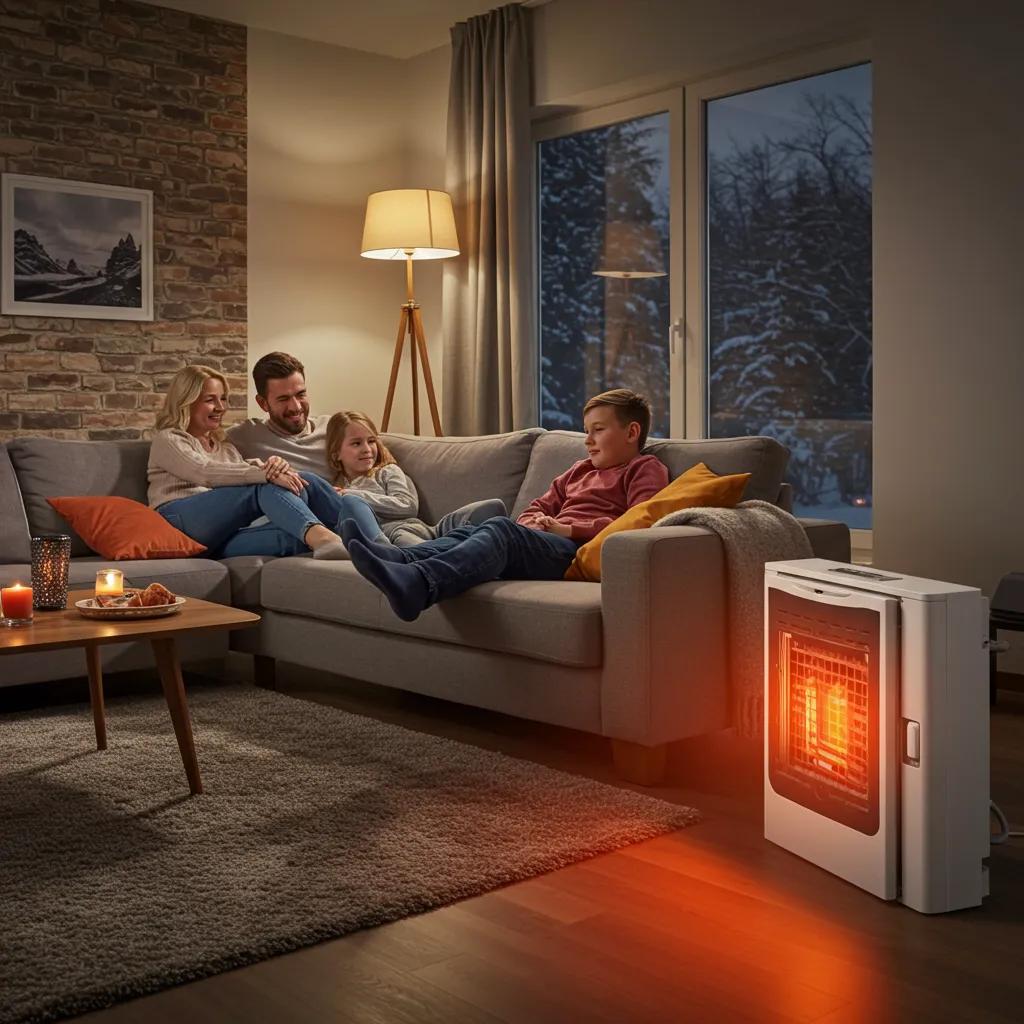
Comprehensive Heating Services: Expert Furnace Repair, Boiler Repair, Heat Pump Installation, and HVAC Solutions
Winter heating failures affect thousands of homes and businesses each year, risking comfort, safety, and efficiency. In this guide, you’ll discover how professional heating services rapidly restore warmth and optimize system performance. We’ll map out the full spectrum of heating and air conditioning services—from furnace repair diagnostics to boiler maintenance, heat pump installation, and HVAC preventative care—while highlighting certified technician expertise, cost considerations, and local service availability. By understanding these core themes, you can proactively maintain your heating system, troubleshoot common issues, and make informed choices about replacement or upgrades.
What Are the Key Heating Services Offered for Home and Commercial Comfort?
Heating services encompass the installation, repair, and maintenance of all systems that deliver warmth via forced air or hydronic methods, ensuring consistent comfort and energy efficiency. By combining diagnostic assessments with component replacement and system balancing, these services maximize indoor warmth while reducing fuel consumption.
Which Types of Heating Systems Do We Service?
Below is an overview of the primary heating systems we handle, their fuel sources, and ideal applications.
Each heating system has unique controls and service needs, preparing us to tackle specialized installations or repairs. Understanding these differences leads into how specific services like furnace repair and heat pump installation vary.
How Do Furnace Repair, Boiler Repair, and Heat Pump Installation Differ?
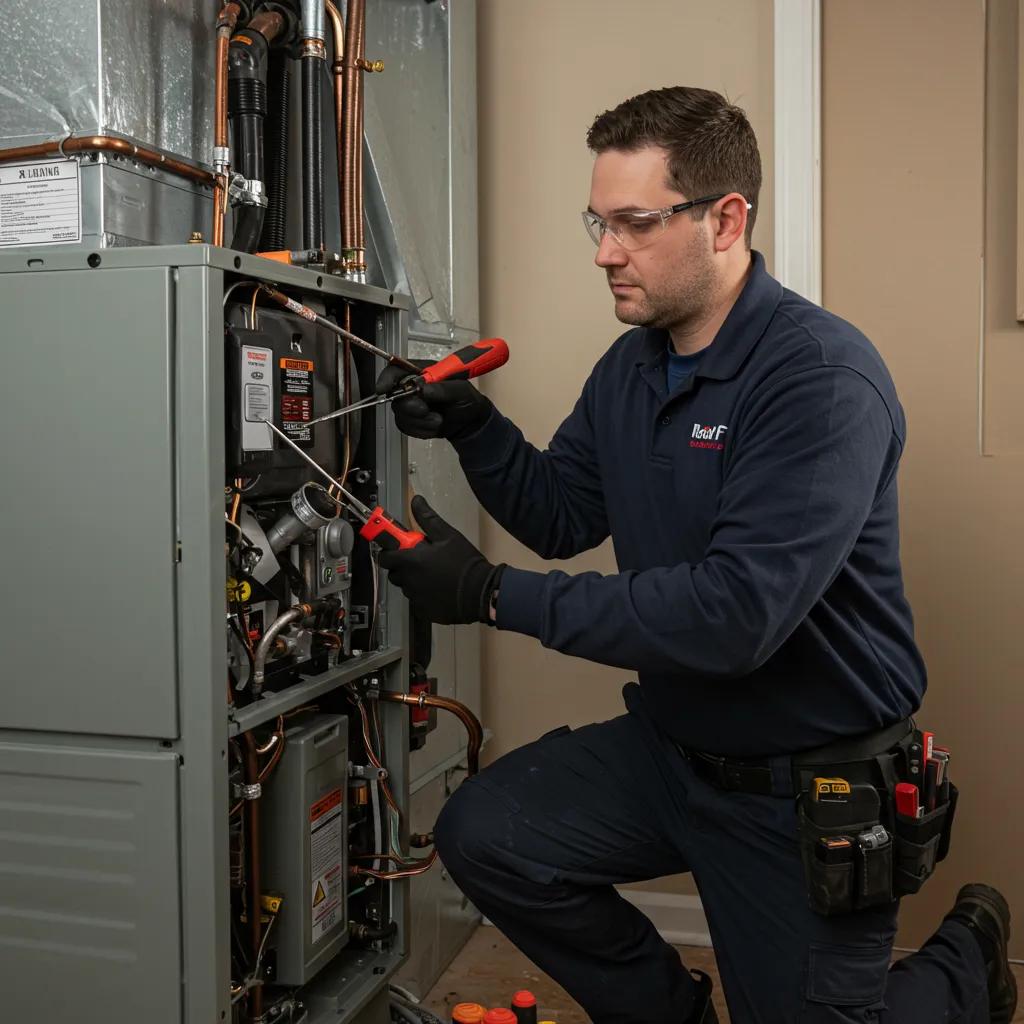
Furnace repair focuses on restoring combustion and airflow by repairing ignitors, blower motors, and gas valves. Boiler repair addresses pressure leaks, corrosion, and heat exchanger cracks in closed-loop water systems. Heat pump installation involves sizing the unit, optimizing refrigerant charge, and configuring controls for both heating and cooling. Each service uses distinct diagnostic tools and technical expertise to ensure safe, efficient operation.
What Role Do HVAC Repair and Heater Repair Play in Heating Services?
HVAC repair covers integrated inspections of ductwork, thermostats, and air handlers to maintain uniform air distribution and indoor air quality. Heater repair typically targets specific heat-producing components—burners, pilot lights, or electric coils—to restore warmth rapidly. Together, these services form a comprehensive approach to keeping any heating system reliable and balanced, paving the way for preventative maintenance plans.
How Can You Identify and Troubleshoot Common Furnace Problems?
Furnace malfunctions often stem from wear, debris buildup, or control failures, leaving homes without heat or producing unsafe byproducts. Early detection through systematic troubleshooting preserves system integrity and prevents costly breakdowns.
What Causes a Furnace Not to Heat Properly?
A furnace may fail to generate heat due to clogged air filters restricting airflow, a malfunctioning thermostat misreading temperatures, or a faulty pilot light/ignitor preventing ignition.
- Replace or clean air filters monthly to maintain airflow.
- Verify thermostat batteries and calibration every season.
- Inspect the pilot assembly and confirm gas flow if ignition fails.
Addressing these root causes restores proper heat production and prevents overheating safeguards from tripping.
How to Diagnose Strange Noises from Your Furnace?
Unusual sounds often indicate mechanical wear or airflow issues within the furnace cabinet.
- Banging: Metal expansion when ducts heat unevenly.
- Squealing: Worn blower belt or motor bearing needing lubrication.
- Rattling: Loose panels or debris inside the blower compartment.
Resolving these noisy symptoms improves performance and prolongs component lifespan.
Why Does a Furnace Cycle On and Off Frequently?
Short cycling occurs when the furnace overheats quickly or airflow is impeded, causing repeated shutdowns.
- Clogged filters raise heat exchanger temperature, triggering safety cutoffs.
- Oversized units reach set temperature too fast, then shut down prematurely.
- Improper blower speed settings can unbalance heat delivery.
Correcting filter issues and verifying proper furnace sizing ensures steady, efficient heating cycles.
What Are Simple DIY Furnace Troubleshooting Steps?
Even without specialist tools, homeowners can perform basic checks to identify faults:
- Reset Circuit Breaker – Confirm the furnace has power.
- Replace Air Filter – Restore unobstructed airflow.
- Check Thermostat Settings – Ensure heat mode and temperature are correctly programmed.
- Inspect Pilot Light/Ignitor – Clean or replace if ignition fails.
- Clear Condensate Line – For high-efficiency models, ensure drain lines aren’t blocked.
These steps often resolve minor issues and prepare the system for professional service when needed.
What Are the Essential Boiler Repair and Maintenance Services?
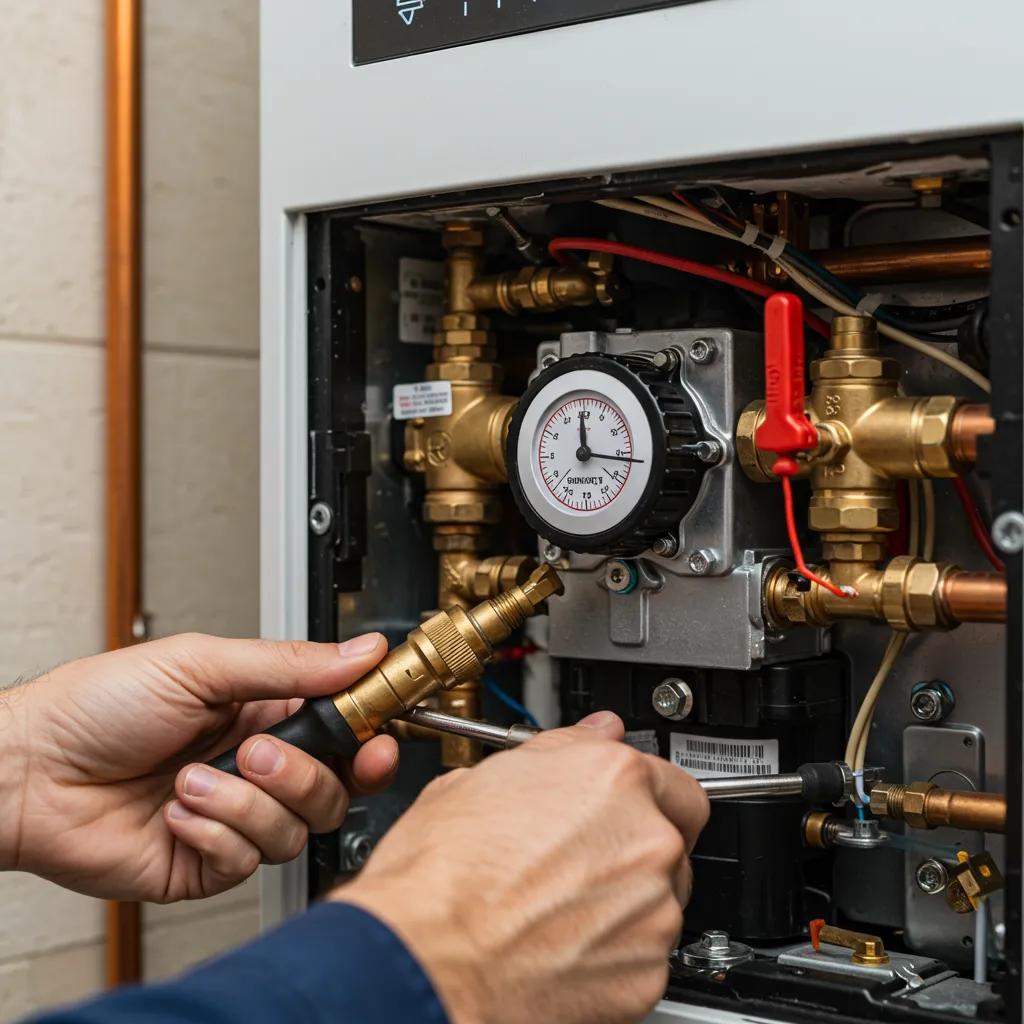
Boiler systems require careful monitoring of pressure, corrosion, and combustion efficiency to deliver reliable hydronic heating without leaks or hazardous emissions.
How to Recognize Boiler Issues Like No Heat or Leaks?
Boiler failures typically manifest as low pressure, cold radiators, or visible water dripping from joints.
- Monitor the gauge: Pressure below 12 psi can interrupt circulation.
- Listen for water hammer sounds caused by steam condensation.
- Visually inspect valves and pipe fittings for moisture or corrosion.
Early leak detection and pressure management restore proper boiler function and prevent structural damage.
What Does Boiler Installation and Replacement Involve?
Installing or replacing a boiler involves calculating system heat load, selecting an appropriately sized unit, connecting supply/return lines, and integrating controls. The steps include:
- Conducting a Manual J heat-loss calculation.
- Removing the old boiler and flushing the system.
- Installing mounting brackets and secure venting.
- Connecting gas or oil supply and testing for leaks.
- Balancing radiators or underfloor loops.
A correctly sized replacement improves energy efficiency and delivers consistent warmth.
Why Is Regular Boiler Maintenance Crucial for Safety and Efficiency?
Annual tune-ups uphold safe operation and optimal performance by:
- Flushing scale and sediment from heat exchangers.
- Testing safety relief valves and low-water cutoffs.
- Checking flame quality and combustion efficiency.
- Inspecting electrical components and wiring.
Consistent maintenance prevents corrosion, carbon monoxide hazards, and costly mid-winter failures.
Why Choose Professional Heat Pump Installation and Maintenance?
Professional heat pump services guarantee precise refrigerant charging, correct electrical configurations, and optimal airflow, resulting in efficient dual heating and cooling year-round.
What Are the Benefits of Air Source and Geothermal Heat Pumps?
Energy Savings Potential of High-Efficiency Heat Pumps
Research on high-efficiency heat pumps demonstrates significant annual heating energy savings, with simulated results showing reductions ranging from 22% to 35% compared to baseline systems. These advanced heat pumps, particularly those with variable speed compressors and fan control, also contribute to cooling energy savings.
This research provides evidence for the substantial energy savings and efficiency benefits highlighted in the article regarding heat pump installation and upgrades.
How Long Does Heat Pump Installation Typically Take?
Most installations complete within 6–8 hours, encompassing:
- Mounting the outdoor unit and indoor coil.
- Running refrigerant lines and electrical wiring.
- Evacuating, charging refrigerant, and vacuum testing.
- Calibrating thermostat controls and verifying system operation.
Efficient planning minimizes downtime and restores comfort quickly.
What Are Common Heat Pump Repair Issues and Solutions?
- Refrigerant Leaks: Locate, repair piping, and recharge refrigerant.
- Frozen Coils: Clear airflow obstructions and check defrost cycle timer.
- Electrical Failures: Replace faulty contactors, capacitors, or control boards.
Timely repairs maintain seasonal performance and prevent compressor damage.
How Does Heat Pump Maintenance Extend System Lifespan?
- Cleaning evaporator and condenser coils.
- Verifying refrigerant charge and pressure.
- Inspecting and lubricating fan motors.
- Testing defrost cycle functionality.
Routine maintenance significantly reduces wear, preserving efficiency over decades.
How Do HVAC Repair and Maintenance Enhance Heating System Performance?
Comprehensive HVAC repair and maintenance synchronize heating components, airflow, and controls to deliver uniform warmth, improved indoor air quality, and lower utility bills.
What Is Included in Preventative Heating Maintenance Plans?
- Seasonal filter replacements and airflow inspections.
- Safety checks on gas valves, burners, and heat exchangers.
- Lubrication of moving parts and belt tension adjustments.
- Thermostat calibration and system performance reporting.
Impact of Regular HVAC Maintenance on Energy Efficiency and System Lifespan
Studies show that well-maintained HVAC systems can reduce energy consumption by 5% to 15%. Conversely, systems that are not regularly serviced may use up to 25% more energy. Furthermore, routine maintenance has been found to extend the operational life of an HVAC system by up to 50%.
This research provides strong evidence for the benefits of preventative heating maintenance, supporting the article’s claims about optimizing system performance and reducing costs.
How Often Should Heating Systems Be Serviced for Optimal Efficiency?
Furnaces benefit from annual fall inspections before heavy use. Heat pumps require biannual checks—once before the heating season and once before cooling. Regular servicing maintains manufacturer warranties and maximizes energy savings over the equipment’s lifespan.
What Are the Advantages of Smart Thermostat Installation and Repair?
- Automated scheduling to match occupancy patterns.
- Remote control via smartphone for on-demand adjustments.
- Adaptive learning algorithms that optimize energy usage.
- Integration with home automation and voice assistants.
Smart controls typically yield 10–15 % annual heating cost reductions.
Automation in Smart Thermostats Reduces Household Energy Use
Research indicates that the automation features within smart thermostats can lead to significant reductions in household electricity consumption and associated costs. A study involving over 2,100 residents found that automated pre-cooling or pre-heating based on time-of-use pricing could save participants up to 30 Canadian cents per day in summer.
This research supports the article’s claim that smart thermostats can optimize energy usage and lead to heating cost reductions.
When Is Emergency Heating Service Necessary?
Emergency calls arise when:
- No Heat during sub-freezing temperatures.
- Gas Leak Detection triggering carbon monoxide concerns.
- Complete System Shutdown risking frozen pipes.
Immediate professional response safeguards occupants and prevents extensive property damage.
How Much Do Heating Services Cost and What Are Financing Options?
Prices vary widely based on system type, complexity, and regional labor rates, but financing plans and rebates often offset initial investments.
What Is the Average Cost of Furnace Repair and Replacement?
How Are Boiler Repair and Installation Priced?
Boiler repairs range from $200 for minor seal replacements to $1,500 for heat exchanger fixes. New boiler installations start around $5,000 and can exceed $10,000 for high-efficiency condensing models in large properties. Pricing depends on labor, equipment specifications, and system complexity.
What Are the Costs and Incentives for Heat Pump Installation?
Air source heat pump installs average $6,000–$8,000, while geothermal systems range $15,000–$25,000. Federal tax credits and utility rebates can reduce upfront costs by up to 30%, improving return on investment through lower annual energy bills.
Why Trust Our Certified Technicians for Reliable Heating Services?
Our team combines industry certifications, factory training, and decades of hands-on experience to deliver dependable heating solutions that prioritize safety and efficiency.
What Certifications and Experience Do Our HVAC Technicians Have?
- North American Technician Excellence (NATE) certified professionals.
- EPA Section 608 refrigerant handling accreditation.
- Manufacturer factory-authorized training on leading furnace, boiler, and heat pump brands.
These credentials ensure compliance with safety codes and optimal service quality.
How Do Our Service Guarantees and Warranties Protect You?
- Parts Warranty of up to 5 years on major components.
- Labor Guarantee covering workmanship for 1 year.
- Satisfaction Pledge, reverting service free of charge if performance issues recur within warranty.
Transparent guarantees give customers confidence and risk-free protection.
What Do Customers Say About Our Heating Service Quality?
- “Rapid response during a cold snap restored our heat within hours.”
- “Clear estimates and no hidden fees—truly trustworthy service.”
- “Technicians explained each step and left our home spotless.”
Consistent positive reviews reinforce our commitment to reliable, courteous service.
What Are Frequently Asked Questions About Heating Services?
Customers often seek clarity on routine care, troubleshooting, and efficiency upgrades, including:
- How often should heating systems be serviced?
- How can I fix a thermostat that isn’t working?
- What are the benefits of preventative maintenance for heating systems?
- How long does a heat pump installation take?
Understanding these inquiries guides proactive maintenance and informed decision-making.
Where Are Our Heating Services Available Locally?
We provide heating and air conditioning services across multiple metropolitan and rural regions, ensuring fast emergency response and local code compliance.
Which Cities and Regions Do We Serve?
- Greater Metro Area (including Townsville, Rivertown, Lakeview).
- Surrounding counties and rural communities within a 50-mile radius.
- Select commercial districts with dedicated rapid-response crews.
Local presence allows us to address region-specific heating challenges and regulations.
How to Contact Us for Heating Service in Your Area?
- Call our 24/7 hotline at (555) 123-HEAT.
- Submit an online service form on our website.
- Email support@heatingpros.example.com for inquiries.
Our dispatch team will confirm availability and technician ETA within an hour.
What Local Regulations Affect Heating System Installation?
- Building permits verifying compliance with zoning and energy codes.
- Gas line inspections certified by municipal authorities.
- Electrical permits for new circuit installations.
- Pressure and safety valve testing per state standards.
Adhering to these regulations ensures safe operation and smooth permitting.
Staying warm during winter depends on choosing the right service partner with proven expertise, transparent pricing, and certified technicians. From diagnosing furnace faults to installing advanced heat pumps and maintaining complete HVAC systems, these comprehensive heating services deliver safety, efficiency, and peace of mind. Trust in professional care to keep your home or business comfortably heated through every cold snap.