
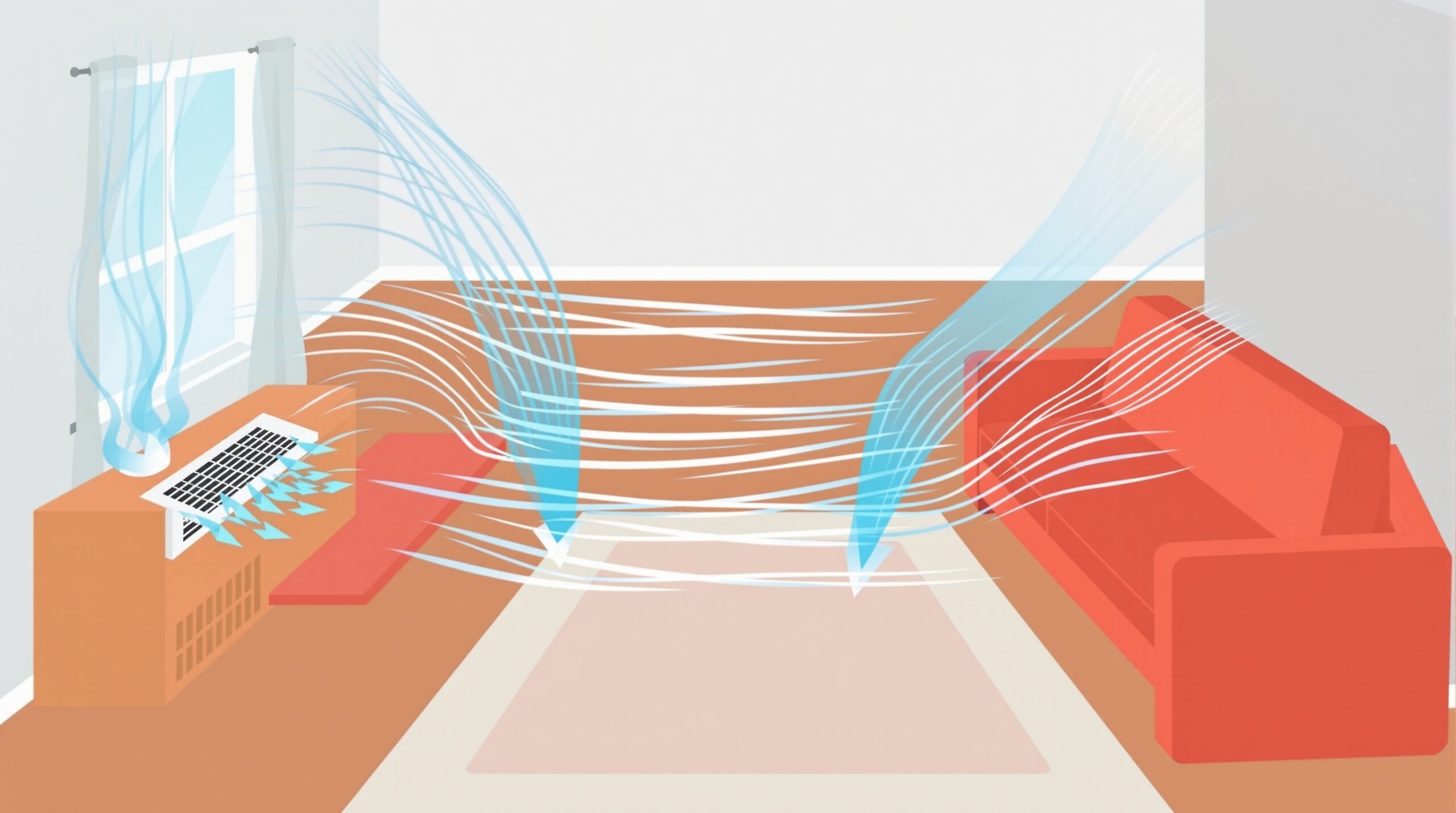
Understanding the Challenge of Comfort in Unionville Homes
Imagine coming home after a long day, ready to sink into the cozy embrace of your favorite chair. The perfect temperature greets you, and you feel a sense of peace wash over you. But wait! One room feels like a freezer, while another feels like an oven. What’s going on? This is the daily comfort puzzle many homeowners in Unionville face.
The Daily Dance of Airflow
In Unionville, where seasonal changes can swing from hot to cool in the blink of an eye, achieving total comfort in every corner of your home can feel like an uphill battle. The struggle isn’t just about turning the thermostat up or down; it’s about balancing the airflow throughout your space. Each room is unique, and some might not get the cool breezes they need while others are flooded with air. Understanding why this happens is the first step towards mastering your home’s comfort.
Why Is Airflow So Important?
Think of your home like a living organism. Just like how our bodies need proper blood circulation to feel good, homes need the right flow of air. This balance ensures that every room feels just right—no hot spots, no cold drafts. A well-balanced airflow system helps keep you and your family comfortable, happy, and cozy all year round. It’s time to get to the heart of the matter and understand the challenge of comfort within your unique Unionville home!
What is Airflow Balancing?
Airflow balancing may sound technical, but at its core, it’s a straightforward concept that holds the key to your home’s comfort. Simply put, airflow balancing involves adjusting the distribution of air from your heating, ventilation, and air conditioning (HVAC) system so that every room in your home receives the appropriate amount of airflow. This art and science ensure that each room maintains a comfortable temperature, contributing to your overall satisfaction and well-being.
Imagine a well-orchestrated symphony where every instrument plays its part harmoniously. Similarly, with effective airflow balancing, your HVAC system orchestrates a perfect flow of air, hitting every note of comfort in your Unionville home. If one room is overly conditioned, and another feels stuffy, the airflow balance is off-key and can lead to a less than pleasant living environment.
The Mechanics Behind Airflow Balancing
One of the vital elements of achieving airflow balance is understanding the mechanics of your HVAC system. Every heating and cooling system operates via a network of ducts that distribute air into each room. However, variations in duct sizes, lengths, and configurations can lead to uneven airflow distribution. Factors such as furniture placement, room size, and even the number of windows can affect how air moves throughout your space.
To achieve this balance, HVAC professionals often use specific techniques, such as adjusting dampers in ducts, adding vents, or even rerouting airflow to better suit the dynamics of your home. These adjustments can optimize airflow without needing to modify the entire system. Below is a table summarizing the key considerations when it comes to airflow balancing:
| Key Consideration | Description |
|---|---|
| Duct System Design | The layout and size of your ducts can impact airflow; proper design is crucial for efficiency. |
| Room Size and Shape | Different rooms call for different airflow needs based on their dimensions and layouts. |
| Obstructions | Furniture, curtains, and other objects can impede airflow, creating hot or cold spots. |
| Seasonal Changes | Fluctuating outdoor temperatures require timely adjustments to maintain comfort year-round. |
| Humidity Levels | Adequate airflow regulates humidity, preventing dampness and enhancing overall comfort. |
By identifying and addressing these factors, homeowners can create a more consistent, comfortable living environment, maximizing the effectiveness of their HVAC system. Airflow balancing is not just a maintenance task; it’s an investment in your home’s comfort and efficiency.
As we dive deeper into creating an inviting atmosphere within your Unionville home, understanding the role of HVAC systems will further illuminate how you can achieve that coveted balance in your living spaces.
The Role of HVAC Systems in Achieving Balance
At the heart of every comfortable home lies a well-functioning HVAC system, a true unsung hero working diligently behind the scenes. Imagine it as the backbone of your indoor climate; it’s more than just a tool for heating and cooling; it’s a carefully engineered system that promotes airflow, regulates temperature, and enhances indoor air quality. The role of HVAC systems in achieving balance extends beyond merely delivering air; they are integral in creating a healthy and harmonious living environment.
Much like an expert conductor guiding musicians through a beautiful composition, your HVAC system intuitively responds to the demands of your environment. With features designed to adapt to different weather conditions, the system intelligently manages thermal comfort. Modern HVAC systems are equipped with smart technology that allows for real-time adjustments based on occupancy, preferences, and external conditions, ensuring that each area of your home remains an oasis of comfort.
But how exactly does this system achieve that balance? It all starts with the principles of thermodynamics and airflow dynamics. Your HVAC system works to maintain equilibrium between the warm and cool air as it circulates throughout your home. It monitors and adjusts to both internal and external conditions, ensuring that the air delivered is neither too hot nor too cold, thereby crafting a cozy haven in every corner.
Furthermore, the efficiency of your HVAC system is influenced by the quality of maintenance it receives. Regular servicing is vital; it keeps the system running like a well-oiled machine. Clean filters, properly sealed ducts, and timely updates to your equipment all contribute to a smoothly functioning system. When well maintained, these elements enhance the airflow balance, allowing your HVAC system to perform optimally.
Moreover, the impact of air quality can’t be overlooked. A balanced HVAC system plays a pivotal role in filtering out contaminants, allergens, and fine particles, contributing to a healthier living environment. Cleaner air means a reduced risk of respiratory issues, better sleep, and heightened overall well-being for you and your family. This point underscores the importance of balancing not just temperature, but also the quality of the air circulating within your home.
In a sense, HVAC systems act as guardians of your comfort, overseeing the delicate balance of your indoor climate. They work tirelessly to ensure that you are comfortable year-round, adapting to seasonal changes while addressing the unique characteristics of each room. By understanding and appreciating the role of your HVAC system, you empower yourself to make choices that enhance its performance, ultimately leading to increased comfort and satisfaction in your Unionville home.
Seasonal Adjustments: Keeping Cool in Summer, Warm in Winter
As the seasons shift and the climate changes, so too must our approaches to maintaining internal comfort. The seamless transition from balmy summer days to brisk winter nights demands a robust HVAC system that adapts to these fluctuations. Seasonal adjustments are not just an afterthought; they are an essential component of your system’s overall efficiency and effectiveness. You can think of it as an intuitive leap into the rhythm of nature, allowing your home to remain a sanctuary regardless of what’s happening outside.
In the sweltering heat of summer, we seek respite from the relentless sun. During this time, your HVAC system works overtime, transforming your living space from a potential furnace into a cool retreat. One way your system achieves this is through enhanced ventilation capabilities, which increase the volume and speed of airflow, counteracting the oppressive external temperatures. Additionally, many modern units include settings that facilitate dehumidification—a critical function, as high humidity levels can make warm air feel even hotter. By striking an optimal balance between temperature and humidity, your HVAC system ensures that you experience refreshing comfort even on the hottest days.
Transitioning into the winter months, our need for warmth becomes paramount. Here, your HVAC system takes on the role of a cozy blanket enveloping your home in soothing heat. Seasonal adjustments during colder months often include recalibrating the thermostat and focusing on the distribution of warm air throughout the home. Through the strategic placement of vents and ductwork, your heating elements can deliver warmth evenly across all rooms, preventing cold spots that could disturb your sanctuary.
Another crucial element during winter is ensuring that your system is equipped to handle the potential challenges of frigid temperatures. This might involve making sure that your HVAC system incorporates features like variable-speed blowers that can adapt the airflow according to your home’s specific needs. These innovations enhance comfort, reduce energy consumption, and maintain the delicate balance that defines a well-regulated indoor climate.
Beyond adjusting the HVAC settings themselves, seasonal maintenance plays a pivotal role in establishing an effective and responsive system. Before fall settles in, it’s wise to schedule a professional inspection. Technicians can check for any inefficiencies caused by debris buildup or worn-out components, ensuring that both the heating and cooling systems are functioning optimally. This proactive approach not only promotes efficiency but also safeguards the longevity of your HVAC system, making it an indispensable ally in your quest for year-round comfort.
Moreover, paying attention to your home’s airflow can significantly enhance seasonal comfort adjustments. The strategic arrangement of furniture, manipulation of window treatments, and use of ceiling fans can all contribute to optimizing circulation throughout your home. By fostering an environment where air can easily flow and circulate, you lessen the burden on your HVAC system while simultaneously enhancing its effectiveness. These awareness and actions not only deepen your appreciation of your HVAC system but also empower you to tailor it according to the changing season, thereby enriching your living experience.
In summary, mastering the seasonal adjustments of your HVAC system is key to enjoying comfort and tranquility regardless of what mother nature has in store. As we glide through the warmer and colder months, understanding how to maximize your HVAC system’s capabilities fosters a sense of control over your indoor climate, ensuring that your home remains a personal sanctuary every season of the year.
Airflow Balancing Techniques for Optimal Indoor Air Quality
When it comes to creating a comfortable indoor environment, airflow balancing emerges as an indispensable technique for achieving optimal indoor air quality. A balanced airflow ensures that fresh air circulates freely throughout your home while stale air is effectively removed, thus promoting better health and well-being for you and your family. Think of it as orchestrating a delicate symphony where every note—every breath of air—plays its part in enhancing your space’s harmony.
So, what exactly does airflow balancing entail, and how can you implement it in your home? It begins with understanding the dynamics of your HVAC system and recognizing the importance of not just temperature control, but also the quality of the air circulating within your space. Proper airflow affects everything from humidity levels to the distribution of heating and cooling, making it vital to keep an even flow throughout the rooms that matter most.
One of the primary techniques for airflow balancing involves adjusting vents and registers. Each room in your home has different heating and cooling requirements based on its size, layout, and use. A carefully designed layout should allow for effective airflow across all areas—not just the most frequently used ones. Consider this simple table below that outlines tips for adjusting your vents:
| Room Type | Recommended Vent Adjustment | Tips |
|---|---|---|
| Living Room | Open at full | Ensure unobstructed air flow; remove furniture blocking vents. |
| Bedrooms | Partially open (50-75%) | Promote a cooler but comfortable atmosphere for sleep. |
| Bathrooms | Close (when not in use) | Reduce humidity buildup; use fans during showers. |
| Kitchen | Open to 75-100% | Balance with exhaust fans to remove cooking odors. |
Another crucial aspect of airflow balancing is ensuring that your air filters are clean and appropriately rated. Filters capture dust, pollen, and other particulates that can adversely affect air quality. A clogged or dirty filter can hinder airflow considerably, leading to inefficient operation of your HVAC system and the potential for air quality to plummet. Regular maintenance, including checking filters every month and changing them as needed, will keep your air clean and encourage smooth airflow.
Furthermore, incorporating additional elements such as adjustable dampers into your ductwork can further help balance airflow throughout your home. These devices allow you to fine-tune the air delivery in each room based on specific needs, providing you with greater control over your indoor environment. When adjusted correctly, dampers can divert airflow where it’s needed most—whether that’s to a sun-filled living area in winter or to a cooler corner in your kitchen during summer.
Additionally, consider the role of air purifiers in your indoor air quality strategy. While they do not directly influence airflow balancing, they can significantly enhance the freshness and cleanliness of the air when positioned strategically in high-traffic areas of your home. By fostering a healthy environment, air purifiers contribute to the overall comfort that balanced airflow promotes.
Ultimately, mastering airflow balancing is not merely about maintaining comfortable temperatures but also about cultivating a healthier indoor atmosphere. By utilizing a combination of strategic adjustments to vents, diligent maintenance of air filters, installation of dampers, and additional devices like air purifiers, you are setting the stage for clean, refreshing air to circulate freely through your home. Feeling empowered by these techniques, you’ll not only enhance your comfort but also nurture a serene environment that invites relaxation and well-being.
As we’ve explored the vital role of airflow balancing in enhancing indoor air quality, it’s time to delve deeper into how you can take control of your home’s comfort with expert airflow balancing strategies. Imagine being able to fine-tune every space in your home, catering to the unique needs of each room while creating an atmosphere that feels just right. With the right techniques, achieving this level of comfort is not only possible but can also become second nature.
The first step in transforming your home’s comfort is to become intimately familiar with your HVAC system’s functionality. Understand that each system operates on a unique structure of ducts, vents, and airflow pathways which should work harmoniously. Consider conducting a thorough assessment of your current setup. Observe how air moves from room to room—taking note of any areas that feel stuffy or too chilly. This awareness is your roadmap to effective balancing.
One effective method to enhance airflow is through zoning. By determining which areas of your home are used most, you can strategically design airflow to those regions while reducing excess cool or heated air in less frequently occupied spaces. Zoning allows you to utilize automatic dampers or electronic controls that adjust based on whether you are home or away, providing optimal comfort tailored to your schedule. It’s like assigning specific roles in an ensemble, ensuring every section plays its part seamlessly.
Furthermore, do not underestimate the power of a well-maintained compressor and fan system. These components play a crucial role in pushing air throughout your home. Regular maintenance not only ensures efficiency but allows for better airflow. A fun fact: did you know that keeping the outdoor unit free from debris like leaves and snow encourages even greater efficiency? Treat your HVAC system like a partner that needs nurturing; this relationship can yield wonderful benefits in airflow and comfort.
Next, it’s essential that hot and cold spots in your home don’t become the unwanted guests at your comfort party. Employing temporary air circulation methods, such as using fans or strategic window placements, can significantly affect airflow in your space. Placing a fan near a window can pull fresh outdoor air in or push stale air out, but be mindful of the direction. Rotate your ceiling fans when the seasons change; in winter, they should spin clockwise to push warm air down, while in summer, they should turn counterclockwise to create a cooling breeze.
Another profound strategy is to embrace the concept of passive airflow. This technique taps into natural wind patterns, using strategically placed vents, windows, and doors to encourage cross-ventilation without forcing air through mechanical means. On pleasant days, opening windows in unison across opposite sides of your home can lead to a refreshing cross-draft, allowing your indoor environment to breathe. It’s a simple yet highly effective way to enhance comfort while reducing reliance on HVAC systems, paving the way for both energy savings and wellness.
Finally, never underestimate the essential role of indoor plants. Beyond visual appeal, plants like Peace Lilies and Spider Plants can enhance air quality while subtly regulating humidity levels. Strategically placing these green allies around your home not only improves the aesthetic but also contributes to a balanced ecosystem that further supports your airflow goals.
Taking charge of your home’s comfort through expert airflow balancing fosters not just a pleasant living environment, but also a nurturing atmosphere conducive to well-being. By determining your space’s specific needs and implementing techniques such as zoning, enhancing air circulation, celebrating passive airflow, and adding nature into your design, you will not only achieve a perfectly balanced airflow but also boost the overall enjoyment of your home. With these expert insights, you are well-equipped to transform your indoor setting into a sanctuary that feels just right—all year round.
Continuing on this journey to enhance your home’s comfort, it’s crucial to keep an eye out for the signs of poor airflow. Recognizing these indicators can empower you to make meaningful adjustments before the comfort of your home is severely compromised. For instance, if you find that certain rooms remain persistently stuffy while others feel drafty, or if runaway temperature variations leave you shivering or sweating, your airflow may need some serious attention. Other red flags include excessively noisy HVAC systems, odd smells circulating through your vents, or increased energy bills that can’t be explained by your usage. Staying alert to these issues can help you take timely action, potential saving you vitality and stress in the long run.
Now, you might wonder if you can manage airflow balancing on your own. The answer is yes, but with some caveats. Homeowners are often capable of performing basic assessments, such as adjusting vent covers, checking filters, and ensuring that furniture or large household items aren’t obstructing airflow. It’s also wise to measure the air temperature in various parts of your home to gauge disparities. However, keep in mind that fully achieving optimal airflow requires an understanding of dynamics that often extend beyond casual observation. For a more intricate balancing process, enlisting an HVAC professional is typically recommended. They have the tools, experience, and technical know-how to assess and adjust the systems to offer balanced airflow throughout your home efficiently.
As for how often your HVAC systems should be checked for airflow balancing, most experts suggest regular evaluations at least once a year. This preventative measure doesn’t just enhance air quality; it also plays a critical role in extending the lifespan of your system and improving overall efficiency. Scheduling checks right before the start of summer or winter can ensure that the system is performing optimally as it gears up for heavy use. Additionally, if you’ve made significant changes to your home—like renovations that involve changes in insulation or room usage—it’s prudent to revisit your airflow balance more frequently. Consistent vigilance is key in maintaining your comfortable sanctuary, so make it a priority on your home care checklist.
As you embark on this journey to elevate your home’s comfort through airflow balancing, it’s crucial to also enlist the help of experienced professionals. Collaborating with HVAC experts can take your understanding to the next level, as they can conduct precise airflow assessments and identify any hidden inefficiencies in your system. Their expertise transforms insight into actionable results, ensuring your space operates at its best with minimal guesswork on your part. Consider scheduling a comprehensive evaluation where an expert can employ tools such as an airflow meter, allowing for precise adjustments that may go unnoticed during casual observations.
Another critical aspect of airflow balancing lies in utilizing advanced technology. Smart thermostats and home automation systems can significantly enhance your control over heating and cooling cycles throughout your home. These devices are equipped with algorithms that learn your habits and preferences, providing tailored solutions that ensure optimal comfort. Imagine walking into a perfectly tempered room, thanks to your smart system adjusting the climate in anticipation of your arrival; it’s like having a personal assistant exclusively dedicated to your comfort.
Moreover, it’s essential to recognize the impact of seasonal changes on your airflow. Different seasons bring their own unique challenges, and adapting your strategies accordingly can make a world of difference. For instance, during the summer, utilizing awnings or shade sails can prevent excess heat from penetrating your indoor spaces, while in the winter, ensuring your draperies or blinds are open during sunny days can welcome natural warmth into your home. This proactive approach not only enhances comfort but also amplifies your home’s energy efficiency.
Education is a powerful ally in this quest for comfort. By dedicating time to learn about your HVAC system and its airflow mechanics, you empower yourself to make informed decisions. Engaging regularly with reliable online resources, attending workshops, or even connecting with local experts through community events can help deepen your knowledge. Remember, informed homeowners are empowered homeowners, capable of taking charge of their indoor climates and optimizing their living spaces.
Lastly, don’t overlook the importance of community and shared knowledge. Often, conducting simple modifications and experiments in conjunction with family members or neighbors can lead to unique and effective personal strategies. Whether it’s testing out various fan placements or assessing how different areas of your home react to new circulation methods, collaboration can yield results that benefit everyone. Share your findings and learn from one another—after all, comfort in the home is a universal goal that transcends individual experiences.
In the end, transforming your home into an oasis of comfort through expert airflow balancing is nothing short of an art form. By combining proactive maintenance, advanced technology, seasonal adjustments, continuous education, and engaging with your community, you create an environment that nurtures both physical comfort and mental well-being. You hold the brush, and every decision you make paints a vibrant portrait of what home truly means. Embrace this journey with excitement—true comfort awaits.