Keeping Your Family Safe Around HVAC Units
In the heart of Palmyra, where the seasons change and the weather can be as unpredictable as a rollercoaster ride, having a reliable HVAC (Heating, Ventilation, and Air Conditioning) system is more than just a luxury. It’s essential for keeping your home comfortable, cozy, and just the right temperature all year round. Whether it’s a sweltering summer day or a chilly winter night, these units help maintain a pleasant environment for your family. However, while we often focus on the comfort these systems provide, we might overlook one crucial aspect—safety.
Picture this: your kids are playing in the living room, and the family dog is lounging nearby, tail wagging excitedly. But wait! What happens when curiosity piques? Kids darting around and pets exploring can lead to dangerous situations with your HVAC system. That’s where we come in! This guide will share important tips and best practices to ensure your little ones and furry friends stay safe around these powerful units.
Why Safety Matters
While an HVAC unit is a workhorse behind the scenes, it’s vital to remember it’s not a toy. These systems contain parts that can be hot, sharp, or even difficult to understand. By taking a few simple precautions, you can ensure that your loved ones can enjoy the comfort your HVAC system provides without any worries. So, let’s dive in and explore the best ways to keep your home a safe haven for everyone!
In this article, we’ll guide you through essential safety measures, practical tips, and some great ideas to help protect your kids and pets when it comes to HVAC units in Palmyra.
Understanding the Risks: Why It’s Essential to Mitigate Hazards
While the comfort of a well-functioning HVAC system is undeniable, it’s important to shed light on the risks that these units present, especially to inquisitive children and playful pets. HVAC units, whether they are installed indoors or outdoors, come equipped with sharp edges, hot surfaces, and electrical components that can be hazardous if proper precautions aren’t taken. It’s not just about keeping the temperature just right; it’s also about creating a safe environment for your cherished family members.
Consider the curious nature of a child or the inquisitiveness of a pet. They may not understand the potential dangers that exist around HVAC units. From sharp components that could lead to cuts or puncture wounds to electrical hazards that present a real risk of shocks or burns, the hazards are undeniable. The very machines designed to provide comfort can turn volatile in the wrong proximity.
| Potential Risks | Impacted Groups | Suggested Mitigation Strategies |
|---|---|---|
| Sharp Components | Children, Pets | Install protective barriers around units; teach children to keep distance. |
| Electrical Hazards | Children, Pets | Ensure all units are properly grounded and maintain cords out of reach. |
| Hot Surfaces | Children, Pets | Provide clear warnings and precautions; consider installation in less trafficked areas. |
| Noise and Vibration | Pets | Place units away from play areas; use noise-reducing pads if necessary. |
Moreover, understanding these risks allows homeowners to implement necessary safety measures. Merely being aware of the potential dangers can trigger a stronger proactive stance on home safety, empowering families to create environments where comfort and security coexist harmoniously.
As you embrace the seasonal changes in Palmyra, remember that safety isn’t just an add-on; it should be woven into the fabric of your home life. By taking the time to mitigate these hazards, you can ensure that your HVAC system remains a friend to your family rather than a potential threat. In the next section, we’ll explore how the layout of your home and the strategic positioning of HVAC units can play a crucial role in enhancing safety while maintaining comfort. Let’s take a closer look at how to create a safe and functional home layout that keeps your loved ones protected!
Home Layout Considerations: Where to Place HVAC Units
When designing your home layout, the positioning of your HVAC units becomes a pivotal consideration—not only for comfort and efficiency but also for safety. The strategic placement of these essential systems can significantly mitigate risks associated with their operation, providing peace of mind for families with young children and curious pets. Thoughtful planning extends beyond aesthetics; it’s about crafting a home environment that harmonizes safety and comfort.
First and foremost, consider accessibility and visibility. HVAC units that are hidden away can be tempting for children and pets to explore. By positioning units in more open, visible areas, you can keep an eye on them and deter unwanted interactions. Think about installing outdoor units in locations that are less frequented by play areas or high-traffic zones, while indoors, consider placement in utility spaces or basements. This will not only secure these systems from prying hands and paws but also ensure that they remain accessible for maintenance and monitoring.
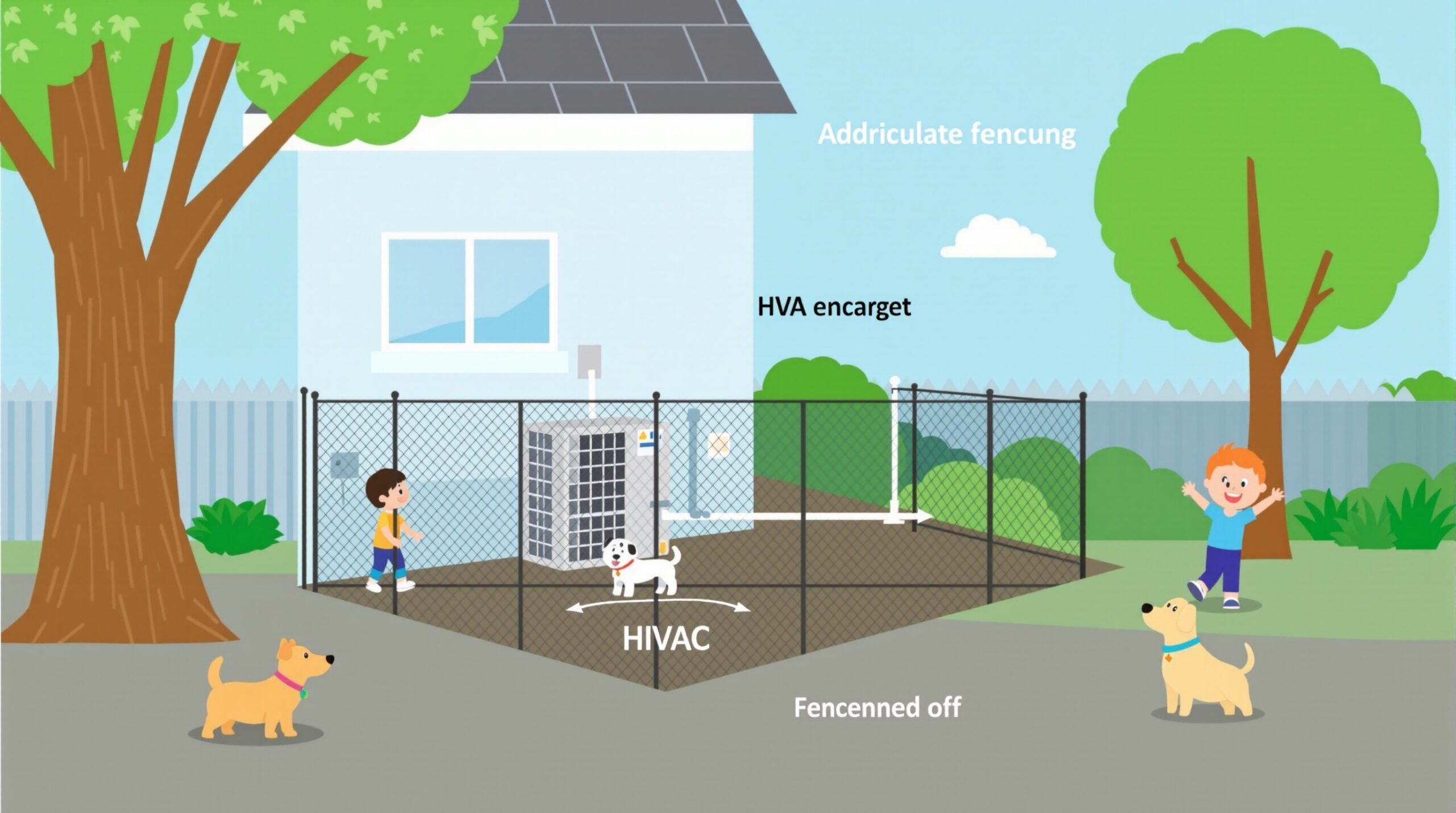
If placing units within reach is unavoidable, it’s crucial to implement protective measures. Fencing or creating barriers around outdoor units can effectively prevent access, deterring curious minds from venturing too close. For indoor systems, consider installing gate barriers or using furniture to create physical boundaries that limit access. These measures act as simple yet effective solutions in protecting your loved ones from potential harm.
Additionally, the orientation of the units in relation to common pathways and play areas is essential. Positioning units away from primary traffic areas reduces the likelihood of accidental bumps that could lead to injuries. Furthermore, consider the noise levels generated by HVAC units. While their main purpose is to ensure optimal home comfort, excessive noise can be disconcerting, especially to pets. Utilizing noise-reduction techniques and placing units strategically away from common living areas can help create a more serene environment.
It’s also wise to think about potential environmental elements that may impact the placement of HVAC systems. For instance, installing outdoor units in shaded areas can not only improve their efficiency but also serve to minimize thermal dangers during the scorching summer months. Proper ventilation is critical, ensuring that units can operate safely without obstruction, promoting system reliability while keeping your surroundings safe.
The crux of your home layout’s effective design lies in the fine balance between visibility, accessibility, and safety. The more intentional you are about where to place your HVAC units, the greater protection you’ll provide your family from unseen risks. Remember, your home should be a sanctuary, combining comfort, safety, and functionality, allowing you to enjoy peaceful moments with your loved ones without the shadow of potential hazards looming over you. With these considerations in mind, let’s pivot to the next critical aspect of home maintenance: the importance of routine HVAC checks and inspections.
Routine Maintenance: The Importance of Regular HVAC Checks
Your HVAC system is the beating heart of your home, tirelessly working to maintain an environment of comfort and security. Yet, much like any vital system, it requires dedicated attention and care to function optimally. That’s where routine maintenance comes into play, transforming your HVAC system from a mere fixture into a reliable ally. Engaging Palmyra heating repair and AC maintenance experts for regular checks is crucial—not just for the efficiency of your units, but for the well-being of your family.
Think of routine HVAC inspections as annual health check-ups for your home. Regular examinations can unveil hidden issues before they manifest into larger, potentially hazardous problems. A qualified technician will meticulously inspect your system for any signs of wear or malfunction, ensuring that everything functions seamlessly. Ignoring such maintenance can lead to unexpected breakdowns, compromising your comfort just when you need it the most.
Regular checks also play a key role in energy management. A well-tuned HVAC system operates more efficiently, consuming less energy while providing the same level of comfort. Over time, accumulated dust and debris can impede airflow and burden the system, forcing it to work harder and increasing energy consumption. By scheduling periodic maintenance services, you not only extend the life of your HVAC units but also streamline their operation, leading to a reduced carbon footprint and healthier living conditions.
Furthermore, routine inspections help reduce risks associated with HVAC systems. Safety hazards, such as gas leaks, electrical faults, or improper ventilation, can develop without any visible signs. A seasoned HVAC technician can pinpoint these dangers, providing you with peace of mind amidst everyday living. Knowing that your systems are operating safely allows you to focus on what truly matters—spending quality moments with your family.
It’s important to remember that regular maintenance extends beyond just the machinery; it has a significant impact on your indoor environment. An optimally functioning HVAC system contributes to improved indoor air quality by filtering out allergens and pollutants. This is especially crucial for families with young children or pets, who are more susceptible to respiratory issues. Regular checks help ensure that air filters are clean and systems are free from mold or mildew, further enhancing the overall atmosphere of your home.
The question isn’t whether you can afford routine HVAC maintenance—it’s about the long-term benefits that come with it. By committing to regular inspections and maintenance, you invest in your family’s comfort, safety, and health. In doing so, you’re not just preserving an essential home system; you’re creating an environment where your loved ones can thrive. With your HVAC system operating like a well-oiled machine, you can focus on improving other aspects of your home, such as enhancing indoor air quality to benefit your family and pets.
Improving Indoor Air Quality: Benefiting Your Family and Pets
With routine HVAC maintenance keeping your system in top condition, it’s time to turn our focus to one of the most essential benefits of an efficient HVAC system: indoor air quality. A well-maintained HVAC not only enhances comfort but plays a crucial role in safeguarding the health of your loved ones. The air you breathe in your home can significantly influence the overall well-being of both family members and pets.
When we talk about indoor air quality, we refer to the cleanliness and safety of the air circulating through your home. A variety of factors contribute to this, including allergens, contaminants, and particulates. Poor air quality can lead to a host of health issues, such as asthma, allergies, and other respiratory problems. This is particularly concerning for children, whose developing bodies are more sensitive, and for pets, who are prone to similar airborne ailments. Ensuring that your indoor atmosphere is as clean as possible should be a priority for any household.
A well-tuned HVAC system acts as the lungs of your home, filtering out dust, pet dander, pollen, and bacteria. Regular maintenance helps keep these filters clean, ensuring that your system doesn’t merely recycle dirty air but actively contributes to purifying it. Importantly, neglected filters become breeding grounds for mold and mildew, which can exacerbate allergy symptoms and cause health complications. This highlights the need for conscientious regular checks, as they can prevent these potential hazards from becoming a part of your living environment.
Studies show that households with poor indoor air quality report a higher incidence of respiratory health issues. According to the Environmental Protection Agency (EPA), indoor air can be up to five times more polluted than outdoor air. To put this into perspective, here’s a breakdown of common indoor pollutants and their sources:
| Pollutant | Source | Health Effects |
|---|---|---|
| Volatile Organic Compounds (VOCs) | Paint, cleaning products, air fresheners | Irritation of eyes/nose/throat, headaches, liver/kidney damage |
| Particulate Matter | Dust, pet dander, smoke | Respiratory issues, heart disease |
| Mold and Mildew | Excess moisture, leaks | Allergies, asthma attacks, respiratory infections |
| Pollen | Outdoor plants and grasses | Allergic reactions, asthma exacerbation |
To combat these threats and enhance your indoor air quality, consider implementing a few best practices alongside regular HVAC maintenance:
- Change Air Filters Regularly: Make it a routine to check and replace air filters at least every 1-3 months, depending on usage and the presence of pets in the home.
- Utilize Air Purifiers: In addition to HVAC filters, consider investing in standalone air purifiers, especially in rooms that are frequently used. These devices can capture even smaller particles enhancing overall air quality.
- Maintain Humidity Levels: Keeping indoor humidity between 30-50% can help ward off mold growth and dust mites, both of which thrive in damp environments.
- Ventilate: Open windows when weather permits to let fresh air in. Good ventilation can help dilute indoor pollutants, promoting a healthier living environment.
As you invest in keeping your HVAC system well-maintained, remember its broader impacts on your family’s health. Improving indoor air quality is about creating a haven for both your loved ones and pets. As the seasons change and your HVAC provides comfort, you can rest easy knowing you are contributing to an environment where everyone can breathe easier and thrive.
Best Practices for Energy Savings: Achieving Safe and Efficient HVAC Usage
As homeowners increasingly become aware of their energy consumption, finding ways to effectively use HVAC systems while preserving energy has never been more pertinent. Fortunately, you don’t have to sacrifice safety or efficiency in the quest for sustainability. By implementing smart energy-saving strategies, you can enjoy a comfortable living environment while contributing positively to the planet.
One of the standout innovations in home heating and cooling is the programmable thermostat. This intelligent device allows you to regulate temperatures according to your family’s schedule, which not only improves comfort but also significantly cuts down on energy costs. For example, you can set your thermostat to lower the temperature during the hours when everyone is away at work or school, and schedule it to warm up just before you return home. This simple adjustment prevents unnecessary energy expenditure while ensuring the comfort of your family when they need it the most.
Additionally, consider upgrading to a smart thermostat that learns your daily routines and can be controlled remotely via smartphone apps. This kind of technology eliminates any guesswork in maintaining optimal temperature settings and streamlines energy usage by adjusting heating and cooling cycles based on real-time conditions. As we embrace advancements in technology, this small change can yield significant savings over time.
Yet, energy savings don’t solely depend on temperature regulation; routine maintenance plays an equally crucial role. Regularly changing your air filters is not just a good practice for improving indoor air quality; it also lends to HVAC efficiency. Clogged filters restrict airflow, making the system work harder and consume more energy. By committing to changing your filters every 1-3 months, you can ensure your HVAC operates at peak efficiency, lowering energy consumption while prolonging the system’s lifespan.
Don’t underestimate the importance of regular inspections and maintenance by professional HVAC technicians either. These experts can detect potential issues before they become significant problems, ensuring your system is optimized for performance. A quick checkup may involve cleaning coils, inspecting ducts, and verifying that there are no refrigerant leaks, thereby guaranteeing that every component of your HVAC system is engaged in efficient operation.
It’s also essential to maintain the right humidity levels in your home. Excess humidity can cause your HVAC system to work overtime, leading to increased energy usage. Use humidistats to monitor and control humidity, aiming for levels between 30-50%. In drier months, consider humidifiers to strike the right balance. A well-maintained indoor climate not only promotes comfort but also contributes to energy efficiency.
Lastly, beyond the tech-savvy devices and regular upkeep, there are simple practices that can enhance energy savings. Closing blinds and curtains during the hottest parts of the day can reduce heat gain, thus relieving some of the burden on your HVAC system. In the winter, the opposite trick works—open those curtains to let the sun’s natural warmth enter your living spaces. These small, proactive steps engage your HVAC system more effectively and foster an energy-conscious lifestyle.
In summary, achieving energy savings while ensuring safe and efficient HVAC usage requires a multifaceted approach that combines technology, routine maintenance, and practical daily practices. By moving towards smarter energy consumption, you’ll be embracing a more sustainable lifestyle for your home and nurturing a comfortable haven for your loved ones. Remember, your HVAC system is more than just a utility—it’s an investment in your family’s well-being and the environment.
What Should I Do If My Pet Chews on HVAC Wires?
As pet owners, we all know that our furry friends can be both curious and mischievous. Unfortunately, that means they can sometimes get into trouble—especially when it comes to potentially hazardous areas like HVAC units. If you discover that your pet has chewed on your HVAC wires, it’s critical to act fast. First and foremost, prioritize safety: immediately turn off the HVAC unit to prevent any further damage or risk of electrical hazards. Following that vital step, don’t hesitate to contact your local HVAC repair services for an inspection and repair. Quick action not only ensures your pet’s safety but also protects the integrity of your heating and cooling system.
Moreover, keeping your HVAC wires protected is essential for maintaining a safe environment for all family members, including your pets. One approach is to run wires through protective conduits, which can minimize the chances of a curious such as your pet experimenting with them. Additionally, consider using cable management systems to organize and conceal these wires. This approach not only helps maintain the aesthetics of your home but also adds an extra layer of protection against accidental chewing.
When discussing pet safety, it also begs the question—could the localization of your HVAC system impact indoor air quality? Indeed, proper placement and maintenance of your HVAC system enhance airflow efficiency and quality. Ensuring that HVAC units are adequately set up can minimize the likelihood of dust and allergens circulating within your home, contributing to a healthier environment for both people and pets alike.
Shifting gears to another crucial aspect—is your HVAC system receiving routine maintenance? It’s recommended to schedule HVAC maintenance twice a year, ideally before summer and winter seasons. This routine assessment is paramount for sustaining optimal performance. Just imagine a day in the middle of winter when your heating fails because of inadequate maintenance; the discomfort it brings can be truly distressing. Regular inspections allow technicians to catch potential issues before they escalate into major repairs, keeping your home safe and comfortable.
By taking these preventive measures and prioritizing regular maintenance, you can create an environment that’s not just energy-efficient but also safe for your kids and pets. Protecting your family includes addressing less obvious risks that could impact their comfort and safety at home. Show your loved ones you care by ensuring they have a secure and healthy space to thrive in year-round. So, take action today—by implementing these tips, you’re not just maintaining your HVAC system, but you’re also showing your commitment to the well-being of every member of your household.
“`
Protecting Kids and Pets: Making Safety a Priority Around HVAC Units
While optimizing your HVAC system’s efficiency and energy consumption is vital, ensuring the safety of your family members—especially children and pets—around these units is equally paramount. HVAC systems, although essential for indoor comfort, can pose potential hazards if not adequately managed. From sharp edges to heavy equipment, it’s crucial to create an environment where your loved ones can thrive without worry. Here are practical tips to help forge that secure sanctuary in your home.
First and foremost, establishing a safe zone around your HVAC unit is a proactive step. Try to coordinate with your HVAC professionals in Palmyra to determine a safe area around the external unit where kids and pets are discouraged from playing. Installing barriers, such as decorative fencing or shrubbery, not only enhances the aesthetic appeal of your outdoor space but also provides an effective shield that helps to keep curious little ones and furry friends at a safe distance.
Additionally, consider taking the time to educate your children about the HVAC system. Simple lessons about the functioning of these units can help cultivate a respect for the equipment. Teach them that while the air conditioning may provide cool relief on a hot day, the outdoor units should be treated with caution. This early awareness fosters responsibility, allowing them to navigate their environment safely.
For pet owners, ensuring their comfort and security is vital. Be mindful of how HVAC units impact indoor climates, particularly during extreme weather conditions. Pets can easily overheat in poorly ventilated areas. Regular maintenance not only optimizes the HVAC system’s performance but ensures that your furry companions remain cool and comfortable year-round.
Remember that regular cleaning of the outdoor unit is essential. Leaves, debris, and stagnant water can create an inviting environment for pests like insects or rodents, which can be hazardous for both kids and pets. By keeping the area around your unit tidy and free from clutter, you not only promote a safe space but also enhance the efficiency of your HVAC system.
Finally, establishing a set of ground rules about temperature settings can also improve safety. Keep an eye on indoor temperatures, especially in extreme weather conditions. Using fans or space heaters in addition to your HVAC system, particularly when engaging in activities that may lead to sweating or discomfort, can contribute to a consistent and pleasant atmosphere for every family member.
In conclusion, prioritizing safety around your HVAC units is an essential aspect of home management that nurtures peace of mind while enriching the comfort of your living space. By taking actionable steps such as creating safety zones, educating your kids, ensuring your pets are comfortable, and maintaining a clean environment, you can foster a happy home for all. Collaborating with local HVAC experts in Palmyra ensures that the maintenance of your systems is in line with safety best practices. Don’t leave your family’s safety to chance; take proactive measures today and make this a priority in your home. Create a secure and cozy refuge joyful for every member of your household!
“`