Understanding Temperature Inconsistencies
Have you ever walked from one room in your Palmyra home to another and felt like you entered a whole new season? One moment you’re cozy in your living room, and the next you’re hit with an unexpected chill in the hallway. It’s a puzzling contrast that many homeowners in our beautiful town experience, and it raises an important question: What causes these hot and cold spots?
The Comfort Conundrum
As we snuggle under our blankets during chilly evenings or crank up the AC on those scorching summer days, temperature consistency is key to our overall comfort. But why can it feel like a sauna in one room while another feels like a freezer? These temperature swings can stem from various factors, from airflow issues to insulation problems. Each contributes to the house behaving like an unpredictable weather system.
Imagine trying to watch your favorite movie in the living room while your family freezes in the back bedroom! Not only does this create discomfort, but it can also lead to higher energy usage as we fight to equalize the temperature throughout the house. Understanding these inconsistencies is crucial, not just for our happiness in our homes, but also for saving energy while ensuring everyone stays comfortable.
Why It Matters
Addressing these temperature differences should be on every homeowner’s to-do list. Tackling hot and cold spots can turn your home into a comfort zone, where you and your loved ones can enjoy every nook and cranny to its fullest. Plus, by figuring out the causes and solutions, you’ll contribute to a greener planet by using energy more efficiently. So, let’s dive deeper into what causes these quirky temperature zones in your Palmyra home and discover how to make things just right!
Understanding Hot and Cold Spots in Your Home
Temperature inconsistencies can be perplexing, not to mention frustrating. But to truly tackle these issues in your Palmyra home, it’s essential to understand the culprits behind hot and cold spots and their implications for your energy usage and comfort.
What Causes Hot and Cold Spots?
Hot and cold spots often arise due to a combination of factors that work in concert, creating a patchwork of temperature variations throughout your space. Below, we break down the primary causes:
| Cause | Description | Impact on Energy Usage |
|---|---|---|
| Airing Out | Blocked vents or dirty filters can restrict airflow, leading to uneven heating or cooling. | Increased energy consumption as the system works harder to maintain set temperatures. |
| Insufficient Insulation | Poor insulation can allow heat to escape in winter or enter during summer, creating temperature disparities. | Higher energy use as heating and cooling systems must compensate for lost air. |
| Thermostat Variability | Single-zone thermostats may attempt to heat or cool the entire home as if it’s one consistent environment. | Increased energy bills due to over-conditioning of certain areas. |
| Sunlight and Shadow | Rooms that receive more sunlight may become excessively warm, while others stay cool in shadow. | Extra energy spent on cooling systems when certain areas heat up faster. |
| Air Leaks | Cracks and gaps in windows, doors, or walls can lead to drafts, contributing to inconsistent temperatures. | Heightened reliance on heating/cooling systems to maintain a stable environment. |
The Ripple Effect on Energy Usage
The impact of temperature inconsistencies extends beyond mere discomfort; it can strain your energy resources. When specific areas of your home feel more extreme temperatures, your heating and cooling systems are forced to work overtime. This struggle can contribute to unnecessary energy usage and affect the overall efficiency of your home’s climate control.
Moreover, when different parts of your house are set to varying temperatures to combat these inconsistencies, the overall energy footprint increases. Not only does this conflict with modern energy-saving practices, but it can also put a strain on the wear and tear of your systems, leading to potential maintenance issues down the road.
Finding Balance
Addressing the causes of hot and cold spots allows you to create equilibrium within your home—transforming it into a sanctuary of comfort. The first step toward balance involves identifying the symptoms and taking note of where inconsistencies arise. Monitoring your energy use can also provide insight into where you may need to focus your attention.
In Palmyra, enjoying your space can become a reality when you take proactive steps toward resolving temperature discrepancies. From evaluating airflow and insulation issues to understanding the nuances of sunlight and air circulation, each adjustment makes a significant difference in creating a comfortable and energy-efficient home. Stay tuned as we explore the important role of effective home energy management in resolving inconsistencies, further ensuring your home remains a haven year-round.
The Role of Home Energy Management in Resolving Inconsistencies
As we delve deeper into the pursuit of a balanced home environment, implementing robust home energy management strategies emerges as an essential ally. Effective management of energy consumption can significantly mitigate the issues of hot and cold spots, transforming your living space into a model of comfort and efficiency. This transformative process begins not just with awareness but also with action—taking deliberate steps to integrate energy management into the fabric of your home.
Understanding Home Energy Management Systems
At the heart of effective home energy management lies the deployment of smart technologies designed to optimize energy use throughout your home. These systems gather data in real-time, providing insights that allow homeowners to understand exactly which areas require attention. From smart thermostats that learn your patterns to advanced home automation systems managing heating, cooling, and even lighting, harnessing technology can be a game-changer. By adjusting settings based on occupancy and preferences, you can avoid over-conditioning spaces, thereby alleviating unnecessary energy expenditure and driving comfort.
Promoting Energy Flow and Balance
Properly managing energy also involves focusing on airflow and circulation—critical elements in addressing temperature imbalances. By ensuring that each room has adequate airflow, you can promote an even distribution of temperature throughout your home. Energy management technologies can assist in this endeavor through features like zoned heating and cooling. This means each sector of your home can be treated independently, significantly reducing those bothersome inconsistencies in temperature. Instead of one thermostat trying to manage the entire space, multiple controls can ensure every zone is comfortably conditioned to suit its unique needs.
Proactive Monitoring and Maintenance
Another crucial facet of home energy management is ongoing monitoring and maintenance. Regular checks of your heating and cooling systems—not just during seasonal transitions—can preempt potential issues that contribute to hot and cold spots. A well-maintained system not only runs efficiently but is also less likely to create frustrating temperature discrepancies. With home management systems, you can receive alerts about filter replacements, airflow blockages, or maintenance needs, which helps preserve the integrity of your indoor climate. Adopting a proactive stance encourages longevity of your equipment and maintains a consistent comfort level across your home.
Data-Driven Decisions for a Comfortable Home
Implementing a home energy management strategy is not just about using technology; it’s about making informed decisions based on the data available. Energy usage reports can highlight patterns that reveal problem areas, allowing you to address specific hot or cold spots with targeted strategies. By leveraging these insights, you can adjust your energy habits, optimize usage, and create a climate that feels right throughout your home.
In summary, effective home energy management acts as a linchpin in remedying the challenges of temperature inconsistency. By embracing technology, ensuring proper airflow, scheduling proactive maintenance, and leveraging data-driven insights, homeowners can cultivate an environment that celebrates comfort and efficiency. The path toward a harmonious living space is within reach, ready for you to explore as we prepare to tackle the next crucial topic: simple maintenance habits for improved indoor air quality.
Simple Maintenance Habits for Improved Indoor Air Quality
As we turn our focus to another critical element of a comfortable home environment, it’s essential to recognize the profound influence that indoor air quality (IAQ) has on our overall well-being. While home energy management plays a pivotal role in regulating temperature and efficiency, adopting simple yet effective maintenance habits can significantly enhance the air you breathe indoors. Let’s explore practical steps you can take to ensure that the air quality in your home remains fresh, clean, and conducive to health.
Regular Filter Replacement
The air filters in your heating and cooling systems are your first line of defense against airborne pollutants. Over time, these filters become clogged with dust, pollen, and other allergens, which can severely compromise indoor air quality. Establish a routine for checking and replacing filters—typically every three months is a good benchmark, although homes with pets or high dust levels may require more frequent changes. By ensuring your filters are clean, you’ll not only maintain optimal airflow but also trap harmful particles that can affect your family’s health.
Consistent Ventilation Practices
Ventilation is key to maximizing air quality and reducing pollutants. Open windows and doors whenever possible to allow fresh outdoor air to circulate throughout your home. Use exhaust fans strategically, especially in kitchens and bathrooms, to remove moisture and odors. Incorporate cross-ventilation by opening windows on opposite sides of your home to create a natural breeze, further dispelling stale air. Make it a habit to do this regularly, promoting a steady flow of clean air while reducing the buildup of contaminants.
Humidity Control
Maintaining appropriate humidity levels—ideally between 30% and 50%—is essential for good indoor air quality. High humidity can foster mold growth and dust mites, while low humidity can lead to dry skin and respiratory issues. Invest in humidifiers or dehumidifiers as needed, and be diligent about monitoring humidity levels. Regularly check areas prone to excess moisture, such as basements and bathrooms, for signs of mold and take active steps to address any leaks or moisture issues promptly.
Routine Cleaning and Dusting
Simple cleaning habits can go a long way in enhancing indoor air quality. Dust surfaces regularly, using microfiber cloths to capture particles rather than just spreading them around. Vacuum often with a vacuum cleaner equipped with a HEPA filter to trap fine particles effectively. Don’t forget less obvious areas—clean behind furniture, under rugs, and along baseboards where dust tends to accumulate. Maintaining a decluttered and clean environment reduces allergens and creates a healthier living space for everyone.
Incorporating Houseplants
Plants can provide more than just aesthetic appeal; many varieties are known for their air-purifying abilities. Incorporate houseplants like spider plants, snake plants, and peace lilies, which can naturally filter toxins from the air such as formaldehyde and benzene. Not only do these green companions enhance indoor air quality, but they also contribute to a calming ambiance that can reduce stress and promote overall well-being.
By instilling these simple yet effective maintenance habits into your routine, you can significantly enhance your indoor air quality, fostering a healthier, more comfortable living environment. As you implement these practices, keep in mind that a proactive approach will ensure that your home remains a sanctuary where you and your loved ones can thrive—setting the stage perfectly for our next discussion on smart upgrades for heating and cooling efficiency.
Smart Upgrades for Heating and Cooling Efficiency
As we strive for improved indoor air quality and overall home comfort, it’s important to consider how smart upgrades can enhance the efficiency of our heating and cooling systems. These upgrades not only promote energy conservation but also contribute to a more sustainable lifestyle, ensuring that you stay comfortable year-round while minimizing environmental impact. Let’s delve into some of the most effective and innovative upgrades you can make to boost your home’s heating and cooling efficiency.
Smart Thermostats
One of the most effective upgrades you can make is installing a smart thermostat. These intelligent devices learn your schedule and preferences, adjusting the temperature accordingly to optimize comfort while reducing energy consumption. Features like remote access through smartphone apps allow you to monitor and control your HVAC system from anywhere, enabling you to make adjustments when necessary. Additionally, many smart thermostats come equipped with adaptive learning technology, which can help achieve energy savings of up to 15% simply by optimizing your heating and cooling patterns.
Energy-Efficient HVAC Systems
If your heating and cooling systems are outdated, upgrading to energy-efficient models can lead to significant performance improvements. Look for systems with high SEER (Seasonal Energy Efficiency Ratio) ratings for air conditioning and high AFUE (Annual Fuel Utilization Efficiency) ratings for furnaces. These systems are designed to use less energy without sacrificing performance. Investing in energy-efficient equipment often translates to enhanced comfort and a reduction in energy use—which is beneficial for both the environment and your utility bills.
Variable Speed Blower Motors
Another smart upgrade is to opt for a variable speed blower motor in your HVAC system. Unlike traditional single-speed motors, variable speed motors can adjust their speed based on the temperature demands of your home. This means the system can operate at lower speeds for longer periods, providing consistent airflow and reducing energy consumption. This not only enhances comfort but also allows for quieter operation and better humidity control, making your living space significantly more enjoyable.
Smart Zoning Systems
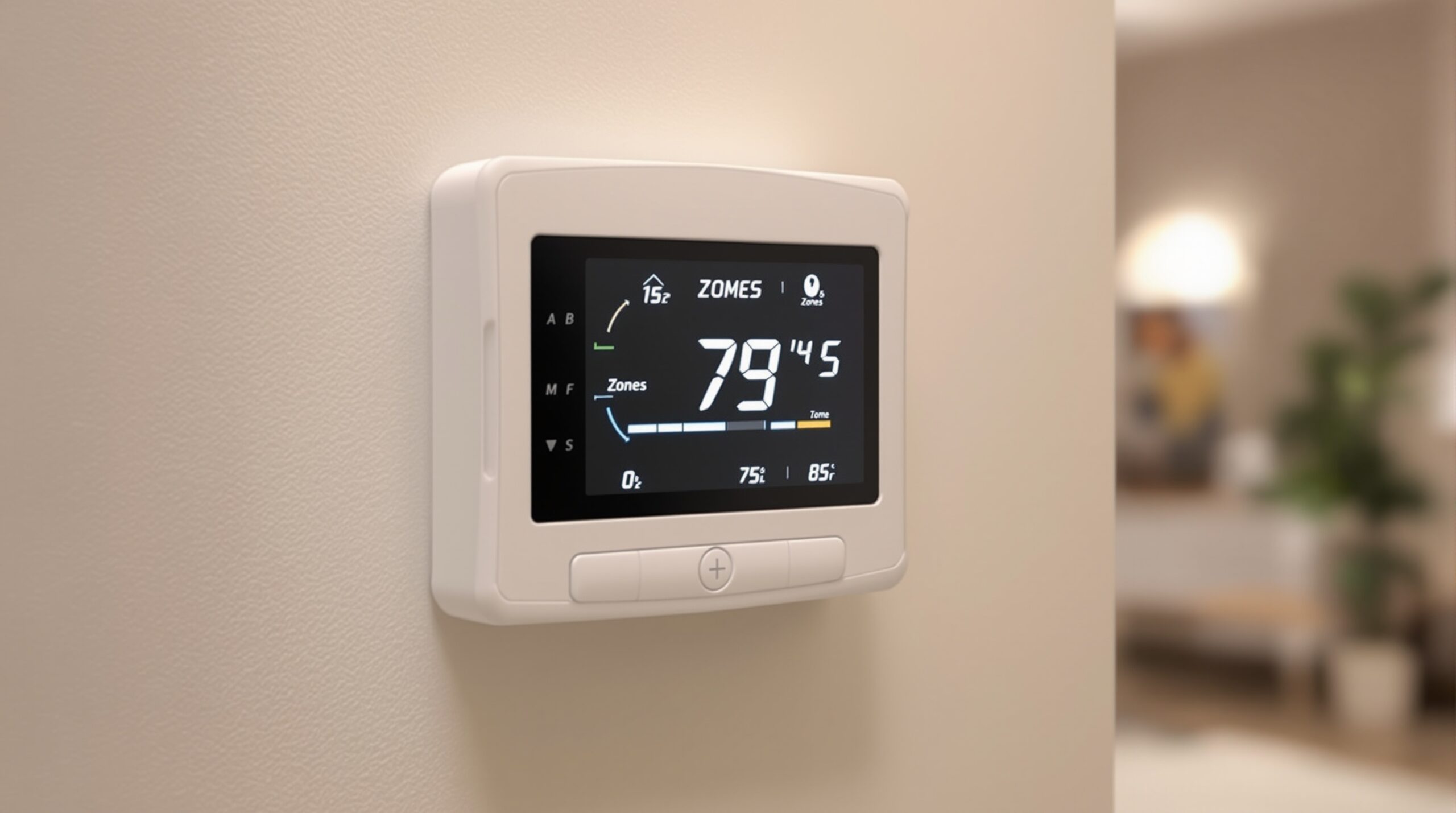
Implementing a smart zoning system allows you to customize climate control in different areas of your home. By dividing your home into zones, you can target heating and cooling more efficiently according to specific needs—whether that be a sun-soaked living room during the day or a cooler bedroom at night. These systems work in conjunction with smart thermostats, ensuring that energy is only used where and when it is needed, reducing waste and improving overall efficiency.
Insulation and Sealing Enhancements
Improving your home’s insulation and sealing is a crucial factor for efficient heating and cooling. Consider upgrading to high-performance insulation in attics, walls, and basements, as it will help maintain a steady indoor climate. Properly sealing any air leaks around windows, doors, and ducts will minimize temperature exchange and enhance the efficiency of your systems. As a rule of thumb, ensure that every aspect of your home is well-insulated and sealed for the best results.
| Upgrade Type | Description | Benefits |
|---|---|---|
| Smart Thermostat | Automated device that learns your schedule for optimized temperature settings. | Energy savings up to 15%, remote access, enhanced comfort. |
| Energy-Efficient HVAC | Upgraded systems with high efficiency ratings (SEER/AFUE). | Lower energy consumption, improved performance, and comfort. |
| Variable Speed Motors | Blower motors that adjust based on heating/cooling needs. | Quieter operation, consistent airflow, and humidity control. |
| Smart Zoning Systems | Allows targeted temperature control in different home zones. | Reduces energy waste, improved comfort, and efficient climate control. |
| Insulation and Sealing | Improve insulation quality and seal air leaks around the home. | Maintains steady indoor temperatures, enhances system efficiency. |
These smart upgrades can play a crucial role in enhancing the efficiency of your heating and cooling systems, promoting a more comfortable and sustainable home environment. As you consider implementing these changes, remember that each upgrade not only contributes to your immediate comfort but also fosters long-term benefits for your home’s energy profile—setting the stage perfectly for identifying the right HVAC repair services when the need arises.
Leveraging HVAC Repair Services in Palmyra
Even though smart upgrades can significantly enhance the efficiency of your heating and cooling systems, it’s crucial to remember that these systems require regular maintenance and expert care in order to operate at their best. This is where professional HVAC repair services in Palmyra come into play. Knowing when and why to consult these experts can be the difference between a minor hiccup and a major disruption in your home comfort.
When to Call for Professional Help
Recognizing the signs that indicate a need for professional HVAC services can help you avoid larger, costlier issues down the line. Common indicators include:
- Unusual Noises: If your system starts making strange sounds—such as grinding, squealing, or banging—it’s time to consult a professional. These noises often signal wear and tear or even mechanical failures that require immediate attention.
- Inconsistent Temperature Control: Is one room too hot while another feels like a freezer? Inconsistent temperatures throughout your home might point to issues with ductwork, the thermostat, or the HVAC unit itself, calling for expert inspection.
- Frequent Cycling: If your system is cycling on and off more than usual, it may be a sign of inefficiency or mechanical failure. A professional can diagnose the root cause and recommend the appropriate course of action.
- Increased Energy Bills: A sudden spike in energy bills without a change in usage patterns often indicates that your HVAC system is working harder than necessary—highlighting the need for a thorough check-up.
- Foul Odors: Musty smells or unusual odors can signal mold or electrical problems within your HVAC system. These matters should be addressed promptly by a qualified technician.
Why Choose Professional Services
Consulting professionals for your HVAC needs in Palmyra is essential for a multitude of reasons:
- Expert Knowledge: Certified technicians possess the expertise and training necessary to diagnose and repair complex HVAC issues. Their experience ensures that problems are thoroughly addressed and that solutions are tailored to your specific system.
- Safety: HVAC systems can pose risks if not handled properly. Professionals are trained to follow safety protocols, reducing the risk of accidents and ensuring that your system operates safely.
- Long-Term Solutions: Rather than merely addressing the symptoms of a problem, HVAC professionals can help identify underlying issues, providing long-term solutions that enhance your system’s longevity and effectiveness.
- Warranty Protection: Working with certified technicians ensures that your warranty remains valid. Many manufacturers require professional servicing to uphold warranty claims, further protecting your investment.
- Peace of Mind: Knowing that a knowledgeable expert is on the job saves you from the stress of DIY repairs and potential mistakes. You can feel confident that your heating and cooling systems are in reliable hands.
Consulting with HVAC professionals in Palmyra is not merely a remedy for immediate problems; it represents a proactive approach to maintaining comfort and efficiency in your home. Regular maintenance, timely inspections, and fatal repairs enable your system to run optimally, thereby extending its lifespan and ensuring those smart upgrades continue to perform effectively.
As you explore the landscape of heating and cooling in your home, remember that integrating smart upgrades with professional HVAC services creates a synergistic effect that fosters both comfort and sustainability. Now is the perfect time to assess your HVAC needs and reach out to trusted professionals who can help optimize your home’s climate control system for years to come.
Common Questions Palmyra Homeowners Have About Indoor Climate Management
As a Palmyra homeowner, you may find yourself navigating a plethora of questions regarding indoor climate management and energy efficiency. The intersection of DIY home repairs and professional services can be perplexing, leaving many unsure of how best to maintain comfort in their living spaces. Here, we’ve addressed some of the most frequently asked questions to help you make informed decisions.
DIY or Professional Help: Which Should I Choose?
This enduring question often arises when homeowners face heating and cooling issues. DIY repairs may seem appealing, especially for minor tasks, but it’s essential to consider your level of expertise and the complexity of the situation. If you’re comfortable performing routine maintenance, such as changing air filters or cleaning vents, these tasks can be effectively managed on your own. However, complications can escalate quickly. When in doubt, especially for issues that involve electrical components or refrigerant levels, it’s wise to consult with a professional.
How Often Should I Schedule HVAC Maintenance?
Regular maintenance is key to ensuring the longevity and efficiency of your HVAC system. Ideally, homeowners should schedule professional inspections at least once a year, ideally in the spring or fall. This preventive approach not only helps identify potential issues before they become significant problems, but it also keeps your system running smoothly and efficiently, which is vital for year-round comfort.
What Should I Do If I Notice Uneven Heating or Cooling in My Home?
Uneven temperatures can be frustrating and uncomfortable. Several factors could contribute to this issue, including blocked vents, leaky ductwork, or even an improperly calibrated thermostat. Start by checking that vents are clear and unobstructed. If the problem persists, it’s best to reach out to a professional who can assess the ductwork and system performance, ensuring each space maintains an optimal climate.
Can Smart Home Devices Help Improve Energy Efficiency?
Absolutely! Smart home devices, such as programmable thermostats, can dramatically enhance energy efficiency by automatically adjusting temperatures based on your preferences and routines. These devices not only provide convenience but can also help you monitor energy usage and adjust your settings accordingly. Integrating smart technology into your HVAC system can lead to substantial energy savings over time.
How Do I Know If My System Is Operating Efficiently?
There are a few indicators to look for when assessing the efficiency of your HVAC system. Monitor your energy bills for unexpected spikes, watch for unusual noises or inconsistent temperatures, and pay attention to how often your system runs. If any of these signs seem off, it’s worth scheduling an inspection with a professional to ensure everything is functioning as it should.
What Are the Benefits of Choosing Professional HVAC Services?
Beyond expertise, professional HVAC services provide homeowners with an invaluable resource for not just fixing immediate problems but also optimizing overall system performance. Technicians can spot inefficiencies, recommend energy-saving improvements and keep you updated on the latest technologies, allowing you to make better-informed decisions about your home’s climate control.
In conclusion, understanding how to manage your home’s indoor climate and making informed decisions between DIY efforts and professional services is vital for maintaining both comfort and energy efficiency. Regular maintenance, combined with smart upgrades, can lead to a harmonious living environment. If you have lingering questions or need assistance, consider exploring local HVAC services that can provide tailored solutions to optimize your home’s heating and cooling system for the ultimate living experience.
Recap of Key Insights on Managing Home Temperature
In the ever-evolving sphere of home comfort, effectively managing your indoor temperature is not just a luxury—it’s a necessity. As we’ve explored in previous sections, a harmonious blend of smart technology and reliable professional service can transform your living space into an oasis of comfort while efficiently utilizing energy resources. Let’s recap key takeaways that underscore the importance of both innovation and expertise in your home temperature management strategy.
Understanding Your System
The foundation of maintaining a comfortable home environment lies in understanding your HVAC system inside and out. Familiarizing yourself with how different components work together enables you to identify issues more swiftly and appreciate the value of professional HVAC services. Regular consultations with knowledgeable technicians will give you crucial insights into optimal system performance and longevity.
Regular Maintenance is Key
This cannot be overstated: consistent maintenance works wonders for your heating and cooling systems. Scheduling periodic inspections with HVAC professionals not only enhances the unit’s efficacy but also helps in identifying problems before they escalate. Think of it as routine check-ups for your health—prevention is always better than correction.
Smart Technology Meets Expert Care
Implementing smart thermostats and advanced HVAC technology undoubtedly helps to regulate energy use and improve comfort levels effectively. However, these upgrades perform at their best when paired with skilled professional servicing. A smart system requires the foundation of expert knowledge to truly shine. For instance, proper installation, calibration, and troubleshooting from certified HVAC technicians ensure that your smart devices align seamlessly with your heating and cooling strategy.
Optimize Your Home Environment
Beyond just climate control, managing your home temperature requires holistic thinking. This involves considering aspects like insulation, air flow, and even humidity levels, which can all impact how your HVAC system functions. Specialists in HVAC can offer tailored advice on how to create an optimized environment, ensuring that even those hard-to-reach areas of your home are comfortably conditioned.
In conclusion, the journey to a comfortable, efficient home isn’t a solitary one but rather a collaborative effort between smart technology and expert care. As you’ve discovered throughout this article, consulting professional HVAC services in Palmyra is essential for achieving the best results for your home environment. Whether you are grappling with a persistent issue or seeking to embrace the latest in home climate technology, reaching out to experienced professionals can make all the difference.
Now is the perfect moment to reassess your HVAC needs and explore how expert guidance can enhance your home comfort and efficiency on a long-term basis. Investing in professional services not only secures optimal performance today, but also paves the way for sustainable comfort in the future. Don’t leave your home’s temperature control to chance; reach out to trusted HVAC professionals today to take your comfort experience to the next level.