
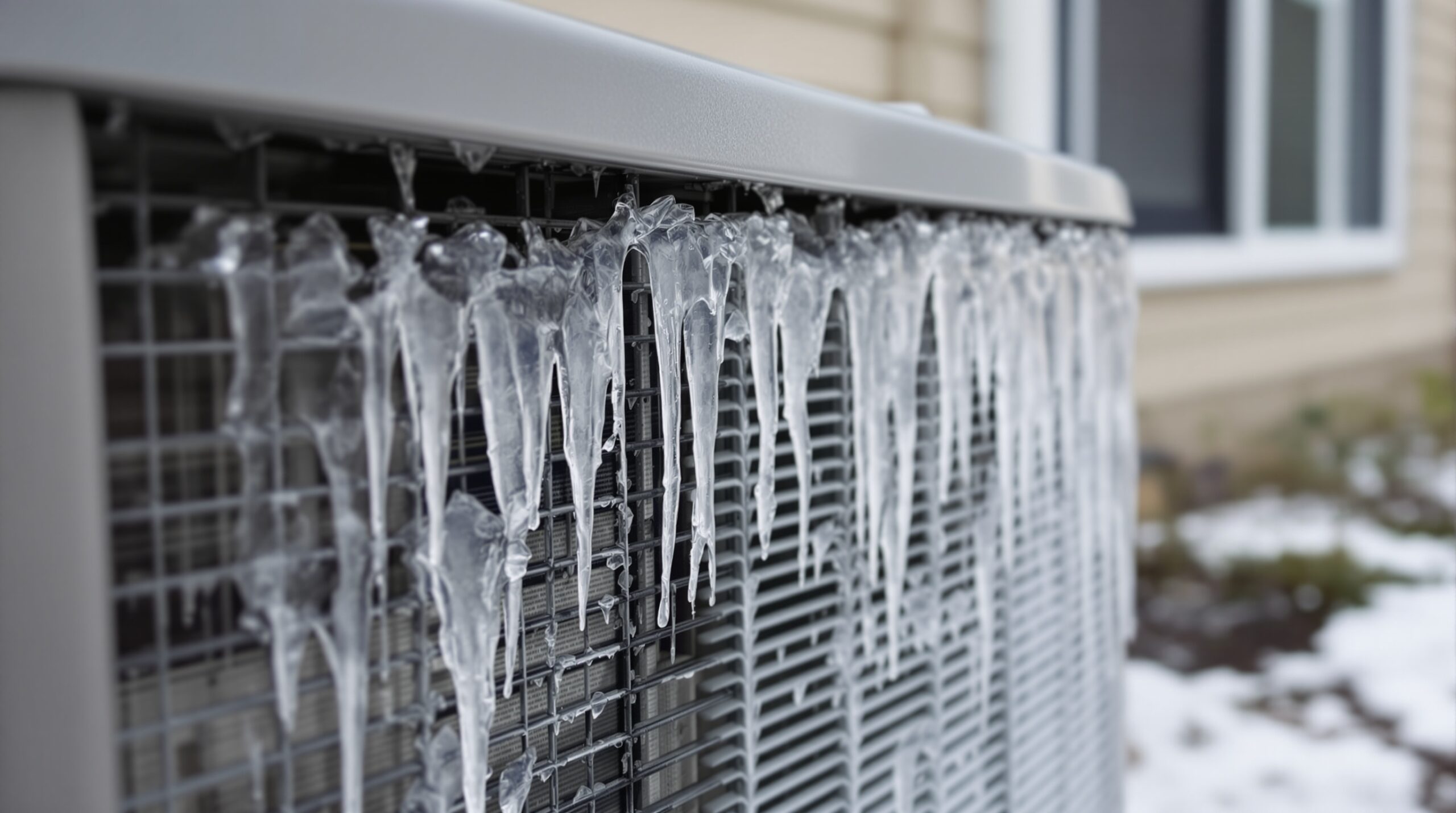
Why Does Your AC Freeze Up?
Imagine it’s a hot summer day in Ashland, and you’re counting on your air conditioning unit to keep your home cool and comfy. Suddenly, you notice that it’s blowing warm air instead of the refreshing chill you were looking forward to. Frustrated, you go to check on your AC, only to find that it has frozen up! What happened? Why is your air conditioner acting like it’s in the middle of winter?
The Clues of a Frozen AC
For many homeowners, a frozen AC can feel like a mystery straight out of a detective novel. But don’t worry! There are several common reasons why your air conditioning unit might freeze up, and knowing them can help you solve the case. First, let’s explore what happens inside your AC that leads to this frosty problem. Just like how we need airflow to breathe, your air conditioner requires a steady flow of air to function properly. If that airflow is restricted, things can get chilly—too chilly!
How Air Restrictions Cause Ice
Imagine trying to breathe through a straw. If the straw is blocked, it’s hard to get enough air, right? The same goes for your AC! When dust and dirt clog the air filters or ducts, the cool air can’t circulate well. This can cause the coils inside the unit to get too cold and, before you know it, ice starts forming. But that’s not the only issue that could be at play. What if your refrigerant levels are low? That’s like running low on gas in your car—you’re not going to get very far!
A Shout-Out to Ashland Homeowners
So what does all of this mean for you as an Ashland homeowner? Understanding these key points about your AC helps you keep your cool—literally! By learning the secrets behind why your air conditioner might freeze up, you can take steps to prevent it from happening again. Let’s dive deeper together and unlock the secrets behind your AC woes! Your perfectly chill home is just a few tips away!
Understanding the Causes: What Makes Your AC Freeze?
Now that we’ve piqued your curiosity about how air restrictions lead to icy coils, let’s delve deeper into the common culprits wreaking havoc on your air conditioning system. The freezing of your AC isn’t a whimsical occurrence; it’s a mechanical response to a variety of factors. Understanding these causes can help you take preventive action and ensure the longevity of your cooling unit. Here are the principal reasons your AC might end up resembling a winter wonderland:
| Causes of Frozen AC | Description |
|---|---|
| Airflow Problems | Restricted airflow caused by dirty filters, blocked vents, or closed registers can lead to reduced indoor air circulation, causing the evaporator coils to drop below freezing temperatures. |
| Low Refrigerant Levels | If your refrigerant is low due to leaks or improper charging, the pressure inside the evaporator coils decreases, causing the temperature to plummet and ice to form. |
| Faulty Components | Mechanical failures such as a malfunctioning blower fan or a defective thermostat can impede the cooling cycle, resulting in insufficient warm air reaching the coils and subsequent freezing. |
Airflow Problems: The Silent Treatment
As mentioned, the importance of proper airflow can’t be understated. It’s vital for cooling efficiency and protecting the unit from freezing up. Blocked filters, for instance, can trap dirt and debris, cutting off the air supply. Additionally, if you have furniture or draperies obstructing vents, this can also lead to airflow problems. Regular maintenance is key—consider checking your air filters every month during cooling seasons. A simple replace or clean can often spell the difference between a breather and a freezer!
Low Refrigerant Levels: The Hidden Leak
The refrigerant is the lifeblood of your AC, so when levels dip, your unit struggles to cool your home effectively. A leak may not always be visible, and the signs of low refrigerant might manifest gradually. If you notice a gradual decline in cooling efficiency or hear hissing sounds near your AC, it’s worth investigating. Regular refrigerant checks can help you ensure that your AC operates smoothly without falling victim to the frosty trap of ice formation.
Mechanical Failures: The Unforeseen Breakdown
Sometimes, the heart of your AC—the compressor or the blower itself—can give out. These components face significant stress during cooling days, and even the best models can suffer from wear and tear over time. Mechanical failures can significantly hinder airflow and cooling efficiency. Regular servicing and timely professional inspections can help diagnose mechanical issues before they exacerbate into serious problems.
A Bit of Proactive Care Goes a Long Way!
Now that we’ve unraveled the most common causes of a frozen AC, you’ll want to keep your eye on your unit’s performance to take preemptive action. Regular maintenance and vigilance are your best allies in preventing those dreaded ice formations. In the next section, we’ll explore the early warning signs that your AC may be on the verge of freezing up, so you can stay one step ahead of potential problems!
Spotting the Symptoms: Early Warning Signs of a Frozen AC Unit
The key to avoiding the inconvenient breakdown of your air conditioning system lies in your ability to spot early warning signs. Just as a watchful eye can catch a cold before it turns into something more serious, being attuned to your AC’s behavior can help prevent the chilly grasp of ice formation. Here are the critical symptoms to be aware of so that you can take action before your AC becomes an unwelcome ice sculpture.
Reduced Airflow: The Subtle Whisper
One of the most telling signs of trouble is reduced airflow from your AC vents. If you notice that the cool breeze you once enjoyed is now a gentle sigh, it’s time to pay attention. This can manifest as weak air circulation, where the air feels stagnant or feels noticeably warmer than usual. A decrease in airflow may stem from clogged filters or blocked ducts, both of which can lead to the dreaded freeze-up. Conduct a quick inspection by switching on your AC and feeling the vents—if it’s a mere trickle, you could be on the verge of frosty complications.
Temperature Inconsistencies: A Rollercoaster Ride
Is your home’s temperature fluctuating like the stock market? Sudden changes in cooling efficiency can be a sign that your AC is struggling, and ice buildup may be the culprit. If some rooms feel downright frigid while others remain uncomfortably warm, this uneven distribution could indicate inadequate refrigerant levels or diminishing airflow. A well-functioning AC should provide consistent cooling throughout your home; variations could mean your unit is wrestling with freezing issues lurking just out of sight.
Unusual Noises: The Warning Siren
When your AC starts to make strange sounds, it’s akin to a cry for help. Different noises can signal different issues, and when ice is forming on the coils, you might hear anything from hissing to sputtering. A hissing sound could point to a refrigerant leak, while a sputtering noise might indicate that the compressor is struggling. Pay attention to these sounds in conjunction with the other symptoms mentioned; they can provide essential clues about what your AC is experiencing. Unusual noises are never merely background chatter—they deserve your full attention!
Frost or Ice Formation: The Icy Culprit
Of course, the most glaring indicator of a frozen AC unit is the presence of frost or ice on the evaporator coils or the refrigerant lines. If you catch sight of ice where it shouldn’t be, such as on the outside of the unit or around the vents, it’s a strong indication that something has gone awry. This tells you that your system is not only experiencing low temperatures but also that your pathway to cooling relief is being blocked. Don’t ignore this icy indicator; instead, be proactive in resolving the underlying issues.
Ready, Set, Prevent!
Recognizing these early warning signs is your first step toward preventing a cooling disaster. Maintaining vigilance and promptly addressing any changes in performance can spare you from dealing with a full-blown frozen AC. After you’ve identified any concerning symptoms, you’ll want to know exactly what steps to take when your unit does freeze up. Stay tuned as we discuss immediate actions homeowners should take to remedy the situation effectively!
First Steps: What to Do When It Happens
So, your air conditioning unit has succumbed to the frostbite of frozen coils—now what? Panic is not the answer! Instead, your immediate actions can make a significant difference in mitigating damage and restoring comfort to your home. Here’s a step-by-step guide to help you navigate this chilly situation.
Step 1: Turn Off the System
The very first action to take is to switch off your AC unit immediately. Continuing to run a frozen system can further exacerbate the problem, leading to additional ice accumulation and potential damage to the compressor. Locate the thermostat or the dedicated switch for your AC and put an end to the cool air flow. Give your unit a moment to recognize the change; this can prevent serious malfunctions down the line.
Step 2: Check for Airflow Obstructions
Once the system is powered down, it’s time to play detective. Go around your home and inspect the vents for any visible obstructions that could hinder airflow. Furniture, curtains, or even dust buildup can create blockages that cause reduced airflow—one of the primary triggers for an AC freeze-up. Additionally, take a look at the air filter. If it appears clogged and dirty, replacing it can dramatically improve air circulation. Try removing any items that may be in the way and check that the air intake is completely unobstructed. This small act can lead to big changes in your AC’s performance.
Step 3: Ensure Adequate Ventilation
Good ventilation is essential for your AC to operate correctly. Assess the area surrounding the outdoor unit; it should be clear of debris such as leaves, dirt, and vegetation. Make sure nothing is blocking the airflow around the condenser, as a well-ventilated system is critical for effective heat exchange. Lack of adequate airflow can create the perfect storm for ice formation, so clear the space to allow your AC to breathe freely.
Step 4: Give It Time to Thaw
With the system off and the airflow improved, allow your AC some time to thaw. This might take several hours, so be patient. Avoid the temptation to pour hot water on the frozen parts; this can lead to thermal shock that could compromise the unit further. Instead, let nature do its job. If you’re in need of cool air sooner than later, consider using fans or opening windows to assist in ventilating the space for the time being.
Step 5: Monitor and Restart
After you’ve given your AC enough time to thaw, it’s time for a restart. Turn the system back on and check the airflow from the vents again. If the air seems strong and consistent, you’re likely back in business. However, if you continue to notice reduced airflow or any of the earlier mentioned symptoms, it’s time to consult a professional technician. They can perform a thorough inspection and address underlying issues that may have contributed to the freeze-up.
By taking these immediate actions when your AC unit freezes, you set the stage for a smoother recovery and extend the life of your system. It’s all about being proactive and attentive—two essential qualities that will help you keep your home comfortable no matter the season. Now that you’ve addressed the immediate concern, you’re probably wondering how to prevent this icy situation from recurring in the future. Stay tuned for strategies that focus on long-term maintenance and preventative measures.
Long-Term Solutions: Preventative Maintenance Strategies That Prevent Freezing
With the immediate concern behind you, it’s time to shift your focus to preventative maintenance strategies that can help keep your air conditioning unit operating smoothly and efficiently for years to come. After all, an ounce of prevention is worth a pound of cure. By incorporating regular HVAC checks, ensuring proper refrigerant levels, and maintaining unobstructed outdoor units, you can significantly reduce the chances of your AC succumbing to the frigid grip of ice again. Here’s how.
Regular HVAC Checks
Just like you keep an annual check-up with your healthcare provider, your HVAC system deserves the same attention. Scheduling at least one professional inspection a year can help identify any potential issues before they escalate into major problems. During these appointments, an HVAC technician will thoroughly examine the system, ensuring that all components are functioning optimally. They will clean coils, check electrical connections, lubricate moving parts, and assess the unit’s overall health, addressing any early signs of trouble.
Proper Refrigerant Levels
The refrigerant is the lifeblood of your air conditioning system, essential for the heat exchange process that cools your home. If your refrigerant levels are too low due to leaks or other malfunctions, the system struggles to effectively remove heat, which can lead to freezing coils. During your regular HVAC checks, technicians will ensure that refrigerant levels are appropriate and check for any leaks in the system. It’s crucial that a qualified technician performs this task, as handling refrigerants requires specific training and tools. Keeping the refrigerant at the correct levels will optimize your system’s performance and longevity.
Keep Outdoor Units Unobstructed
Outdoor air conditioning units require ample airflow to function efficiently. Make it a habit to regularly inspect the area around the condenser unit and eliminate any debris, such as leaves, dirt, and overgrown vegetation. A clear space around the outdoor unit not only aids in airflow but also promotes better heat exchange, warding off the icy conditions that lead to freeze-ups. Create a maintenance schedule to check for obstructions seasonally, especially during fall when leaves can easily clutter your unit.
Summary of Preventative Maintenance Strategies
| Preventative Measure | Frequency | Description |
|---|---|---|
| Professional HVAC Inspection | Once a Year | Comprehensive examination of system to identify and resolve issues. |
| Refrigerant Level Check | During HVAC Inspection | Ensure refrigerant is at appropriate levels and check for leaks. |
| Clearing Outdoor Units | Seasonally | Remove debris and ensure unobstructed airflow around condenser. |
| Air Filter Replacement | Every 1-3 Months | Replace clean filters to ensure optimal airflow and system efficiency. |
By committing to these preventative maintenance strategies, you’re taking proactive steps towards maximizing your air conditioning system’s efficiency and extending its lifespan. A little diligence can go a long way in preventing problems before they start, ensuring that your home remains comfortable no matter what the external temperature may be. Stay tuned as we transition to maximizing efficiency with tips that cover thermostat management, sealing leaks, and implementing regular maintenance for peak performance year-round.
Maximizing Efficiency: Tips to Optimize Air Conditioning Efficiency
As we prepare for the changing seasons, it’s crucial to reflect on how slight adjustments can markedly enhance the efficiency of your air conditioning system. While regular maintenance lays the foundation for comfort in your home, optimizing performance is where the true magic happens. With expert tips on thermostat management, sealing leaks, and implementing ongoing checks, you’ll ensure your air conditioning operates at peak performance throughout the year. Here’s how you can make every degree count.
Thermostat Management
The smart management of your thermostat can yield significant energy savings while enhancing your indoor comfort. Start by programming your thermostat to match your schedule—setting a higher temperature when you’re away during the day and cooling things down just before you return. Smart thermostats allow you to automate these changes without the need for constant adjustments. Many models can even learn your habits and optimize settings based on your preferences, leading to increased efficiency. For those not utilizing a smart thermostat, simply raising the temperature by a few degrees can massively reduce energy consumption without sacrificing comfort. Additionally, consider utilizing zoning systems, if possible, which provide separate controls for different areas of your home, allowing you to cool only the spaces that are in use.
Sealing Leaks
Even the most efficient air conditioning systems can be compromised by leaks. Air leaks around doors, windows, and ductwork can let conditioned air escape and unconditioned air enter, undermining your system’s efforts to maintain a comfortable environment. To combat this, conduct a thorough inspection of your home for potential leaks. Use weatherstripping or caulk to seal gaps around windows and doors, and ensure that your ductwork is properly sealed and insulated. By eliminating unwanted airflow, you can ensure your AC works smarter, maintaining the desired temperature more effectively and efficiently.
Regular Maintenance for Peak Performance
Regular maintenance goes hand-in-hand with efficient operation. Beyond the annual professional inspections we discussed earlier, there are simple DIY tasks that homeowners can tackle to ensure consistent performance. Replacing air filters every one to three months is essential in preventing airflow restrictions that lead to increased energy usage. Clogged or dirty filters make your system work harder, resulting in reduced efficiency. Additionally, cleaning the evaporator and condenser coils periodically ensures they can effectively exchange heat, keeping your space cool and your unit functioning seamlessly.
Prioritize Prevention for Long-Term Comfort
Understanding and acting on these optimization strategies can significantly prolong your air conditioning system’s life while ensuring your home remains a haven of comfort. Embracing proper thermostat management, sealing leaks, and committing to regular maintenance are not merely tasks, but cornerstones of a larger philosophy towards energy efficiency and sustainability. By focusing on these steps, you are not only investing in the functionality of your air conditioning system but also enhancing the well-being of your household.
So, as you reflect on your air conditioning needs, remember: proactive efforts lead to fewer breakdowns, a more comfortable living space, and a more efficient system. It’s time to make the most of your investment and embrace a routine that champions efficiency—one you and your family will appreciate season after season.
Reflecting on the Importance of Regular HVAC Maintenance
As homeowners, we often find ourselves caught up in the whirlwind of daily responsibilities, leaving important upkeep tasks by the wayside. However, one area that demands your attention is your HVAC system—an unsung hero diligently regulating comfort and air quality within your home. Regular maintenance is not merely a checkbox on your list of chores; it is vital for ensuring that your system operates efficiently and reliably. Prioritizing this crucial aspect not only guarantees long-term benefits but also fosters a serene living environment.
The significance of routine HVAC maintenance extends beyond just keeping your air conditioning running smoothly. A system left unchecked can lead to a cascade of issues, ranging from subtle inefficiencies to significant breakdowns that leave you sweltering in the heat or shivering in the cold. By embracing a preventive maintenance schedule, you can mitigate these risks—ensuring that your family enjoys comfort regardless of the season.
Regular inspections allow technicians to catch minor problems before they escalate. Whether it’s identifying a refrigerant leak, clearing debris from outdoor units, or checking for electrical issues, these early interventions pave the way for a robust and reliable HVAC system. Plus, a well-maintained system increases its lifespan, allowing you to enjoy consistent performance for years to come without the disruption of sudden failures.
Moreover, investing in proactive HVAC strategies translates directly to improved indoor air quality, which is indispensable for the health and well-being of your family. Clean air filters, unblocked ventilation pathways, and well-maintained coils work in tandem to ensure that the air circulating in your home remains fresh and free of pollutants. This is particularly important for households with vulnerable members, such as children or the elderly, who may be more sensitive to allergens and air quality fluctuations.
In essence, taking the time to understand and implement a routine HVAC maintenance schedule is an investment in your home’s comfort and efficiency. By prioritizing these preventative strategies, you reduce the likelihood of unexpected breakdowns while enhancing your living environment. As the seasons transition, so too should your approach to home maintenance. Embrace the philosophy of prevention, and allow the comfort of your sanctuary to thrive through mindful care of your HVAC system.
So, as you move forward, make it a priority to establish that routine—allowing yourself to enjoy the peace of mind that comes with knowing every aspect of your home’s comfort is well taken care of. With a few simple steps, your HVAC system will not only deliver a refreshing breeze during hot summer days but will also safeguard your loved ones’ health throughout the year, reinforcing the connection between proactive maintenance and a balanced, comfortable home.
Reflecting on the Importance of Regular HVAC Maintenance
In the whirlwind pace of modern life, the comforts of home can often fade into the background—especially when it comes to the unseen marvel that is your HVAC system. While focusing on optimizing your air conditioning efficiency is undoubtedly important, let’s take a moment to reflect on a critical aspect that stands at the forefront of ensuring home comfort: regular HVAC maintenance. This commitment is not just about keeping the temperature just right; it’s an essential practice that fosters consistent comfort, promotes health, and wards off inconvenient breakdowns.
The Foundation of Home Comfort
Believe it or not, the air conditioning system is a silent guardian of your home, working diligently behind the scenes to create an inviting oasis amid the summer heat. However, like any complex system, it requires routine attention and upkeep to perform at its best. Regular HVAC maintenance is akin to a health check for your home—identifying potential issues before they escalate into costly repairs. When annually scheduled services are adhered to, homeowners often find they are not only preventing breakdowns but are benefiting from improved air quality, achieving a consistent indoor climate, and ultimately, experiencing a greater sense of well-being within their space.
Building a Habit: Prioritizing Preventative Strategies
While it can be easy to overlook the HVAC system until something goes wrong, making it a priority can transform your approach to home comfort. Start by integrating preventative strategies as part of your annual home care routine. Create a maintenance calendar that includes seasonal inspections, cleaning, and filter replacements as non-negotiable tasks. Not only will this proactive mindset help you detect vulnerabilities early, but it will also extend the lifespan of your system, thereby maximizing your investment. Think of maintenance as a promise to yourself and your family—one that pays dividends in comfort and safety over time.
Creating a Comfortable Environment Year-Round
Regular maintenance equates to peace of mind—a crucial factor when the temperatures begin to soar. A well-maintained HVAC system operates more efficiently, distributing cool air evenly throughout your home and adapting seamlessly to changing weather conditions. Furthermore, clean systems promote better indoor air quality by reducing dust, pollen, and allergens—an essential consideration for family members with sensitivities or health concerns. In essence, prioritizing HVAC maintenance is a commitment to creating a healthy, happy, and comfortable living space for you and your loved ones.
Fewer Breakdowns, Greater Satisfaction
Finally, let’s address the undeniable truth: fewer breakdowns lead to greater satisfaction. The last thing any homeowner wants is to face an unexpected system failure during a sweltering summer day. By fostering a habit of consistent maintenance, interruptions to your comfort can become a thing of the past. You’ll find that not only does your HVAC system run more efficiently, but you also enjoy a prolonged lifespan for your equipment, which translates to fewer headaches and greater tranquility in your daily life.
In conclusion, embracing regular HVAC maintenance is not merely an option—it’s an essential practice that ensures your home remains a bastion of comfort. As you take steps to prioritize these preventative strategies, remember that the real power lies in your hands. By committing to an annual maintenance schedule and addressing minor issues before they blossom into major concerns, you’ll foster an environment where comfort reigns and breakdowns are the exception, not the rule. Keep your home cozy, clean, and efficient, and enjoy the long-lasting peace of mind that comes with taking proactive care of your HVAC system.