Listening to Your HVAC
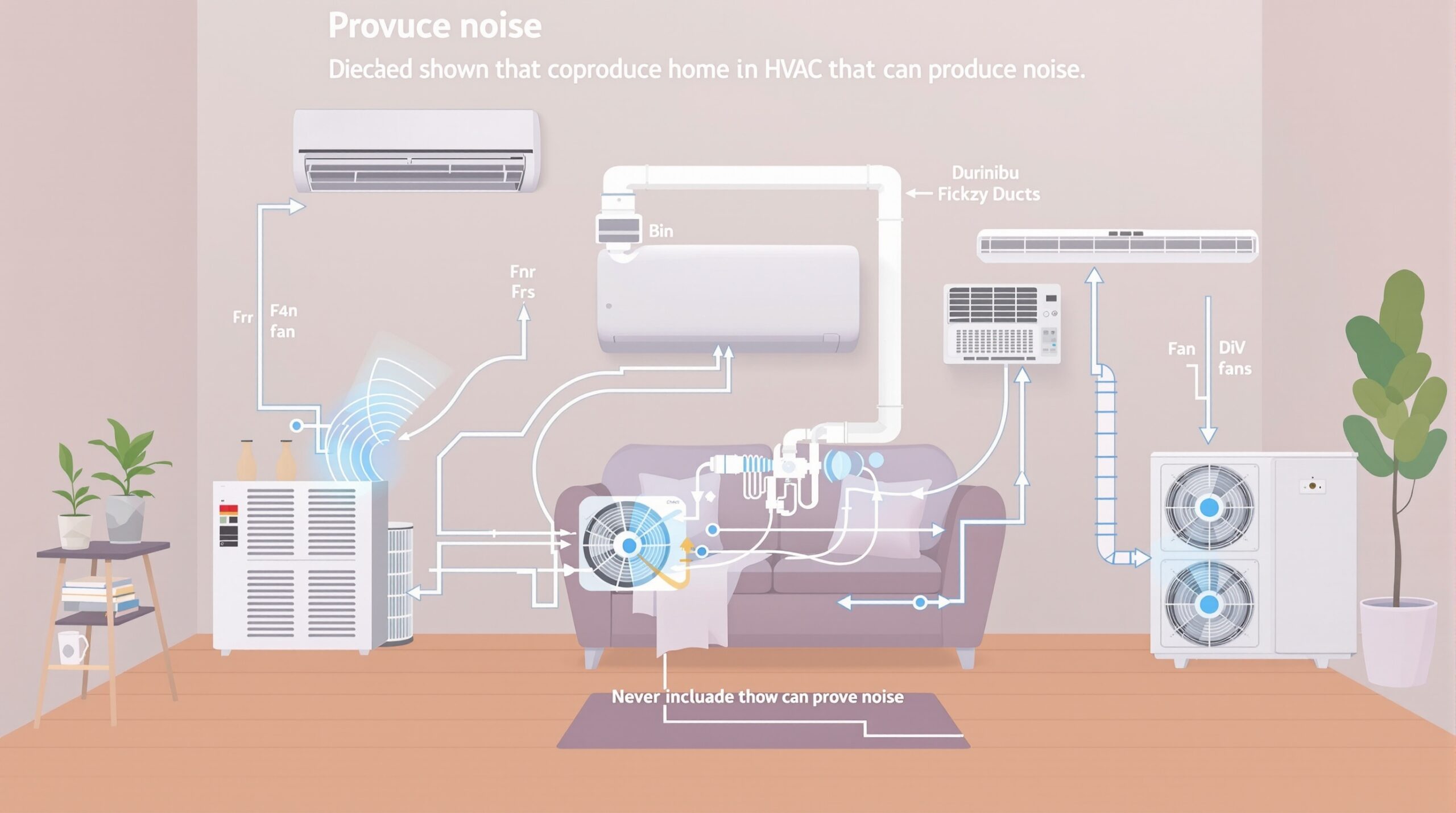
Have you ever heard a strange noise coming from your HVAC system, like a clunk, a whistle, or even a low hum? At first, it might just seem like an annoying sound that you can ignore. After all, life is busy, and who has time to worry about odd noises? But here’s the thing: those sounds could be your HVAC system trying to tell you something important. Ignoring them can lead to bigger problems down the road, ones that can mess with your home’s comfort and make your heating or cooling system work harder than it should.
What’s That Sound?
Much like how you might notice when a friend isn’t feeling quite right, your HVAC system has its own way of communicating. A weird rattle could mean something is loose, while a high-pitched whistle might indicate a leak somewhere in the ducts. Each sound carries a clue, and it’s up to you to listen! Paying attention now can help keep your home cozy and your energy bills lower; a win-win for everyone!
Don’t Wait—Investigate!
It’s tempting to let those odd noises slide, but what if that little whistle means something more serious is brewing? In Unionville, where weather can change faster than you can say “heatwave,” your HVAC system deserves your attention. After all, you wouldn’t ignore that weird gurgle your car makes, right? Understanding the messages from your HVAC system will help ensure that your home stays comfortable no matter the season.
The Significance of Strange HVAC Noises
Understanding the language of your HVAC system begins with becoming familiar with the range of sounds it makes. Each noise can signal an underlying issue that may affect not only the efficiency of your system but also the quality of the air you breathe inside your home. The following table outlines common HVAC sounds, their potential causes, and how they could impact your indoor air quality.
| Sound | Possible Cause | Impact on Indoor Air Quality |
|---|---|---|
| Rattling | Loose components or debris | Can introduce dust and allergens into the air |
| Whistling | Air leaks in ducts | May lead to insufficient airflow and stagnant air |
| Humming | Electrical issues or malfunctioning parts | Can contribute to incomplete air filtration |
| Screeching | Worn-out motor bearings or fan issues | May cause poor circulation and increase pollutants in the air |
| Gurgling | Moisture accumulation or refrigerant issues | Could lead to mold growth and a higher risk of respiratory problems |
These sounds shouldn’t just be brushed off; they can heavily influence your home’s atmosphere. For instance, a rattling noise might seem harmless, but it could mean that loose components are ejecting dust and allergens into your indoor air. Over time, this can escalate into a significant air quality concern, particularly for individuals with asthma or allergies.
Similarly, a whistling sound indicative of air leaks may compromise the efficiency of your HVAC system, resulting in uneven temperatures in your home and allowing pollutants to linger. This stagnant air can stagnate and become increasingly stale, prompting potential health risks over time.
A humming sound might hint at electrical issues that could not only affect the system’s operation but also its ability to filter out contaminants effectively. When filters are not working correctly, airborne particles can accumulate, making it difficult for your air quality to remain healthy.
Ultimately, listening carefully to your HVAC system could save you from dealing with bigger headaches in the future. Regularly addressing odd noises helps maintain balanced air quality, an essential aspect of overall home health. So remember, each whirr and clunk is a vital clue—so don’t ignore those signals! Your air quality, and in turn, your health, could depend on it.
Indoor Air Quality: The Hidden Impact of Unresolved HVAC Noises
Delving deeper into the world of indoor air quality, it’s essential to understand how unresolved HVAC noises can create a cascade of air clarity issues within your home. These seemingly innocuous sounds are more than mere background noise; they often signify underlying problems that threaten not only the efficiency of your system but also your personal health. Let’s explore this hidden impact.
Consider the rattling noise once more. A loose component in your HVAC system does more than just cause an annoying clamor; it can also act as a conduit for dust and other allergens to infiltrate the air you breathe. This becomes particularly troublesome in homes with pets or where occupants suffer from allergies. Each breath taken in a space where airborne irritants are circulating can lead to a host of respiratory issues, leaving you feeling foggy and fatigued. The long-term exposure can exacerbate chronic conditions and even pave the way for new ones.
Then we have the whistling sound, commonly associated with air leaks in the ductwork. These leaks not only compromise the efficiency of your HVAC system but also allow outdoor pollutants to enter your home’s interior. As conditioned air escapes, your system works harder to maintain desired temperatures, creating a perfect storm for stagnant air formation. This buildup can foster a breeding ground for pathogens, increasing the chances of illness among your household members. Symptoms of stale air include headaches, nausea, and decreased cognitive function—serious issues that can disrupt daily life.
Electrical issues indicated by humming noises often go hand in hand with insufficient filtration. A malfunctioning HVAC unit struggles to push air through dirty filters, allowing dust, allergens, mold spores, and even pet dander to circulate. As a result, your indoor environment is compromised, leaving all residents susceptible to respiratory discomfort and various allergic reactions. Awareness of these noises is particularly critical for young children and the elderly, who may be more vulnerable to the effects of poor air quality.
Finally, let’s turn our attention to gurgling sounds, a warning sign of moisture accumulation in your system. This moisture can lead to mold growth, a notorious allergen that can wreak havoc on respiratory health. Chronic exposure to mold spores can result in severe respiratory issues, including asthma attacks, bronchitis, or worse. Moreover, it often goes unnoticed until visible signs like discoloration appear, by which point it may have already impacted your home’s air quality significantly.
Each of these indicators serves as a plea for attention to a system that is meant to safeguard your health. Investing time in understanding these sounds allows you to take proactive steps to mitigate the effects on your indoor air quality. It’s not just about addressing HVAC problems; it’s about preserving your home as a sanctuary for well-being. After all, healthy air is essential to a thriving life. Making a habit of monitoring your HVAC system for unusual noises can not only prevent bigger issues but also crystalize the clarity and purity of the air you share with your loved ones.
Boosting Air Conditioning Efficiency: The Crucial Role of Regular Checks and Addressing Unusual Sounds
Now that we’ve dissected the significant issues caused by unresolved HVAC noises, the next step is understanding how to boost your air conditioning’s efficiency by implementing regular checks and promptly addressing those unusual sounds. This proactive approach not only enhances the performance of your HVAC system but also maximizes energy efficiency—benefiting both your comfort and the environment.
Maintaining an efficient air conditioning system starts with routine checks. A thorough examination of your unit helps identify minor issues before they escalate into costly repairs. Start with the basics: inspect your air filters, clean or replace them as needed, and ensure that any debris around outdoor units is cleared. When neglected, dirty filters can drastically reduce airflow, making your system work harder to cool your space. The result? Higher energy consumption and the real potential for premature wear and tear on your unit.
The sounds your HVAC system emits can serve as its voice, indicating areas requiring attention. Are you hearing a persistent hissing? This could suggest a refrigerant leak, which not only hampers your system’s cooling ability but also poses a significant environmental concern. Taking note of these sounds and addressing them promptly can prevent your air conditioner from over-exerting itself, ultimately lowering energy usage.
When it comes to addressing strange noises, patience and vigilance are key. For instance, if you hear a consistent clanking sound, it may be a signal that components are loose or damaged. Ignoring this could not only compromise the effectiveness of your HVAC system but also lead to a more significant breakdown, forcing you to run your air conditioner at an inefficient level for longer than necessary. Regular inspections allow you to catch these issues early, ensuring that the system operates smoothly instead of struggling against mechanical failures.
In addition to monitoring sounds, keeping track of the overall performance of your HVAC system is essential. If you find that certain rooms in your home are consistently warmer or cooler than others, it might indicate airflow issues or ductwork leaks—but don’t worry, those sounds can guide you. A whistling noise, for instance, commonly indicates a duct integrity problem. Addressing these issues not just leads to a consistent temperature throughout your home but also helps your system function more efficiently, which, in turn, reduces energy consumption.
Moreover, consider scheduling professional maintenance checks at least once a year. Technicians have the expertise to diagnose performance issues that may not be apparent to the untrained ear. They can inspect electrical connections, measure airflow, and ensure that refrigerant levels are correct—all vital in maintaining a system that’s efficient and performing at its peak.
Overall, by adopting a routine of regular checks and heeding the messages your HVAC system attempts to convey through its sounds, you can create an environment where energy use is minimized, and performance is maximized. Your commitment to understanding and maintaining your air conditioning system benefits not just your wallet but also your indoor air quality and family well-being. With a proactive maintenance strategy in place, your home can remain a bastion of comfort and health, surrounded by air that feels as good as it should.
As you integrate regular checks into your maintenance routine, it’s equally vital to adopt simple preventative measures and know when to call in the professionals. Combining DIY strategies with expert services can create a robust support system for your HVAC unit, ensuring it runs efficiently for years to come.
Here are some straightforward DIY strategies to keep your HVAC system in tip-top shape:
- Change the Filters Regularly: Aim to change your air filters every 1-3 months, depending on usage. A clean filter improves airflow and prevents dust and allergens from circulating in your home.
- Inspect the Thermostat: Make sure your thermostat is working correctly. If you have an older model, consider upgrading to a smart thermostat, which can optimize your energy usage.
- Clear Dust and Debris: Regularly clean the area around your HVAC unit. Remove leaves, dirt, and other obstructions that may block airflow or impact performance.
- Seal Duct Leaks: Inspect ductwork for any visible leaks and seal them using foil tape or mastic sealant. This simple fix can improve efficiency by ensuring all cooled air reaches its intended destination.
While these DIY strategies can go a long way, there are times when professional intervention is necessary. Recognizing when to reach out to a qualified technician can save you from long-term damage. In the table below, we’ve outlined some common signs that indicate a need for professional HVAC services:
| Signs You Need Professional Help | Potential Issues |
|---|---|
| Strange Noises | Unusual sounds like grinding, hissing, or clanking can indicate mechanical failure or refrigerant leaks. |
| Inconsistent Temperatures | Rooms that are significantly warmer or cooler may suggest ductwork issues or airflow problems. |
| Unusual Odors | Strange smells, especially burning or moldy odors, can signal electrical issues or mold growth. |
| Increased Humidity | If your home feels sticky or humid, your system may not be effectively removing moisture. |
| High Energy Bills | Sudden spikes in energy consumption could indicate that your unit is working harder than it should, often due to inefficiency. |
Whether it’s diagnosing a persistent smell or remedying airflow discrepancies, recognizing these signs early can prevent more significant issues from developing. Pairing your DIY maintenance with the insights of HVAC professionals will not only keep your system running smoothly but will also enhance your overall indoor comfort and air quality.
In the next section, we’ll delve into unraveling heating and cooling mysteries, answering the question of when to seek professional HVAC repair services in Unionville to prevent long-term damage. Stay tuned to empower your understanding of HVAC maintenance further!
When it comes to HVAC systems, strange sounds can be a homeowner’s worst nightmare. Those unexpected clinks, clatters, and whirrs often serve as early warnings of underlying issues that could threaten your system’s overall health. In Unionville, where seasonal temperature fluctuations can be quite dramatic, staying attuned to these auditory alerts—as well as the overall performance of your unit—can make all the difference in maintaining a comfortable and healthy living environment.
When you hear a persistently loud or unfamiliar noise emanating from your HVAC unit, it’s crucial to take it seriously. Often, these sounds signify more than just a minor inconvenience; they can indicate a host of potential problems. For instance, a grinding noise may suggest worn-out bearings or other mechanical failures, while hissing sounds may imply a refrigerant leak—which if left unaddressed, can lead to inefficient cooling and even damage the compressor. Recognizing these sounds early can save you not just discomfort, but also help facilitate crucial repairs before they spiral into larger, more complicated issues.
It’s essential to incorporate a regular auditory checkup into your maintenance routine. Set aside a few moments during each seasonal change to listen carefully to your system. Is it running too loudly? Do you detect anything unusual? If something feels off, don’t hesitate to reach out for professional assistance. In Unionville, there are qualified HVAC technicians who can provide a thorough diagnosis and perform the necessary repairs, ensuring your unit remains in optimal condition.
Remember, consistency is key. By adopting a proactive approach to your HVAC system’s maintenance, you can not only enjoy improved indoor air quality and better energy efficiency but also cultivate a sense of peace within your home. Tackling minor issues as they arise prevents them from evolving into major headaches down the line.
For homeowners in Unionville, vigilance regarding unusual sounds—combined with scheduled professional inspections—will empower you to extend your HVAC unit’s lifespan and enhance your living environment. As you stay attentive to your heating and cooling system, you ensure its resilience against wear and tear, ultimately safeguarding your home’s comfort throughout the fluctuating seasons.
In our next discussion, we will take a closer look at the impact of inconsistent temperatures within your home and how recognizing these discrepancies early can enhance your HVAC system’s efficiency and longevity. Stay tuned!
As we delve deeper into the realm of HVAC maintenance, it’s essential to identify some of the most common noises that could indicate underlying problems. Understanding these sounds equips homeowners with the knowledge to respond appropriately before minor inconveniences turn into significant headaches. For instance, if you start to hear a roaring sound, it may point to an issue with the blower motor; this could mean that it’s straining to work or possibly malfunctioning. Similarly, a persistent rattling can suggest loose components within the system, potentially leading to further damage if left unchecked.
Additionally, listen for a popping noise, which may be a sign of expanding metal as the system heats up or cools down. However, if the noise continues or is accompanied by significant performance issues, it could indicate a deeper problem that warrants immediate professional attention. Understanding the implications of these sounds is vital to maintain not only your comfort but also your HVAC system’s efficiency.
Now, let’s talk about frequency. How often should you have your HVAC system checked? Experts recommend scheduling a professional inspection at least once a year. Ideally, a visit in the spring before the cooling season and another in the fall before heating begins can ensure your system runs optimally when it’s needed most. During these checkups, technicians can listen for irregular sounds, examine critical components, and fine-tune your system, thus preemptively addressing any potential issues.
Moreover, it’s worth noting that noise can significantly impact your HVAC system’s efficiency. A system that struggles with hidden mechanical issues often works harder to maintain the desired temperature, leading to unnecessary energy consumption. Inconsistent noises not only disrupt your peace but also represent inefficiencies that can cause your unit to struggle and eventually wear out faster. By addressing strange sounds early—be it a strange bang, whir, or squeak—Unionville homeowners can mitigate the risk of undue wear and tear on their system.
Taking a proactive stance by combining regular auditory assessments with scheduled maintenance checks is essential. By doing so, you’ll be safeguarding your indoor comfort and ensuring cleaner air. Remember, your HVAC system is the backbone of your home’s climate control; a little attention can go a long way in keeping it running smoothly. Instead of waiting for small problems to evolve into larger issues, tackle them head-on with frequent checks and prompt repairs, ensuring your home remains a haven of comfort no matter the season!
“`
In the ever-changing climate of Unionville, maintaining a consistently comfortable indoor environment is not just a luxury; it’s a necessity. Addressing strange HVAC sounds early is a key component in achieving this goal. Homeowners often underestimate the importance of these seemingly minor auditory signals, but they serve as crucial indicators of your system’s well-being. By tackling these unusual noises head-on, you can foster a living space that is not only comfortable but also promotes better indoor air quality and energy efficiency.
Consider this: each sound your HVAC system makes tells a story. A rattling sound may be a sign of loose components that can lead to mechanical failure if left untreated. A whooshing noise could suggest that airflow is being obstructed, which not only impacts your system’s ability to heat or cool but can also lead to unwanted airborne particles circulating throughout your home. By taking the time to interpret these sounds and address them promptly, you open the door to a healthier, more comfortable living space.
Proactive maintenance, including routine checks, stands as your first line of defense. Imagine the peace of mind that comes from knowing your system is running smoothly. Try implementing a seasonal approach—before the heat of summer or the chill of winter sets in, dedicate a few moments to your HVAC unit. Listen closely to ensure everything sounds as it should. If you hear anything that raises a concern, you have the opportunity to consult with a knowledgeable HVAC technician right away. This acts not only as a preventive measure but also ensures that you are optimizing your system’s performance before it enters its busiest seasons.
Moreover, this attentive approach pays dividends in energy efficiency. A well-maintained HVAC system operates more efficiently, consuming less energy to keep your home comfortable. Not only does this benefit your home’s environment, but it can also lead to improved air circulation, which directly contributes to your family’s health, minimizing issues like moisture buildup and allergens. When you take action against minor issues today, you fortify your system’s ability to operate optimally, even during the most demanding weather conditions.
So, take control of the soundscape of your home. Don’t let those little quirks slide into oblivion, where they can escalate into unmanageable problems. Embrace the role of an engaged homeowner, ready and willing to tackle the small challenges that come your way. By doing so, you can enjoy continuous comfort and peace of mind, knowing that your HVAC system is functioning at its very best.
As we conclude this segment, remember that vigilance is not just about addressing issues; it’s about creating a home environment that thrives on comfort and efficiency. In our next discussion, we’ll delve into the importance of maintaining consistent temperatures within your home and how this can significantly enhance your HVAC system’s performance. Stay informed and proactive!
“`