Keep Your Septic System Happy!
Welcome to the beautiful Lake Monticello, VA! As a proud resident of this lovely area, you know how important it is to care for your home. One essential part of home maintenance that doesn’t get much attention? Your septic system! Proper septic system care is key to keeping your plumbing running smoothly and ensuring your home stays cozy and safe for years to come.
Why Should You Care?
Think of your septic system as the unsung hero of your home. While it’s busy working behind the scenes, it does an important job of treating wastewater. Without proper maintenance, however, your septic system can run into problems, leading to unexpected headaches (and some unpleasant smells). So, it’s time to uncover the essentials of septic system maintenance designed just for you, the residents of Lake Monticello.
What You’ll Learn
In this guide, we’ll share some simple, effective tips that will make maintaining your septic system a breeze. From understanding how your system works to the best practices for keeping it in top shape, you’ll gain the confidence to protect your home and environment. Let’s dive in and discover how you can safeguard your septic system for years to come!
Understanding Your Septic System
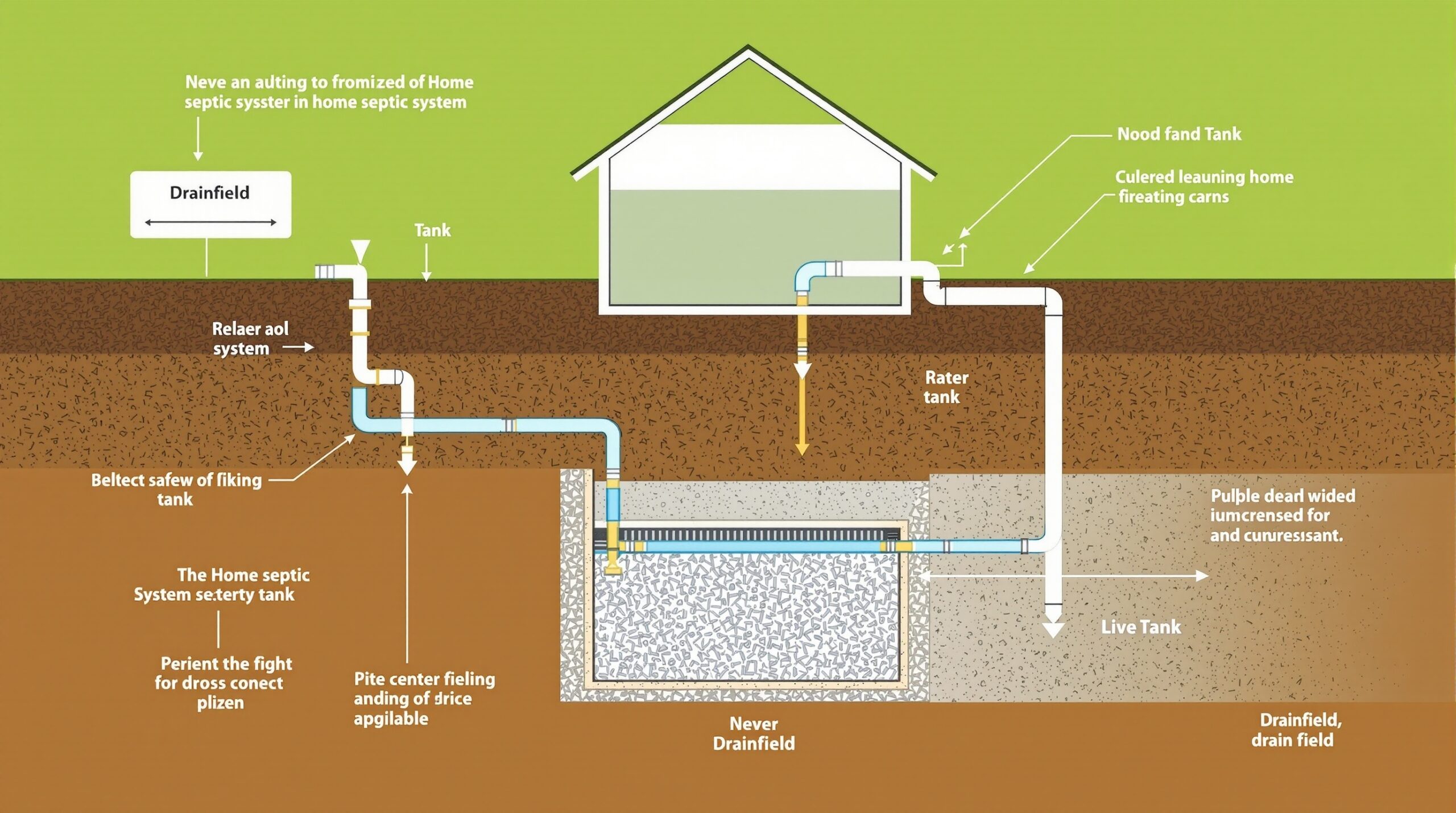
To ensure that your septic system remains a reliable component of your home, it’s essential to first understand how it works. Your septic system consists of several crucial elements that collaborate seamlessly to treat wastewater. At its core, the system serves two primary functions: to separate solids from liquids and to treat the effluent before it enters the groundwater. Let’s break down the key components of your septic system.
| Component | Function |
|---|---|
| Septic Tank | A watertight underground chamber where wastewater is collected. Solids settle at the bottom, while grease and lighter materials float to the top, forming a sludge layer and scum layer, respectively. |
| Drain Field (Leach Field) | An underground area where treated wastewater is dispersed into the soil. The soil naturally filters the effluent, allowing for further purification before the water re-enters the groundwater. |
| Distribution Box | A structure that evenly distributes effluent from the septic tank to the various drain field trenches. |
| Inlet and Outlet Pipes | Pipes that carry wastewater into the tank and allow treated effluent to flow out into the drain field. |
Understanding these components is crucial to making informed decisions about your septic system’s maintenance. Proper functioning of each element is necessary for keeping your system healthy and preventing costly repairs.
How Your Septic System Works
When you flush a toilet or drain water from your sink, wastewater flows into the septic tank via the inlet pipe. Inside the tank, the wastewater is held long enough for solids to settle at the bottom and anaerobic bacteria to break down the waste. The remaining liquid, known as effluent, gradually exits through the outlet pipe into the drain field. There, the effluent is distributed across perforated pipes in the trenches of the drain field, where further treatment occurs as it percolates through layers of soil and sand.
Maintaining your septic system is not just about periodic pumping; it involves monitoring the health of each component. Regular visual inspections can alert you to issues such as ponding around the drain field or unusual odors, which may indicate problems. By understanding the mechanics behind your septic system, you can take actionable steps to maintain its efficiency and longevity.
Next Steps
Now that you’re equipped with the basics of how your septic system operates, it’s time to delve into those daily habits that will help keep it functioning smoothly for years to come. In our next section, we’ll cover simple but effective practices you can incorporate into your routine to promote the health and longevity of your septic system.
Daily Habits for System Longevity
Once you’ve wrapped your head around the essentials of your septic system, it’s time to focus on the daily habits that can significantly enhance its longevity. Just like any other system, the key to a healthy septic tank lies in routines and preventive measures. Here are some practical daily practices you can easily integrate into your lifestyle to keep your septic system in top-notch condition.
1. Conserve Water Wisely
One of the most effective ways to protect your septic system is by being mindful of your water usage. Excessive water can overwhelm the tank, reducing its ability to treat wastewater efficiently. Implementing simple water-saving strategies makes a significant difference. For instance, consider fixing leaks promptly — even a small drip can add up over time. Additionally, install low-flow faucets and showerheads to curtail water use without sacrificing comfort. Taking shorter showers or waiting until you have a full load before running the dishwasher or laundry machine are also great practices. Every drop saved contributes to the health of your septic system.
2. Dispose of Waste Properly
What you flush down the toilet or send down the drain can have a substantial impact on your septic system. It’s essential to practice responsible waste disposal to avoid clogging the tank or drain field. Never treat your toilet like a trash can — avoid flushing sanitary products, paper towels, or any other non-biodegradable items. It’s also wise to refrain from pouring grease, fats, or oils down your drains, as these substances can solidify in the tank and cause blockages. Instead, allow grease to cool and then dispose of it in the trash.
3. Mindful Chemical Use
Household cleaners, pesticides, and other chemicals can disrupt the natural balance of bacteria in your septic system, which are essential for breaking down waste. Opt for biodegradable and eco-friendly cleaning products whenever possible. Also, limit the use of harsh chemicals such as bleach, as they can kill the beneficial bacteria in your tank. Instead, consider using vinegar or baking soda for many cleaning tasks throughout your home.
4. Schedule Regular Inspections
Although it’s not a daily task, establishing a habit of conducting regular visual inspections isn’t far off. Take a moment to look for signs of trouble such as unusual wet spots in your yard, odors, or slow drains. Regular attention can help you catch issues before they escalate into more significant problems. If you notice anything amiss, don’t hesitate to consult a professional for a thorough evaluation.
5. Keep the Area Clean
Maintaining a clean and clear area around your septic system is vital. Be mindful of landscaping; avoid planting trees or large shrubs near the drain field, as their roots can invade the leach lines and cause blockages. Additionally, ensure that your drain field remains free from structures, heavy vehicles, or livestock, all of which can compact the soil and hinder effluent absorption. Routine maintenance of the surrounding area not only protects your system but also enhances the lifespan of your landscaping.
Embracing a Septic-Friendly Lifestyle
Incorporating these daily habits into your routine doesn’t just support your septic system; it cultivates a more sustainable way of living. By becoming conscious of your water usage, waste disposal, and chemical use, you’re not only preserving your home’s infrastructure but also favoring environmental health. Adopt these practices today, and your septic system will thank you in the long run—ensuring it remains a reliable ally in managing your household’s wastewater.
Seasonal Maintenance Tips
As we transition through the seasons, your septic system requires tailored maintenance to ensure its resilience against changing weather conditions. A bit of seasonal upkeep not only fortifies your system but also helps prevent potential complications down the line. Here’s a closer look at essential tasks to consider in each season, fostering a proactive approach to maintaining your septic system’s health.
Spring: Inspect and Prepare
With the arrival of spring, it’s time to shake off the winter chill and assess your septic system’s readiness for the warmer months. Start by conducting a thorough inspection of your tank; checking for any damage or signs of wear after the cold season is crucial. Look out for any cracks, rust, or corrosion that may have developed. Additionally, this is a good opportunity to schedule a professional inspection if you haven’t done so in a while.
Moreover, focus on landscaping management. As plants begin to bloom, ensure that shrubs and trees are planted adequately away from the septic system’s components. Roots can pose a real threat to the integrity of the pipes and drain field, so keeping distance is key. Tidy up around the area, removing debris and leaves that accumulated during winter, which can obstruct airflow and retention of moisture in the soil.
Summer: Monitor Usage and Protect
As summer arrives, the household water usage may climb with increased outdoor activities. Here’s where you step up the vigilance on your water consumption habits. Ensure your family is practicing water conservation tactics, especially when watering gardens or filling pools. Remember, overloading your septic system during heavy use can lead to performance issues.
Also, keep a watchful eye on your landscaping during the summer months. Opt for non-invasive plants and consider using gravel or stone in flower beds near the drain field to assist with drainage and keep root systems away from the pipes. If you notice pooling water in your yard or a foul odor, address these signs promptly as they can indicate the need for immediate attention.
Fall: Prepare for the Frost
As autumn approaches, prepare your septic system for the impending cold. Begin by inspecting the tank and ensuring it’s free of leaves and debris that can trap moisture, leading to thaw issues in frost-laden soil. Take this time to locate any excess vegetation around your system; trees and shrubs that may have thrived in the summer should be monitored to ensure they aren’t encroaching upon the drain field.
This is also an excellent opportunity to pump your septic tank if it hasn’t been done in the last few years. Regular pumping can prevent clogs and backups, especially before the onset of winter. In preparing for harsher winter climates, use appropriate insulation techniques to protect your system from freezing temperatures, while maintaining ventilation to avoid build-up of harmful gases.
Winter: Protect Your System
As the cold sets in, your septic system faces unique challenges. Ensure that snowmelt and rainwater runoff are diverted away from your tank and drain field; excess moisture can disrupt the operation of your system. If you encounter heavy snowfall, be cautious not to compact snow over the drain field, as this can impede the natural drainage and absorption processes.
Regularly monitor for signs of trouble during the winter months, including frozen pipes or slow drains. Practicing care around your septic area during winter ensures that you can identify any issues early on, enabling you to take corrective actions before they escalate.
Year-Round Vigilance
By staying consistent in your seasonal maintenance, you can enjoy a well-functioning septic system year-round. Each season comes with its responsibilities, but the payoff of a robust system far outweighs the efforts. Embrace these seasonal tasks and revel in the peace of mind that comes from knowing you’re caring for an essential aspect of your home’s infrastructure.
Signs of Septic System Trouble
While seasonal maintenance is vital to keeping your septic system in optimal condition, recognizing the early warning signs of trouble is equally crucial. Addressing problems early can save you considerable headaches and ensure the longevity of your system. Here are some of the most common signs that indicate potential septic system issues:
1. Persistent Odors
One of the most noticeable signals of a septic system problem is foul odors emanating from your yard or home. If you detect a rotten egg smell near your drain field or seeps into your home, it’s a strong indication that there may be a backup or a failing component within the system. Don’t ignore these smells, as they can hint at a malfunctioning septic tank or leach field.
2. Slow Drains
If you notice that sinks, bathtubs, or toilets are draining slowly, it could signify an impending clog or a full tank. This sluggishness may be accompanied by gurgling sounds, particularly when water is being used elsewhere in the home. If multiple drains are affected, it could point to a more extensive issue within the septic system, warranting immediate attention.
3. Pooling Water
Puddles of water or unusually lush patches of grass above your drain field aren’t just aesthetic concerns—it’s a clear sign that something’s wrong. Pooling water often indicates that effluent is surfacing from your septic system, suggesting that it is not properly draining. This can pose health risks, and it’s essential to address it without delay.
4. Unexplained Landscape Changes
Keep an eye on the plant and grass health around your septic tank and drain field. If you notice any unexpected lushness in certain areas, it may suggest that waste is surfacing, leading to nutrient-rich conditions for plant growth. Conversely, if certain areas appear dry and brown, it might indicate that your septic system is not dispersing effluent correctly.
5. Inhabiting Pests
Unwanted critters often frequent yards with septic problems. If you find a frequent visit from insects, rodents, or even pets trying to access your septic field area, it may hint that something is off in your system’s operation. The presence of these pests can indicate an unsanitary environment, pointing to potential issues below the surface.
6. Frequent Backups
Regular backups into your home are the most alarming signs of a septic system problem. If toilets overflow or sinks back up frequently, especially after large water usage, it might suggest that your septic tank is full, or there are blockages in the system. This situation should be treated as an emergency, necessitating immediate professional evaluation.
Identifying Trouble
Quick identification of these warning signs can lead to timely intervention, which is crucial to preventing more severe complications later. Here’s a handy table summarizing these signs and their potential implications:
| Warning Sign | Potential Implication |
|---|---|
| Persistent Odors | Backup or malfunction |
| Slow Drains | Clog or full tank |
| Pooling Water | Improper effluent drainage |
| Unexplained Landscape Changes | Surfacting waste, improper disposal |
| Inhabiting Pests | Unsanitary environment due to system failure |
| Frequent Backups | Immediate need for evaluation |
By paying attention to these signals, you can maintain a proactive, informed approach to septic system management. Early intervention often leads to simpler remedies, whereas neglect can generate more complex and costly issues.
Professional Inspections and Regular Pumping
Beyond being vigilant for the signs of septic system trouble, understanding when to call in the professionals is paramount to keeping your system in peak condition. While many homeowners can manage routine maintenance, specific situations require expert analysis and intervention. Let’s break down the scenarios where professional help becomes essential and the ongoing maintenance practices that keep your septic system functioning seamlessly.
Why Professional Inspections Are Essential
Septic systems are complex and often operate unseen beneath the surface, making it easy to overlook potential issues until they escalate. Professional inspections are crucial for several reasons:
- Expertise and Experience: Licensed septic professionals possess the knowledge and experience to diagnose issues that might elude untrained eyes. They can conduct thorough assessments of your system, reviewing everything from tank integrity to leach field performance.
- Comprehensive Evaluations: During an inspection, technicians will examine various system components, including the tank, filters, and drain field. This holistic view allows them to identify not just existing issues but also potential future problems that can affect system performance.
- Adherence to Local Laws and Codes: Most regions have specific regulations surrounding septic systems. Professionals are often familiar with these codes and can ensure your system remains compliant, preventing future legal complications.
When to Schedule an Inspection
Inspections should occur regularly, typically once every three years, though this may vary based on the system type and the number of people in your household. Additionally, schedule an inspection if you observe any warning signs—like those mentioned earlier—or if:
- You’ve recently made significant changes to your household, such as an increase in residents or water usage.
- You’re approaching a property sale, as many buyers will require a clear septic inspection report.
- It’s been several years since your last inspection, regardless of system performance.
The Importance of Regular Pumping
Regular pumping is a vital part of septic system maintenance that should not be overlooked. Over time, solids accumulate in the tank, reducing its efficiency and potentially leading to system failure if not addressed. Here’s why periodic pumping is necessary:
- Preventing Backups: Regularly pumping your septic tank reduces the risk of solid buildup that could lead to sewage backing up into your home—the ultimate nightmare for any homeowner.
- Extending System Lifespan: Keeping the tank clean helps to extend the lifespan of your septic system. A well-maintained system can perform efficiently for many years, sparing you the significant disruption of a complete failure.
- Optimizing Performance: Pumping not only clears solids but also improves the overall efficiency of the entire system. By properly managing the waste, you can ensure a smooth and continuous flow of wastewater processing.
Conclusion: A Partnership for Success
Your septic system is an integral part of your home’s plumbing, yet it often remains out of sight and out of mind. By forming a partnership with professionals for regular inspections and maintenance, you equip yourself with the best resources available to protect your home investment. With the right practices in place, you can ensure the longevity and reliability of your septic system, allowing you to focus on enjoying your Lake Monticello property without worry. So, while you remain vigilant and engaged in your system’s upkeep, remember not to hesitate in calling for professional help when needed—it could make all the difference.
FAQ: Common Questions About Septic System Maintenance
Now that you have a solid foundation regarding professional inspections and routine pumping, let’s address some frequently asked questions that many homeowners have about maintaining their septic systems. Whether you’re a new homeowner or a seasoned resident of Lake Monticello, understanding these key concepts can help ensure the longevity and efficient operation of your septic system.
How Often Should I Pump My Septic Tank?
It’s generally recommended to pump your septic tank every three to five years, though this can vary based on several factors, including the size of your tank, the number of occupants in your home, and your household’s water usage habits. For larger households or in cases where heavy water usage is a norm, more frequent pumping—potentially every two to three years—may be necessary. Keeping a pumping schedule helps prevent solid buildup and promotes smoother system operations.
What Signs Indicate That My Tank Needs Pumping?
Awareness of certain warning signs can help you determine when it’s time to pump your septic tank. Look for:
- Slow drains throughout your home.
- Water pooling in your yard over the drain field.
- Foul odors near the septic tank or drain field area.
- Gurgling sounds in your plumbing system.
If you notice any of these symptoms, it’s crucial to schedule a pumping as soon as possible to prevent more serious issues.
What Materials Are Safe to Flush?
Maintaining a healthy septic system also hinges on what you choose to flush down your toilets and drains. Here are some guidelines on safe materials:
- Human Waste and Toilet Paper: These are the primary materials designed to be processed by your septic system.
- Biodegradable Products: Choose cleaning supplies, personal hygiene products, and waste bags that are labeled as septic-safe or biodegradable.
However, avoid flushing:
- Non-biodegradable items such as diapers, feminine hygiene products, and paper towels.
- Harsh chemicals that can disrupt the beneficial bacteria necessary for breaking down waste.
- Food scraps, which can lead to excessive solid buildup in the tank.
By minimizing harmful substances, you can bolster the efficiency of your septic system and reduce the frequency of necessary pump-outs.
Can I Use My Garbage Disposal with a Septic System?
Garbage disposals can put extra strain on your septic system by increasing the number of solids entering the tank. While it’s not impossible to use a garbage disposal in conjunction with a septic system, moderation is key. If you choose to use one, make sure to dispose of only small amounts of biodegradable waste, and ensure frequent pumping to manage the added solid load.
Are There Any Maintenance Tips to Keep My Septic System in Great Shape?
Absolutely! Here are some simple yet effective maintenance tips:
- Limit Water Usage: Spread out heavy water use throughout the day to prevent overwhelming your system.
- Avoid Parking: Refrain from parking or placing heavy items over your septic tank and drain field to protect them from damage.
- Plant Wisely: Avoid planting trees and large shrubs near your septic system, as roots can invade and harm your pipes.
Implementing these practices will help nurture your system’s health and performance over time.
By addressing these common questions and adhering to best practices, you empower yourself to maintain your septic system effectively. Safe use and regular care mean a durable, trouble-free plumbing system—essential for enjoying your Lake Monticello property to the fullest.
“`
Empowering Your Septic System Management
With the best practices we’ve explored, you are now well-equipped to maintain your septic system effectively. But empowerment extends beyond mere knowledge; it’s about taking proactive steps to safeguard your home and its plumbing. Start applying these tips to ensure a durable and problem-free plumbing system in your Lake Monticello property.
Regular Maintenance Checks
Just as you would regularly inspect your vehicle to avoid breakdowns, your septic system deserves the same diligence. Regular maintenance checks encompass both minor DIY inspections and professional audits. Start by routinely checking the area around your septic tank and drain field. Look for signs of unusual wetness, foul odors, or any grass that appears greener or taller than surrounding foliage—these may indicate underlying issues.
Additionally, keep track of your system’s health by monitoring what goes down the drains. Remaining mindful about what you flush or pour can drastically affect the longevity of your system. Always dispose of non-biodegradable materials properly and avoid flushing anything besides human waste and toilet paper.
Educate Your Household
An empowered homeowner is only as strong as their support system. Ensure every member of your household understands how to use the septic system responsibly. Discuss the importance of retaining fats, oils, and greases—commonly referred to as FOG—from entering your drains. Implement simple practices, like placing a bin next to the sink for proper disposal, and reinforce the idea that household chemicals can wreak havoc on septic systems if mismanaged. Educational family meetings can foster respect and responsibility towards your home’s plumbing.
Document Everything
Another essential aspect of septic maintenance is documentation. Keep a detailed log of all inspections, pumpings, and maintenance performed. This record not only aids in remembering when to schedule future services but also serves as valuable evidence of a well-maintained system should you decide to sell your property. Prospective buyers will appreciate the meticulous care you’ve put into your home, which can positively impact their purchasing decision.
Create a Routine
Lastly, establishing a routine for septic maintenance can take the guesswork out of your home care. Create a calendar to remind yourself of upcoming inspections and pumpings, ensuring you stay ahead of potential issues. Engage your family in this routine, turning it into a shared responsibility that reinforces the importance of maintaining your home’s infrastructure.
Conclusion: Your Role in Septic System Success
Armed with knowledge and actionable insights, you hold the key to your septic system’s long-term health and efficiency. Empowered with these best practices, you’re not only protecting your Lake Monticello property but also paving the way for a maintenance-free experience. Commit to the tips provided—engaging your household, documenting your actions, and keeping a consistent schedule—and watch how your dedication transforms into a seamless, problem-free plumbing system.
“`