Understanding the Common Causes of Low Water Pressure
Have you ever jumped in the shower, ready to start your day, only to be greeted by a disappointing trickle of water? If you’re living in Goochland, VA, you’re not alone in this frustration! Low water pressure can feel like a mystery, making you wonder why your morning routine suddenly takes longer than it should.
But before you start to panic and call a plumber, let’s take a step back. Understanding the common causes of low water pressure can help you pinpoint the problem and eventually boost that flow!
What Could Be Going Wrong?
There are various reasons why your water might be coming out of the tap like a hesitant drizzle. Old pipes, mineral build-up, and even a change in the water supply can all play a part in your water woes. It’s almost like your plumbing has its own set of secrets, and unraveling them is key!
So, what’s causing the hiccup in your home’s water flow? Is it the age of the plumbing, those pesky leaks lurking behind walls, or maybe even a neighbor’s new landscaping that’s affecting the water flow? Getting to the bottom of these issues can feel like solving a puzzle, and once you do, the rewards of a powerful shower and smooth-running appliances are worth the effort!
Let’s dive into the most common culprits of low water pressure and discover how you can overcome these annoying obstacles. You’ll be well on your way to enjoying a refreshing blast of water in no time!
Inspecting and Cleaning Faucets and Showerheads for Optimal Flow
Before jumping into a deeper analysis of your plumbing issues, let’s turn our attention to an often-overlooked aspect of water pressure: the cleanliness and functionality of your faucets and showerheads. These fixtures are the final gateways through which your water flows, and minor blockages can create significant drops in pressure, leaving you frustrated and dampened.
So, how do you ensure that your faucets and showerheads are performing at their peak? Regular inspection and thorough cleaning can work wonders. Here’s a practical guide to help you restore that glorious water flow!
Step-by-Step Inspection
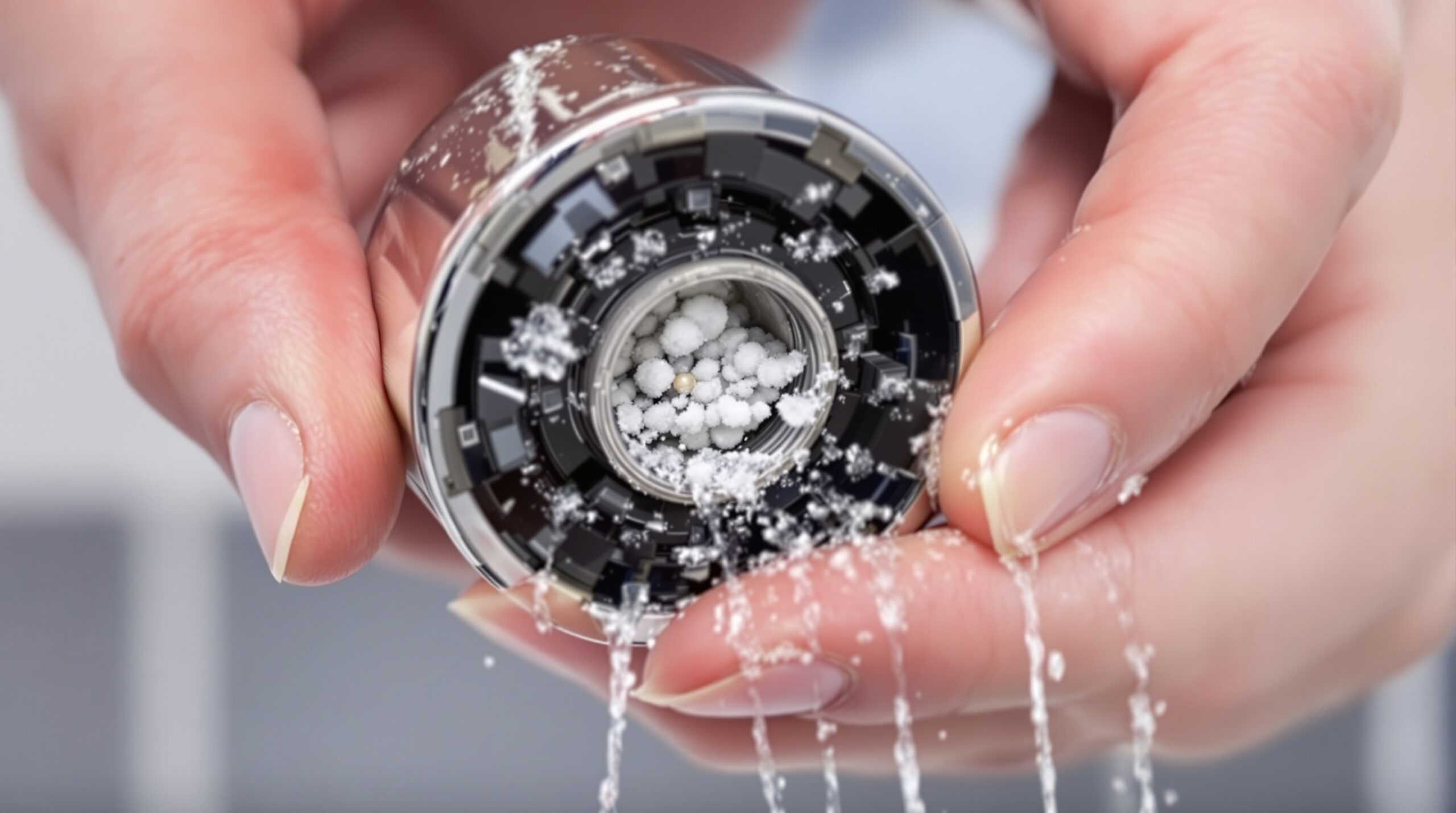
First things first—let’s check the condition of your fixtures. Start with a simple visual inspection. Look for any signs of mineral buildup, which often appears as white or green deposits around the aerators or showerhead nozzles. Hard water is notorious for leaving behind these unsightly residues, and over time, they can impede water flow.
- Remove the Aerator or Showerhead: If you notice a reduction in flow, start by detaching the aerator or showerhead. For faucets, you’ll usually unscrew the aerator at the tip of the faucet; for showerheads, simply twist them counterclockwise.
- Inspect the Parts: Once removed, take a close look at the components. Is there visible buildup? Is the screen or filter damaged? Taking note of these issues will help direct your cleaning efforts.
Cleaning Process
Now that you have everything disassembled, it’s time to tackle the buildup. Fortunately, this process is straightforward and requires common household items.
- Soak in Vinegar: Fill a bowl or bucket with equal parts of white vinegar and water, and place the aerator or showerhead inside. Let it soak for at least 30 minutes. The acidity of the vinegar will dissolve mineral deposits.
- Scrub Away Residue: After soaking, grab an old toothbrush and gently scrub the components. Focus on the screen and nooks where buildup often hides. Rinse thoroughly with warm water.
- Reassemble and Test: Once cleaned, dry the parts and reassemble. Turn on your faucet or shower to see if the water flow has improved. Odds are, you’ll be impressed by the results!
Regular Maintenance
To maintain optimal performance, make it a habit to inspect and clean your faucets and showerheads every few months. If you live in an area with hard water, you might consider more frequent checks, perhaps even quarterly or bi-annually. A little proactive care goes a long way!
Quick Reference Table: Cleaning Schedule for Faucets and Showerheads
| Fixture | Cleaning Frequency | Recommended Cleaning Method |
|---|---|---|
| Faucets | Every 3-6 months | Soak in vinegar, scrub, and rinse |
| Showerheads | Every 3 months | Soak in vinegar, scrub, and rinse |
| Bathroom Sink Aerators | Every 6 months | Soak in vinegar, scrub, and rinse |
| Kitchen Sink Aerators | Every 3-4 months | Soak in vinegar, scrub, and rinse |
By dedicating time to your faucets and showerheads, you can significantly enhance your water pressure and the overall experience of using water in your home. A clean fixture means a smooth flow—so roll up those sleeves and get to work! With a little ingenuity, you can easily conquer the common issues that may be holding back your home’s water pressure.
Next up, let’s shift our focus toward another sneaky culprit in the fight for water pressure: checking for pipe leaks that may be silently draining your water supply. Stay tuned as we unravel the hidden challenges of low water pressure!
Checking for Pipe Leaks: Silent Hindrances to Your Water Pressure
In the realm of plumbing, leaks can be the silent assassins of your water pressure. While you might notice a frustratingly low flow at your faucet or shower, the underlying issue could be lurking within your walls or beneath your floors, stealthily siphoning off your precious water supply. These leaks can not only impede your water pressure but also contribute to higher water bills and potential damage to your property. It’s time to shine a light on these hidden antagonists and arm you with the knowledge to detect and address this crucial plumbing concern.
The Importance of Identifying Leaks
Before diving into detection methods, let’s highlight why identifying leaks is paramount. Even the tiniest pinhole leak in your pipes can lead to significant water loss over time. This slow, steady drain not only compromises your water pressure but can also result in structural damage, mold growth, and an overall decline in your home’s efficiency. Catching them early can save you time, money, and a lot of headaches.
Signs of Pipe Leaks
While some leaks are easily observable, others are not so straightforward. Here are common signs that may indicate hidden leaks in your water system:
- Unexplained Water Bills: Have you noticed a spike in your water bill without any change in your usage? A higher-than-usual bill could be a red flag signaling a hidden leak.
- Wet Spots or Water Stains: Look for damp patches on your walls or ceilings, which could signify leaks within the walls. Discoloration in paint or ceiling tiles might also hint at moisture issues.
- Unpleasant Odors: Musty smells in certain areas—especially near floors or walls—can indicate water pooling, which might stem from a leak.
- Decreased Water Pressure: If you’re experiencing a decline in water pressure despite battling system blockages, leaks may be the culprit stealing away your water supply.
How to Locate Pipe Leaks
Now that you’re aware of potential signs, you may be wondering how to conduct a leak detection effective enough to pinpoint the issue. Here are several practical approaches:
- Visual Inspection: Begin by inspecting exposed pipes within your home. Look for any visible signs of moisture, rust, or mineral deposits that could indicate leaks. Pay special attention to areas under sinks, near water heaters, and behind appliances.
- Water Meter Test: Turn off all water sources in your home and take a reading of your water meter. Wait a few hours—don’t run any water, flush toilets, or use any appliances. If the reading has changed, you likely have a leak.
- Sound Check: Listen for any hissing or dripping sounds inside your walls or floors when everything is turned off. A quiet home, coupled with unusual noises, may reveal hidden leaks waiting for your attention.
Next Steps
If you suspect you have a leak but can’t quite locate it, enlisting a professional may be the best course of action. They possess specialized tools like thermal imaging cameras and moisture detectors that can identify leaks without extensive tearing up of walls or floors.
Taking proactive steps to check for leaks could mean the difference between a minor fix and extensive repairs down the road. Continually monitoring your plumbing system and promptly addressing leaks can keep your water pressure flowing freely and help maintain your home’s integrity.
Having explored how to detect and manage leaks, our journey into optimizing water pressure systems continues with a game-changing solution: switching to a pressure-boosting fixture. Discover how this simple alteration can elevate your water experience, ensuring every shower and faucet delivers the performance you desire!
Switching to a Pressure-Boosting Fixture: The Game-Changer
Imagine stepping into your shower, anticipating a refreshing cascade of water, only to be greeted by a feeble dribble. Frustrating, isn’t it? For many homeowners, low water pressure turns what should be a simple pleasure into a chore. Fortunately, the solution could be as straightforward as upgrading to a pressure-boosting fixture. This game-changing addition not only revitalizes your existing plumbing system but also enhances your daily water experience in profound ways.
What is a Pressure-Boosting Fixture?
A pressure-boosting fixture is engineered to amplify water pressure within your plumbing system. Unlike standard faucets and shower heads designed for adequate pressure under ideal conditions, these fixtures take an active role in overcoming low water pressure situations. By utilizing innovative technology, they effectively increase flow rates and deliver a more robust water stream, transforming lackluster experiences into delightful ones.
Benefits of Upgrading
The advantages of installing a pressure-boosting fixture extend far beyond mere water flow. Here’s how this upgrade can elevate your overall water usage:
- Enhanced Comfort: Say goodbye to the frustration of weak streams. A pressure-boosting fixture ensures that every time you turn on your faucet or shower, you’re greeted with a strong, consistent flow that invigorates your daily routines.
- Improved Efficiency: These fixtures often come with smart features that adjust flow rates based on demand, making your water usage more efficient. This can help ensure that you’re getting the best performance without unnecessary waste.
- Optimal Performance Across Fixtures: Whether it’s the kitchen sink, bathroom faucet, or shower, a pressure-boosting fixture ensures that every outlet in your home performs at its best. No more comparing water pressure while showering versus washing dishes—uniformity is achieved, providing an enhanced user experience.
- Reduced Dependency on Alternative Solutions: Instead of relying on additional pumps or filters to fix low pressure problems, a pressure-boosting fixture serves as an all-in-one solution, making your plumbing system simpler and more effective.
The Installation Process
Transitioning to a pressure-boosting fixture is a manageable process for any skilled DIY enthusiast, or you may prefer to enlist a professional’s assistance. The installation typically involves:
- Assessing Your Current Setup: Evaluate the existing fixtures and ensure compatibility with pressure-boosting options. This step will streamline the installation process and ensure optimal performance.
- Removing Old Fixtures: Safely detach any old faucets or showerheads, taking care to ensure that water is turned off prior to disassembly.
- Installing the New Fixture: Follow the manufacturer’s instructions meticulously to install the pressure-boosting fixture. Make certain connections are secure to prevent any potential leaks.
- Testing the Setup: After installation, turn the water on slowly and check for any leaks. Ensure that the new fixture operates smoothly and effectively enhances your water pressure.
A Fresh Perspective on Water Pressure
Incorporating a pressure-boosting fixture may seem like a small change, but the impact on your home’s plumbing experience can be transformative. Each turn of the tap becomes a moment of rejuvenation, each shower transforms into a revitalizing experience, and every chore becomes more manageable with the new invigorating flow of water. If you’re tired of lackluster streams and compromised performance, it’s time to give your plumbing system the upgrade it deserves.
As we strive for greater efficiency and convenience in our lives, maintaining optimal water pressure through thoughtful enhancements is a step worth taking. Next, let’s delve into understanding valve settings and adjustment techniques to gain further control over your water flow and pressure.
Understanding Valve Settings and Adjustment Techniques
Once you’ve taken the plunge and upgraded to a pressure-boosting fixture, understanding your valve settings and adjusting them effectively can make all the difference in optimizing your water experience. These components are often the unsung heroes of a well-functioning plumbing system, directly impacting water pressure and flow rates. It’s essential to familiarize yourself with how they work and how to adjust them to achieve your desired outcome.
The Role of Valves in Your Plumbing System
Valves govern the flow of water throughout your home, determining how much reaches each fixture. Their correct settings can either enhance your newly installed pressure-boosting fixture or negate its benefits through improper regulation. There are two types of valves to be aware of:
- Shut-off Valves: Located close to individual fixtures, these valves control the flow directly to specific areas, allowing for easy maintenance without compromising the rest of the household water supply.
- Balancing Valves: These valves regulate pressure and ensure uniform distribution throughout the plumbing system, balancing the flow to different outlets.
Adjustment Techniques for Optimal Performance
Fine-tuning your valve settings can lead to a noticeable enhancement in water pressure and flow. Here’s how to approach adjustments like a pro:
- Identify Your Valves: Start by locating all the essential shut-off and balancing valves in your home. You may find them in basements, under kitchen sinks, or behind toilets.
- Evaluate Current Settings: With the water running, observe the current performance of your fixtures. Are certain areas more powerful while others are weaker? This analysis will guide your next steps.
- Adjusting Shut-off Valves: For shut-off valves, turn them counterclockwise to increase flow and pressure. Make small adjustments, allowing time to gauge the impact before making further changes.
- Balancing Pressure: When adjusting balancing valves, it’s crucial to achieve harmony among all fixtures. Increasing the pressure for one fixture can lead to reduced pressure elsewhere. Aim for a consistent flow rate across your home.
- Test and Fine-tune: After making your adjustments, run the water in different fixtures to test their performance. If certain areas remain underwhelming, continue to tweak the settings incrementally.
Monitoring Your Results: Finding the Right Flow
To keep your plumbing system in optimal condition, it’s beneficial to track the adjustments you make. Create a simple chart to record changes you’ve made to each valve and their impact on water pressure. This record will help you better understand what works for your home:
| Fixture/Area | Valve Adjustment | Pressure Change Observed | Notes |
|---|---|---|---|
| Kitchen Sink | Counterclockwise 1 turn | Increased | Enjoying fuller flow; no leaks detected. |
| Shower | Clockwise 1/2 turn | Decreased | Reduced pressure; returns to normal after adjustment. |
| Bathroom Faucet | Counterclockwise 1 turn | Increased | Consistent flow, now matches kitchen sink. |
In Conclusion
Mastering your valve settings and employing adjustment techniques can significantly enhance the efficiency of not just your pressure-boosting fixture, but your entire plumbing system. Elevated water pressure is no longer merely a dream; with the right knowledge and tools, it’s within your grasp. In our next section, we will explore how leveraging professional plumbing services in Goochland can further fine-tune your home’s plumbing experience, ensuring peak performance and longevity.
Leveraging Professional Plumbing Services in Goochland
While understanding and adjusting your valve systems is a commendable step towards enhancing your home’s plumbing experience, enlisting the skills of professional plumbers in Goochland can elevate your water system’s performance to extraordinary levels. These experts not only possess the know-how to deal with intricate plumbing issues but can also advise you on the best practices for maintaining an efficient and effective water flow in your home.
The Expertise That Counts
Professional plumbers bring years of experience to the table, having tackled a myriad of plumbing scenarios. Their familiarity with local codes, regulations, and common plumbing challenges in Goochland allows them to provide tailored solutions that a DIY approach may overlook. Whether it’s identifying hidden leaks, calibrating your pressure-boosting fixtures, or optimizing your valve settings for maximum efficiency, their expertise is invaluable.
Comprehensive System Evaluation
One significant advantage of hiring a professional plumber is the thorough evaluation they provide for your entire plumbing system. They can conduct an in-depth analysis of your home, identifying weak points that may be affecting water pressure and efficiency. This diagnosis paves the way for targeted recommendations—be it upgrading fixtures, recalibrating valves, or even reshaping your piping layout for better flow dynamics.
Advanced Tools and Techniques
Professional plumbers utilize specialized tools and techniques that aren’t typically available to the average homeowner. From high-accuracy pressure gauges to advanced video inspection tools, these resources allow them to diagnose issues more accurately and provide solutions that ensure long-lasting performance. Coupled with their problem-solving skills, they can help mitigate future plumbing issues before they arise.
Regular Maintenance Plans
Part of leveraging professional plumbing services involves establishing a routine maintenance plan. Regular check-ups ensure that your system runs smoothly, addressing potential issues before they become major headaches. Many plumbing companies offer tailored maintenance packages that include routine inspections, valve adjustments, and necessary repairs. This proactive approach not only helps to safeguard your home but also extends the lifespan of your plumbing system, providing peace of mind that your water flow is consistently optimal.
Educational Opportunities
Working with a professional plumber in Goochland is not solely about fixing problems—it’s also a chance for you to learn. Many plumbing experts are more than willing to share their knowledge, giving you insights into effective plumbing practices. They can guide you on how to monitor your water flow, the importance of valve adjustments, and signs that may indicate underlying issues. Empowered with this knowledge, you can take a more active role in managing your plumbing system.
Your Partner in Efficiency
Ultimately, leveraging professional plumbing services is about creating a partnership aimed at optimizing your home’s water flow. The combination of DIY knowledge and expert support forms a comprehensive strategy that enhances your plumbing experience. By integrating the wisdom of local professionals with your understanding of valve adjustments and water pressure techniques, you can ensure that your home remains a place of comfort and convenience—where the water flows just as it should.
Frequently Asked Questions
As you embark on the journey of optimizing your home’s plumbing system, you may find yourself grappling with some common questions. Here are answers to frequently asked queries that can aid you in navigating your water flow concerns.
1. How often should I check my faucets and pipes?
Regular inspections of your faucets and pipes are essential to maintaining a healthy plumbing system. A good rule of thumb is to conduct a walkthrough every season—looking for any leaks, corrosion, or signs of wear and tear. Additionally, it’s wise to give your plumbing a more thorough checkup at least once a year. During this check, you should examine the faucets for any dripping and inspect visible pipes for moisture or staining that might suggest an underlying issue. Early detection can save you from experiencing significant problems down the line.
2. Can sediment build-up affect my water pressure?
Yes, sediment build-up can severely impact your water pressure! Over time, minerals, rust, and other debris can accumulate in your pipes and fixtures, creating blockages that restrict water flow. This build-up often manifests as inconsistent water pressure or even complete stoppages in severe cases. Regular maintenance and periodic flushes of your plumbing system can help mitigate this issue, ensuring that your water pressure remains stable and reliable.
3. Are pressure-boosting devices energy efficient?
Pressure-boosting devices can indeed be energy efficient, especially when chosen and installed correctly. These devices work by amplifying the existing water pressure without drastically increasing energy consumption. However, their efficiency largely depends on the type of system and the existing pressure levels in your home. For the best results, consult with a professional plumber who can help you select the right device tailored to your needs, ultimately ensuring optimal functionality while maintaining energy efficiency.
Taking Control of Your Home’s Water Flow: Final Thoughts
As a homeowner, understanding the intricate dance of water flow within your plumbing system can feel daunting, yet it is incredibly empowering. After delving into the landscape of professional plumbing services in Goochland, it’s time to reflect on how you can take control of your home’s water flow in a way that suits your lifestyle while maximizing efficiency.
Embracing a Holistic Approach
Taking control of your home’s water flow is not a one-off task; it’s an ongoing commitment to maintaining a well-functioning plumbing system. Embrace a holistic approach that combines both the preventive measures you can take at home and the expert insights provided by professional plumbers. From regular valve checks to understanding the flow characteristics of your fixtures, every small action contributes to a larger narrative of efficiency and comfort.
Monitoring and Adapting
One of the first steps in managing your water flow effectively is continuous monitoring. Small indicators, such as fluctuations in water pressure or unusual noises from your plumbing, can signal underlying problems. By paying attention and reacting promptly, you can navigate potential issues before they escalate. Coupling this vigilance with the professional evaluation from your local plumber means you’re equipped to adapt your strategy as your home evolves—whether due to changes in family size or lifestyle.
Creating a Water-Conscious Home
Taking charge of your home’s water usage encourages sustainable practices that benefit both your family and the environment. Smart, water-efficient products like aerators for faucets, dual-flush toilets, and rainwater harvesting systems not only enhance performance but also contribute to a larger goal of conservation. Think of every adjustment and upgrade as a step toward a water-conscious home that values both comfort and responsibility.
Fostering Communication with Professionals
Your relationship with plumbing experts doesn’t have to end after the initial consultation or repair. Maintain open lines of communication and seek their advice as you implement changes in your home. Discuss your observations about the water flow, and don’t hesitate to ask for tips on monitoring your plumbing’s performance. This two-way dialogue fosters a collaborative approach whereby you gain knowledge while they provide tailored guidance based on firsthand experience.
Investing in Your Home’s Future
Taking control of your home’s water flow is an investment in both your present comfort and future peace of mind. Whether it’s through the diligent maintenance of your system or the thoughtful implementation of improvements, every action contributes to lowering water waste and enhancing efficiency. Remember that a well-maintained plumbing system not only ensures consistent flow and pressure but also prolongs the lifespan of your pipes and fixtures, ultimately safeguarding your home’s value over time.
Final Thoughts
In today’s world, where convenience and sustainability often go hand-in-hand, taking control of your home’s water flow is a journey worth embarking on. By harmonizing your knowledge with the expertise of local professionals, you’re not just managing your plumbing system; you’re becoming an empowered homeowner. With each step you take—whether minor adjustments, conscious monitoring, or engaging professional services—you are cultivating an environment where comfort and efficiency flow freely throughout your home. Step into this adventure with confidence, and take pride in owning a space where water flows just as it should.