Welcome to Your Water Heater Guide!
Living in Sandy Hook, VA, means you get to enjoy the beauty of nature and all four seasons. But with that lovely scenery comes a unique climate that can sometimes challenge our home’s essential systems, especially our trusty water heaters. Whether it’s a chilly winter morning or a warm summer evening, having hot water readily available can make your life so much more comfortable!
Why Water Heater Care Matters
Imagine waking up on a frosty day, stepping into the shower, and… cold water! That’s not how anyone wants to start their day. To prevent those dreaded surprises, it’s important to take good care of your water heater. Regular maintenance can keep your water heater running smoothly and ensure that you have a steady supply of hot water whenever you need it.
In this comprehensive guide, we’ll dive into some simple yet effective tips for maintaining and, if the time comes, replacing your water heater. With a few easy steps and some local know-how, you can keep your home running efficiently and your hot water flowing all year round.
Join Us on This Journey!
So grab a cup of coffee, kick back, and let’s explore the world of water heater care together! You’ll learn everything you need to know tailored just for Sandy Hook residents like you. Making sure you have reliable hot water shouldn’t be complicated — let’s make it easy and fun!
Understanding Your Water Heater
Your water heater is one of those unsung heroes of home comfort, quietly working behind the scenes. To truly appreciate it and keep it functioning optimally, it’s essential to understand its intricacies—its model, capacity, and where in your home it resides. Knowledge about your water heater empowers you to spot potential problems early and take proactive steps to maintain it. So let’s dive into the nuts and bolts of what makes your water heater tick!
Familiarize Yourself with Your Water Heater
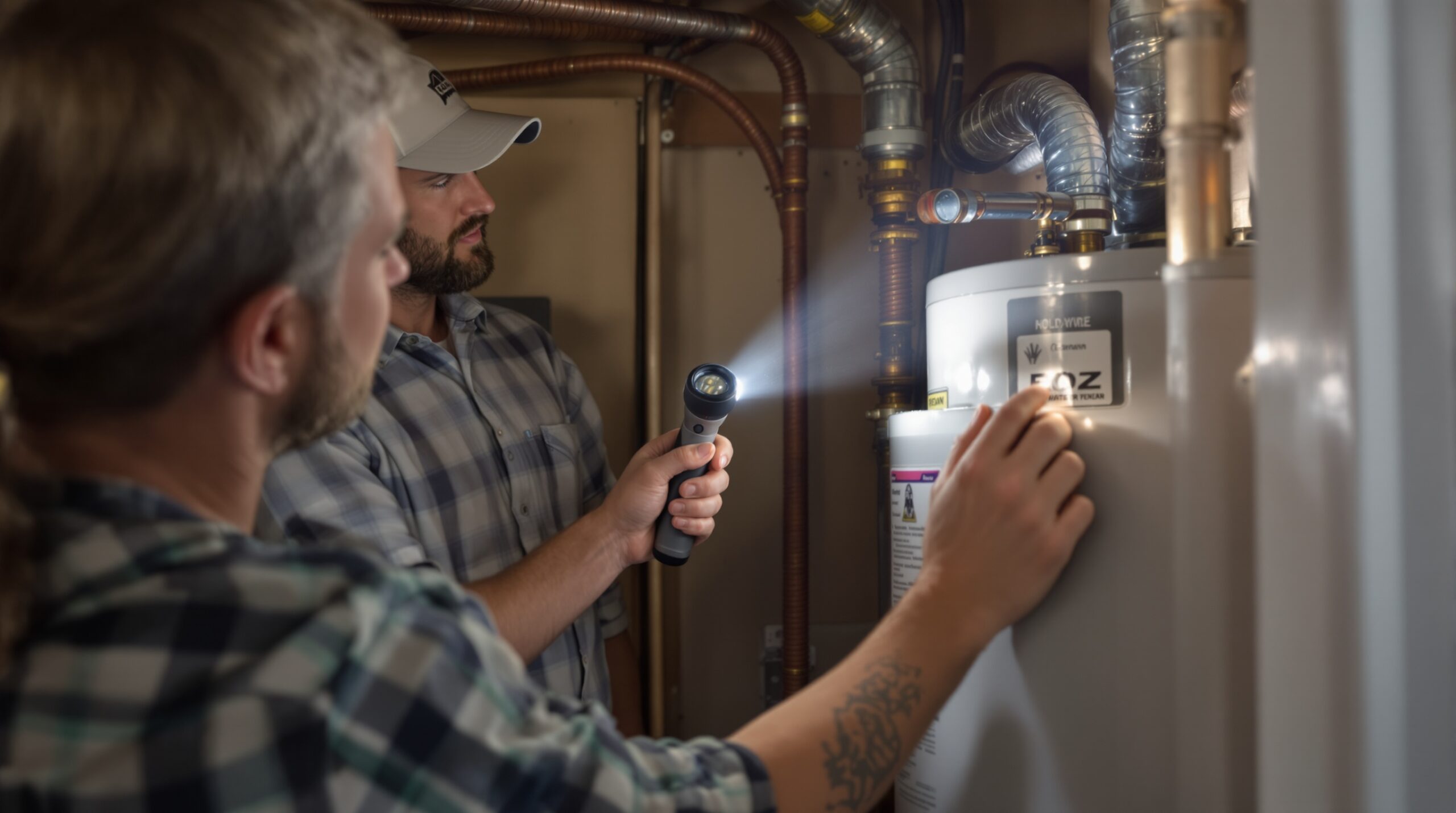
First things first: locate and inspect your water heater. Is it tucked away in a basement, a supply room, or maybe even in a closet? Knowing its exact location will not only make it easier to tend to but also allows you to keep an eye out for any nearby obstacles that could affect its performance. Next, be sure to jot down your water heater’s model number and capacity. This information is crucial for troubleshooting issues, understanding maintenance schedules, and ordering replacement parts.
Regular inspections are part of good stewardship. Every month, take a moment to check your water heater for signs of wear or malfunction—things like:
- Leaks: Look for any signs of moisture or water pooling around the base.
- Rust: Check the tank and pipes for any signs of corrosion.
- Unusual Noises: Listen for any rumbling or popping sounds which could indicate sediment buildup.
Let’s break it down in a simple table for clarity:
| Signs of Wear or Malfunction | What to Look For | Possible Action |
|---|---|---|
| Leaks | Moisture or water pooling | Contact a professional to assess and repair. |
| Rust | Corroded tank or pipes | Consider a replacement if rust is extensive. |
| Unusual Noises | Rumbling or popping | Flush the tank or schedule maintenance to resolve sediment buildup. |
By keeping a watchful eye, you can catch and address issues before they escalate into bigger headaches. Regular inspections don’t take much time, but they can save you from dealing with unexpected cold showers when you least expect them!
In the world of home maintenance, being proactive is key. Understanding your water heater inside and out not only ensures reliable hot water but also adds to the overall efficiency of your home. So, take some time to get acquainted with this essential appliance—your future self will thank you!
Routine Maintenance Essentials
Just like any hardworking device, your water heater thrives on regular attention and care. Implementing a routine maintenance schedule can vastly improve its longevity and efficiency, ensuring you enjoy endless hot showers and warm baths without interruption. So, let’s explore the essential tasks you should incorporate into your yearly maintenance plan!
Annual Flushing: Clear the Path to Efficiency
One of the easiest yet most effective ways to maintain your water heater is by flushing the tank annually. Over time, sediment and mineral buildup can accumulate at the bottom of the tank, impacting its ability to heat water effectively and leading to higher energy consumption. Flushing your tank not only helps remove these build-ups but also keeps your water tasting fresh and clean.
To flush the tank, follow these simple steps:
- Turn off the power supply or set the thermostat to ‘vacation’ mode.
- Connect a hose to the drain valve at the bottom of the tank, directing water into a suitable drain or outside.
- Open the drain valve and allow the water to flow out until it runs clear.
- Close the drain valve, remove the hose, and refill the tank.
This straightforward process can save you from more costly repairs down the line, and it only takes about an hour of your time once a year!
Check the Anode Rod: The Unsung Protector
Next on the maintenance checklist is the anode rod, often known as the “sacrificial rod.” This vital component prevents tank corrosion by attracting corrosive elements found in your water, extending the life of your heater. It’s easy to forget about this demure protector, but a quick inspection can make a world of difference.
To check the anode rod:
- Turn off the power and water supply to the heater.
- Carefully remove the anode rod from the top of the tank; you may need a wrench for this.
- Inspect for significant wear—if more than 6 inches of the rod is corroded, it’s time for a replacement.
By replacing the anode rod every several years, you ensure that the tank remains protected and functioning smoothly, reducing the risk of leaks and rust.
Set a Moderate Temperature: A Temperature to Thrive By
Lastly, consider the temperature setting on your water heater. While you may crave piping hot water, setting your heater to a moderate temperature (around 120°F) can lead to better performance and energy savings. This not only promotes safety, especially if children are present, but also reduces the risk of overheating and premature wear on the heater.
By adhering to these simple maintenance tasks—flushing the tank annually, checking the anode rod, and setting a moderate temperature—you will significantly enhance the performance and longevity of your water heater. Embrace these routine essentials and pave the way for uninterrupted, efficient hot water in your home, ensuring your water heater continues to serve you well for years to come!
Signs It’s Time for a Replacement
Despite your dedicated efforts in maintaining your water heater, there comes a time when even the most well-cared-for units can no longer perform effectively. Recognizing the signs that your water heater needs replacement is crucial, as continuing to rely on an aging system can lead to more significant inconveniences down the line. Here are the key indicators to watch for.
Age Matters: The Lifespan Indicator
The first and foremost sign of imminent replacement is the age of your water heater. Most traditional tank heaters last around 8 to 12 years, while tankless models can live a bit longer—up to 20 years. If you find yourself in the latter part of this lifespan window, it’s wise to start planning for a replacement. You can often find the manufacturing date on a label stuck to the heater. If your unit is approaching or has surpassed its expected lifespan, it may be time to start exploring newer, more efficient models.
Diminished Efficiency: The Heat is On, But Not Like Before
Another telling sign is a noticeable drop in efficiency. Are you finding that you’re running out of hot water faster than before, or is your heater taking longer than usual to heat a full tank? These symptoms can indicate that your system is struggling to operate at its peak. An inefficient water heater will require more energy to heat the same amount of water, leading to higher utility bills. Transitioning to a newer model can not only restore your hot water supply consistency but also provide improved energy efficiency, potentially saving you money down the line.
Frequent Breakdowns: The Warning Bells
Frequent breakdowns are a clear warning sign that your water heater is on its last legs. If you find yourself calling for repairs multiple times a year, it might be time to reconsider the reliability of your current unit. Each service call could lead to further issues that can escalate in complexity. Continuously pouring money into repairs may not be the best long-term solution when newer models offer enhanced reliability and advanced features designed to prevent future complications.
By staying attuned to these signs—age, efficiency drops, and frequent breakdowns—you can make informed decisions about your water heater. Transitioning to a newer model not only revitalizes your hot water supply but also offers modern technological improvements that prioritize energy efficiency and reliability. Embrace the opportunity to upgrade and enjoy the comforts of a well-functioning water heater for many years to come!
Choosing the Right Water Heater
Once you’ve determined that your water heater is due for a replacement, the next crucial step is selecting a model that meets the specific needs of your household. With numerous options available, it’s essential to consider several key factors: capacity, energy source, and technological features. Each of these elements will influence not only your immediate comfort but also your long-term satisfaction with the unit.
Understanding Capacity: Size Matters
First and foremost, you’ll want to consider the capacity of your new water heater. The size you need largely depends on your household’s hot water usage. Assess your daily hot water demands based on the number of family members, your lifestyle, and peak usage periods. For instance:
| Household Size | Recommended Tank Capacity (Gallons) |
|---|---|
| 1-2 people | 20-30 gallons |
| 3-4 people | 30-50 gallons |
| 5 or more people | 50-80 gallons |
Choosing the appropriate size is crucial—not only does it ensure you won’t run out of hot water during a shower or dishwashing, but it also impacts energy efficiency. An undersized unit will work overtime to meet your demands, while an oversized model can lead to unnecessary energy expenses.
The Energy Source: Gas, Electric, or Alternative?
Next, you’ll want to consider the energy source. Most water heaters operate on electricity or gas, but there are also renewable energy options like solar water heaters. Each energy source has its pros and cons:
- Electric Water Heaters: Generally easier to install and maintain but can be less efficient in areas where electricity costs are high.
- Gas Water Heaters: Often offer faster heating and can be more economical in terms of energy costs, but require venting and sometimes more complex installation.
- Solar Water Heaters: Environmentally friendly and can significantly reduce energy costs, but the initial investment is usually higher, and they depend on sunlight availability.
Your decision will depend on what’s available in your area, what best aligns with your environmental values, and your household’s usage patterns.
Embracing Technology: Features That Enhance Efficiency
Finally, consider the technological features that can enhance efficiency and performance. Look for models equipped with:
- Smart Technology: Some water heaters now come with smart thermostats that allow for remote temperature control via phone apps, making it easier than ever to manage energy use.
- Energy-Saving Modes: Look for units with built-in energy-saving features that can adjust operation modes based on your hot water usage patterns.
- Insulation: Better insulation means less heat loss; consider models that boast superior insulation materials for added efficiency.
By carefully evaluating these factors—capacity, energy source, and advanced features—you can select a water heater that’s not only capable of meeting your household’s hot water needs but also enhancing energy efficiency, thereby adding value to your home.
In the next section, we’ll discuss the importance of enlisting professional help for the installation or major repairs of your water heater. Consulting with experts ensures safe and efficient installation tailored to your home’s specific requirements.
Enlisting professional plumbing services in Sandy Hook, VA, can be a game-changer when it comes to installing or making major repairs to your water heater. While it may be tempting to attempt a DIY approach, the complexities involved in water heater installations and repairs require a level of expertise that only qualified professionals possess. Not only do they ensure that the job is done correctly, but they can also tailor their solutions to your unique home environment, enhancing safety and efficiency.
One of the primary benefits of hiring professional plumbers is their in-depth knowledge of local plumbing codes and regulations. Each municipality has its guidelines that dictate how water heaters must be installed, including venting systems, drainage, and pressure relief mechanisms. Professionals bring their expertise to the table, ensuring your installation complies with these standards and keeping your home safe from potential hazards.
In addition to adherence to regulations, professional plumbers offer a wealth of experience that can lend a significant advantage during installation or repair. They assess your home’s specific requirements, factoring in your water usage patterns, existing plumbing layout, and any potential issues that might arise during or after installation. Their ability to foresee complications can save you a great deal of stress and prevent problems down the line.
Moreover, enlisting a professional often leads to greater energy efficiency. Trained technicians are adept at selecting the right setting for your water heater and can configure it for optimal performance. They can also provide valuable advice on energy-efficient practices tailored to your household, helping you make the most of your hot water system.
This isn’t just limited to installation; when it comes time for repairs, professional plumbers have the expertise to diagnose issues quickly and accurately. They use specialized tools and methods that ensure repairs are done effectively, prolonging your water heater’s lifespan and preserving the integrity of your home’s plumbing system.
Furthermore, a reliable plumbing service typically offers warranties on their work, giving you peace of mind and assurance that if something goes wrong, you have support at hand. Knowing that there is an expert ready to back you up is crucial in maintaining the comfort and safety of your home.
In conclusion, while the allure of DIY projects can be strong, the benefits of consulting with professional plumbing services in Sandy Hook, VA, far outweigh the risks. From ensuring compliance with regulations to providing tailored solutions, their expertise not only guarantees safe installation and repairs but also enhances the overall efficiency of your water heating system. By prioritizing professional help, you are investing in the long-term wellbeing of your home and family.
But after you’ve had your water heater installed or repaired, you may find yourself pondering some common issues that can arise over time. For instance, you might be left asking, “Why does my water heater keep turning off?” This frustrating occurrence can be attributed to several factors, one of which might be sediment build-up within the tank. Sediment, primarily comprised of minerals like limestone, magnesium, and calcium, can accumulate at the bottom of your tank over time, particularly if you have hard water. This build-up not only affects the efficiency of your heater by insulating the water from the burner but can also lead to overheating and eventual system shutdowns as your equipment struggles to maintain optimal heating levels. Regularly flushing your water heater to remove this sediment can help ensure that it operates seamlessly, saving you headaches and improving your home’s hot water supply.
Another component crucial to your water heater’s longevity and efficiency is the anode rod. This unsung hero works diligently to prevent corrosion within the tank, sacrificing itself to prolong the life of your heater. Over time, the anode rod can deteriorate, leading to increased risk of rusting and subsequent leaks. It’s generally advisable to inspect the anode rod at least once a year, and plan on replacing it every 3 to 5 years, depending on your water quality and usage. This relatively simple maintenance task can dramatically avoid costly repairs down the road. Just like a well-tended garden, a little attention to the small things can yield significant benefits in the health and efficiency of your water heater.
By following these care and replacement tips, Sandy Hook residents can ensure their water heaters run smoothly and efficiently. Regular maintenance not only extends the lifespan of your water heater but also contributes to home safety and comfort. Ensure your home’s hot water system remains in optimum condition by staying proactive and informed. Taking initiative to understand these critical elements is essential for every homeowner aiming to safeguard their investment and improve their everyday living experience.
By following these care and replacement tips, Sandy Hook residents can ensure their water heaters run smoothly and efficiently. Regular maintenance not only extends the lifespan of your water heater but also contributes to home safety and comfort. Ensure your home’s hot water system remains in optimum condition by staying proactive and informed.
To achieve this, it is essential to establish a routine maintenance schedule. Regularly inspect your water heater for signs of wear and leaks, including any discoloration around fittings or visible corrosion. Paying attention to these details can prevent bigger issues from arising later on, saving you from inconvenient outages or damage to your home. Identifying potential problems early can give you a chance to address them before they escalate into costly repairs.
Additionally, sediment buildup is a common foe for water heaters, particularly in areas with hard water. To combat this, it is advisable to flush your water heater at least once a year. This process removes mineral deposits that accumulate in the tank and can hinder the appliance’s performance. A simple flush can dramatically improve heating efficiency, ensuring that your water heats up quickly and remains at a consistent temperature, which is paramount for maintaining comfort in your home, especially during colder months.
Another important aspect of water heater upkeep is monitoring the temperature settings on your thermostat. The recommended temperature setting is generally around 120 degrees Fahrenheit. This setting not only ensures comfort but also helps to minimize the risk of scalding accidents, particularly for children and the elderly. Lowering the temperature can also contribute to energy efficiency, as it reduces the amount of energy expended to heat water to unnecessarily high temperatures.
Don’t forget to keep an eye on the anode rod, often referred to as the “sacrificial anode.” This component plays a critical role in preventing tank rust and corrosion. Over time, the anode rod deteriorates, so it’s wise to check it every few years and replace it if necessary, extending the lifespan of your water heater significantly. By proactively managing these components, you not only prolong the life of your water heater but also bolster the overall function of your home’s hot water system.
Lastly, engaging with professional plumbers for annual check-ups can greatly enhance the maintenance regime you’ve established. Their trained eyes can spot issues that might elude an untrained homeowner, from potential leaks to efficiency gaps. These check-ups are an invaluable opportunity to discuss your water usage patterns with an expert, allowing for personalized recommendations that align with your home’s needs.
Maintenance and care don’t have to be overwhelming. By incorporating these practices into your home routine and leveraging the expertise of local professionals, Sandy Hook residents can rest assured knowing that their water heaters will operate efficiently and securely. By staying proactive and informed, you’ll enhance comfort and safety, allowing for a warm and inviting atmosphere in your home—one where hot water is always just a tap away.