Welcome to Doswell, VA!
Living in Doswell, Virginia is a unique experience filled with charming landscapes and a tight-knit community. As a homeowner here, you know that enjoying your cozy space also comes with its own set of challenges. One key challenge? Making sure that everyday tasks go off without a hitch. And let’s face it: having great water pressure is essential for smooth sailing.
The Frustration of Low Water Pressure
If you’ve ever been caught mid-shower, feeling the warm water transform into an awkward trickle, you’re not alone. It’s a frustrating moment, turning a relaxing wash into a race against time. You might find yourself wondering what went wrong and how to fix it. That’s why we’re here to help! This guide is packed with the knowledge you need to identify the causes behind low water pressure in your home and, more importantly, the steps you can take to boost it.
So, whether you’re battling weak water flow during your morning routine or struggling to fill a pot for dinner, we’ve got you covered. With a little know-how, you’ll surely restore that refreshing, invigorating water force back into your daily life in Doswell. Ready to dive in? Let’s get started!
Identifying Water Pressure Issues in Your Doswell, VA Home
To tackle the problem of low water pressure effectively, you first need to identify the scope and source of the issue. Many homeowners in Doswell may find themselves confused, wondering if the inconvenience is a minor glitch or a symptom of a larger plumbing dilemma. One of the first steps in this investigative process is to test the water pressure at various fixtures throughout your home.
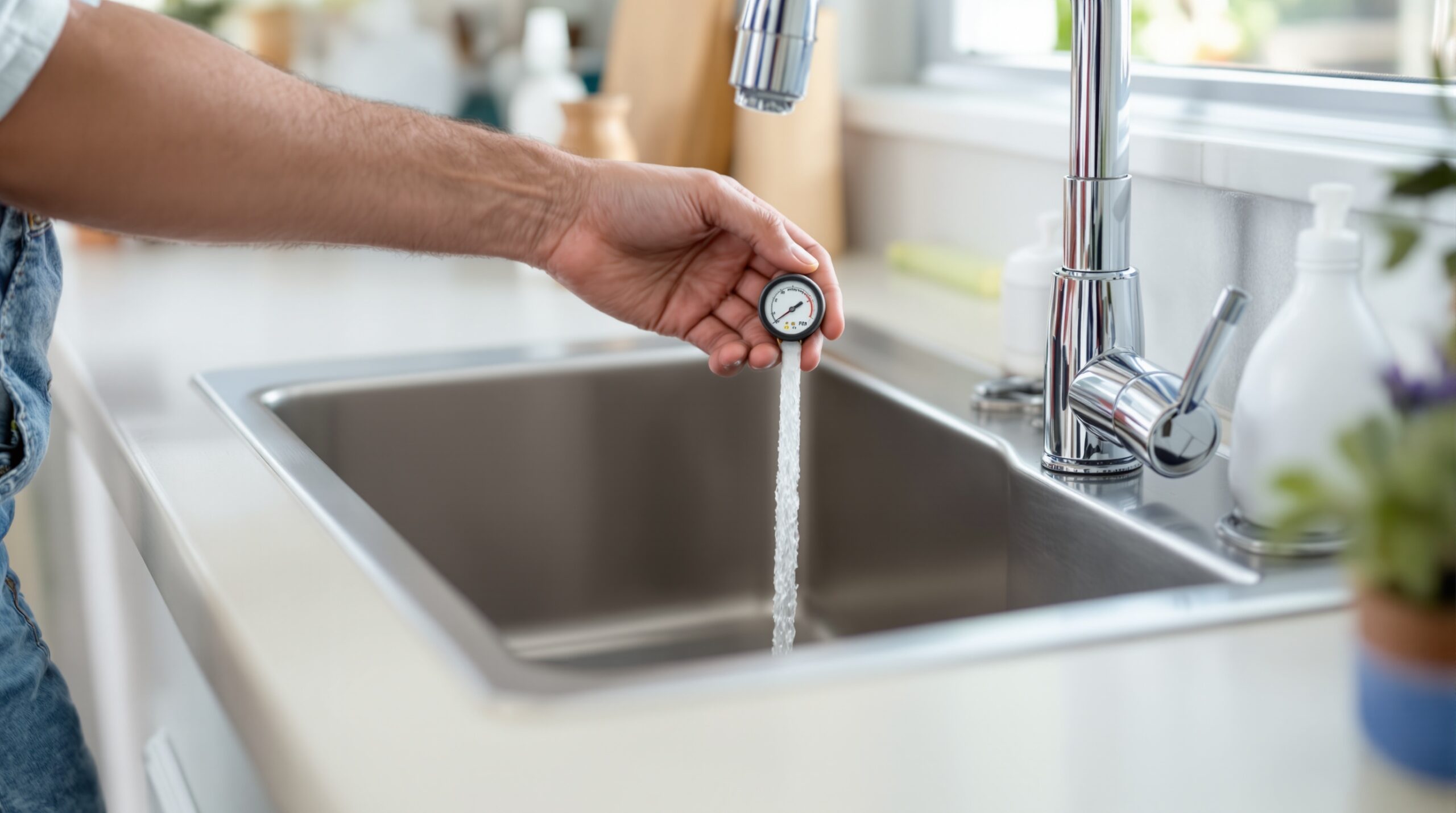
Start with the most frequently used fixtures—your showerheads, kitchen sink, and outdoor faucets. Turn on each one and pay attention to the flow. You might want to keep a pressure gauge handy; this tool can provide a numerical reading to quantify your experience. As you conduct this simple test, take note of any variations in pressure across different areas. Here’s a quick reference to help you track your findings:
| Fixture | Pressure (PSI) | Comments |
|---|---|---|
| Showerhead | \_\_\_\_ | Check for fluctuations during use. |
| Kitchen Sink | \_\_\_\_ | Is the flow steady or weak? |
| Bathroom Sink | \_\_\_\_ | Note any variation compared to the kitchen. |
| Outdoor Faucet | \_\_\_\_ | Test with a hose attached if applicable. |
| Utility Room | \_\_\_\_ | Check any appliances using plumbing here. |
After you have collected data from each fixture, analyze whether the low water pressure is an isolated occurrence at a single point or if it permeates your entire household. If only one faucet or shower shows insufficient pressure, the issue likely resides here, possibly due to a clogged aerator or a malfunctioning valve. However, if you detect a consistent problem throughout the home, the cause may lie within the broader plumbing system. Common culprits in the Doswell area may include aging pipes or even environmental factors affecting your water supply.
Once you’ve established the extent of your water pressure woes, consider checking for other telltale signs, such as strange noises coming from your pipes, which could indicate trapped air or sediment buildup. A thorough investigation, beginning with these simple tests, will lead you one step closer to understanding the specific causes behind your low water pressure challenges.
Now that you have identified the problem areas in your home, the next logical step is to delve into the common causes of low water pressure and what you can do about them. Ready to uncover the mysteries behind those frustrating dribbles? Let’s proceed!
Common Causes of Low Water Pressure
With your initial assessment completed, it’s essential to understand the common culprits that may be contributing to the low water pressure woes plaguing your Doswell home. Identifying these issues can make all the difference in addressing the problem effectively and regaining that satisfying flow of water you’re accustomed to.
One of the leading causes of low water pressure in Doswell is aging plumbing systems. Over time, your pipes can corrode or become weakened due to wear and tear. This wear can lead to leaks or even complete blockages, causing the pressure to dwindle. It’s particularly important to pay attention to homes built several decades ago, as older materials may deteriorate more rapidly and are not built to withstand the demands of modern water usage.
Another common factor is clogged pipes, which can occur due to buildup from sediment, debris, or mineral deposits. This problem often starts small but can escalate, narrowing the pipe diameter and thus diminishing the flow of water. Kitchen and bathroom sinks are especially susceptible to clogs from grease, hair, and soap scum, so make it a point to check these areas regularly.
Don’t overlook the plumbing valves, either. Sometimes, low water pressure can be attributed to partially closed or malfunctioning water valves. These valves serve as control points for your water supply, and if they aren’t fully open, they can significantly restrict the flow. Take a moment to inspect your main water supply valve and any shut-off valves associated with specific fixtures; ensuring they are fully open can sometimes solve the issue in an instant.
If you live in an area with fluctuating water supply pressure or those who are reliant on a well, environmental factors could also be at play. Heavy rainfall, prolonged drought, or seasonal changes can all impact water availability and pressure. In such cases, the solution may be beyond your control, but understanding this context can help mitigate frustration as you navigate the issue.
Finally, consider the impact of shared water supply systems. If multiple households in your area are drawing from the same source, peak usage times—such as mornings or weekends—can lead to noticeable drops in water pressure. In these scenarios, patience may be required until demand subsides.
Once you’ve identified one or more of these common causes, you’re better equipped to take action. Diagnosing where the trouble lies empowers you to move forward with effective solutions that will have your home’s water pressure flowing at full strength once again.
Solutions to Enhance Your Water Pressure
Now that you have a better grasp of what may be causing those frustrating dips in water pressure, it’s time to explore actionable solutions that can revitalise your home’s water flow. Whether you prefer to roll up your sleeves and tackle DIY fixes or call in the experts for more complicated issues, several options can help restore the delightful rush of water you once took for granted.
Starting with the simplest solution, checking and cleaning aerators is a fantastic first step. Over time, these small fixtures at the end of your faucets can accumulate mineral deposits, dirt, and other debris. A quick unscrewing of the aerator, followed by a thorough rinse and maybe a soak in vinegar, can often lead to remarkable improvement. Similarly, showerheads can fall victim to mineral buildup; cleaning or replacing them may yield revitalising results.
If the mechanics of your plumbing are at fault, such as those pesky clogs lurking deeper within the pipes, a more assertive approach may be necessary. Using a plumbing snake or a plunger can work wonders for minor blockages, enabling a smooth flow again. For persistent clogs, you may consider a mechanical drain auger or enzyme-based cleaners that help break down organic material without harming your plumbing.
However, sometimes, the issue can be rooted in the plumbing system itself. Aging pipelines may experience corrosion or accumulation of debris that requires professional attention. Contacting a certified plumber can allow them to conduct a thorough inspection of your pipes and identify whether they need repairs or replacement. In many cases, relining existing pipes or even installing new ones can lead to a significant enhancement in water pressure.
An often-overlooked factor in water pressure issues is the main shut-off valve. It’s easy to forget that even slight adjustments can have a ripple effect. Take a moment to check the valve located where your water line enters the home, making sure it’s fully open. This minor adjustment can lead to a noticeable difference in flow.
For those dealing with low water pressure that seems to fluctuate throughout the day, installing a pressure-boosting system may be a viable solution. Booster pumps can help ensure a consistent flow, particularly in households with high-demand fixtures. These setups can be particularly beneficial if you find that water pressure dips during peak usage times.
An innovative approach involves regularly conducting pressure tests using a pressure gauge attached to an outdoor spigot. This simple tool will help you keep track of any changes in your home’s water pressure over time, allowing you to address issues before they escalate into bigger problems.
Lastly, although you may not have direct control over the shared water supply systems in your area, there’s always the option of communicating with your community resources. Staying informed about any changes or scheduled maintenance from your utility provider can relieve some of the frustrations surrounding water pressure fluctuations.
Reinforcing these methods in your home, regardless of whether you’re opting for a DIY fix or reaching out for professional assistance, prepares your plumbing system for both immediate relief and long-term performance. Taking proactive measures not only enhances your water pressure but also contributes to the overall health of your home’s plumbing, ensuring you enjoy that refreshing gush of water well into the future.
Ensuring Long-Term Water Pressure Maintenance
Once you’ve navigated the waters of immediate fixes, the spotlight shifts to long-term care for your plumbing system. Ensuring consistent water pressure is not just about addressing the current issues; it’s about implementing strategies that will maintain optimal flow for years to come. Like any vital part of your home, your plumbing requires ongoing attention, and a few proactive steps can make a significant difference.
First and foremost, commit to regular assessments of your plumbing system. Just as you would schedule tune-ups for your vehicle, set reminders for routine checks on your home’s water flow. Monitoring pressure levels over time can help you spot anomalies that might indicate underlying problems. It’s advisable to record your water pressure monthly, using a pressure gauge attached to an outdoor spigot. Keeping a log can inform you of trends, enabling you to tackle small changes before they escalate.
In addition to periodic checks, embracing new plumbing technologies can greatly enhance your home’s plumbing health. Modern advancements offer innovative solutions, like smart water sensors, which can detect and notify you of irregularities in your water pressure. These devices can often connect to your smartphone, giving you real-time updates and allowing for quick responses to fluctuations, thus promoting long-term efficiency.
Regular maintenance doesn’t just stop at pressure tests; you should also consider performing periodic inspections of visible pipes. Look for signs of leaks, corrosion, or rust, and address them promptly. Keeping your pipes in good condition is essential for preventing pressure drops due to leaks. If you discover any minor leaks, sealing them early can save you from larger troubles later on.
Moreover, ensure that all fixtures in your home are kept in peak condition. Beyond cleaning aerators and showerheads, take some time every few months to check hoses, valves, and connections. Regularly replacing old hoses or valves can prevent unexpected ruptures or failures. Hoses leading to washing machines and dishwashers, for instance, can wear down over time; attentive reviews can save you from future headaches and contribute to steady water pressure.
Another critical method for maintaining water pressure is managing water demand within your household. Coordinate peak water usage times among your family members, or set times for running high-demand appliances. By staggering their operation, you can minimize the impact on your plumbing system. Ensure that faucet and shower usage is thoughtful during high-demand periods to avoid sudden drops in pressure.
| Maintenance Task | Frequency | Importance |
|---|---|---|
| Pressure Test | Monthly | Identifies trends or issues early |
| Fixture Inspection | Every 3 Months | Prevents leaks and pressure drops |
| Pipe Review | Every 6 Months | Detects potential risks and corrosion |
| Appliance Coordination | As Needed | Minimizes demand on water supply |
Lastly, navigating the waters of community awareness can be beneficial. Stay engaged with local resources and utility providers to remain updated on any maintenance work or improvements they might conduct. Your community’s water supply system may occasionally face challenges that can indirectly affect your home’s pressure. Staying informed will equip you with the knowledge of when fluctuations are due to external factors, reducing personal frustration.
In short, ensuring long-term water pressure maintenance involves consistent monitoring, embracing modern techniques, vigilant inspections, and efficient water management. By actively caring for your plumbing system today, you can enjoy an uninterrupted, robust flow of water tomorrow. As you look ahead, take proactive steps to protect your plumbing, ensuring that refreshing rush of water maintains its joy in your daily life.
DIY Tips and When to Call a Professional
Navigating water pressure issues can be a daunting task, yet homeowners often find solace in the thought that some matters are well within their grasp. With a bit of knowledge and the right approach, many common plumbing conundrums can be resolved through DIY methods. From flushing out sediment in your water heater to adjusting the pressure-reducing valve, familiarizing yourself with minor repairs can empower you as a homeowner. Here are a few DIY tips to get you started:
- Clear Aerators and Showerheads: Sediment buildup is a leading cause of reduced water pressure. Unscrew your faucet aerator or showerhead and soak them in a vinegar solution overnight. This will help dissolve mineral deposits, restoring flow.
- Adjusting Your Pressure-Reducing Valve: If you have a pressure-reducing valve installed, it may be set too low. Locate the valve, typically found where the main water line enters your home, and consult your user manual for guides on making adjustments.
- Inspecting Supply Lines: Over time, supply lines can experience wear and tear. Periodically check hoses for cracks or kinks. If you notice any damage, replacing the hose can help restore optimal water flow.
While these DIY methods can lead to substantial improvements, the critical knowledge lies in recognizing when to pass the baton to a professional. Certain issues, such as persistent low pressure affecting multiple fixtures, can indicate deeper plumbing concerns that may require expert attention. Here are signs that it’s time to pick up the phone:
- Widespread Pressure Issues: If you notice the water pressure is low across multiple faucets and appliances, it may point to complex plumbing problems like pipe blockages, leaks within the walls, or issues with your municipality’s water supply. This isn’t a time for DIY fixes but rather for a thorough professional diagnosis.
- Visible Damage: If you spot water stains on walls or ceilings, or experience unusually high water bills, it might mean you have a hidden leak. A professional can swiftly pinpoint the source and provide the necessary repairs.
- Outdated Plumbing: Homes with older plumbing systems may face outdated materials or design flaws, leading to chronic pressure issues. A professional plumber can evaluate your system’s integrity and recommend upgrades if necessary.
Getting hands-on with your home’s plumbing has its perks, but discerning when to engage a professional can save you time, stress, and potential headaches. Embrace DIY solutions where you see fit, but remain vigilant and ready to call in an expert when conditions push beyond your control. A balanced approach will safeguard your water pressure and enhance your day-to-day living experience.
Why Is My Shower Water Pressure Suddenly Low?
Experiencing a sudden drop in shower water pressure can be frustrating, especially when you are used to enjoying a powerful spray to wash away the stresses of the day. If you’ve noticed a lackluster performance in your daily rinse, the first step is to evaluate whether this issue is isolated to your shower or if it also affects other faucets and fixtures in your home. If the low pressure is confined just to your shower, the problem could likely be due to a clogged showerhead. Over time, mineral deposits and sediment can accumulate in the tiny openings of your showerhead, obstructing the flow of water and resulting in a disappointing trickle. Simply removing the showerhead and soaking it in a vinegar solution can dissolve those pesky deposits, allowing your shower to roar back to life with a refreshing force.
Can Water Valves Affect Pressure?
Absolutely! A surprisingly simple culprit for low water pressure could be your home’s water valves. If these crucial fixtures are partially closed, they can severely restrict the flow of water, causing the pressure to dwindle. Check the main shut-off valve as well as any individual valves for specific fixtures; ensuring they are fully open might be all it takes to restore your water pressure to optimal levels. Sometimes, a little twist can have a big impact!
Should I Regularly Test My Home’s Water Pressure?
Routine tests of your home’s water pressure are a proactive step that every homeowner should consider. Regular testing can spotlight potential plumbing problems before they escalate into overwhelming—or costly—issues. A simple water pressure gauge can be easily attached to a garden hose bib or faucet. By doing this once every few months, you can keep tabs on any fluctuations in your system. If your readings consistently show lower than normal pressure, this early warning can prompt you to investigate deeper issues, perhaps involving the piping system or necessary repairs that a professional could address before they become major headaches. Remember, being proactive is always easier than being reactive!
In conclusion, maintaining robust water pressure in your home is vital not just for your shower experience but for your overall quality of life. By inspecting fixtures, ensuring valves are fully operational, and adopting a habit of routine pressure testing, you’re setting yourself up for success. Should you find persistent issues lingering despite your efforts, engaging a local plumbing professional can provide the expertise needed to identify and rectify underlying problems. Don’t let low water pressure weigh you down; take those proactive steps today for a smoother, more enjoyable tomorrow.
Enhancing Daily Life Through Improved Water Pressure
Imagine starting your day with a refreshing shower that invigorates your senses, or enjoying a pleasurable dishwashing experience where the water flows freely, performing its essential tasks with ease. These simple pleasures, often taken for granted, hinge significantly on the water pressure within your home. By prioritizing the improvement of water pressure in your Doswell, VA home, you pave the way for a seamless daily routine that enhances not only comfort but also functionality in every aspect of household and business activities.
In our fast-paced lives, efficient and reliable water flow is not merely an indulgence—it’s a necessity. High water pressure can transform seemingly mundane tasks into enjoyable rituals. Consider the ease of tackling laundry with effective rinsing, or the satisfaction of watering your garden with a strong, consistent stream. When water pressure runs low, these everyday activities become sources of frustration rather than comfort. Hence, investing time into optimizing your home’s water flow translates into a considerable return on your daily life experience.
To achieve this desirable outcome, it is crucial to embrace proactive strategies. Apart from the DIY tips previously mentioned, there are several methods you can employ to enhance water pressure:
- Regular Maintenance: Schedule routine maintenance for your plumbing system, including flushing your water heater and inspecting major appliances. This preventive step can significantly extend the life of your systems and maintain optimal performance.
- Investing in Pressure-Boosting Systems: Depending on your specific needs and the existing pressure levels in your area, adopting a pressure-boosting system may be a worthwhile consideration. These devices can assist in overcoming low pressure challenges, ensuring you have sufficient flow for multiple activities simultaneously.
- Water Softener Installation: If hard water is the culprit behind low pressure, installing a water softener can mitigate the effects of mineral buildup, leading to more consistent flow.
However, should the challenges persist despite your best efforts, do not hesitate to seek assistance from a local plumbing professional. They possess a wealth of knowledge and experience that can uncover hidden issues and deliver effective solutions tailored to your specific situation. Here’s why reaching out for professional help is essential:
- Expert Diagnostics: Plumbers can quickly assess water pressure problems and diagnose any concealed issues that may be plaguing your system. Their expertise can save you from the guesswork of DIY attempts that may create more complications than solutions.
- Innovative Solutions: Professionals often have access to advanced diagnostic tools and technology that can reveal the root causes of your low water pressure challenges. Utilizing these tools allows for targeted interventions, ensuring you regain normal flow swiftly.
- Long-term Peace of Mind: When you rely on a professional, you’re not just solving an immediate issue—you’re investing in the longevity and reliability of your entire plumbing system. You’ll leave with not only peace of mind but also a deeper understanding of your home’s water system.
Reduced water pressure doesn’t have to weigh you down. With a proactive approach grounded in both DIY techniques and when necessary, the invaluable insight of a plumbing professional, your home can offer all the conveniences we often overlook. Empower yourself to tackle water-related concerns head-on, and embrace the liberation that comes with improved water flow for all your daily routines. Take those steps today, and you’ll be one step closer to a brighter tomorrow—one where each drip and splash becomes a soothing symphony of life and ease.