When to Call for Help
Have you ever noticed a drip, a strange noise, or an unexpected puddle in your home? Sometimes, these little signs can feel like whispers, urging you to pay attention before they turn into loud, troublesome screams. In Sandy Hook, VA, recognizing when to call a plumber is crucial. Ignoring these early hints can lead to bigger problems that take up time and energy you’d rather spend on things you love.
Spotting the Warning Signs
Think of your plumbing system as the veins of your home. When everything is flowing smoothly, you don’t think much about it. But once there’s a clog or a leak, it can quickly become a big deal. Staying alert to the small things can save you from a major headache later on. If you notice a toilet that won’t stop running, water spots on your ceiling, or even a sink that drains slowly, it’s like your home is waving a red flag. These are essential indicators that it might be time to pick up the phone and call a plumber.
Why It Matters
By understanding the signs that something is off, you can save yourself from the stress of dealing with a serious plumbing disaster. Remember, it’s always better to be safe than sorry! So, the next time you spot a little issue, think about how easy it could be to nip it in the bud before it becomes a full-blown emergency.
Persistent Dripping Faucets and Fixtures
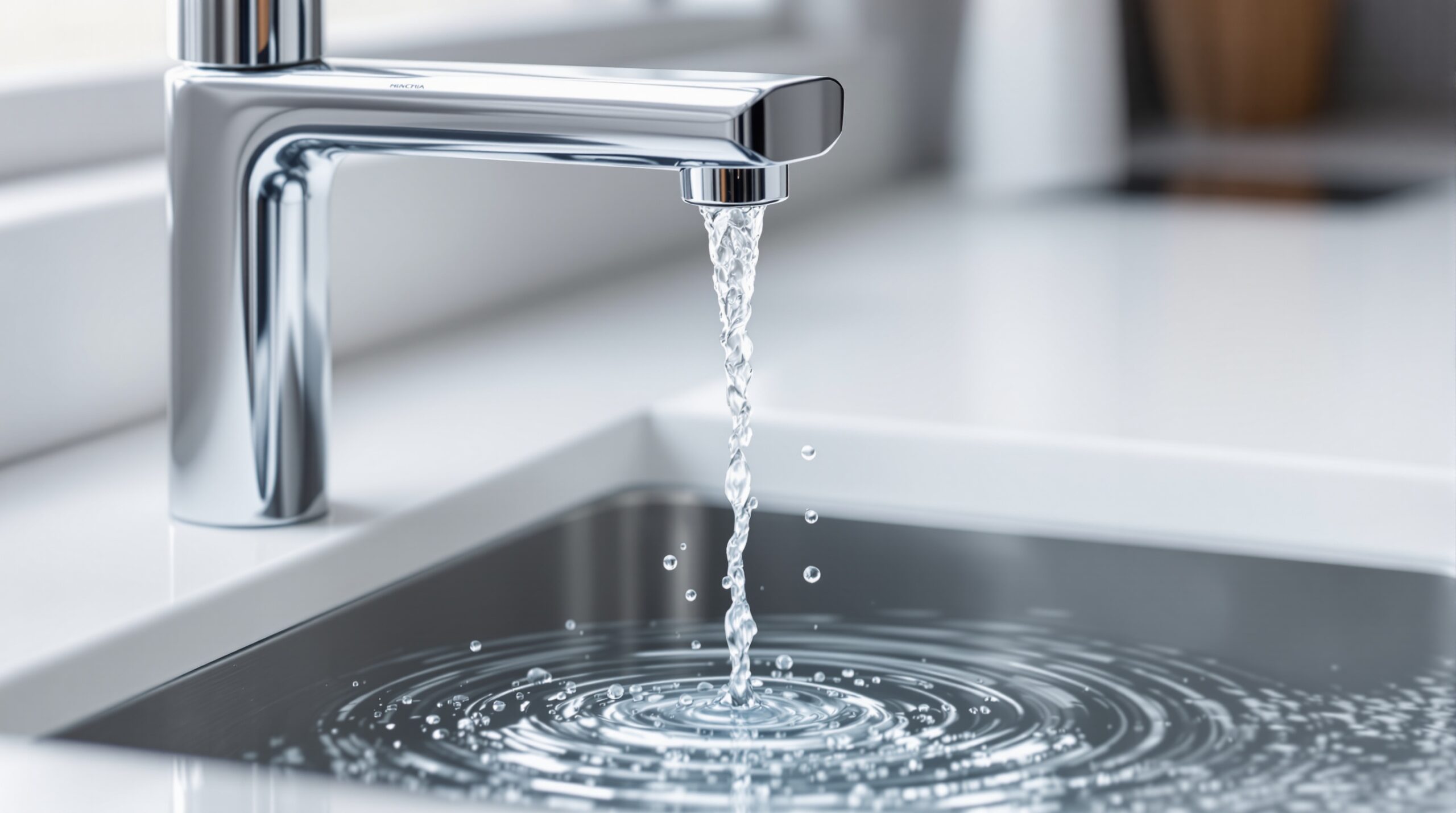
Now, let’s focus on an issue that often flies under the radar: the persistent dripping of faucets and fixtures. At first glance, a dripping faucet might appear to be nothing more than a minor annoyance—a harmless echo of water hitting the sink. However, this little drip is more than a simple nuisance; it could be your plumbing system signaling the need for urgent attention.
Each drop of water that escapes—a mere 1/8 of a teaspoon, in fact—cumulatively translates to a staggering amount over time. Did you know that a faucet dripping once per second can waste over 3,000 gallons of water a year? That’s enough to fill a swimming pool! Beyond environmental concerns, that volume of water wasted could be indicative of underlying issues that require your attention.
When you hear that incessant dripping, it’s often a symptom of something deeper. The primary culprits are typically worn-out components like washers, valves, or even the entire fixture itself. With constant wear and tear from daily use or age, these parts can stop functioning effectively, leading not only to leaks but also to a potential cascade of larger plumbing challenges. The more time you let a dripping faucet persist, the more likely it is that it can lead to secondary issues such as water buildup, mold growth, or even structural damage to your cabinetry or walls, which could escalate into far more invasive repairs down the line.
| Dripping Source | Possible Causes | Signs You Need a Repair |
|---|---|---|
| Kitchen Faucet | Worn-out washer, cartridge issues | Drip persists despite tightening; low water pressure |
| Bathroom Faucet | Corroded valve seat, damaged O-ring | Water pooling on the counter, inconsistent flow |
| Shower Head | Faulty diverter or shower valve | Reduced water pressure, water leaks from the base |
| Outdoor Faucets | Frozen pipes, loose fittings | Visible rust or corrosion, puddles forming nearby |
Addressing the problem quickly not only helps conserve precious water resources but also ensures that your fixtures continue to function effectively for years to come. Watch for signs like rust or corrosion around the faucet base, fluctuating water pressure, and unusual noises during operation—all can indicate the need for service.
Ultimately, when faced with that persistent drip, take a moment to recognize the potential impact on your home. The sooner you address these small plumbing issues, the less likely they will morph into larger, more complex problems. In Sandy Hook, understanding the significance of your plumbing’s status and responding proactively can ensure your home remains a safe and comfortable sanctuary.
Water Stains and Discoloration
If you’ve noticed unsightly water stains or discolorations creeping along your walls and ceilings, it’s time to pay attention. These marks aren’t just aesthetic blemishes—they can be flashing warning signs of hidden leaks lurking within the walls of your home. Ignoring them could lead to serious structural damage and costly repairs.
Water stains usually appear as yellowish or brownish patches, often taking on a distinct ring-like formation. The source of the moisture can be elusive, stemming from damaged pipes, faulty fittings, or even mishandled roofing materials. Regardless of the cause, these stains signify an unwelcome intrusion of water, which can wreak havoc in the long run.
One of the most common culprits behind these stains is a leaking pipe. When pipes deteriorate, whether due to age, corrosion, or incorrect installation, the water they carry can seep out silently, leaving evidence of its presence in your home. Areas particularly vulnerable include ceilings under bathrooms or kitchens, where plumbing infrastructure runs concealed. If unaddressed, these small leaks can evolve into larger problems, potentially disrupting the integrity of your walls and ceilings and inviting toxic mold growth—a health hazard that should never be overlooked.
Another contributor to water stains is condensation. In high-humidity areas, like bathrooms or poorly ventilated kitchens, moisture can form on cool surfaces, eventually leading to discoloration. Over time, this cycle of moisture buildup can result in significantly damaging effects. Be vigilant of such environmental factors, and take preventative measures to alleviate excess moisture through improved ventilation and dehumidifiers if necessary.
Identifying the source of the problem can sometimes be a detective mission. If you observe stains growing darker or expanding, it may be your cue to investigate further. Solution-oriented steps include checking exposed pipes and fittings for visible leaks, inspecting areas around appliances for moisture buildup, and examining the roof and gutters for potential leaks. Using a moisture meter can also offer non-invasive insight into the moisture level within your walls.
What can be done, you ask? First off, don’t hesitate to consult a plumbing or water damage restoration professional if you suspect you have hidden leaks. They can perform comprehensive inspections, helping to pinpoint the source efficiently before it leads to greater issues. Taking immediate action in addressing both the leak and the resulting stains not only restores the aesthetic of your home but also preserves the safety and comfort of your living space.
Remember, these water stains are more than mere cosmetic issues; they point towards something that demands your attention. The sooner you address them, the less likely you are to face the repercussions of prolonged exposure to unwanted moisture. Keeping your home pristine and secure often hinges on noticing and acting on these early signs of trouble.
Slow or Clogged Drains
If you’ve ever stood in your shower or washed your hands, only to find the water pooling around your feet, you understand the annoyance of slow or clogged drains. This frustrating inconvenience often signals a more serious underlying issue: an obstruction within your piping system. While it might be tempting to reach for a plunger or chemical drain cleaner for an immediate fix, this approach is rarely adequate for persistent problems.
Slow drainage commonly stems from a buildup of hair, soap scum, and other debris over time, creating a blockage that hinders the flow of water. In sinks and tubs, these obstructions can be deceptively minor at first, but as they grow, they can lead to complete blockages or even damage the pipes themselves. Recognizing the signs of a slow drain early is crucial; it can save you considerable time and trouble down the line. Look out for gurgling noises, unpleasant odors, or the gradual decline in drainage speed, all of which hint at a growing issue that needs your attention.
One common misconception is that DIY methods—such as pouring baking soda and vinegar down the drain—are always effective. While these natural remedies can help in some cases, they often fall short for more serious clogs. A simple buildup can escalate into a tougher situation requiring a professional plumber equipped with advanced tools to clear out persistent blockages. Without prompt intervention, what began as a minor annoyance can lead to more severe complications, including pipe damage and water backups.
Persistent drain issues may also point toward larger plumbing problems, possibly involving tree roots intruding into your sewer lines or deteriorating pipes due to age or material fatigue. In such instances, a simple clog can be a precursor to serious plumbing issues that need a thorough examination. Ignoring these signs might result in extensive plumbing work later on, disrupting your daily routine and potentially leading to bigger headaches.
The key takeaway? If you find yourself facing slow or clogged drains repeatedly, it’s essential to consult a professional plumber. With their expertise, they can perform comprehensive diagnostics to assess the condition of your plumbing system. They utilize specialized techniques, such as video inspection, to investigate the interior of your pipes, helping identify and remove blockages efficiently without causing further damage.
Timely intervention is paramount. By addressing these issues proactively, you take significant steps toward maintaining the health of your plumbing system, ensuring the seamless operation of your home’s water supply—because no one wants their daily routine to be interrupted by an unexpected plumbing crisis. Don’t just dismiss slow drains as a minor inconvenience; act before they lead to more considerable complications.
Unpleasant Odors
As you navigate through your home, it’s not uncommon to encounter various scents—some pleasant and others decidedly less so. If you catch a whiff of foul odors emanating from your drains, it’s essential to pay attention. These unpleasant smells are not just annoying; they serve as a warning sign, indicating potential blockages or serious sewer problems lurking deeper within your plumbing system.
Foul smells wafting from your sinks, tubs, or toilets can result from organic matter trapped in your drains. Over time, food particles, grease, soap, and other debris can build up, leading to stagnation and decomposition. Not only do these blockages create unpleasant odors, but they can also encourage the growth of harmful bacteria, posing risks to your health and comfort.
Here’s where it gets critical: while you might be tempted to attempt a quick fix—thinking that using an air freshener or pouring hot water down the drain will suffice—these solutions are often short-sighted. The real problem requires a professional diagnosis to inspect the cause of these unpleasant odors effectively. Ignoring the symptoms can lead to complications that can worsen over time, resulting in persistent smells that can permeate your home and create an uncomfortable living environment.
Signs that you may be dealing with a significant plumbing issue include:
| Signs of Possible Drain Issues | Possible Causes |
|---|---|
| The odor is ammonia-like or sulfuric | Potential sewer line issues or stagnant water |
| Gurgling noises from drains | Air trapped in the plumbing, indicating blockages |
| Slow drains accompanied by odors | Debris buildup or partial blockage in pipes |
| Frequent back-ups in multiple fixtures | Serious plumbing issues, potentially involving main sewer lines |
Professional plumbers utilize specialized equipment and techniques to identify the underlying causes of these foul smells. They can conduct thorough inspections, including video assessments, to delve deeper into your plumbing infrastructure. This diagnostic process uncovers the extent of blockage, pipe corrosion, or any deteriorating conditions that could be contributing to the unpleasant odors.
Addressing these odorous issues promptly is crucial for the longevity of your plumbing system. By seeking professional help at the first sign of trouble, you can tackle potential blockages promptly, maintain a fresh-smelling home, and prevent further complications down the line. Never overlook foul odors as mere inconveniences; they are your drains’ way of alerting you to possible plumbing crises. Recognizing the importance of this issue can save you from future headaches, keeping your home safe and your environment healthy. In the next section, we will delve into another crucial indicator of plumbing health: low water pressure.
Low Water Pressure
As we shift our focus to low water pressure, it’s vital to understand how this seemingly simple issue can reveal deeper problems within your plumbing system. A noticeable drop in water pressure throughout your home isn’t merely an inconvenience; it can serve as a critical indicator of serious underlying issues such as pipe corrosion, leaks, or sediment buildup within your water lines. Ignoring these changes can lead to more severe complications, transforming a small adjustment into a significant overhaul sooner than you might expect.
Low water pressure can feel like a minor nuisance at first—perhaps your morning shower takes longer to wash away the soap or your sink struggles to fill up with water. However, when the problem persists or worsens, the need for prompt professional intervention becomes essential. This drop in pressure can disrupt your daily activities and lead to increased strain on your plumbing infrastructure as it works harder to deliver the required flow, which may accelerate wear and tear that results in costly repairs down the line.
There are several culprits behind low water pressure, each deserving attention and understanding:
- Pipe Corrosion: Over time, pipes can corrode due to the interaction with various minerals present in your water supply. This degradation can narrow the pipes, inhibiting water flow and leading to a significant decrease in pressure.
- Leaks: Small leaks in your plumbing system can often go unnoticed, but they can dramatically affect water pressure. When water escapes through cracks or holes in the pipes, there’s less available to flow through your taps and fixtures.
- Sediment Buildup: Hard water can lead to a buildup of mineral deposits within the pipes, which can obstruct water flow and decrease pressure. This buildup often occurs in older plumbing systems, creating a bottleneck effect.
These conditions are often compounded by time, meaning that swift action is your best ally. To accurately assess the situation, engaging the expertise of a professional plumber is a necessity. They possess the tools and knowledge to conduct thorough diagnostics, from pressure testing to camera inspections, ensuring that they can pinpoint the exact cause of your low water pressure issue.
Once identified, these professionals can recommend an appropriate solution. Whether it entails repairing leaks, replacing corroded pipes, or flushing out sediment, early intervention can prevent further deterioration and restore your home’s water pressure to its optimal levels. Addressing the problem promptly not only improves your comfort and convenience but also enhances the longevity of your plumbing system.
In conclusion, being proactive about the signs of low water pressure can save you from the headaches of larger plumbing issues down the line. Seeking professional help in Sandy Hook, VA, can provide peace of mind, ensuring that your plumbing operates smoothly and efficiently. By staying informed of these critical signs in your home, you’ll be better equipped to maintain the integrity of your plumbing system and enjoy reliable water flow in your daily life. In our next section, we will explore further actions you can take as part of effective home and business maintenance.
In essence, recognizing these crucial signs early and acting swiftly are vital components of effective home and business maintenance. Overlooking minor issues can spiral into significant disruptions, affecting your daily routines and potentially causing damage that may require extensive repairs. Understanding the indicators of plumbing problems, such as unexpected changes in your water bill, low water pressure, or even unusual sounds from the drains, empowers you to take control of your home environment before minor inconveniences evolve into larger concerns.
Your plumbing system is intricate, working quietly behind the scenes to provide you with the comfort and conveniences we often take for granted. Therefore, being attuned to its performance is essential. For instance, a sudden spike in your water bill could indicate unseen leaks or excessive water use, and consistent monitoring of your water meter can be a game changer. A simple monthly check could alert you to anomalies that need addressing before they escalate.
Regular checks of your plumbing not only include visual inspections for obvious issues but also listening closely to the sounds it makes. Gurgling noises coming from drains could signify a blockage or ventilation issue that, if neglected, could result in significant plumbing malfunctions. Such signs should prompt immediate consultation with a professional plumber in Sandy Hook, VA, who can conduct a thorough assessment to avoid future complications.
Furthermore, it’s essential not to underestimate the importance of addressing even minor leaks. They may seem inconsequential, but their long-term effects can lead to more severe problems such as mold growth, structural damage, or persistent water loss. By taking a proactive approach to tackle small leaks promptly, you can prevent a cascade of issues that would not only compromise your water quality and health but also your property’s value.
Professional plumbers in Sandy Hook, VA, are equipped with the knowledge and expertise to identify these plumbing issues quickly and efficiently. They can provide valuable insights into not only what needs to be repaired or replaced but also recommend preventative measures that can extend the life of your plumbing system. Regular maintenance appointments can include a system check-up and detailed examination of any existing problems, ensuring the plumbing remains in optimal condition.
Ultimately, staying informed and vigilant is paramount. It places you one step ahead of potential issues, allowing you to enjoy the seamless flow of water that enhances your living or working environment. Establishing a good relationship with a reliable plumbing service can be invaluable; they can serve as your guide to ensuring that the integrity of your plumbing system is upheld, safeguarding your property while allowing you to focus on what matters most in your daily life. In our next section, we will explore additional proactive strategies for home and business maintenance, ensuring you stay ahead of any necessary repairs or adjustments.
Proactive Plumbing Maintenance
In essence, recognizing these crucial signs early and acting swiftly are vital components of effective home and business maintenance. Just as low water pressure can signal deeper plumbing issues, so too can a variety of other signs alert you to potential problems lurking in your system. Ignoring these red flags may not only frustrate your daily routines, but could also lead to breakdowns that require much more intensive repairs in the future.
When it comes to the integrity of your plumbing system, a well-rounded approach that includes regular inspections, ongoing maintenance, and a keen awareness of your water usage is essential. Engaging with professional plumbers in Sandy Hook, VA, can vastly improve your ability to identify and resolve plumbing issues before they escalate into emergencies. These experts are equipped not only to diagnose problems but also to provide tailored maintenance plans that can systematically reduce the chances of plumbing failures.
Here are several proactive strategies to keep your plumbing in tip-top shape:
- Regular Inspections: Scheduling routine plumbing inspections allows plumbers to catch minor issues before they become major headaches. During an inspection, professionals check for leaks, water pressure fluctuations, and wear in key fixtures, ensuring that everything is functioning as it should.
- Mind Your Water Flow: Beyond low pressure, taking note of how water flows from your fixtures can point toward other issues. For instance, gurgling sounds can indicate blockages, while slow drainage could suggest buildup in your pipes.
- Test the Temperature: Water that is too hot can signal temperature control issues, while lukewarm water when you expect hot can highlight problems with your water heater. Staying attuned to these elements can guide timely interventions.
- Monitor Utility Bills: Keeping a close eye on your water bill may unveil unexpected spikes that could indicate hidden leaks or inefficiencies in your plumbing system.
Being proactive saves you time and hassle down the road. For instance, addressing sediment build-up with regular flushing can not only improve water quality but also prolong the life of your fixtures. Much like maintaining your car, a little routine care goes a long way in ensuring that your plumbing system runs effectively and efficiently.
Ultimately, early intervention can help maintain the overall health of your plumbing system and avoid unpleasant surprises. The qualified professionals in Sandy Hook, VA, can be an invaluable resource in this respect, providing insight and proactive solutions tailored to your specific needs. Their expertise ensures that your plumbing doesn’t just function in the present but is also safeguarded for the future.
By staying informed and vigilant, you empower yourself to maintain the integrity of your property’s plumbing. Regular communication with plumbing professionals and adhering to maintenance schedules can contribute to a hassle-free, efficient experience. Remember, your plumbing is not just a set of pipes; it’s a vital network that supports your daily activities, and understanding its operation is key to sustainable home and business management.