Essential Steps to Take First During a Plumbing Emergency at Home: Practical Plumbing Emergency Tips for Homeowners
Experiencing a plumbing emergency can be daunting for any homeowner. Immediate and effective action is crucial to minimize damage, ensure safety, and restore normalcy. This guide will provide you with essential steps to take during a plumbing emergency at home, covering everything from assessing the situation to contacting the right professionals. Homeowners often face stress and confusion during these critical moments; however, knowing what to do can significantly ease the process. This article will walk you through immediate actions, useful tools, preventive strategies, and preparation tips for plumbing emergencies, ensuring you are equipped to handle such situations effectively.
Comprehensive Guide for Plumbing Emergencies
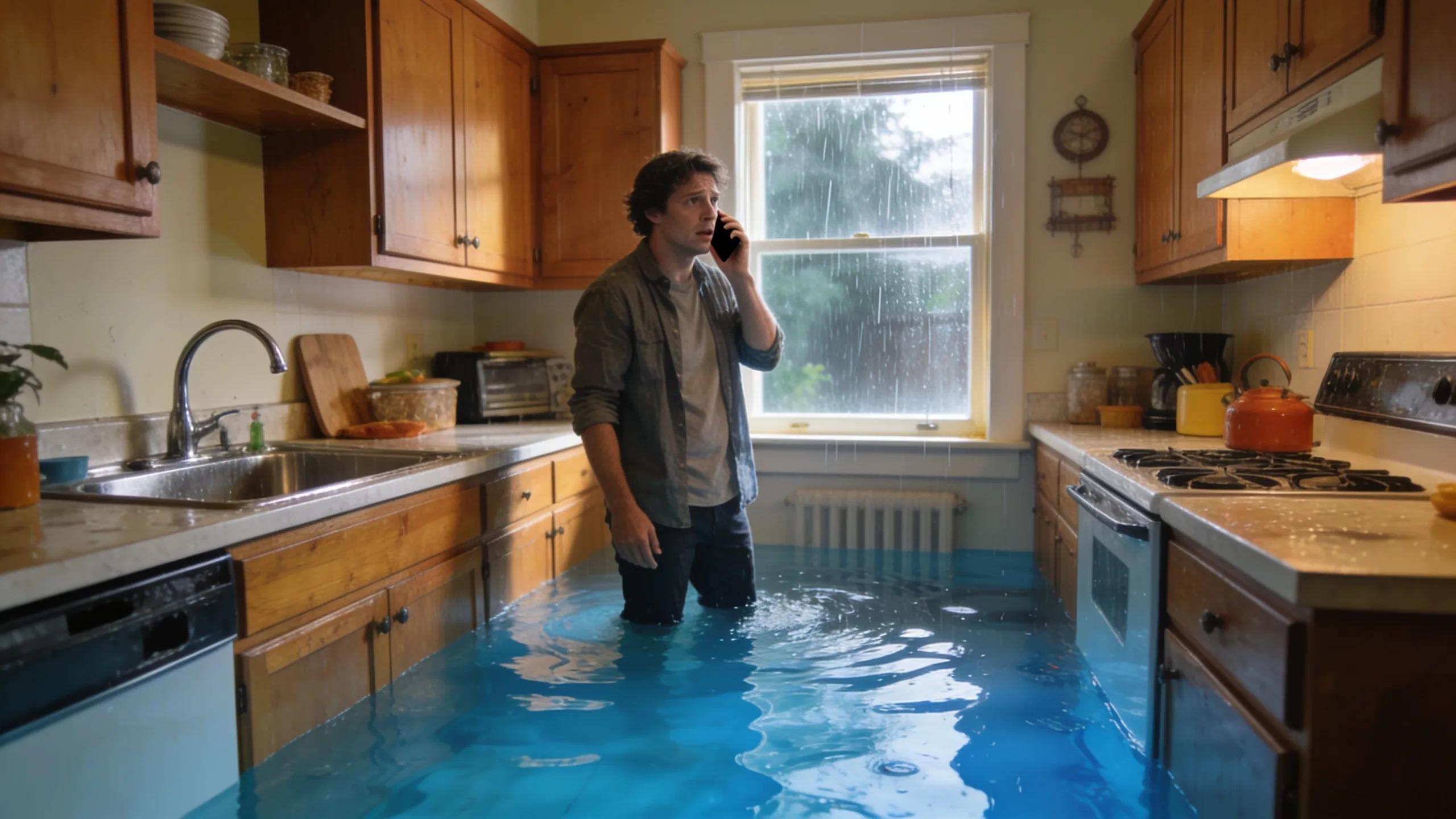
When faced with a plumbing emergency, the key to effective management lies in understanding the situation and acting swiftly. Plumbing emergencies can encompass a variety of issues, such as pipe bursts, severe leaks, or overflowing toilets. These situations can escalate quickly, leading to water damage, mold growth, and costly repairs if not addressed promptly. Quickly identifying the problem, taking safety precautions, and knowing when to contact a professional plumber are vital steps in minimizing damage and restoring your plumbing system. Knowing these procedures not only saves time but can also prevent extensive property damage.
Immediate Actions to Take:
During a plumbing emergency, prompt action is essential. Here are the immediate steps to take:
Stay Calm and Assess the Situation:
Remaining calm can make all the difference during a plumbing emergency. Take a moment to assess the situation and identify the type and severity of the issue. Ask yourself questions like: What kind of emergency am I dealing with? Are there any immediate dangers, such as electrical hazards or extensive flooding? Being calm and collected enables effective decision-making and prevents chaos during these stressful situations.
Shut Off the Main Water Supply:
One of the first actions you should take in a plumbing emergency is to shut off the main water supply. This crucial step stops water from continuing to flood your home. You can typically find the main shutoff valve in the basement, near the water meter, or in an outdoor area. Turn the valve clockwise to close it, effectively halting any incoming water flow and allowing you to address the issue without exacerbating the water damage.
Contain the Water:
After shutting off the water supply, it’s crucial to contain any flooding or leaks to minimize damage. Use buckets or towels to catch pooling water and prevent it from spreading. If possible, move valuables and furniture away from the affected area to protect them from water damage. By taking these steps, you’ll reduce the risk of long-term damage to your property and belongings.
Document the Issue:
Documenting the issue during a plumbing emergency is important for insurance claims and repairs. Take photographs of the affected areas, the water source, and any damage incurred. Jot down details of the incident, such as the time it started and any actions you took. This documentation will be invaluable when communicating with your insurance company or a plumber.
Call for Professional Help:
Once you’ve contained the immediate issue, it’s time to call for professional help. If the problem is severe, such as a burst pipe or extensive flooding, don’t hesitate to contact emergency plumbing services. Identify trusted local plumbing professionals, such as Wet Spot Plumbing, who specialize in handling plumbing emergencies quickly and efficiently. Providing clear and concise information about the situation will help them assess the urgency and send appropriate help promptly.
Tools to Use:
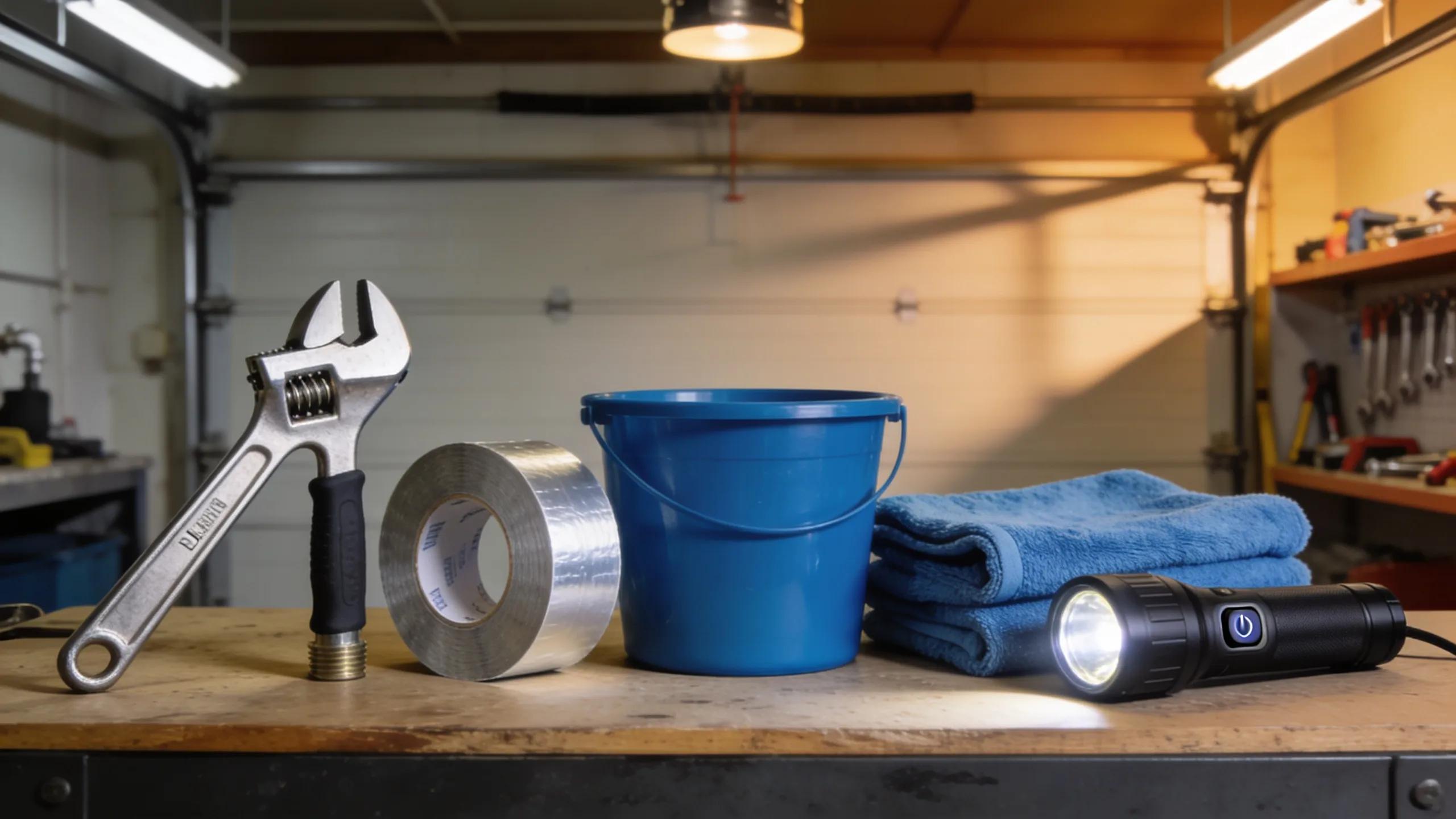
Having the right tools can make a significant difference during a plumbing emergency. Here are some essential tools that every homeowner should have on hand:
- Pipe Wrench: A pipe wrench allows you to tighten or loosen plumbing fittings effectively.
- Plumber’s Tape: This helps seal pipe connections to prevent leaks during repairs.
- Bucket: A simple bucket can catch drips and leaks to contain water.
- Towels: Towels are invaluable for soaking up water and protecting your floors.
- Flashlight: In case of power outages, a flashlight allows you to see what you’re doing.
By having these tools readily available, you will be better prepared to handle minor plumbing issues before they escalate.
Strategies to Prevent Further Damage:
Recognizing and implementing strategies to prevent additional damage during a plumbing emergency is essential. Here are some effective methods:
- Shut off the water supply promptly to minimize flooding.
- Move any furniture or belongings away from the affected area.
- Use towels and buckets to contain and absorb excess water.
- Ventilation is key; allow air to circulate to reduce humidity and prevent mold growth.
- Monitor the situation until professional help arrives to identify any further issues.
These proactive measures not only protect your property but also streamline the repair process.
Preparation Tips:
Being prepared for plumbing emergencies can save homeowners time and stress. Here are some tips to consider:
- Create an Emergency Contact List: Include local plumbers, emergency services, and insurance contacts for quick reference.
- Invest in a Plumbing Emergency Kit: Stock it with essential tools and supplies, including plumber’s tape, wrenches, and towels.
- Know Your Main Water Shutoff Location: Familiarize yourself with where the main water shutoff valve is located to act quickly in emergencies.
Preparation is key to efficient management during any plumbing crisis.
How Can You Identify a Plumbing Emergency Quickly at Home?
Being able to identify a plumbing emergency is crucial for timely intervention. Typical signs of plumbing emergencies include:
- Unexplained water pooling or flooding in unexpected areas.
- Gushing water from pipes or fixtures, indicating a burst pipe.
- Sewage backup in drains, indicating a clog in the sewer line.
- Persistent dripping or leaking that worsens over time.
Recognizing these signs early can enable you to take swift action to minimize damage and protect your home.
What Common Signs Indicate a Water Leak or Pipe Burst?
Identifying water leaks or pipe bursts is critical to preventing serious damage. Here are common signs to look for:
- Water stains on walls or ceilings: Discoloration may indicate hidden leaks.
- Increased water bills: A sudden spike in your bill can signify an ongoing leak.
- Mold growth: Moisture accumulation often leads to mold, indicating a water issue.
- Unusual sounds: Water running when not in use can suggest a leak.
Being aware of these signs can save you significant repair costs.
How Can You Use Home Leak Detection Techniques Effectively?
Detecting leaks early can prevent larger issues down the line. Here are some techniques to identify leaks at home effectively:
- Visual Inspection: Regularly check under sinks, around toilets, and near appliances for water accumulation.
- Meter Check: Monitor your water meter for any unexpected fluctuations when water isn’t in use.
- Moisture Detection: Use moisture meters to detect high humidity levels in walls or floors.
Implementing these techniques can help you catch potential leaks before they lead to severe problems.
What Is the Proper Way to Shut Off Your Main Water Valve in an Emergency?
Understanding how to shut off your main water valve in an emergency is essential. Here’s how to do it correctly:
- Locate the valve: It’s usually near the water meter or where the water line enters your home.
- Turn the valve clockwise: Rotate it until it stops; this will shut off the flow of water.
- Test the water: Confirm that the water supply is indeed cut off.
Following these steps will help ensure you can stop water flow promptly in emergencies, preventing further water damage.
Where Is the Main Water Shutoff Valve Typically Located in Central Virginia Homes?
In Central Virginia homes, the main water shutoff valve is usually located in one of the following areas:
- Basement: Near the water heater or main water entrance.
- Crawl Space: Look for a valve close to where pipes enter the living area.
- Outside: Some homes have valves on the exterior near the foundation.
Being aware of the common locations can save valuable time during a plumbing emergency.
What Are the Step-by-Step Instructions to Turn Off the Main Water Supply Safely?
Shutting off your main water supply should be quick and straightforward. Here are step-by-step instructions:
- Locate the shutoff valve: It’s typically found in the basement or crawl space.
- Turn the valve clockwise: This should stop the flow of water.
- Test the faucet: Open a tap to make sure the water has indeed been shut off.
These steps can help safeguard your home from extensive water damage during a plumbing crisis.
Which Temporary Leak Mitigation Methods Can You Apply Before Professional Help Arrives?
While waiting for professional help, several temporary leak mitigation methods can be employed to minimize damage:
- Duct Tape: Wrap around minor leaks to slow the flow until repairs can be made.
- Plastic Wrap: For leaks in pipes, wrapping with plastic can create a temporary barrier to catch water.
- Sealants: Use temporary sealants designed for plumbing repairs to cover leaks until a professional can permanently fix the issue.
These methods serve as stopgap solutions to prevent further damage until professional services are available.
How to Use Household Materials for Temporary Plumbing Leak Repairs
Utilizing household materials can be an effective way to manage minor plumbing leaks. Consider the following options:
- Cloth Rags: Use to soak up drips and slow down leaks.
- Socks or Stockings: Fill with flour and wrap around the leak to absorb water.
- Baking Soda and Vinegar: Can help clear minor blockages temporarily.
Implementing these strategies can manage minor issues until a professional repair is feasible.
When Are Temporary Solutions Appropriate Versus Immediate Professional Repair?
While temporary solutions can be helpful, knowing when to seek professional repair is critical:
- Temporary Solutions: Appropriate for minor leaks or non-urgent issues.
- Immediate Professional Repair: Required for severe leaks, flooding, or burst pipes that pose health and safety hazards.
Understanding this distinction can save you time and prevent extensive damage. When facing severe issues, seeking immediate professional repair is always the safest course of action.
What Safety Precautions Should You Take During a Plumbing Emergency?
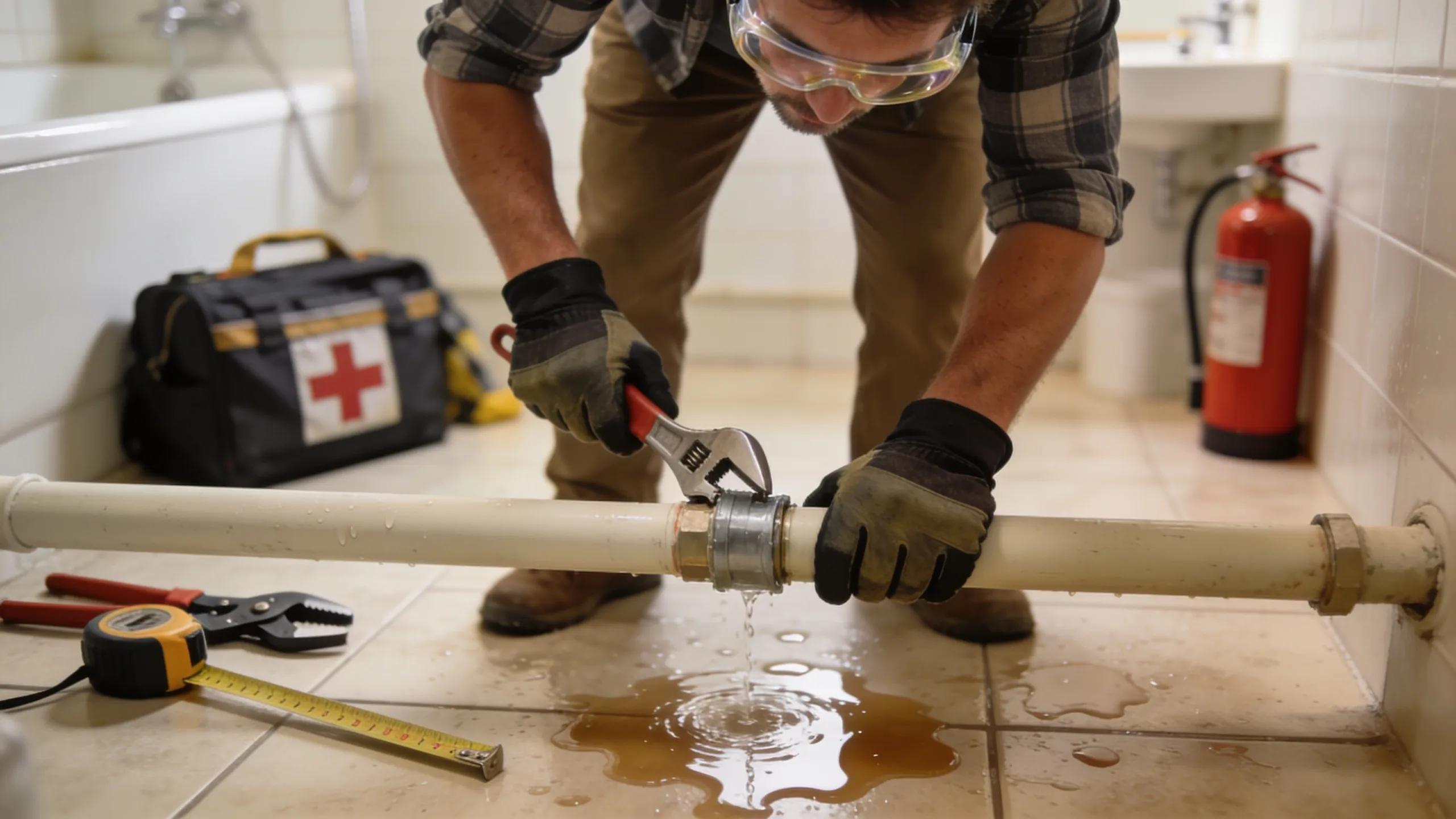
Safety is paramount during any plumbing crisis. Here are crucial safety precautions to follow:
- Turn Off Electricity: If water is near electrical outlets, switch off power to avoid shock hazards.
- Wear Protective Gear: Use gloves and safety goggles to protect yourself when handling repair tools.
- Avoid Slips and Falls: Be cautious of wet surfaces to prevent accidents.
These precautions will keep you safe while managing a plumbing emergency.
How to Protect Yourself and Your Property from Water Damage Risks
Protecting your property is vital in preventing water damage during a plumbing emergency. Consider these strategies:
- Move Valuables: Relocate items susceptible to water damage to a safe area.
- Use Containers: Employ buckets and trays to capture dripping water.
- Create Barriers: Use towels or water-absorbent mats to contain any leaks.
Implementing these measures mitigates risks and enhances overall safety during plumbing emergencies.
Which Electrical and Structural Hazards to Avoid During Plumbing Emergencies?
Recognizing potential hazards is essential. Be cautious of the following:
- Exposed Wires: Electrical hazards become critical if water is near wiring or outlets.
- Structure Risks: Loose or damaged flooring due to water pressure must be addressed.
- Potential for Mold Growth: Accumulated moisture can lead to hazardous mold.
Avoiding these hazards ensures a safer environment while addressing plumbing issues.
When and How Should You Contact Emergency Plumbing Services in Central Virginia?
Knowing when to contact professionals can prevent worsening situations. Consider these guidelines:
- Emergency Situations: Call for significant leaks, sewer backups, or flooding.
- Evaluate Damage: If you cannot identify or rectify the problem, it’s best to consult a plumber.
Recognizing the urgency ensures you receive the assistance needed to address serious plumbing problems.
How to Recognize the Right Time to Call Wet Spot Plumbing for Emergency Repair?
Wet Spot Plumbing, known for its effective emergency plumbing services, should be contacted under the following circumstances:
- Persistent Water Leaks: When leaks cannot be contained after initial efforts.
- Overwhelming Flooding: If flooding occurs beyond manageable levels, immediate help is crucial.
- Sewage Backup: This requires urgent professional intervention to protect your health and home.
Understanding these indicators helps ensure you receive timely assistance from their team.
What Information Should You Prepare Before Calling Emergency Plumbing Professionals?
When contacting emergency plumbing services, preparation is key. Have the following information ready:
- Description of the Problem: Clearly explain the situation and what actions you’ve already taken.
- Location of the Issue: Specify where the leak or problem is occurring in your home.
- Contact Information: Have your phone number and address accessible for quick response.
Preparing this information facilitates a speedy setup for the necessary service, enabling quicker resolution.