6 Signs of Plumbing Problems Every Homeowner Should Know
Plumbing issues rarely start with a burst pipe — they usually show up first as small, easy-to-miss clues. Learning the common signs of plumbing issues, from a faucet that won’t stop dripping to water that smells a little off, can help homeowners catch a problem while it’s still a quick fix instead of a costly repair. As a trusted Central Virginia plumber, Wet Spot Plumbing works with homeowners throughout Mineral, Lake Anna, Louisa County, Montpelier, Short Pump, and the rest of Central Virginia, and this guide covers the plumbing warning signs worth paying attention to in every part of the house.
Key Takeaways
Dripping faucets and damp spots are usually the first visible sign of a leak — even a slow drip can waste thousands of gallons a year.
Slow drains and gurgling toilets almost always point to a clog or blockage building somewhere in the line.
Sudden drops in water pressure or discolored water can signal anything from a clogged aerator to a failing pipe or well system issue.
Tank water heaters typically last 8 to 12 years (tankless units can run 15 to 20+ years) — noises, leaks, or inconsistent hot water usually mean the unit is nearing the end of its life.
Banging pipes and sewage odors are rarely just cosmetic — they often mean trapped air, a loose fitting, or a venting problem.
A running toilet or leaky faucet left unfixed can quietly add real money to a water bill, even when nothing looks obviously wrong.
Dripping faucets and damp spots are usually the first visible sign of a leak — even a slow drip can waste thousands of gallons a year.
Slow drains and gurgling toilets almost always point to a clog or blockage building somewhere in the line.
Sudden drops in water pressure or discolored water can signal anything from a clogged aerator to a failing pipe or well system issue.
Tank water heaters typically last 8 to 12 years (tankless units can run 15 to 20+ years) — noises, leaks, or inconsistent hot water usually mean the unit is nearing the end of its life.
Banging pipes and sewage odors are rarely just cosmetic — they often mean trapped air, a loose fitting, or a venting problem.
A running toilet or leaky faucet left unfixed can quietly add real money to a water bill, even when nothing looks obviously wrong.
What Are the Most Visible Signs of Water Leaks in Your Home?
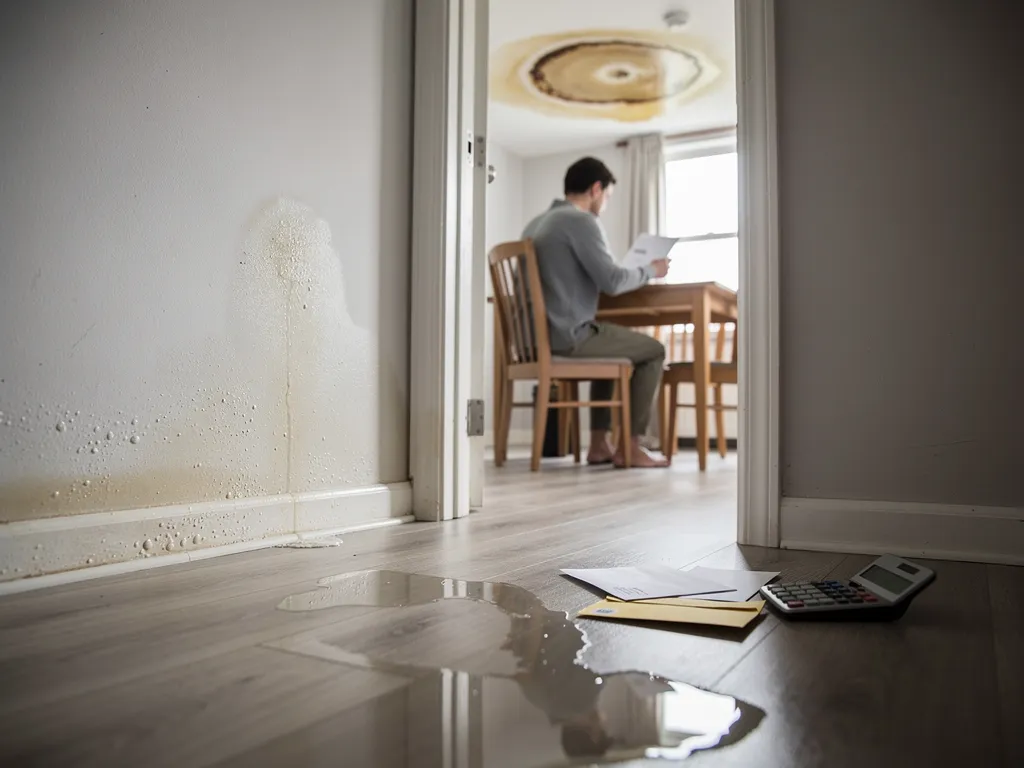
The most visible water leak signs are pooling water, damp or discolored patches on walls, floors, or ceilings, and a water bill that climbs without an obvious reason. These clues usually show up well before a leak becomes a serious problem, which is exactly why they’re worth checking out right away.
How Can Dripping Faucets and Puddles Indicate Plumbing Leaks?
A dripping faucet is often caused by a worn washer, O-ring, or valve cartridge — a small, inexpensive part that’s simple to replace before it gets worse. It adds up faster than most homeowners expect: according to the EPA’s WaterSense program, a faucet dripping at just one drip per second can waste more than 3,000 gallons of water a year. Puddles that show up under a sink, around the base of a water heater, or near an appliance connection are a different signal — usually a loose supply line or failing connection rather than a fixture issue, and worth a closer look.
What Do Water Stains and Mold Growth Reveal About Hidden Leaks?
Yellow or brown stains on a ceiling, peeling paint, warped flooring, or a musty smell that won’t go away are all signs of a hidden leak — often inside a wall, under a floor, or above a ceiling where it’s been slowly doing damage out of sight. Mold growth is a stronger warning sign than most homeowners realize, since it typically needs sustained moisture to take hold. The longer a hidden leak goes unaddressed, the more likely it is to lead to structural repairs and mold remediation on top of the original plumbing fix.
How Do Drainage Problems Signal Plumbing Issues Homeowners Should Know?
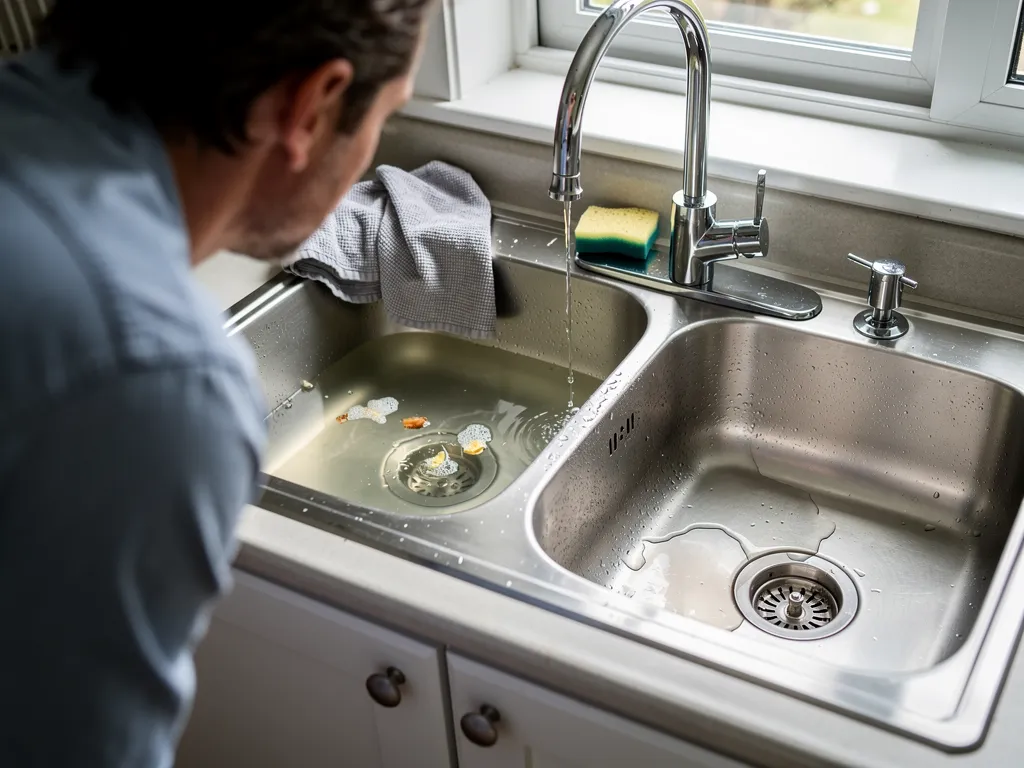
Slow drains, gurgling sounds, and backups are the plumbing system’s way of saying a clog is forming somewhere in the line — sometimes in a single fixture, sometimes further down where it affects the whole house. Catching it early usually means a straightforward drain cleaning instead of an emergency call.
What Causes Slow-Draining Sinks and Bathtubs?
Grease, hair, soap scum, and mineral buildup are the most common slow drain causes behind a sluggish sink or tub. These build up gradually along the inside of the pipe, narrowing the space water has to pass through, until what used to drain in seconds starts taking minutes. A slow drain that shows up in more than one fixture at the same time is usually a sign the clog is further down the line rather than isolated to one spot.
Why Do Toilets Gurgle or Back Up, and What Does It Mean?
A gurgling toilet usually means air is escaping past a partial clog somewhere in the drain or vent system. If gurgling shows up in a toilet right after running a washing machine or dishwasher, or if more than one drain backs up around the same time, it often points to a blockage in the main sewer line rather than an isolated fixture problem — something Wet Spot Plumbing’s rooter and sewer line services are built to handle.
What Are the Common Indicators of Low Water Pressure and Poor Water Quality?
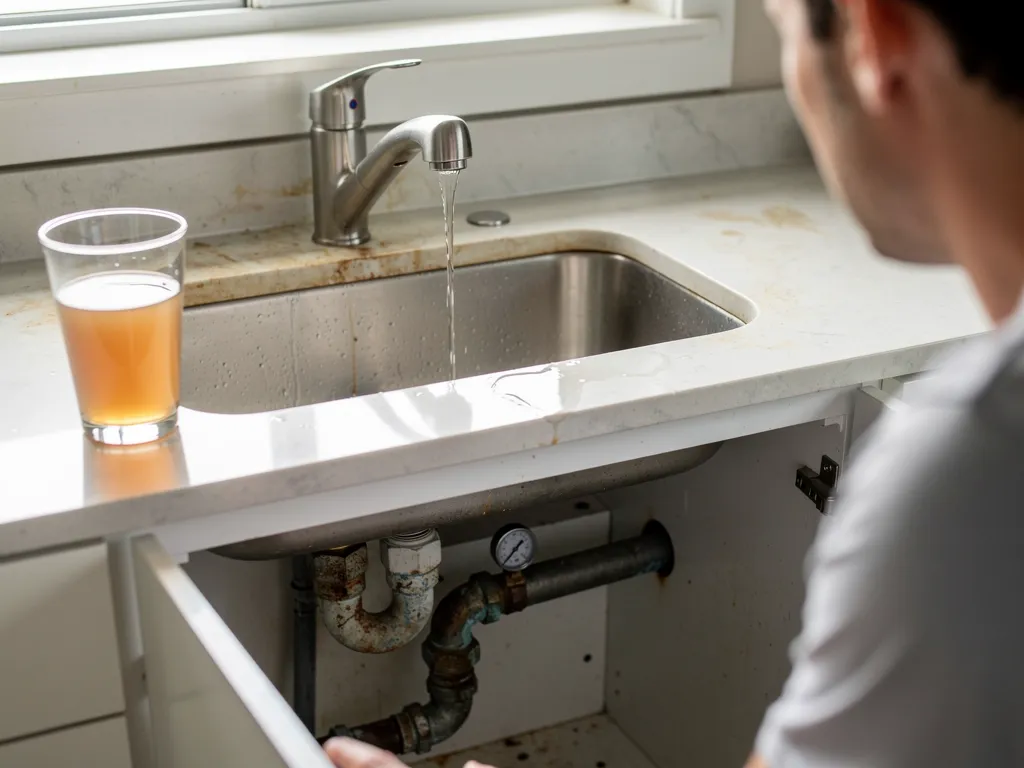
Low water pressure causes and water that looks or smells different than usual almost always trace back to a specific, findable source — from a clogged aerator to a failing pressure tank, corroded pipe, or well system issue. Neither problem tends to fix itself.
How Can Sudden Drops in Water Pressure Point to Plumbing Faults?
If low pressure affects a single faucet, the aerator or fixture is the likely cause. If it affects the whole house, it’s worth checking further — for homes on a well system, a failing pressure tank or well pump is a common culprit, and for homes on municipal water, it can point to a hidden leak or a corroding pipe restricting flow. A pressure drop that happens suddenly, rather than gradually over months, is more likely to mean an active leak somewhere in the system.
What Does Discolored or Bad-Smelling Water Say About Plumbing Health?
Rusty or brown water often means corrosion inside aging pipes or sediment buildup inside a water heater tank. A rotten-egg smell is a different issue — it’s frequently related to the water heater’s anode rod reacting with sulfur-containing water, especially common on well systems. Either sign is worth having tested, and it’s part of why water testing and filtration are among the services Wet Spot Plumbing provides for Central Virginia homes on well water.
What Are the Warning Signs That Your Water Heater May Be Failing?
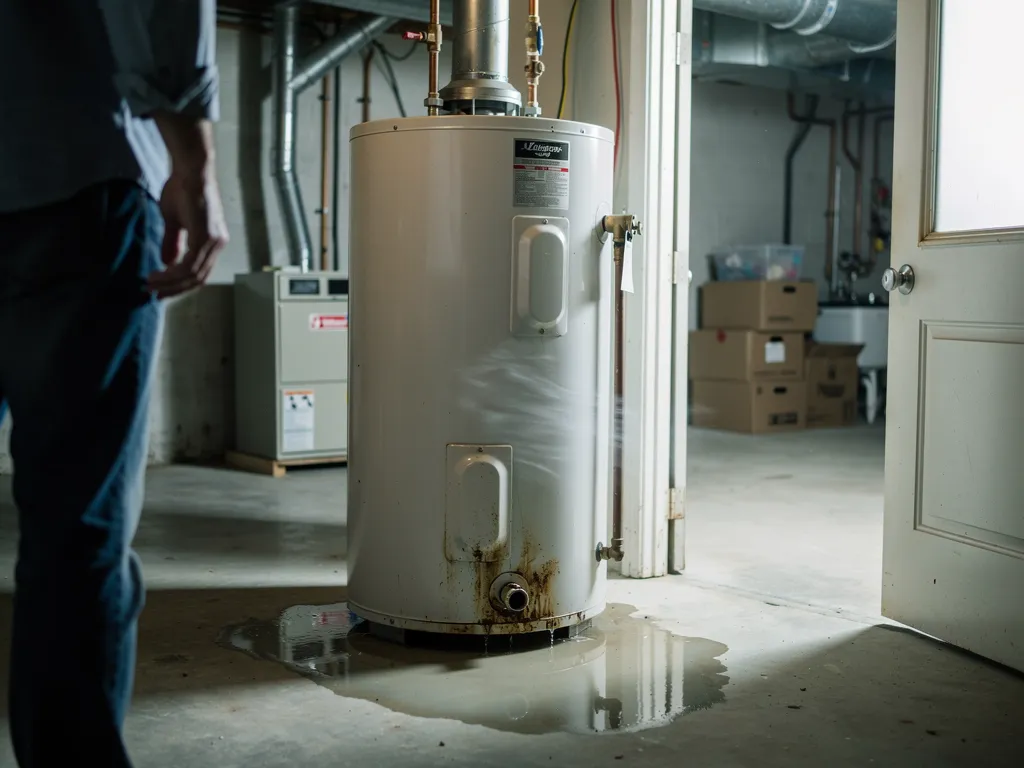
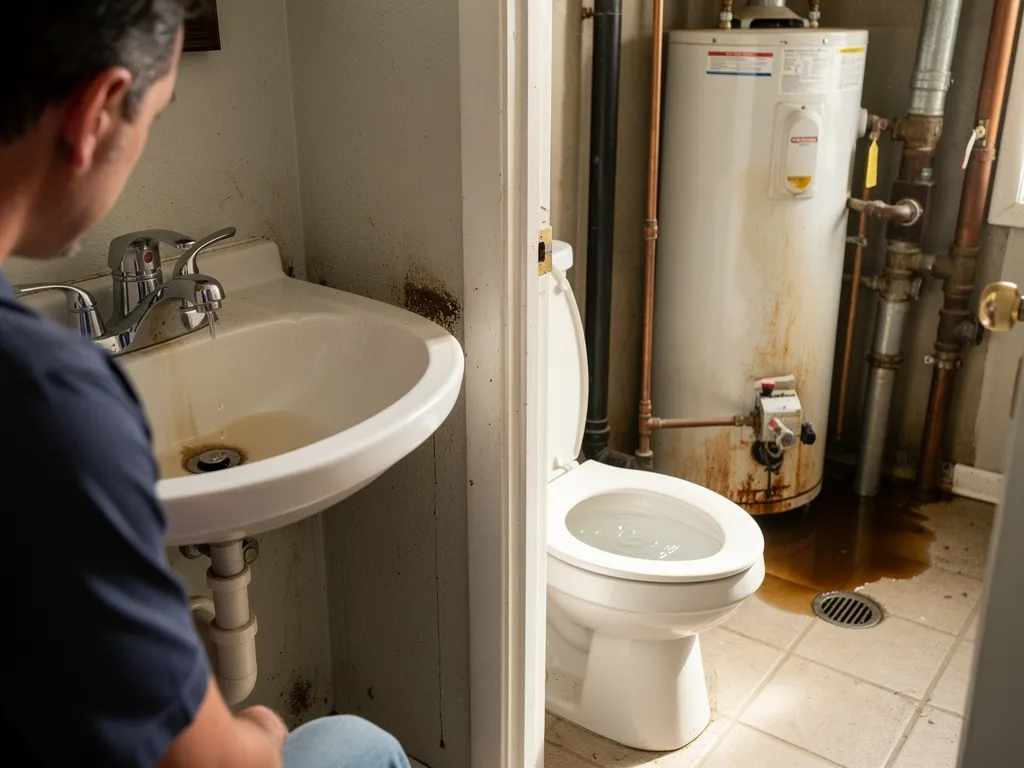
Rumbling or popping noises, water pooling at the base of the unit, and hot water that comes out inconsistent or lukewarm are the most common signs a water heater is on its way out — especially once the unit is past the typical 8- to 12-year lifespan of a standard tank water heater (tankless units are built to last longer, often 15 to 20 years or more with regular maintenance).
How Do Noises, Leaks, and Temperature Fluctuations Indicate Water Heater Trouble?
Rumbling or popping sounds usually mean sediment has built up at the bottom of the tank, which makes the unit work harder and can shorten its lifespan. A leak at the base or around a fitting often means the tank itself is corroding from the inside, which isn’t something that can be patched — it means the unit needs replacing. Water that swings between hot and lukewarm typically points to a failing heating element or thermostat, which is sometimes repairable depending on the age of the unit.
What Steps Should Homeowners Take When Hot Water Is Inconsistent or Absent?
Start with the basics: check the breaker or gas supply, and note how old the unit is. A water heater nearing or past its expected lifespan is usually more cost-effective to replace than repair, especially if multiple issues are showing up at once. Wet Spot Plumbing installs and repairs both traditional tank units and tankless water heaters, so homeowners weighing a repair against a replacement can get an honest read on which makes more sense for their situation.
What Do Unusual Sounds and Odors From Plumbing Systems Mean?
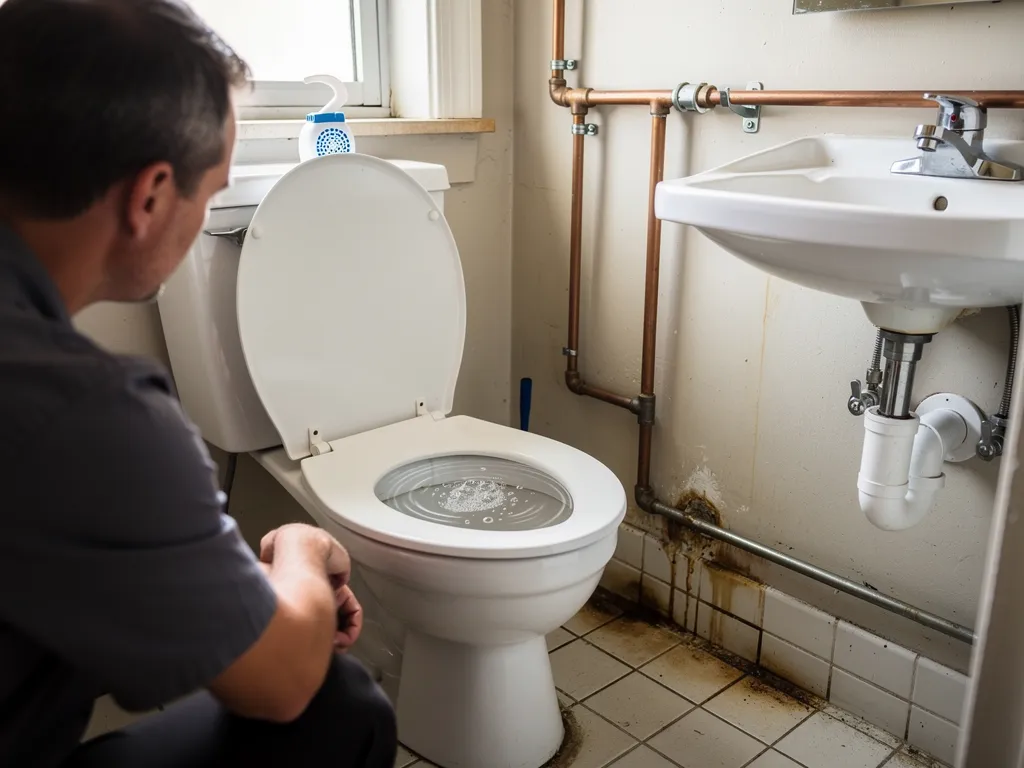
Banging pipes, gurgling drains, and sewage-like smells are the plumbing system’s way of flagging trapped air, a loose fitting, or a venting problem. None of these are just cosmetic — left alone, a minor issue like this can turn into a bigger repair.
Why Do Pipes Bang or Hammer and What Does That Indicate?
That banging sound — often called water hammer — usually happens when a valve or appliance shuts off water flow quickly, sending a shockwave through the pipes. It can also mean a pipe strap has come loose and the pipe is knocking against a wall or joist when water moves through it. Occasional hammering isn’t an emergency, but over time it can loosen fittings and shorten the life of connected appliances.
What Causes Sewage Smells or Gurgling Noises in Plumbing?
A sewage smell often means a P-trap has dried out — common in a drain that isn’t used often, like a guest bathroom or basement floor drain — which lets sewer gas rise back up through the pipe. It can also mean a blocked vent stack or an issue further down the sewer line. A sewage odor that keeps coming back after simply running water isn’t something to wait out; it’s worth having a plumber take a look.
How Can Faulty Fixtures Like Running Toilets and Leaky Faucets Affect Plumbing?
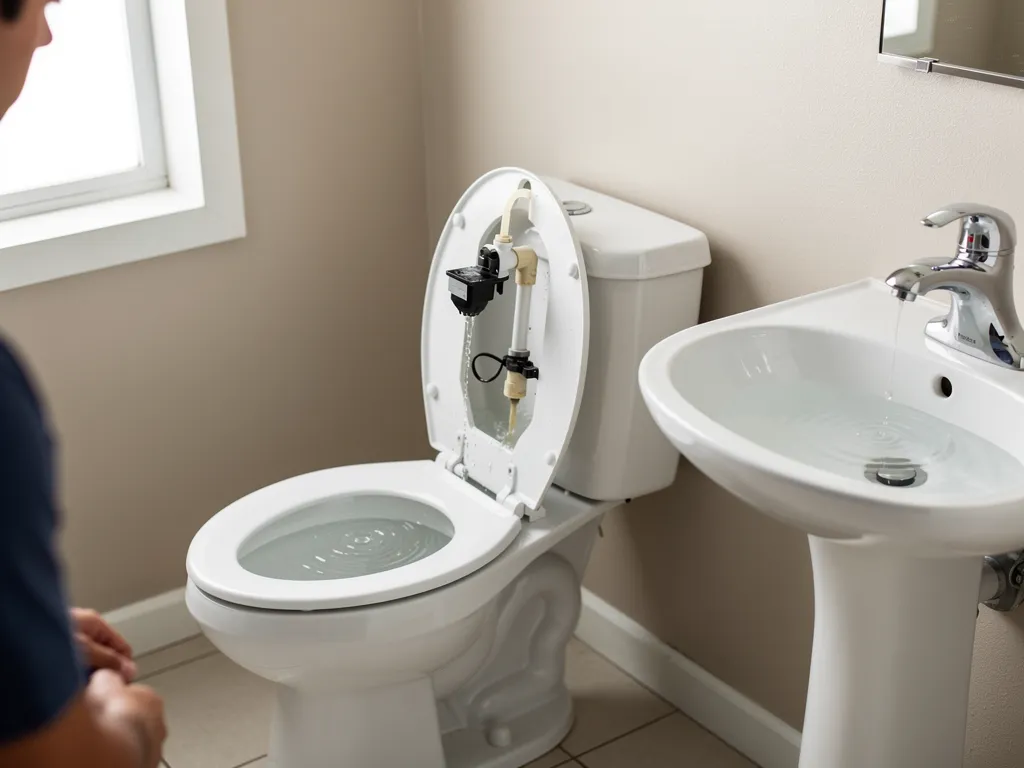
A running toilet or a dripping faucet might seem like a minor annoyance, but left alone they waste water around the clock — and they usually point to a worn, inexpensive part that’s simple to replace before it fails completely.
What Are the Signs of Running Toilets and How Do They Impact Water Use?
A toilet that keeps making a filling or hissing sound after the tank should be full, or one that occasionally runs on its own with no one nearby (“phantom flushing”), usually means the flapper or fill valve has worn out and isn’t sealing properly anymore. It’s a small part, but a running toilet left unfixed can quietly waste a surprising amount of water every day — often enough to show up as a real jump on the next water bill.
How Can Homeowners Detect and Address Dripping or Faulty Faucets?
The easiest way to catch a dripping faucet is simply listening for it at night, when the house is quiet — a drip that’s hard to notice during the day is usually obvious once things are silent. Most drips trace back to a worn washer, O-ring, or cartridge inside the faucet. If a homeowner replaces the obvious part and the faucet still drips, it usually means the valve seat itself is worn, which is a straightforward fix for a licensed plumber.
Frequently Asked Questions
How urgent is a slow leak compared to an emergency plumbing issue? A slow leak isn’t usually a same-day emergency, but it shouldn’t sit for long either. Left alone, small leaks can lead to water damage, mold, and higher water bills, so it’s worth having it looked at within a few days rather than waiting for it to get worse.
Can I fix a running toilet myself, or should I call a plumber? Replacing a flapper or fill valve is a common DIY fix and doesn’t require special tools. If the toilet keeps running after a new flapper is installed, or if the issue keeps coming back, that usually points to a bigger problem worth having a plumber diagnose.
How much does it typically cost to fix a common plumbing issue like a leak or clog? Cost depends on the scope of the repair, the fixture involved, and how accessible the pipe or connection is. Wet Spot Plumbing provides upfront estimates before any work begins, so homeowners know the cost before agreeing to a repair.
When should I call an emergency plumber instead of waiting for a scheduled appointment? Active flooding, a burst pipe, sewage backing up into the home, or a complete loss of water are all reasons to call right away rather than wait. Wet Spot Plumbing offers 24/7 emergency service, including major holidays, at (540) 500-1272 for situations that can’t wait.
How can I tell if it’s time to replace my water heater instead of repairing it? Age is the biggest factor — a tank water heater nearing or past 8 to 12 years old is generally more cost-effective to replace than repair, especially if it’s showing more than one warning sign at once, like rumbling, leaking, and inconsistent temperatures together.
Noticing more than one of these signs at home? Wet Spot Plumbing serves homeowners across Mineral, Lake Anna, Louisa County, Montpelier, Short Pump, and the rest of Central Virginia — call (540) 500-1272 for an upfront estimate before a small plumbing problem turns into a bigger one.