Tankless Water Heater Installation Process | Wet Spot Plumbing
A tankless water heater installation starts with sizing the unit to a home’s actual hot water demand, then checking whether the existing gas line, venting, and electrical can support it before any work begins. We handle water heater installation and replacement for homes across Mineral, Louisa, Lake Anna, and the rest of Central Virginia, and walking through each step up front is what keeps a job from turning into a surprise mid-installation.
What Happens During the Initial Home Assessment and Sizing for a Tankless Water Heater?
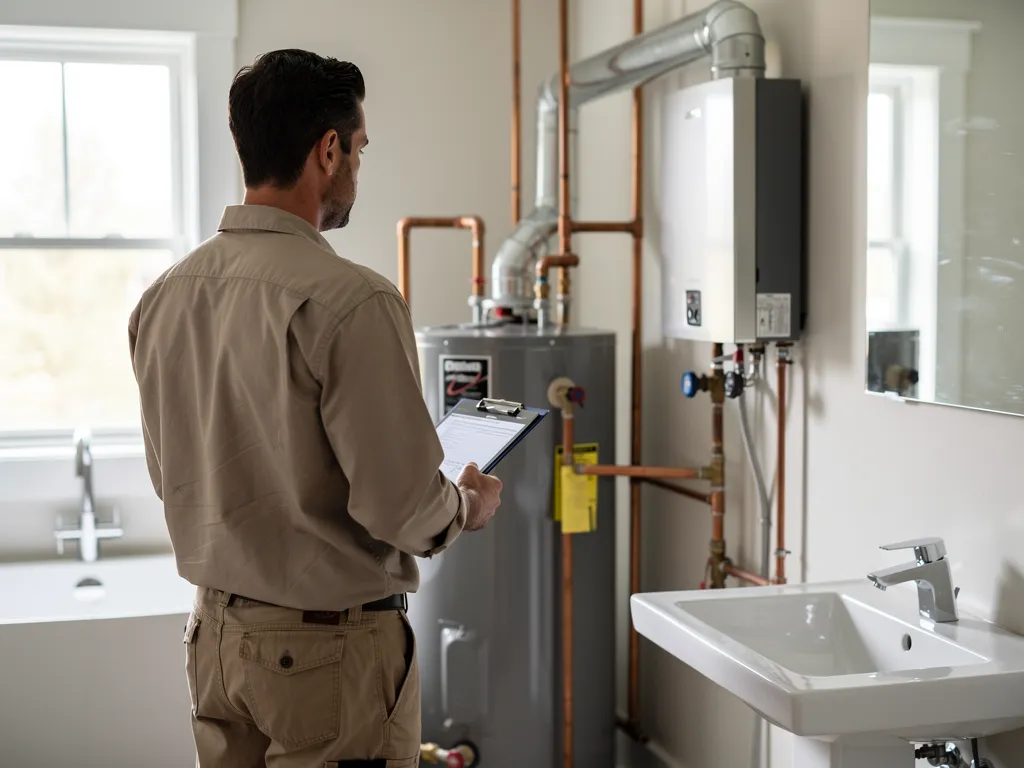
Every installation starts with a technician looking at the home’s hot water fixtures, current setup, and how the household actually uses hot water, before recommending a specific unit.
How Does Wet Spot Plumbing Calculate Peak Flow Rate and BTU Requirements?
Sizing comes down to two numbers: how much hot water the household could realistically demand at once, measured in gallons per minute, and how much heating that water needs based on the home’s incoming water temperature. Those two figures combine into a BTU requirement that the recommended unit has to meet, so the assessment looks at actual fixture count and usage patterns rather than a generic household-size guess.
Why Are Accurate Sizing and Code Compliance Crucial for Installation Success?
An undersized unit struggles to keep up with real household demand, while an installation that doesn’t meet local code requirements can run into problems at inspection. Getting both right from the assessment stage is what keeps the rest of the installation from running into complications later.
Why Does Installing a Tankless Water Heater Require Upgrading Your Home Infrastructure?
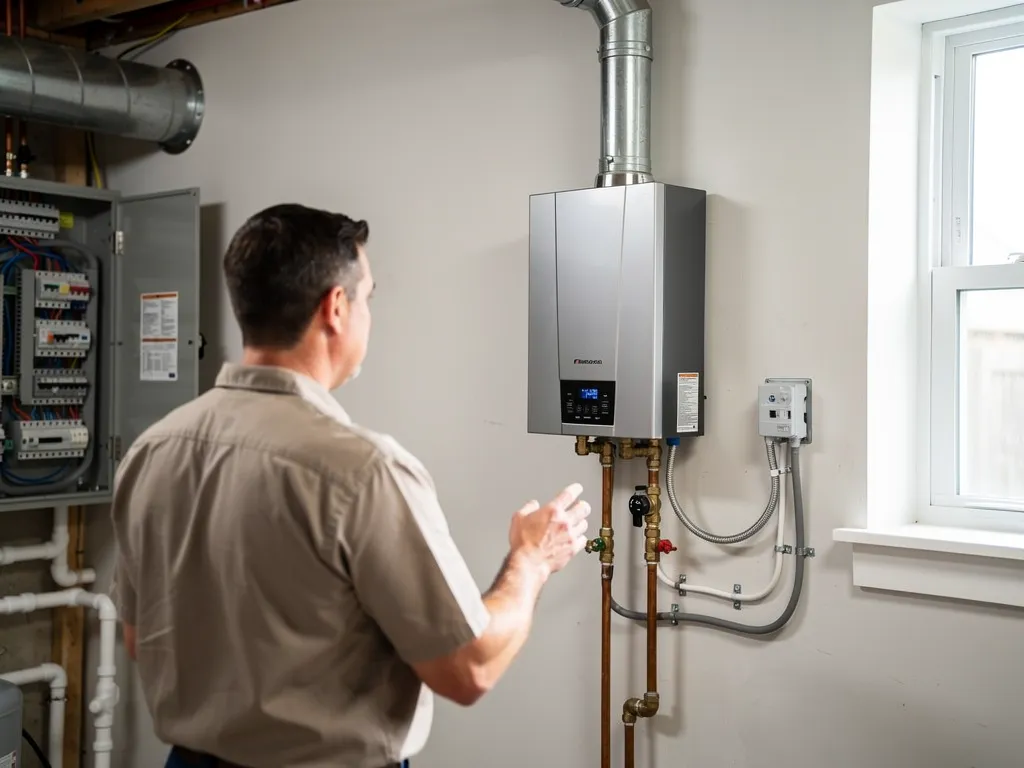
A tankless unit often has different gas, venting, or electrical requirements than the tank it’s replacing, so part of the assessment is figuring out what, if anything, needs to be upgraded to support it.
What Are the Gas Line Upsizing Requirements for High-BTU Tankless Units?
A higher-BTU tankless unit frequently needs more gas flow than a standard tank water heater did, which can mean upsizing the gas line to meet the new unit’s manufacturer requirements. This gets checked during the assessment, not assumed, since not every home’s existing gas line is sized for a larger tankless unit.
How Does Wet Spot Plumbing Configure Direct Venting and Condensate Neutralization?
Tankless units typically use a sealed combustion, direct-vent setup, with separate intake and exhaust piping routed to the exterior. Condensing units also produce acidic condensate as part of normal operation, which needs to run through a neutralizer before it’s drained, protecting the home’s plumbing from that acidity over time. Getting the venting routed correctly and the condensate system set up properly are both part of a code-compliant installation.
How Is the Old Water Heater Removed and the Installation Space Prepared?
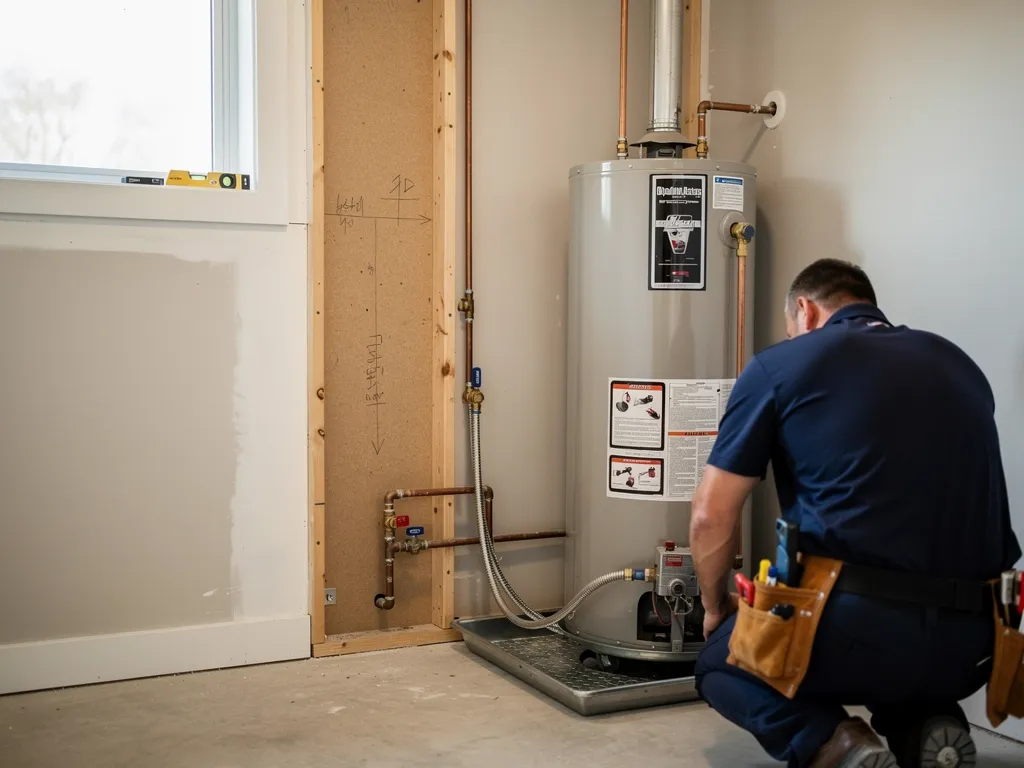
Before the new unit goes in, the old one has to come out, and the space it’s leaving behind often needs some preparation for a wall-mounted unit.
What Steps Are Involved in Safely Disconnecting and Removing the Existing Heater?
Removing the old unit starts with shutting off its water, gas or electrical supply, and draining any remaining water from the tank before disconnecting the lines and removing it from the space. Any tank unit that’s been in place a while can have buildup or corrosion at its connections, so this step gets handled carefully to avoid water damage during removal.
How Does Wet Spot Plumbing Minimize Disruption During Space Preparation?
Once the old unit is out, the space gets prepared for the new wall-mounted unit, which can mean running new lines to the mounting location, patching where the old tank’s connections were, and confirming the mounting surface can support the new unit. We plan this part of the job during the initial assessment so it doesn’t turn into a surprise on installation day.
How Does Wet Spot Plumbing Perform Precise Mounting and Plumbing Connections?
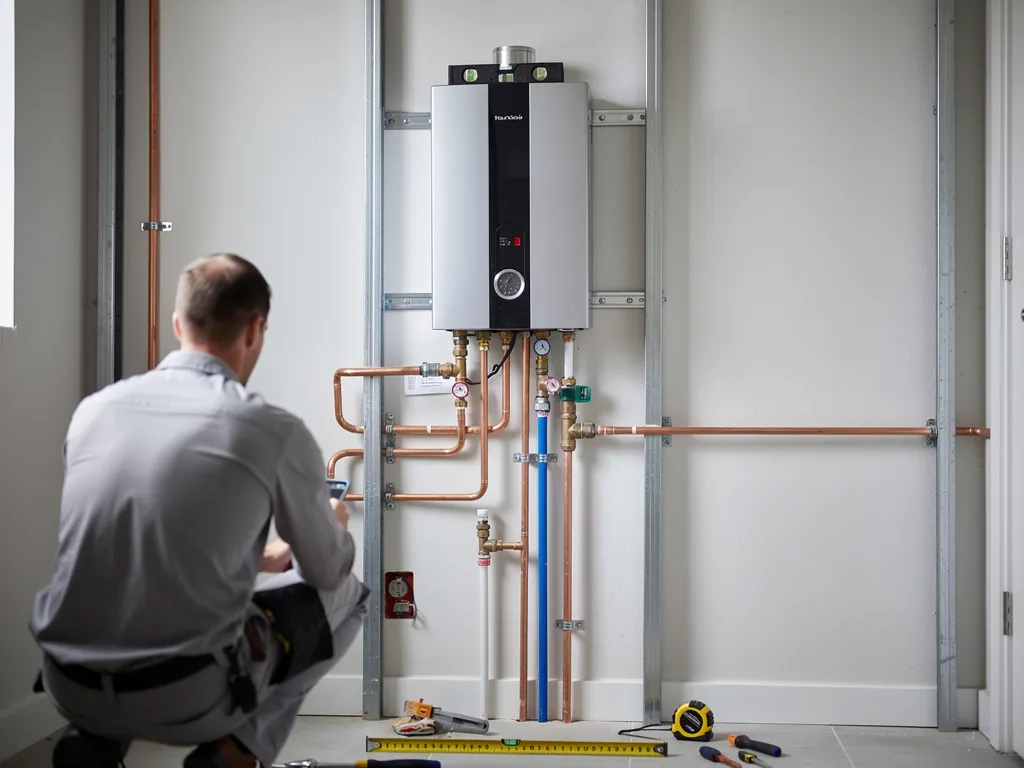
With the space prepared, the new unit gets mounted and connected, which is where accuracy in the earlier sizing and infrastructure steps actually pays off.
What Isolation Valves and Safety Devices Are Installed During Connection?
Isolation valves get installed on both the hot and cold lines if they aren’t already in place, which is what makes future flushing and maintenance possible without shutting down the whole system. Pressure relief and other manufacturer-required safety devices get installed as part of the same connection work.
How Are Gas, Water, and Electrical Lines Expertly Connected in Installation?
Gas, water, and any required electrical connections get made according to the manufacturer’s specifications and local code, with each connection checked for a secure, leak-free fit before moving on to testing. This is the stage where the earlier gas line and venting upgrades, if any were needed, actually come together with the unit itself.
What Is Involved in the Final System Commissioning and Homeowner Walkthrough?
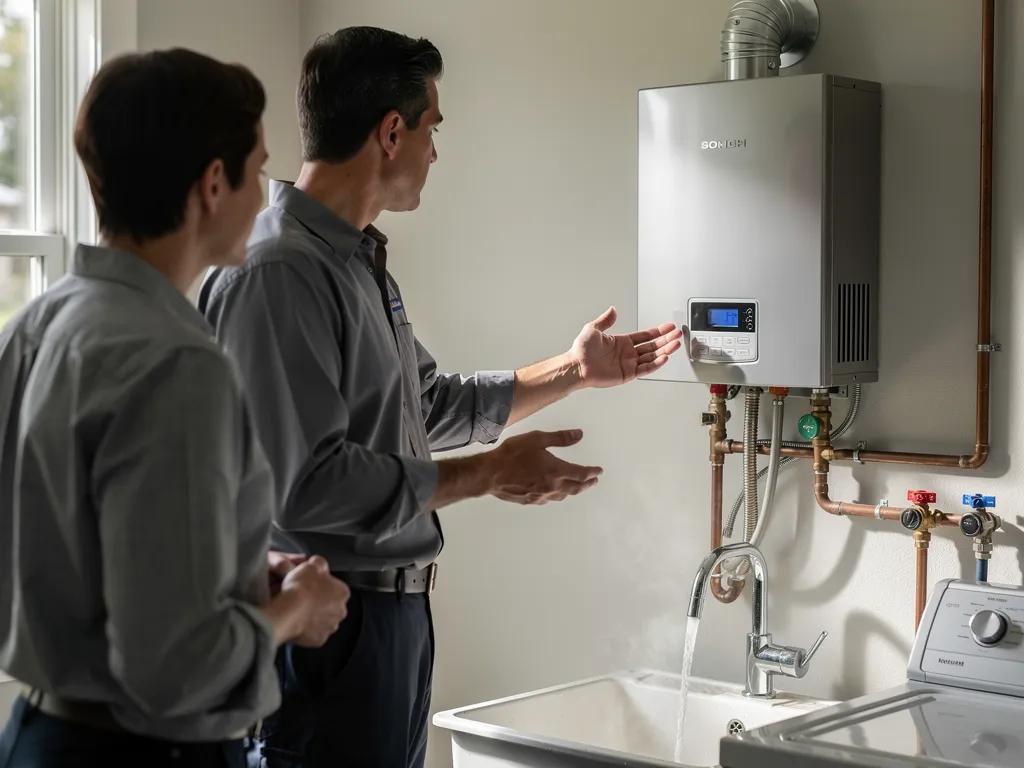
Once everything’s connected, the installation isn’t finished until the system has been tested and the homeowner understands how to use it.
How Does Wet Spot Plumbing Conduct Pressure Testing and Safety Checks?
Pressure testing confirms there are no leaks on the water side, while a combustion and gas leak check confirms the gas connections and venting are operating safely on a gas unit. The unit gets run through a test cycle to confirm it’s heating properly and holding the set temperature before the job is considered complete. Calling (540) 500-1272 gets this whole process scheduled with a technician who handles sizing through final testing as one coordinated job.
What Key Information Is Provided to Homeowners During the Walkthrough?
Before leaving, a technician walks through how to operate the unit, what the display and any error indicators mean, where the isolation valves are for future maintenance, and what a basic annual flushing schedule looks like going forward.
Can I Install a Tankless Water Heater Myself or Should I Hire Professionals Like Wet Spot Plumbing?
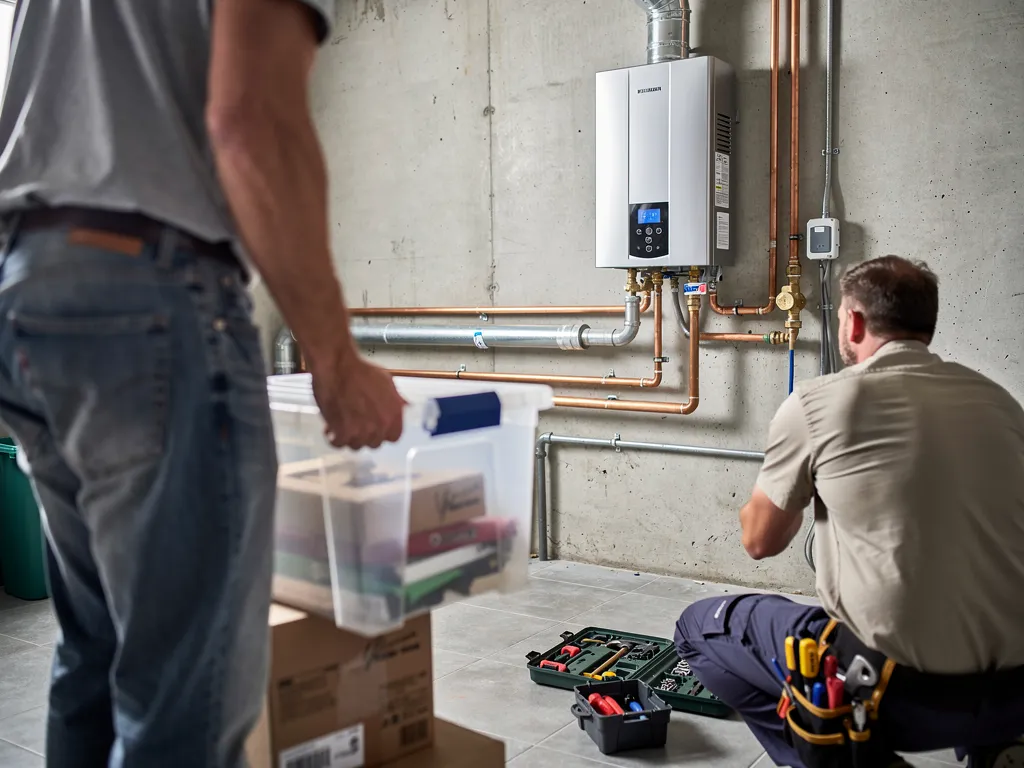
Some of the groundwork, like clearing the installation space, is reasonable for a homeowner to handle, but the gas, venting, and electrical work involved in a tankless installation carry real risks if they’re not done correctly.
What Are the Risks of DIY Tankless Water Heater Installation?
Improper venting on a gas unit creates a real carbon monoxide risk, and a mishandled gas connection carries its own safety concerns. Electrical work that doesn’t meet code can also create a fire hazard. Beyond the safety side, most manufacturers require professional installation to keep the unit’s warranty valid, so a self-install can end up voiding coverage even if nothing goes wrong during the job itself.
How Does Professional Installation Ensure Energy Efficiency and Compliance?
A correctly sized, correctly vented, and correctly connected unit runs the way it’s designed to, both in terms of efficiency and safety, and passes the inspection that a permitted installation typically requires. Getting all of that right the first time is what professional installation is really protecting against, beyond just the labor itself. Our tankless installation at Lake Anna write-up walks through what that looked like for one Central Virginia property, start to finish.
Frequently Asked Questions
How long does a tankless water heater installation take? A straightforward swap, where the existing gas line, venting, and electrical already support the new unit, can often be completed in a single visit. A job that requires gas line upsizing, new venting, or electrical upgrades takes longer, which is accounted for in the written estimate.
Can I install a tankless water heater myself? It’s not recommended. Tankless installation involves gas, venting, and sometimes electrical work where mistakes carry real safety risks, and a self-install can void the manufacturer’s warranty, which generally requires professional installation to stay valid.
Does a tankless water heater always need a bigger gas line? Not always, but many higher-BTU tankless units need more gas flow than the tank unit they’re replacing, which can mean upsizing the gas line to meet the manufacturer’s requirements. A technician checks this during the initial assessment rather than assuming the existing line is sufficient.
What happens during the final walkthrough after installation? After pressure testing and safety checks are complete, a technician walks the homeowner through how to operate the unit, what the display and any error codes mean, and what basic maintenance, like annual flushing, looks like going forward.
No nonsense, just predictable comfort, from the first assessment to the final walkthrough. If you’re ready for a tankless installation in Mineral, Louisa, or the Lake Anna area, call (540) 500-1272 and we’ll handle sizing, upgrades, and setup as one coordinated job.