Water Heater Installation & Repair in Zion Crossroads: Essential Information for Homeowners
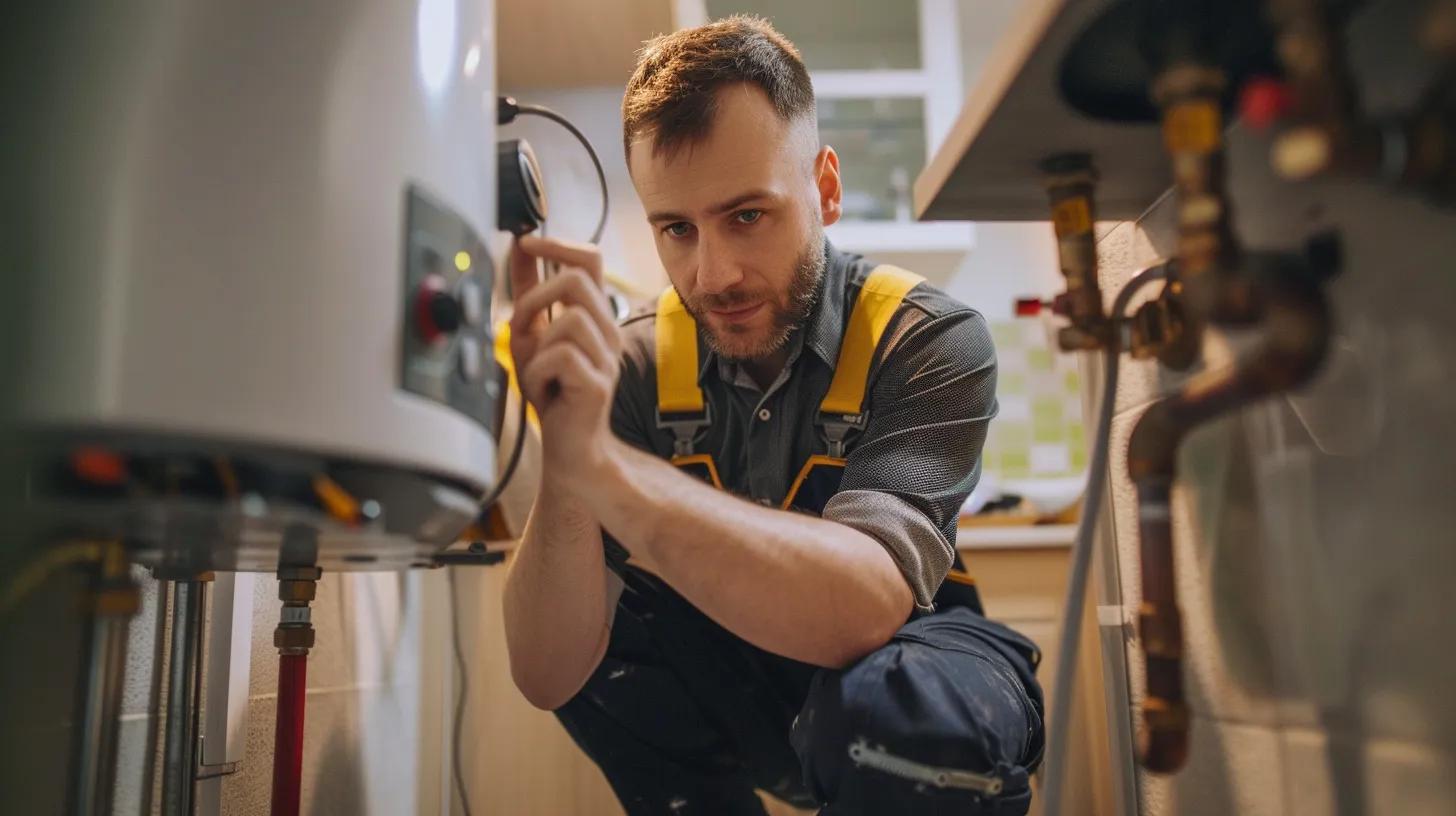
Water heaters are essential appliances in any home, providing hot water for various needs such as bathing, cooking, and cleaning. Understanding the installation and repair processes for water heaters is crucial for homeowners in Zion Crossroads. This article will guide you through the essential procedures, common issues, maintenance tips, and homeowner responsibilities related to water heater installation and repair. Additionally, we will explore the types of water heaters available, the benefits of tankless options, and how to identify when repairs are necessary. By the end of this article, you will be equipped with the knowledge to make informed decisions regarding your water heating needs.
Essential Installation Procedures
Installing a water heater involves several critical steps to ensure safety and efficiency. First, homeowners must assess their hot water needs to determine the appropriate size and type of water heater. Next, selecting the right water heater type—whether tankless, conventional, or heat pump—is essential for optimal performance. The installation process typically includes preparing the site, connecting the water and power supply, and ensuring proper venting for gas models. Following these procedures helps prevent future issues and ensures the system operates efficiently.
Indeed, selecting the right water heater is a critical decision, as water heating accounts for a significant portion of residential energy use, making efficiency and cost savings paramount.
Choosing Efficient Residential Water Heaters: Fuel Types, Installation & Cost Savings
Water heating is a ubiquitous energy use in all residential housing, accounting for 17.7% of residential energy use (EIA 2012). Today, there are many efficient water heating options available for every fuel type, from electric and gas to more unconventional fuel types like propane, solar, and fuel oil. Which water heating option is the best choice for a given household will depend on a number of factors, including average daily hot water use (total gallons per day), hot water draw patterns (close together or spread out), the hot water distribution system (compact or distributed), installation constraints (such as space, electrical service, or venting accommodations) and fuel-type availability and cost. While in general more efficient water heaters are more expensive than conventional water heating technologies, the savings in energy use and, thus, utility bills can recoup the additional upfront investment and make an efficient water heater a good investment over time in most situations
Impacts of water quality on residential water heating equipment, 2013
Common Repair Issues
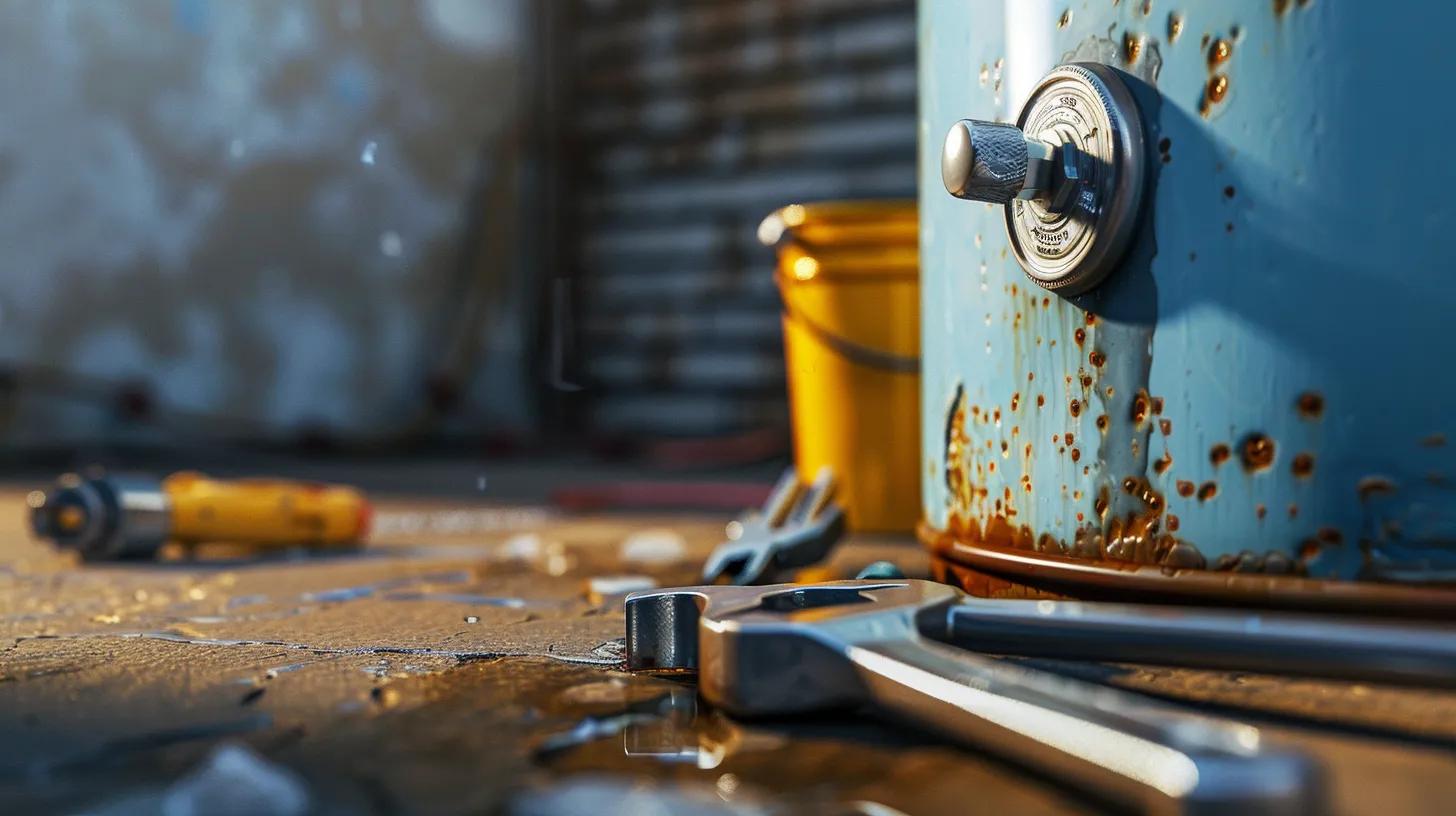
Water heaters can experience various problems that may require repair. Some of the most common issues include:
- Inconsistent Water Temperature: Fluctuations in water temperature can indicate a malfunctioning thermostat or heating element.
- Strange Noises: Sounds such as popping or rumbling may suggest sediment buildup in the tank, which can affect efficiency.
- Leaks: Water pooling around the heater can signal a leak, which may require immediate attention to prevent water damage.
Identifying these issues early can save homeowners from costly repairs and ensure a reliable hot water supply.
Maintenance Tips
Regular maintenance is vital for prolonging the life of your water heater. Here are some essential maintenance tips:
- Annual Inspections: Schedule yearly inspections to check for any potential issues and ensure the system operates efficiently.
- Flushing the Tank: Flushing the tank annually helps remove sediment buildup, which can affect performance and efficiency.
- Checking the Anode Rod: Inspecting the anode rod every few years can prevent corrosion and extend the life of the tank.
Implementing these maintenance practices can help avoid unexpected breakdowns and costly repairs.
Homeowner Responsibilities
As a homeowner, it is essential to take responsibility for the upkeep of your water heater. Key responsibilities include:
- Regular Monitoring of Performance: Keep an eye on the water heater’s performance and be alert for any unusual signs.
- Scheduling Maintenance: Proactively schedule maintenance checks to address any potential issues before they escalate.
- Educating Themselves: Understanding how your water heater works and common issues can empower homeowners to make informed decisions.
By fulfilling these responsibilities, homeowners can ensure their water heaters function optimally and efficiently.
What Types of Water Heaters Are Available for Zion Crossroads Homes?
Homeowners in Zion Crossroads have several options when it comes to water heaters. The most common types include:
- Tankless Water Heaters: These units heat water on demand, providing a continuous supply without the need for a storage tank. They are known for their energy efficiency and space-saving design.
- Conventional Water Heaters: These traditional units store hot water in a tank and are available in various sizes to meet different household needs.
- Heat Pump Water Heaters: These systems use electricity to move heat from the air or ground to heat water, making them highly energy-efficient.
Each type has its advantages and is suitable for different household requirements.
Further research delves into a comprehensive comparison of these and other advanced residential water heating technologies, considering various factors like climate and usage patterns.
Comparison of Advanced Residential Water Heating Technologies & Installation
ABSTRACT: Gas storage, gas tankless, condensing, electric storage, heat pump, and solar water heaters were simulated in several different climates across the US installed in both conditioned and unconditioned space and subjected to several different draw profiles. While many preexisting models were used, new models of condensing and heat pump water heaters were created specifically for this work.
Comparison of advanced residential water heating technologies in the United States, J Maguire, 2013
Installation and Repair
When it comes to water heater installation and repair, professional services are crucial. Wet Spot Plumbing offers expert installation and repair services tailored to the needs of homeowners in Zion Crossroads. Their team ensures that the installation process adheres to safety standards and local regulations. Additionally, they provide regular maintenance services to keep your water heater running smoothly. Homeowners can also benefit from consultation services to help choose the right water heater for their specific needs.
How Do Tank and Tankless Water Heaters Compare?
Tank and tankless water heaters serve the same purpose but operate differently. Here’s a comparison of their key characteristics:
Understanding these differences can help homeowners make informed decisions based on their hot water needs and budget.
Which Water Heater Brands Are Recommended in Virginia?
When selecting a water heater, brand reliability and energy efficiency ratings are crucial. Some recommended brands for water heaters in Virginia include:
- Rheem: Known for its energy-efficient models and reliable performance.
- Bradford White: Offers a range of conventional and tankless options with a strong reputation for quality.
- A.O. Smith: Provides innovative water heating solutions with a focus on efficiency and durability.
Choosing a reputable brand can ensure long-term satisfaction and performance.
What Is the Typical Process and Timeline for Water Heater Installation?
The installation process for a water heater typically involves several steps:
- Assessment: A professional will assess your hot water needs and recommend the appropriate unit.
- Preparation: The installation site is prepared, including any necessary plumbing or electrical work.
- Installation: The new water heater is installed, and all connections are made.
- Testing: The system is tested to ensure it operates correctly.
The entire process usually takes between 2 to 4 hours, depending on the complexity of the installation.
How Can Homeowners Identify and Address Common Water Heater Repairs?
Homeowners can identify common water heater issues by being aware of specific signs, including:
- Inconsistent Water Temperature: If the water temperature fluctuates, it may indicate a problem with the thermostat or heating element.
- Strange Noises: Sounds like popping or rumbling can suggest sediment buildup in the tank.
- Visible Leaks: Water pooling around the heater is a clear sign of a leak that needs immediate attention.
Addressing these issues promptly can prevent further damage and costly repairs.
What Are the Signs Your Water Heater Needs Repair?
Recognizing the signs that your water heater needs repair is essential for maintaining its efficiency. Common indicators include:
- Inconsistent Water Temperature: Fluctuations in temperature can signal a malfunctioning thermostat or heating element.
- Strange Noises: Sounds such as popping or rumbling may indicate sediment buildup.
- Leaks or Moisture: Water pooling around the heater can indicate a leak that requires immediate attention.
Being vigilant about these signs can help homeowners avoid more significant issues down the line.
When Should You Request Emergency Water Heater Service in Central Virginia?
Certain situations warrant immediate emergency service for your water heater. Homeowners should request emergency service if they experience:
- Lack of Hot Water: If the water heater fails to produce hot water, it may indicate a serious issue.
- Discolored Water: Rusty or discolored water can signal corrosion within the tank.
- Visible Leaks: Any visible leaks should be addressed immediately to prevent water damage.
Prompt action in these situations can prevent further complications and ensure the safety of your home.
What Are the Benefits of Tankless Water Heater Installation?

Tankless water heaters offer several advantages over traditional models, including:
- Energy Efficiency: They heat water on demand, reducing energy consumption and costs.
- Space Savings: Their compact design allows for installation in smaller spaces.
- Long-Term Cost Advantages: Although the initial investment is higher, the long lifespan and energy savings can lead to lower overall costs.
These benefits make tankless water heaters an attractive option for many homeowners.
How Does a Tankless Water Heater Improve Energy Efficiency?
Tankless water heaters improve energy efficiency by eliminating standby heat loss associated with traditional tank models. They heat water only when needed, which means homeowners only pay for the hot water they use. This on-demand heating system can lead to significant energy savings, especially for households with varying hot water needs throughout the day.
Are There Local Rebates or Incentives for Tankless Water Heaters in Virginia?
Homeowners in Virginia may be eligible for local rebates or incentives when installing tankless water heaters. These programs often aim to promote energy efficiency and can significantly offset the initial costs. Homeowners should check with local utility providers or government programs to determine eligibility and application processes.
How Should Homeowners Maintain Their Water Heaters for Longevity?
Proper maintenance is key to extending the life of a water heater. Homeowners should consider the following practices:
- Flushing the System: Regularly flushing the tank helps remove sediment buildup.
- Checking Temperature Settings: Ensuring the thermostat is set to the optimal temperature can prevent overheating and energy waste.
- Inspecting the Anode Rod: Regular inspections of the anode rod can prevent corrosion and extend the tank’s lifespan.
Implementing these maintenance practices can help ensure a reliable hot water supply for years to come.
What Routine Maintenance Steps Prevent Water Heater Failures?
Routine maintenance can significantly reduce the risk of water heater failures. Key steps include:
- Regular Flushing: Flushing the tank annually helps remove sediment buildup that can affect performance.
- Pressure Relief Valve Checks: Testing the pressure relief valve ensures it functions correctly and prevents pressure buildup.
- Anode Rod Inspections: Checking the anode rod every few years can prevent corrosion and extend the life of the tank.
By following these steps, homeowners can maintain their water heaters effectively and avoid unexpected breakdowns.
How Often Should Water Heater Maintenance Be Scheduled in Zion Crossroads?
Homeowners in Zion Crossroads should schedule water heater maintenance at least once a year. Regular maintenance checks can help identify potential issues early and ensure the system operates efficiently. Additionally, homeowners should be vigilant for any signs of trouble, such as unusual noises or leaks, and engage local experts for repairs as needed.
Why Choose Wet Spot Plumbing for Water Heater Services in Zion Crossroads?
Wet Spot Plumbing is a trusted provider of water heater services in Zion Crossroads, offering local expertise and rapid emergency response. Their team is dedicated to delivering comprehensive plumbing solutions tailored to the needs of homeowners. With a focus on quality and customer satisfaction, Wet Spot Plumbing ensures that your water heater installation and repair needs are met with professionalism and care.
What Qualifications and Guarantees Does Wet Spot Plumbing Offer?
Wet Spot Plumbing is committed to providing high-quality services backed by industry qualifications and guarantees. Their team consists of licensed professionals with extensive experience in water heater installation and repair. Homeowners can trust that their services meet local codes and standards, ensuring safety and reliability.
How Does Wet Spot Plumbing Ensure Rapid Emergency Response?
Wet Spot Plumbing prioritizes rapid emergency response to address urgent water heater issues. Their team is trained to handle emergencies efficiently, ensuring that homeowners receive prompt assistance when needed. With a focus on customer service, Wet Spot Plumbing aims to minimize downtime and restore hot water access as quickly as possible.