Essential Steps to Take Before Your Emergency Plumber Arrives at Your Home
Shutting off the main water valve is the first move in any plumbing emergency, and everything else, shutting down the water heater, protecting electrical systems, and documenting the damage, comes right after. As a Central Virginia plumber, we handle the plumbing repair once we arrive for homes across Mineral, Louisa, Lake Anna, and the rest of the region, but what happens in the minutes before that matters just as much for how much damage ends up getting done.
How Do I Quickly Shut Off the Water to Prevent Further Damage?
Stopping the water is always the first priority, before anything else on this list.
Where Is My Main Water Shutoff Valve Usually Located?
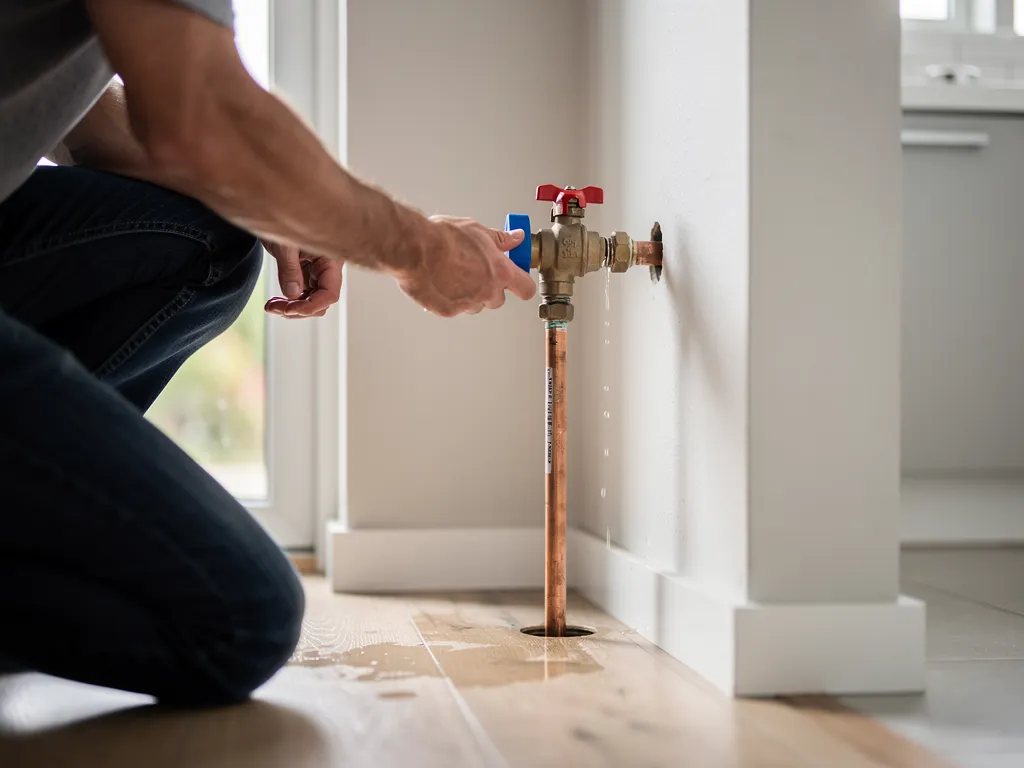
The main shutoff is typically found where the water line enters the home, often in a basement, crawlspace, utility closet, or near the water meter outside. Finding it before an emergency happens, not during one, saves precious time when it actually matters.
How Do I Turn Off Fixture-Specific Valves vs. The Main Valve?
Most toilets, sinks, and appliances have their own shutoff valve where the supply line connects, which can isolate a single fixture without cutting water to the whole house. A burst pipe or a leak with no clear isolation point, though, calls for the main valve, since there’s no faster way to stop water flowing from an unknown or inaccessible source.
How Can I Safely Turn Off My Water Heater During a Plumbing Emergency?
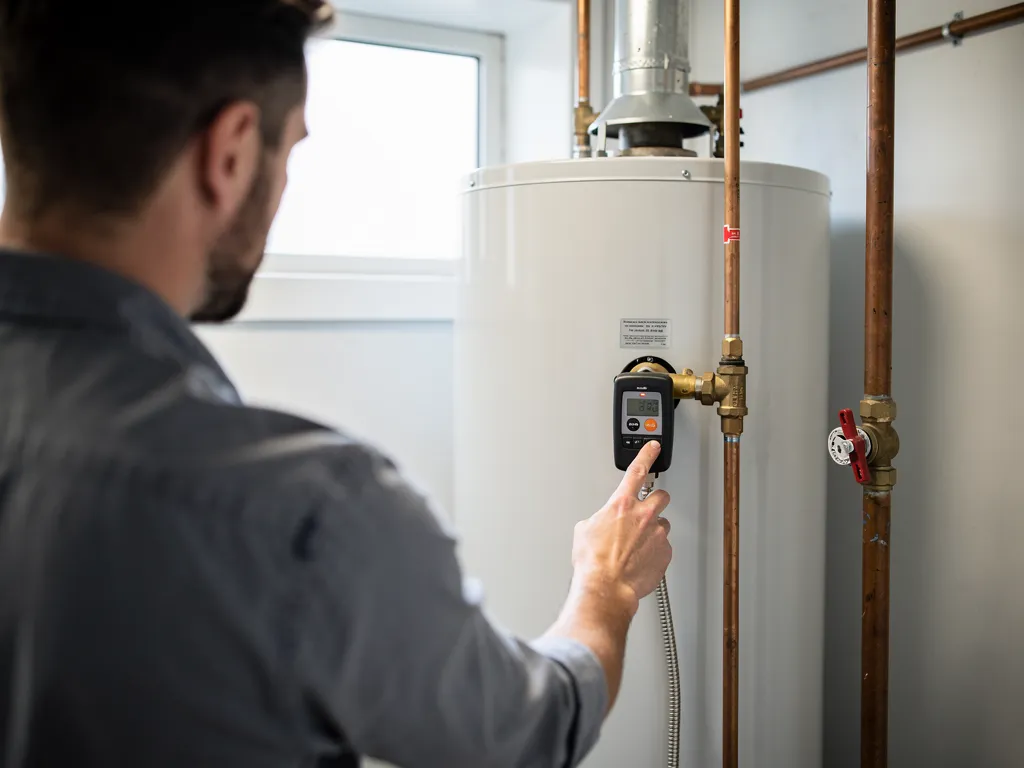
If the main water supply is getting shut off, the water heater needs to come offline too, and skipping this step is a common mistake.
What Are the Steps to Shut Off Electric and Gas Water Heaters?
For an electric water heater, shutting off its dedicated circuit breaker at the panel cuts power to the unit. For a gas water heater, turning the gas control valve on the unit itself to the off position stops gas flow to the burner. Either way, also closing the cold water inlet valve on top of the tank completes the water heater shutoff and prevents the tank from draining through the rest of the system.
Why Is Turning Off the Water Heater Important in a Burst Pipe Situation?
A water heater that’s still powered on but loses its water supply, because the main is shut off and the tank eventually drains through a fixture left open, can overheat or damage its heating element, and in some cases create a real safety hazard. Shutting it down alongside the main water valve avoids turning one emergency into two.
What Are the Immediate Steps to Relieve Water Pressure in My Home?
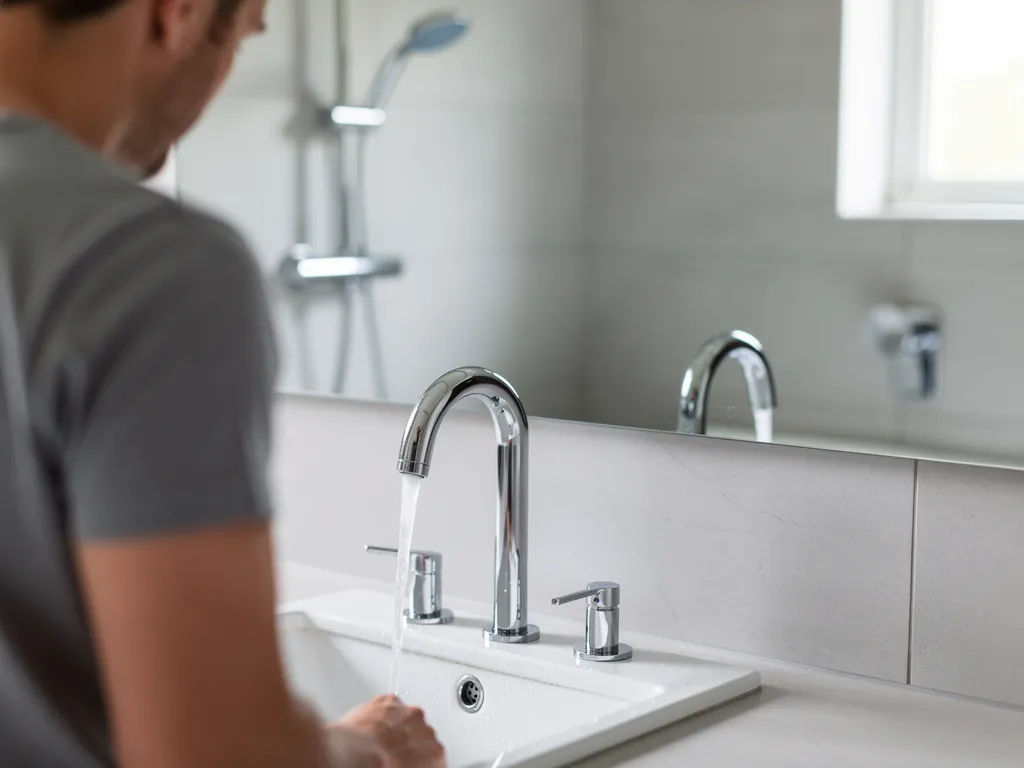
Once the main valve is off, there’s still pressurized water sitting in the lines, and relieving that pressure helps limit any ongoing drip or spray from the source of the problem.
How Do I Use the Lowest Faucet to Drain Excess Water?
Opening the lowest faucet in the home, often a basement utility sink or an outdoor spigot, lets gravity pull the remaining pressurized water out of the system faster and with less mess than letting it sit in the lines.
When Should I Avoid Using Chemical Drain Cleaners During Emergencies?
A clog or backup during an emergency is not the time to reach for a chemical drain cleaner. Those chemicals create a real fume and chemical-burn risk for whoever ends up working on the line afterward, and they can damage certain pipe materials in the process. Leaving a clogged or backed-up drain alone until a technician can address it directly is the safer call.
How Can I Protect Electrical Systems During a Plumbing Emergency?
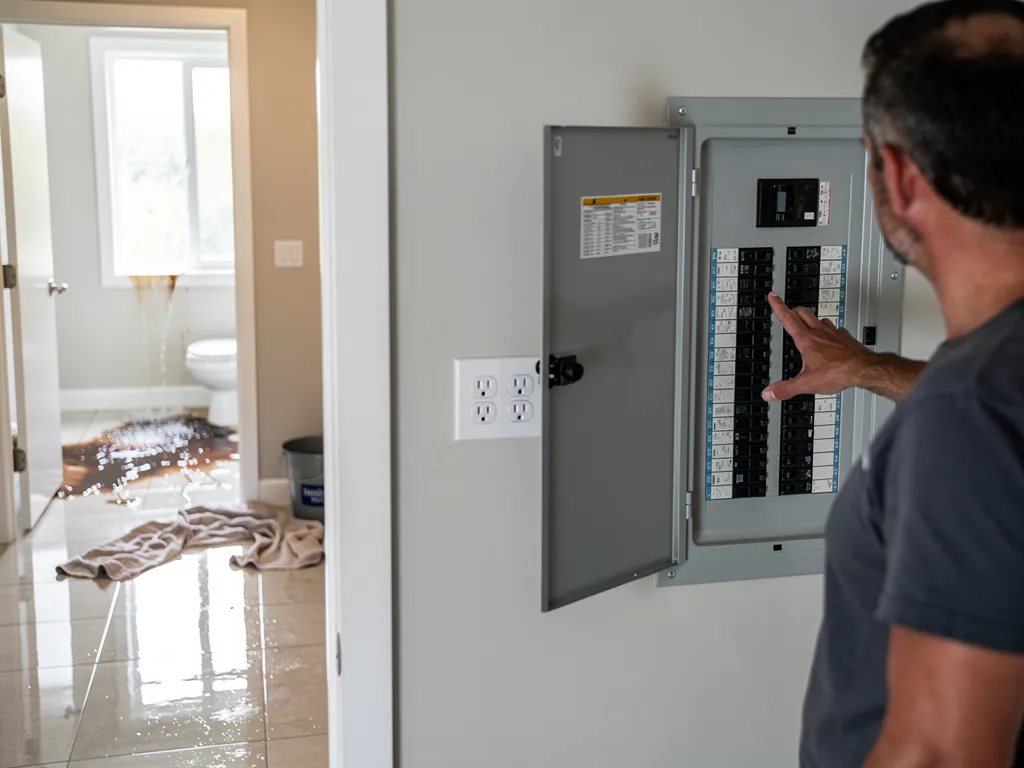
Water and electricity are a genuinely dangerous combination, and protecting the home’s electrical systems is just as important as stopping the water itself.
Why Should I Turn Off Circuit Breakers Near Water Leaks?
Any outlet, switch, or fixture near standing or dripping water should have its breaker shut off at the panel if it can be reached safely, since water finding its way into live electrical components is a serious shock and fire risk.
What Temporary Measures Can Prevent Electrical Accidents at Flooded Areas?
Staying out of standing water near any electrical source entirely, rather than trying to reach a switch or outlet that’s already wet, is the safest approach if the breaker panel itself isn’t easily and safely accessible. When in doubt, treating any area with both water and electrical components as off-limits until a professional can assess it is the right call.
How Do I Document Water Damage for Insurance Before the Plumber Arrives?
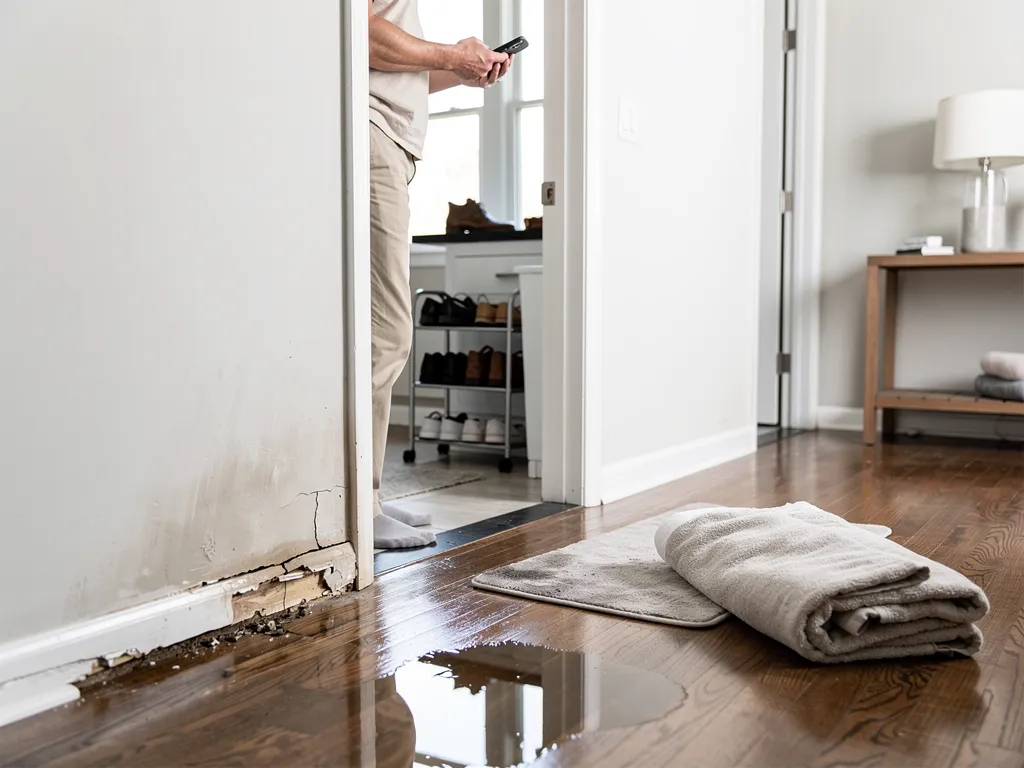
Documenting the damage before cleanup starts protects a potential insurance claim later, and it only takes a few minutes.
What Types of Photos and Records Should I Capture?
Photos or video of the source of the leak, the full extent of standing water or damage, and any affected belongings or finishes all help support a claim. This is general guidance, not insurance advice, since coverage and documentation requirements vary by policy, so checking with the specific insurer is the only way to know exactly what’s needed.
How Can I Safely Preserve Evidence Without Interfering With Repairs?
Documentation should happen quickly, before any cleanup or repair work begins, but it shouldn’t delay shutting off the water or protecting electrical systems first. Taking a few photos while waiting for the plumber, rather than rearranging or removing anything from the scene, keeps the record intact without getting in the way of the actual repair.
When and How Should I Dispatch an Emergency Plumber?
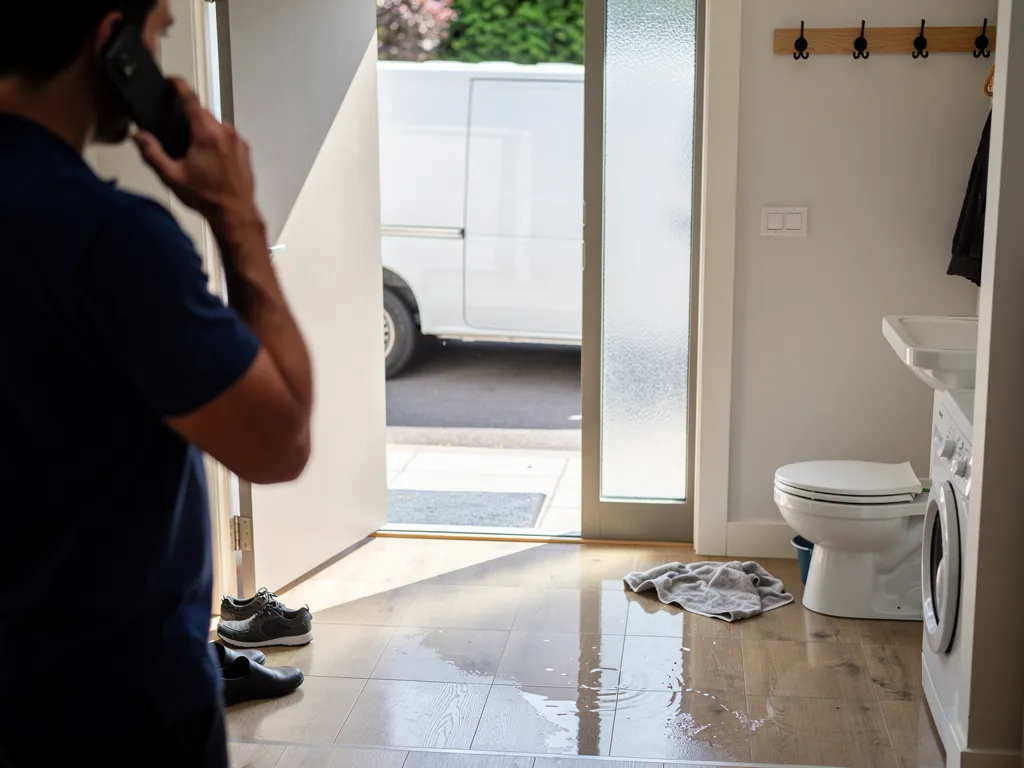
Once the immediate safety steps are handled, getting a technician on the way is the next move.
What Information Do I Need Ready for the Emergency Plumbing Service?
Having the address, a quick description of what’s happening, whether the water or water heater has already been shut off, and any access details like gate codes or pets ready when calling (540) 500-1272 helps get a technician dispatched and prepared before they even pull up.
How Do 24/7 Emergency Plumbing Services Operate and Respond?
A call gets answered by a real person, any hour of the day or night, and a licensed technician gets dispatched from there. Response time depends on call volume, time of day, and weather, so no fixed arrival window gets promised, but the call itself never goes to voicemail. Our weekend and holiday emergency coverage post covers more on how that works outside normal business hours, and our signs you need emergency plumbing guide can help confirm a situation actually warrants that call in the first place.
Frequently Asked Questions
What is the very first thing I should do during a plumbing emergency? Shut off the main water valve to stop the flow. Everything else, including water heater shutdown, electrical safety, and documentation, comes after the water itself is stopped.
Should I turn off my water heater during a burst pipe emergency? Yes, if the water supply to the home is being shut off. An energized water heater that loses its water supply can be damaged or create a safety hazard, so shutting off its breaker (electric) or gas control valve (gas) is an important step, not an optional one.
Is it safe to use a chemical drain cleaner before the plumber arrives? No. Chemical drain cleaners can create fumes and chemical burn risks for the technician who ends up working on the line, and they can also damage certain pipe materials. It’s safer to leave a clog or backup alone until a plumber can address it directly.
What information should I have ready when I call an emergency plumber? Have the address, a quick description of the problem, whether water or gas has already been shut off, and any access details (gate codes, pets, parking) ready. This helps get a technician dispatched and prepared before they even arrive.
Water doesn’t wait, and neither should you. Every minute a pipe keeps running is more damage you’ll be cleaning up tomorrow, so skip the second-guessing: call (540) 500-1272 right now, walk through the steps above while help is already on the way, and let us handle the rest for homes across Mineral, Louisa, and the Lake Anna area.