Winter in Montpelier: A Challenge for Your Pipes
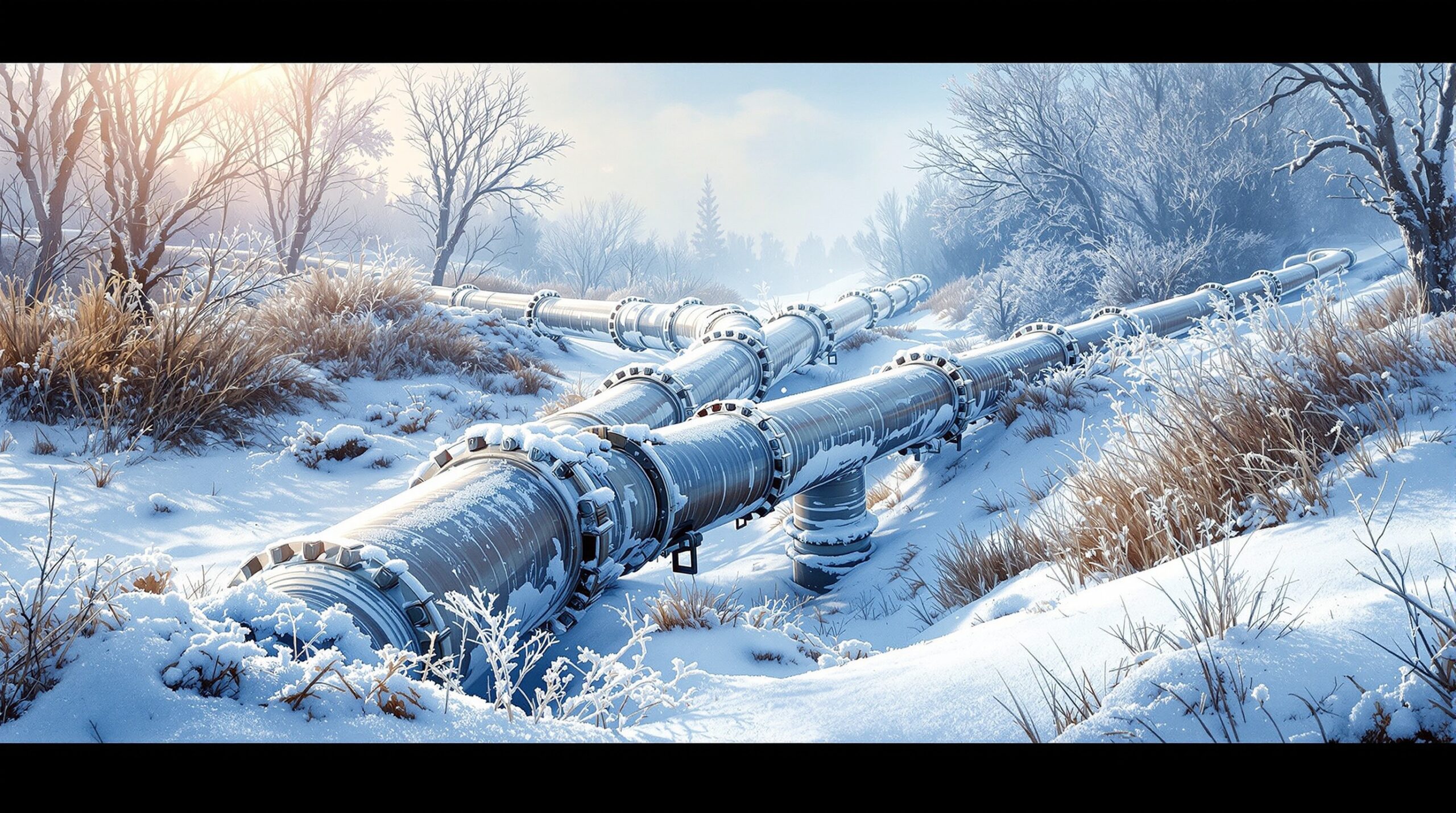
When the first snowflakes of winter start to dance in the crisp air of Montpelier, VA, many of us find joy in building snowmen and sipping hot cocoa by the fire. But as beautiful as the season is, it also brings a hidden danger to our homes—our plumbing systems! Winter in Montpelier can be harsh, and without proper preparation, your pipes are like a snowman left out in the sun—vulnerable and at risk of serious damage.
Protecting What Matters Most
Imagine waking up to a chilly morning, ready to enjoy the festive spirit, only to discover a leaky pipe or a frozen drain. Yikes! No one wants that surprise! The good news is that with a little forethought and some smart winter-proofing strategies, you can help safeguard your home against the cold’s icy grip. In this guide, you will learn essential tips to protect your plumbing, ensuring that your home remains a cozy refuge this winter.
So grab a warm cup of tea, roll up your sleeves, and let’s dive into the ways we can fortify our homes against winter’s bitter chill!
Understanding the Risks of Cold Weather on Plumbing
The cold weather isn’t just a nuisance; it can be a formidable adversary for your plumbing system. When temperatures plummet, water inside your pipes has the potential to freeze, leading to a series of unfortunate events unfolding behind your walls. Water expands as it freezes, and if this expansion occurs within a pipe, it can generate enough pressure to cause it to burst. This isn’t just a minor inconvenience; burst pipes can lead to significant damage, resulting in costly repairs and long-term issues in your home.
Let’s break down what happens during a cold snap and how it impacts your plumbing:
| Temperature | Potential Pipe Issues | Preventive Measures |
|---|---|---|
| 32°F and below | Water begins to freeze, leading to pressure build-up in pipes. | Insulate exposed pipes and keep the heat on during extreme cold. |
| 25°F | Risk of freeze increases; ice can block water flow. | Allow faucets to drip slightly; this relieves pressure. |
| 20°F or lower | Frozen pipes can burst, leading to flooding and water damage. | Disconnect hoses and drain outdoor faucets before winter. |
Each winter, many homeowners experience the fallout of neglected plumbing during freezing temperatures. According to research, nearly 250,000 households face structural damage each year due to broken pipes from freezing. Understanding this risk becomes critical when planning your winter maintenance. Truly, even the most minor of temperature drops can lead to a catastrophic plumbing failure if you’re unprepared.
Recognizing the signs of impending pipe problems is essential. If an area of your home feels unusually cold, or if you notice frost on your pipes, these can be telltale signs of freezing and expanding water waiting to wreak havoc. The key is to take preventative action before the chill sets in—before you’re faced with a flood that turns your holiday cheer into a cleaning frenzy.
Whether it’s a simple action like leaving cabinet doors open to allow warm air to circulate or more rigorous steps like insulating pipes in unheated areas, being proactive can make all the difference. The journey to fortifying your plumbing against winter’s chill doesn’t end here—stay tuned as we explore effective methods to insulate your pipes and keep them warm and safe this season!
Insulating Your Pipes
As winter’s chill creeps into your home, insulating your pipes becomes one of the most vital measures you can undertake to safeguard your plumbing system. With a few simple techniques and materials, you can create a protective shield for your pipes, dramatically decreasing the risk of freezing. Here are some highly effective methods to consider when insulating your pipes this winter:
Bubble Wrap: A Simple Yet Effective Solution
One of the most affordable and accessible materials for insulating pipes is bubble wrap. This ingenious packaging material, with its air-filled pockets, functions as an excellent insulator. To use bubble wrap, simply wrap it around the pipes, paying special attention to any joints or bends where cold air might seep in. Secure it with duct tape or string. If you find any areas particularly exposed to cold drafts, consider layering multiple strands of bubble wrap for enhanced insulation.
Foam Covers: Tailored Thermal Protection
For a more professional approach, foam pipe insulation covers are ideal. These come in various sizes to fit different pipe diameters and can be easily adjusted to suit your needs. Simply measure the length of your pipes, cut the foam to size, and install it by slipping it over the pipe. The closed-cell structure of foam provides excellent thermal resistance, keeping your pipes warm even during the coldest nights. Plus, these covers are often water-resistant, adding an extra layer of protection.
Heat Tape: A Handy Electrical Option
Heat tape might be a bit more complex but is incredibly effective for particularly vulnerable pipes. This insulated electrical tape can be wrapped around pipes to generate heat, preventing freezing during sub-zero conditions. Just follow the manufacturer’s instructions for proper installation and safety precautions. It’s a powerful solution that can be particularly useful in areas where extreme cold is commonplace.
Insulation Blankets for Larger Pipes
If you have larger pipes or entire plumbing systems that need safeguarding, consider using insulation blankets. These are especially beneficial for outdoor plumbing or piping systems located in unheated areas like garages or basements. Insulation blankets are made from durable materials similar to those used in insulating your home, providing an additional layer of protection against the cold.
Strategic Placement of Insulation
When it comes to insulating your pipes, coverage is key. Focus on areas that are most susceptible to freezing temperatures — typically unheated spaces such as attics, basements, and exterior walls. Don’t overlook cabinet pipes under sinks; leaving the cabinet doors open during extreme cold can help maintain a comfortable temperature. Use towels or even old rags to wrap exposed areas temporarily if you haven’t yet secured dedicated insulation solutions.
Routine Maintenance: Your Best Defense
Of course, insulation is just one part of an overall winter maintenance plan. Regularly check your insulation for any wear and tear as the season progresses. Reseal any gaps or openings that may allow cold air intrusion and ensure your HVAC system is functioning correctly. By combining consistent maintenance with effective insulation practices, you’ll maximize your pipes’ ability to withstand even the harshest winter elements.
Considering the potential risks and repercussions of neglected plumbing in freezing temperatures, implementing these insulation techniques is not just wise—it’s essential. As the temperatures begin to drop, take the necessary steps to prepare your plumbing for winter’s icy grip. Your home— and your peace of mind— will thank you!
Drain and Shut Off Outdoor Faucets
As the merciless winter weather takes hold, one of the crucial measures homeowners often overlook is the proper draining and shutting off of outdoor faucets. While insulating your pipes serves as a frontline defense against the frigid air, neglecting your outdoor faucets might lead to unforeseen consequences, including ice blockage and burst pipes. It’s essential to recognize that standing water in outdoor pipes can freeze, expand, and ultimately wreak havoc on your plumbing system. Understanding the importance of this process can save you from costly repairs and ensure your home remains safe and functional throughout the winter months.
Why Draining Is Essential
Draining outdoor faucets before winter sets in is important because it removes any residual water trapped within the pipes. Water expands as it freezes, and even the smallest amount left in the system can exert tremendous pressure on your plumbing infrastructure. This pressure can cause pipes to crack or even burst, leading to significant damage that might go undetected until warmer spring weather arrives. By draining these lines, you’re proactively eliminating this risk and preserving your plumbing system.
The Shut-Off Process
Shutting off your outdoor faucets is equally vital. Begin by locating the shut-off valve for your outdoor spigots, generally found inside your home near the wall where the spigot protrudes. Turn the valve clockwise to close it—this simple act will prevent water from flowing into pipes that might be exposed to freezing temperatures. Once shut off, make sure to locate and fully open your outdoor spigot to release any remaining water. By doing so, you ensure that no water remains to freeze and cause havoc.
Consider Faucet Covers
After draining and shutting off your outdoor faucets, consider adding an extra layer of protection using faucet covers. These simple and effective tools are designed to insulate the faucet against cold temperatures, acting as an additional safeguard in case of extreme conditions. They can easily be slipped over the faucet and secured in place, providing that added peace of mind during the harshest winter months.
Interconnected Systems: Understanding the Risks
Be mindful that outdoor faucets are often connected to your home’s plumbing system. Any failing component of the outdoor piping can potentially impact the interior plumbing, making preventive maintenance especially imperative. Regularly inspect all connections and components related to outdoor plumbing, ensuring that shut-off valves are functional and all screws and fixtures are tight. Taking these small yet crucial steps can dramatically enhance your home’s resistance to winter freezes.
A Seasonal Reminder
Before the chill of winter arrives, make a list or set a reminder to drain and shut off your outdoor faucets. Treating this task like an annual tradition will empower you to stay on top of your home maintenance. Additionally, educating your family members or housemates about this process can ensure everyone plays a role in keeping your plumbing system safe and sound.
In conclusion, draining and shutting off outdoor faucets is not merely a suggestion—it’s an essential step towards safeguarding your home against the harsh realities of winter. By prioritizing this aspect of home maintenance, you not only preserve your outdoor faucets but also protect the integrity of your entire plumbing system. Don’t wait for the temperature to drop; take charge and secure your outdoor plumbing today, ensuring your home remains a warm sanctuary despite the chilly winter winds.
Inspect and Seal Leaks
Beyond addressing outdoor faucets, a comprehensive winter plumbing preparation requires a thorough inspection and sealing of any leaks within your home’s plumbing system. As temperatures plummet, those seemingly inconsequential drips and drafts can morph into significant issues that compromise your plumbing integrity. By actively detecting and sealing leaks before winter arrives, you can ensure that your home remains cozy and your plumbing system operates optimally throughout the season.
The Importance of Leak Detection
Even minor leaks can escalate during freezing weather. When water escapes, it may not only contribute to higher utility bills but also increase the risk of pipe bursts from freezing. An undetected leak could freeze, expand, and ice blockages could form, disrupting the flow of water and causing plumbing malfunctions. Therefore, taking the time to inspect for leaks now is a proactive measure that can save you from larger, more inconvenient problems later.
How to Inspect for Leaks
- Visual Inspection: Start by visually examining your entire plumbing system. Pay special attention to areas under sinks, behind toilets, and around pipes entering and exiting walls. Look for signs such as water stains, mold, or bubbling paint, which may indicate hidden leaks.
- Check Water Meter: Turn off all faucets and appliances that use water in your home. Then, monitor your water meter for a period—typically an hour—to determine if the reading changes. If it does, chances are you have a leak somewhere in your system.
- Inspect Fixtures and Valves: Ensure that all faucets, showerheads, and valves are in good working order. Tighten any loose fittings and replace worn washers or rubber seals that could compromise connections.
- Evaluate Supply Lines: Don’t forget to check the supply lines leading to your dishwasher, washing machine, and refrigerator. Look for any dampness around connections or signs of worn hoses.
Sealing Leaks: Tips and Techniques
Once you’ve identified potential leaks, it’s crucial to seal them before winter. Here are several effective methods:
- For Small Leaks: Use plumber’s tape (thread seal tape) to wrap around threaded connections. This simplifies the sealing process and can eliminate minor leaks with ease.
- Pipe Insulation: For sections of pipe that appear temperature-sensitive or prone to sweating, use pipe insulation sleeves. These foam or fiberglass materials provide additional protection against freezing temperatures.
- Sealant and Caulk: For leaks where water pipes exit walls or in areas around appliances, apply a water-resistant sealant or caulk. This creates a vapor barrier that prevents moisture from escaping and potentially freezing.
- Epoxy Putty: For larger cracks or gaps, consider using epoxy putty, which can mold to the shape of the pipe and harden as it cures—providing a strong seal against water loss.
Leak Detection Table
| Leak Type | Location | Signs of Leak | Recommended Action |
|---|---|---|---|
| Dripping Faucet | Kitchen/Bathroom Sink | Constant dripping sounds; water pooling | Replace washer or cartridge in faucet |
| Hidden Pipe Leak | Within Walls | Water stains or discoloration on walls | Call a professional for assessment |
| Toilet Leak | Base of Toilet | Water around the base; toilet runs continuously | Replace wax ring or tighten bolts |
| Supply Line Leak | Appliance Connections | Dampness or puddles near hoses | Replace damaged hoses or fittings |
Regular Maintenance is Key
Although inspecting and sealing leaks may feel time-consuming, remember that preventive maintenance can save you time and trouble in the long run. Schedule a seasonal plumbing checkup or even just a dedicated home maintenance day to extend the lifespan of your plumbing system. Encourage family members to help with the process, turning what can be an arduous task into a fun group activity.
In conclusion, the preparation for winter extends beyond outdoor faucets; a thorough inspection and sealing of leaks within your plumbing system are equally vital. By taking the necessary steps to address leaks, you’ll enhance your home’s winter resilience, avoid potential disaster, and enjoy a peaceful, worry-free season inside. Don’t let the chill of winter catch you off guard; take proactive measures now and ensure your plumbing is protected from the harsh elements ahead.
Indoor Plumbing Precautions
As winter creeps in, it’s not just the outdoor elements that require your attention; your indoor plumbing needs a strategic approach to safeguard against the season’s chill. A key component of this strategy involves maintaining adequate temperatures in the kitchen and bathroom—areas most susceptible to temperature drops that can lead to frozen pipes or plumbing failures. By implementing a few little-known tips, you can create an environment in which your plumbing thrives, even in the coldest months.
Maintain High Temperatures
Keeping your home warm is not just about comfort; it’s critical to your plumbing’s health. Aim to maintain indoor temperatures above 55°F, especially in kitchens and bathrooms where plumbing is often exposed to exterior walls. Here are innovative solutions to ensure warmth permeates these vulnerable spaces:
- Open Cabinet Doors: In exceptionally cold weather, keep cabinet doors under sinks open to allow warm air from your home to circulate around plumbing pipes. This simple measure can significantly reduce the risk of freezing.
- Utilize Ceiling Fans: Reverse your ceiling fans during winter to create an updraft that pushes warm air down into the living spaces. This can be especially effective in large homes where warm air tends to rise and linger near the ceiling.
- Install Heat Cables: For areas prone to extreme cold, consider investing in heat cables for your pipes. These cables provide direct warmth to the pipes, which can be particularly beneficial in unheated areas like basements or crawl spaces.
Let Faucets Drip
One of the most effective techniques in preventing frozen pipes is allowing a faucet to drip during particularly frigid nights. A consistent flow of water, no matter how small, reduces pressure in the plumbing system and minimizes the likelihood of pipes freezing. This form of “drainage insurance” not only protects your pipes but can also keep the plumbing systems open and functioning smoothly.
Insulate Critical Areas
Insulation isn’t just for your home’s walls and ceilings; it’s equally crucial for your plumbing. Identify areas in your home where pipes are exposed to cold temperatures and prioritize insulation:
- Pipe Foam Insulation: Consider using foam pipe insulation on any exposed pipes in your kitchen and bathroom. This DIY-friendly option is easy to apply and can provide a significant barrier against frigid temperatures.
- Garage Door Insulation: If your kitchen or bathroom is adjacent to an unheated garage, insulate the garage door to prevent cold drafts from affecting your plumbing.
Temperature Monitoring
In this technology-driven age, monitoring the temperature in your home can prevent many a plumbing disaster. Consider investing in smart home technology that allows you to track indoor temperatures remotely, ensuring that you can respond promptly should it dip dangerously low. Some systems can even alert you to sudden temperature drops, putting your mind at ease during those chilly nights.
Know Your Indoor Challenges
Every home has its quirks, and understanding these specifics can be a game-changer when it comes to winter plumbing preparedness. Analyze common areas where you’ve experienced plumbing problems in the past and proactively address them before winter’s grip takes hold. Whether it’s a basement prone to chilly drafts or a bathroom far from the heating system, being aware of potential trouble spots allows you to take targeted actions to safeguard against them.
Ultimately, embracing these indoor plumbing precautions as part of your winter readiness plan can lead to a more comfortable and worry-free living environment. By understanding and implementing these strategic temperature-maintenance practices, residents of Montpelier, VA, can face the winter months confidently. Ensure your homes are well-prepared to battle the potential plumbing challenges that accompany the season, offering peace of mind as you enjoy the warmth and coziness of your home amidst the cold. Remember, a little forethought now can go a long way in keeping your plumbing systems safe and sound through the winter months.
Winter in Montpelier, VA, is no joke. As temperatures plummet, the importance of pipe insulation elevates to a critical level. Insulating your pipes is one of the best defenses against the frigid cold, as it plays a fundamental role in preventing them from freezing. Frozen pipes can expand and eventually burst, leading to significant and oftentimes costly water damage. That leads us to the primary question: Why is pipe insulation so crucial during Montpelier’s icy winters?
First and foremost, without adequate insulation, your home’s plumbing system is at high risk during the coldest months. The pipes that run along exterior walls are especially vulnerable, as they are directly exposed to lower temperatures. Insulating these pipes minimizes their exposure, effectively maintaining a more stable temperature and drastically reducing the likelihood of freezing. This can save homeowners from the stress and financial impact of unexpected repairs when the thaw occurs. If you haven’t thought about insulation yet, now is the time to act in anticipation of the frost.
But while ensuring your pipes are properly insulated is paramount, it’s also essential to stay vigilant for any signs that might indicate leaks or impending issues before winter fully sets in. Look out for damp spots around pipes, unexpected surges in your water bills, or a notable reduction in water pressure—each of these can be telltale signs that something is amiss in your plumbing. Addressing these leaks early on not only helps prevent them from worsening during the freeze but also ensures your plumbing system remains efficient and reliable throughout winter.
Moreover, there are specific outdoor plumbing tasks that every resident should prioritize before the first frost arrives. Turning off outdoor faucets is a must; water left in hoses can freeze, expand, and crack the hoses, leading to costly damage. It’s equally important to drain hoses and store them away until the warmer months return. For those with outdoor spigots, using insulating covers can provide an additional layer of protection against frost. By taking these proactive measures, you can further safeguard your plumbing from the harsh winter elements.
Embracing these plumbing preparations ensures that residents of Montpelier, VA can approach the winter months with confidence. When your home and business are equipped to meet the seasonal challenges head-on, you can enjoy the winter wonderland outside while staying safe within your cozy, ready-for-winter abode. Taking time to insulate pipes, monitor for leaks, and tend to your outdoor plumbing can lead to a more stress-free winter experience. Because remember—your plumbing system shouldn’t be a winter worry; it should be one less thing to think about in the season of joy.
As winter sets its icy grasp on Montpelier, VA, the measures residents take today will reverberate through the frigid months ahead. The proactive steps outlined earlier serve as vital defenses against the threat of frozen pipes and other plumbing issues that can disrupt daily life. However, it’s not just about implementing precautions; it’s also about cultivating an awareness and preparedness that transforms winter from an intimidating foe into a manageable season. With this spirit, let’s delve deeper into additional preparations that can enhance the security of your plumbing system during the winter.
Have a Plumbing Emergency Plan
While the goal is to prevent plumbing problems from arising, it’s equally important to develop a response plan in case they do. Take the time to identify shut-off valves for water supply lines in your home. Knowing how to quickly turn off the water supply can save you from a catastrophic leak or pipe burst.
Make a list of trusted local emergency plumbers, complete with contact information. When plumbing mishaps occur, having a go-to list can expedite the response time, allowing you to regain control of your home swiftly.
Check Your Well and Septic Systems
Montpelier residents who rely on well water or have a septic system should pay attention to ensure these systems are winter-ready. For well systems, ensure the well pump is functioning properly, as temperature drops can affect its operation. Additionally, you should insulate any exposed piping leading to your home from the well.
Septic systems require a little extra care during winter months as well. Ensure the system is not overly saturated, as ice can cause blockages. Maintain access to the system by ensuring it is clear of snow and ice. Regular maintenance and precaution can keep septic systems running smoothly all winter long.
Educate Your Household
Every member of your household should understand the importance of plumbing care during winter. Share practical tips and preventative measures, such as knowing when and how to let faucets drip or recognizing the signs of freezing pipes. Hosting a family meeting can help ensure everyone’s on the same page and empowered to participate in caring for the home’s plumbing.
Moreover, equip your children and other family members with knowledge on how to report irregularities such as unusual sounds from pipes or sudden changes in water pressure. This collective vigilance creates a supportive environment that is integral in maintaining your plumbing through the chilling season.
Consider Professional Inspections
While DIY efforts can greatly improve your plumbing’s winter resilience, enlisting a professional plumber for an inspection is often a wise investment. They can identify potential problem areas you may have overlooked, ensuring your plumbing system is in optimal condition before the winter chill sets in. A professional inspection can help you uncover issues that might lead to headaches down the line, sparing you from unnecessary stress and disruption during the cold months.
In conclusion, by understanding and implementing these plumbing preparations, residents of Montpelier, VA can face the winter months confidently, knowing their homes and businesses are secure against the potential plumbing challenges that come with the season. Each precaution you take is a step toward constructing a winter fortress for your plumbing, enabling you to enjoy the cozy comfort of your home amidst the bitter cold. So as you cozy up by the fire, take solace in the knowledge that your proactive measures have turned your home into a safe haven, prepared for whatever winter may bring.