Tankless Water Heater Lifespan | How Long They Last in Virginia
What Is the Typical Lifespan of a Tankless Water Heater
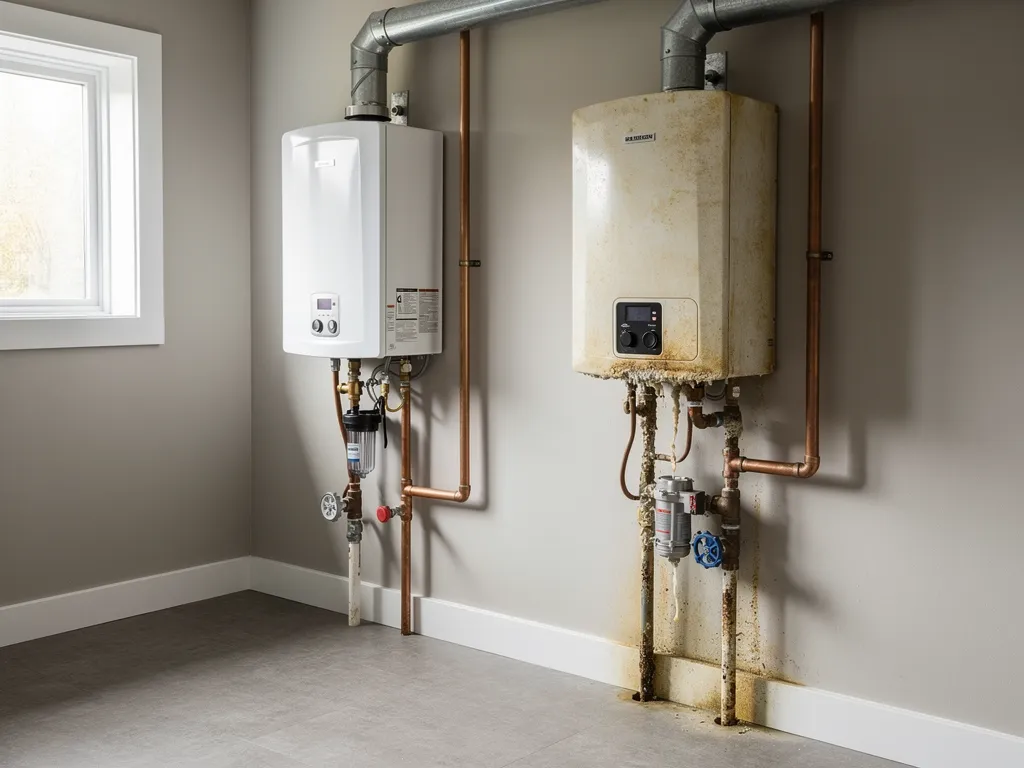
How long do tankless water heaters last? Most run between 15 and 20 years with regular maintenance, nearly double the typical lifespan of a traditional tank water heater. We install and service a tankless water heater in Mineral, VA, and across Louisa, Lake Anna, and the rest of Central Virginia, and how long a specific unit actually lasts comes down largely to water quality, installation, and whether it gets flushed on schedule.
What Is the Typical Lifespan of a Tankless Water Heater?
A well-maintained tankless water heater typically runs for 15 to 20 years, with some units lasting even longer under light household demand and clean water conditions. A neglected unit on hard water, by contrast, can show real performance decline well before that range is up.
How Does a Tankless Water Heater’s Lifespan Compare to Traditional Storage Tanks?
In the tankless vs tank water heater comparison, a traditional tank water heater generally lasts 8 to 12 years, largely because the tank itself holds standing water around the clock and is prone to internal corrosion over time. A tankless unit doesn’t store water, so there’s no tank to corrode. Its main wear factor instead is the heat exchanger, which is why water quality and maintenance matter so much more to a tankless unit’s lifespan than they do to a tank’s.
What Manufacturer Lifespan Guarantees Should You Expect?
Most major manufacturers back the heat exchanger on a residential tankless unit with a longer warranty than they give the tank on a traditional water heater, often well beyond a decade, though the exact term varies by brand and model. Nearly all of them also tie that warranty to documented maintenance, meaning a homeowner needs proof the unit was flushed on a regular schedule to keep the coverage valid if something fails. Checking the specific unit’s manual for its actual warranty terms is the most reliable way to know what’s covered.
What Factors Most Influence Tankless Water Heater Longevity?
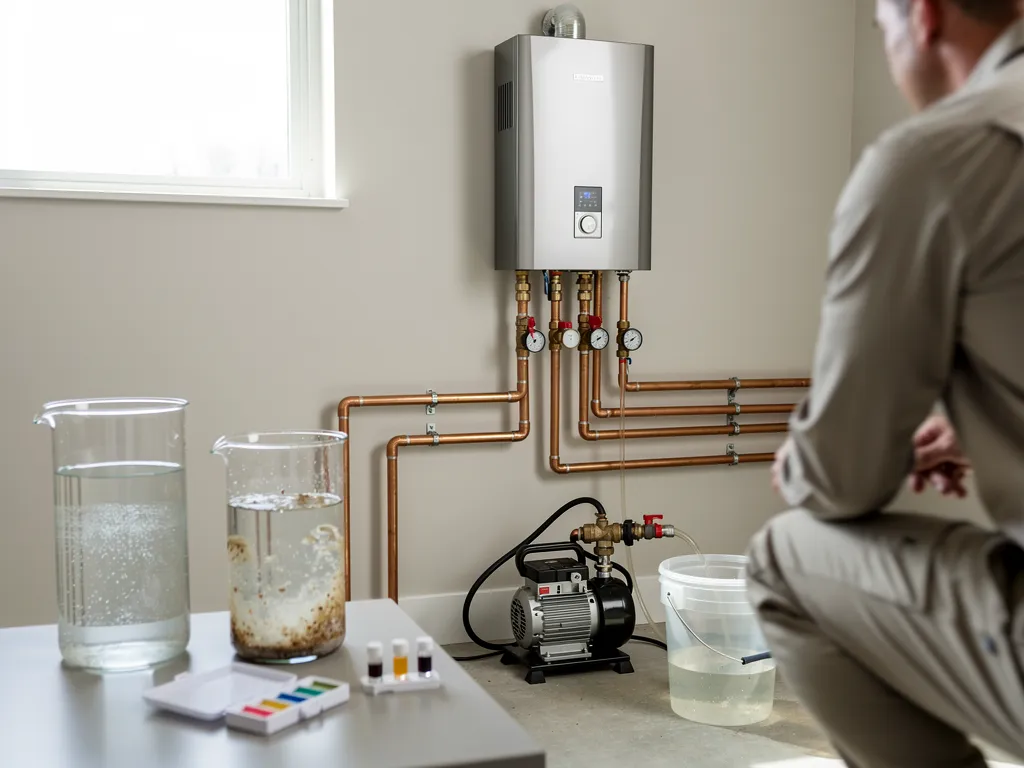
Three things drive how long a tankless unit actually lasts in practice: water hardness, installation quality relative to the home’s demand, and whether it gets maintained on schedule.
How Does Water Hardness and Limescale Impact Heat Exchanger Durability?
Hard water leaves mineral scale behind every time it’s heated, and that scale builds up inside the heat exchanger layer by layer if it’s never flushed out. Over time, the buildup insulates the exchanger, forcing it to work harder and run hotter to transfer the same amount of heat, which accelerates wear on the component that matters most to the unit’s lifespan. Homes on well water in Central Virginia often deal with harder water than municipal supply, which is part of why flushing schedules matter even more here.
Why Are Installation Quality and Usage Demand Crucial to Lifespan?
A unit that’s undersized for a household’s actual hot water demand ends up working harder than it should on a regular basis, which adds wear over time. An oversized unit, on the other hand, can short-cycle more than necessary. Getting the sizing and venting right at installation is part of what protects a unit’s expected lifespan from day one, which is part of why we size tankless installations around a home’s real usage rather than a generic recommendation.
How Does Regular Maintenance Protect Your Investment?
Annual flushing is the single most effective thing a homeowner can do to protect a tankless water heater’s lifespan, since it clears out the scale buildup before it has a chance to affect the heat exchanger long-term. A unit that’s flushed consistently tends to land toward the higher end of its expected lifespan range, while one that never gets flushed often needs more frequent repairs well before that range is up.
What Are the Warning Signs Your Tankless Water Heater Needs Replacement?
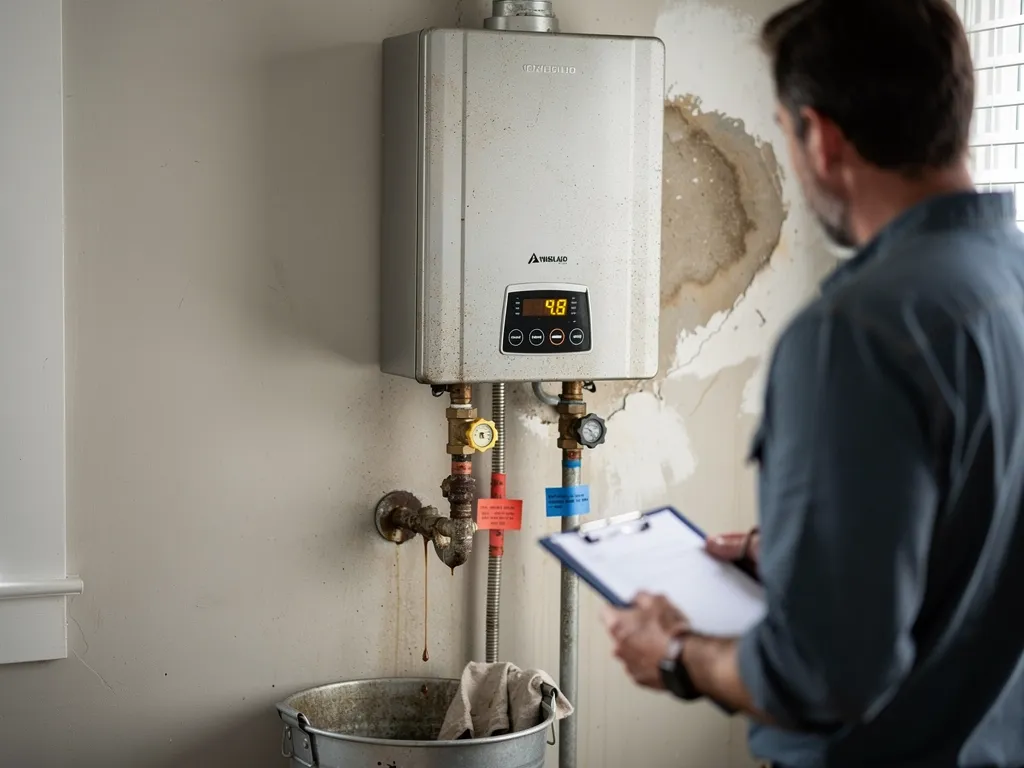
A unit nearing the end of its expected lifespan tends to show a pattern of symptoms rather than failing all at once, and recognizing that pattern early makes the decision between repair and replacement a lot clearer.
Which Symptoms Indicate Heat Exchanger or System Failure?
Declining hot water output, a unit that takes noticeably longer to reach temperature than it used to, error codes that keep returning after a flush and reset, and visible corrosion or mineral deposits around the unit’s connections are the clearest signs of a heat exchanger nearing the end of its service life.
When Is Repair No Longer Worthwhile Compared to Replacement?
A unit that’s within its expected lifespan window and needs an isolated repair is usually worth fixing. A unit that’s near or past the top of that 15-to-20-year range and needs a second or third repair within a short stretch of time is a different story, since continuing to repair an aging unit often just delays a replacement that’s coming either way. Calling (540) 500-1272 gets a technician looking at the unit’s actual age, repair history, and current condition to help make that call with real information instead of a guess.
How Can You Maximize Your Tankless Water Heater’s Service Life?
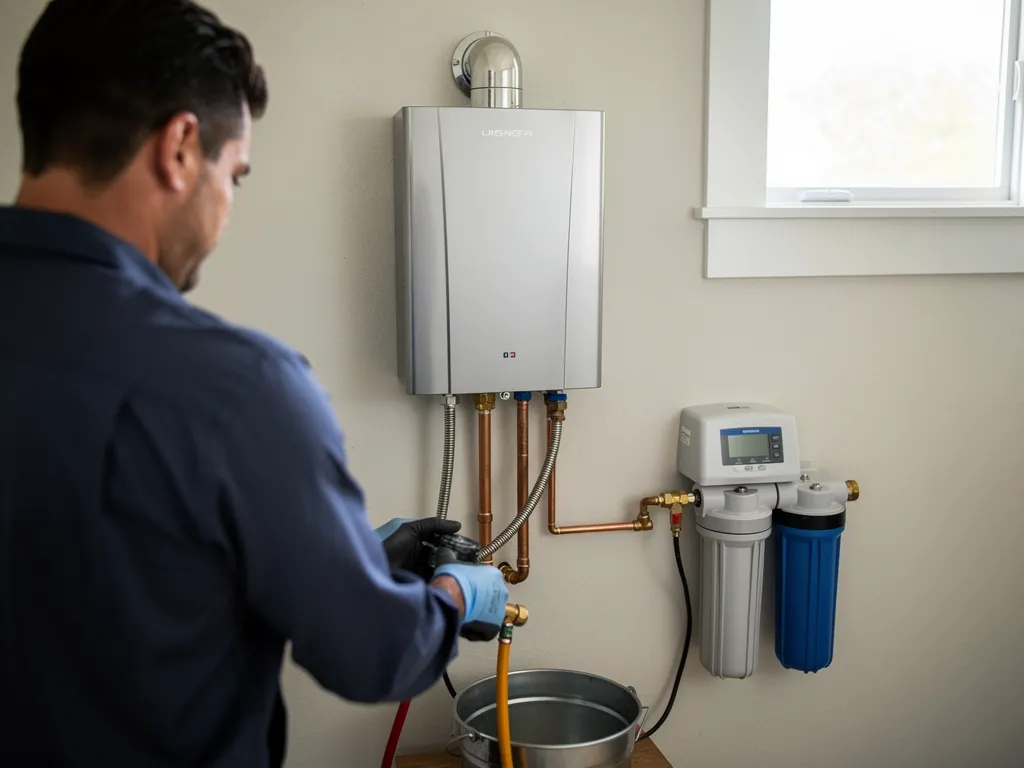
Extending a tankless unit toward the upper end of its lifespan mostly comes down to staying consistent with two things: flushing and water quality management.
What Are the Step-by-Step Annual Descaling and Flushing Procedures?
Heat exchanger descaling starts with shutting off the unit’s power and gas or electrical supply, then closing the hot and cold isolation valves. A descaling solution gets circulated through the heat exchanger with a small pump for roughly 45 minutes to an hour, then flushed out with clean water before the valves are reopened and the unit is powered back on and tested. If a unit isn’t responding to maintenance the way it should, our repair or replace guide walks through that decision in more depth.
How Do Water Filtration and Softening Accessories Prevent Scale Buildup?
Some homes in hard water areas add a whole-home water softener or filtration system, which reduces the mineral content reaching the water heater in the first place and can meaningfully cut down on how often flushing is needed. This is a broader home water-quality decision rather than something every tankless install requires, and it’s worth researching independently or discussing with a water treatment specialist if hardness is a persistent issue for a specific home.
How Does Water Chemistry Quantitatively Affect Tankless Water Heater Depreciation?
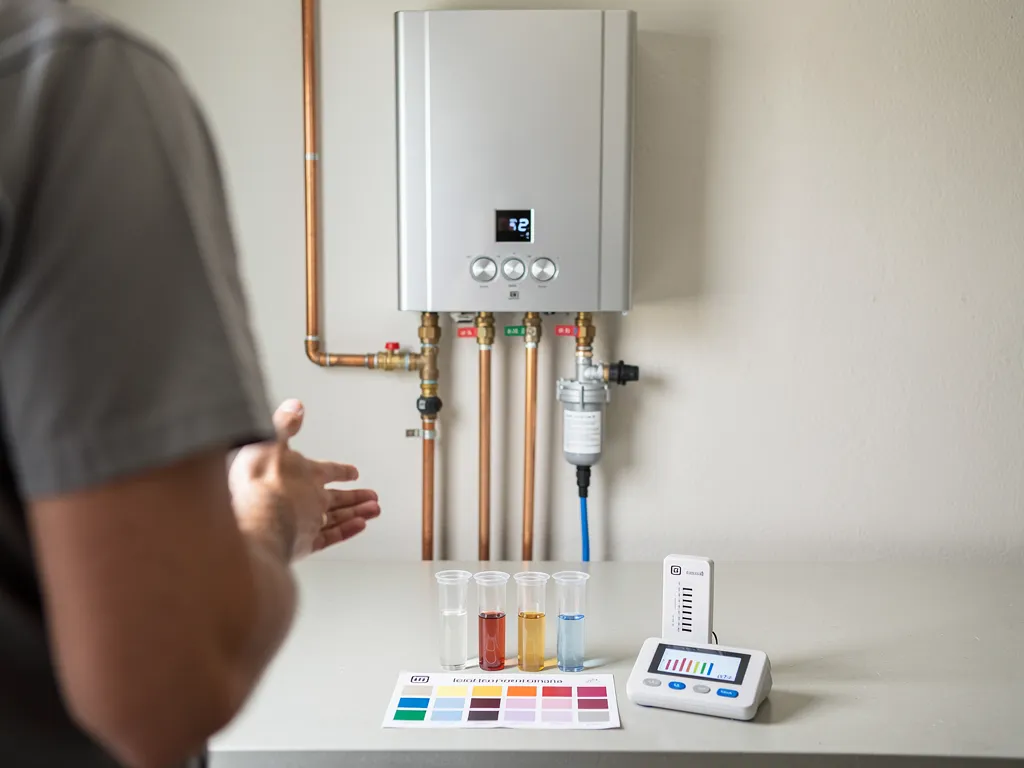
Water hardness is measured in grains per gallon, and that number is a useful way to understand how much maintenance a specific home’s tankless unit is actually going to need.
What Is the Relationship Between Grains Per Gallon of Hardness and Heat Exchanger Wear?
Water is generally classified as soft under about 1 grain per gallon, moderately hard between roughly 3.5 and 7, hard between about 7 and 10.5, and very hard above that. The higher that number runs, the faster mineral scale accumulates inside a heat exchanger between flushes, which is why a home on very hard well water may need to flush twice a year rather than once to stay ahead of it. A water test is the only way to know where a specific home actually falls on that scale.
How Does Scale Accumulation Accelerate Premature Tankless Water Heater Failure?
Scale buildup doesn’t just reduce efficiency, it also changes how the heat exchanger experiences heat. An insulated exchanger has to run hotter to transfer the same amount of heat to the water passing through it, and that added thermal stress, repeated over thousands of heating cycles, is what eventually leads to premature component failure in units that are never flushed.
What Are Common Manufacturer and Industry Recommendations for Replacement Timing?
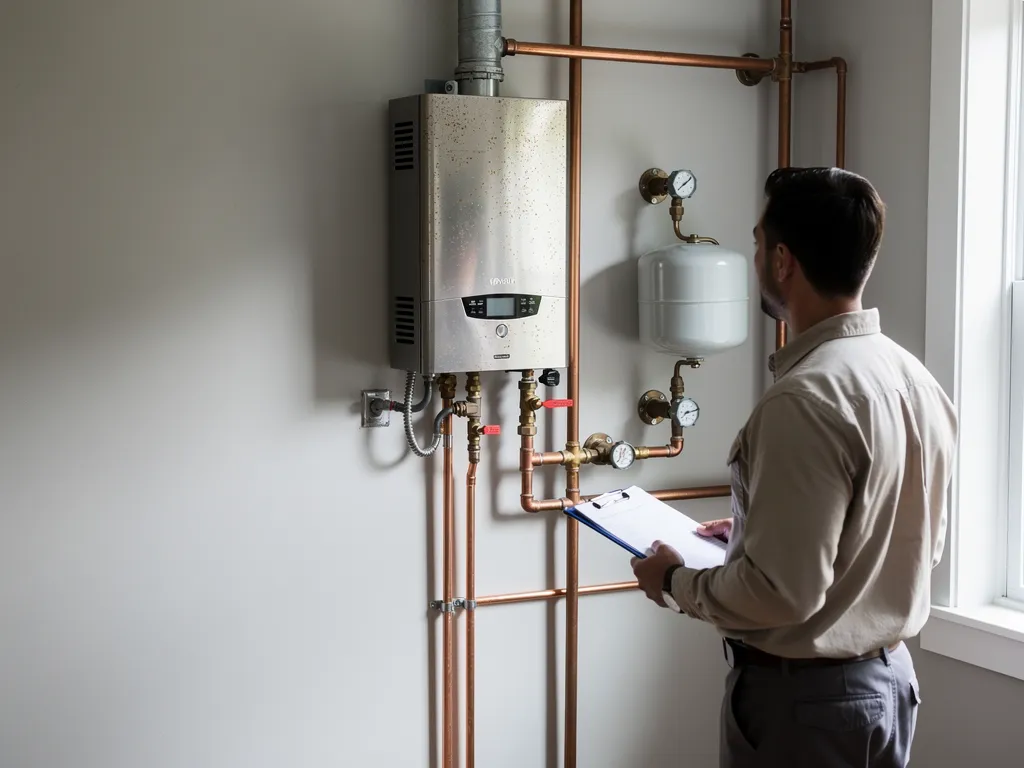
Most manufacturers and plumbing professionals point to the same general window, roughly 15 to 20 years, as the point where replacement starts to make more sense than continued repair for a well-maintained unit.
How Does Warranty Coverage Reflect Expected Tankless Water Heater Lifespan?
Warranty length is a reasonable proxy for how long a manufacturer actually expects its own unit to last, since most residential tankless heat exchanger warranties run well past the coverage period on a comparable tank unit. Once a unit is outside its warranty window and showing some of the symptoms described above, that’s a natural point to start weighing replacement.
What Do Industry Experts Advise About Monitoring Tankless Water Heater Age and Performance?
The general advice is to track a unit’s install date and flushing history, pay attention to any gradual decline in output or temperature consistency, and treat a pattern of repeat error codes or repairs in a unit’s later years as a signal to start planning for replacement proactively, rather than waiting for a complete failure with no hot water at all.
Frequently Asked Questions
How long does a tankless water heater last? Most tankless water heaters last between 15 and 20 years with regular maintenance, compared to roughly 8 to 12 years for a typical tank water heater.
What shortens a tankless water heater’s lifespan the most? Mineral scale buildup from hard water is the biggest factor, followed by skipped annual maintenance and an installation that’s undersized or oversized for the home’s actual hot water demand.
How do I know if my tankless water heater needs to be replaced instead of repaired? A unit nearing the end of its expected lifespan that needs a second or third repair in a short span, shows declining output despite maintenance, or has visible corrosion at its connections is usually a better candidate for replacement than another repair.
Does regular tankless water heater maintenance extend its life? Yes. Annual flushing keeps mineral scale from building up on the heat exchanger, which is the component most responsible for how long a unit lasts, so consistent maintenance is what pushes a unit toward the higher end of its expected lifespan range.
No nonsense, just predictable comfort, whether a unit is brand new or approaching the end of its service life. If you’re weighing the tank vs. tankless decision for a home in Mineral, Louisa, or the Lake Anna area, or want a professional opinion on a unit’s current condition, contact Wet Spot Plumbing or call (540) 500-1272.